
Place · 6.3 mi away
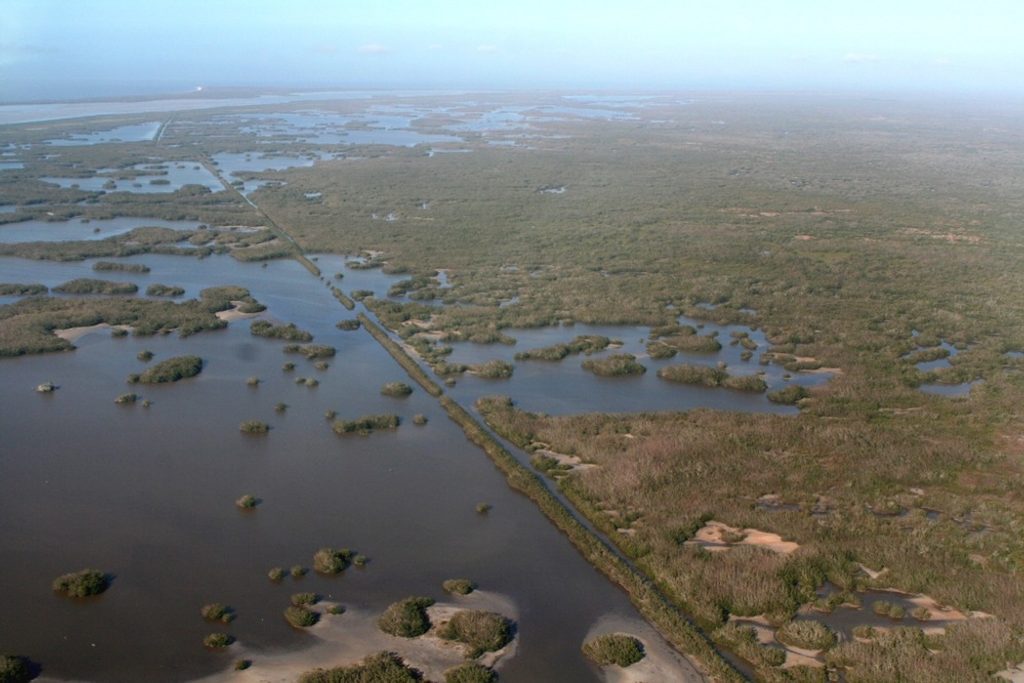
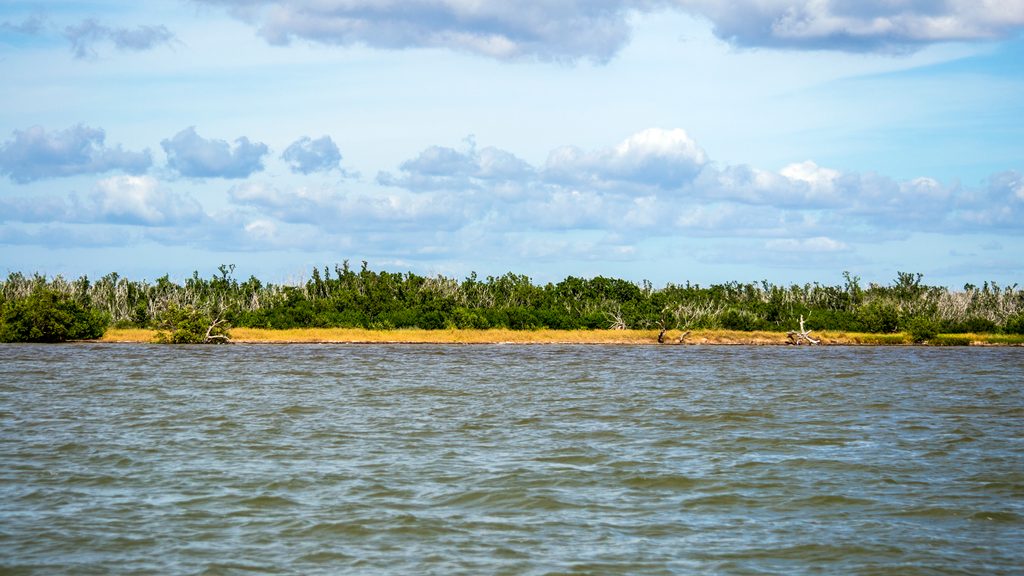
Cape Sable is the wild edge of the park: a sweeping peninsula of beaches, mangroves, and marsh at the very bottom of mainland Florida. East Cape Sable marks the southernmost point of the mainland, and the whole area feels wonderfully empty—no roads, no buildings, just sky, water, and sand.
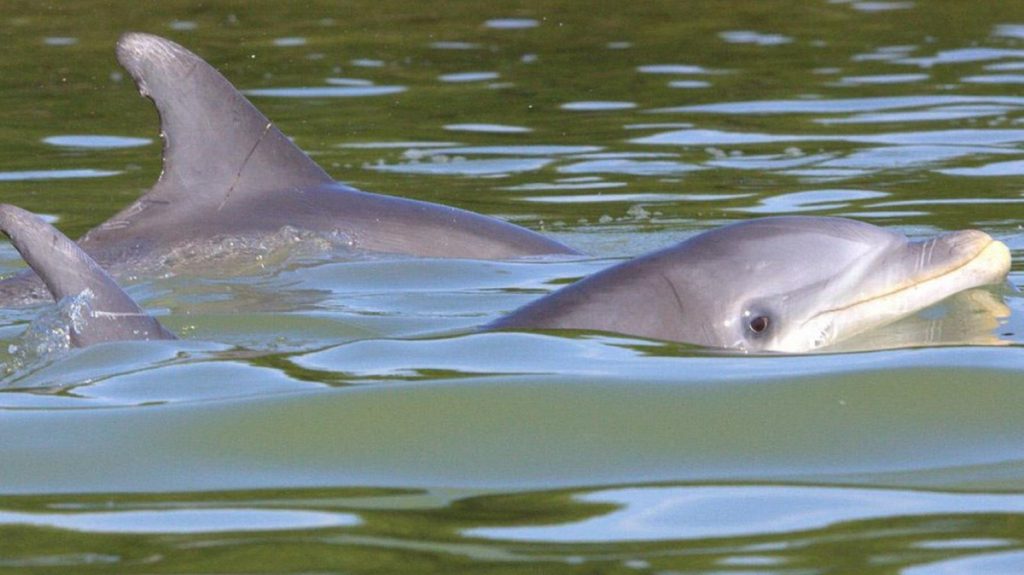
This is classic coastal Everglades—vast, low-lying flats, mangrove-lined channels, and long, undeveloped beaches with huge horizons. It’s prized for solitude and wildlife: wading birds forage in numbers, dolphins patrol the shoreline, and this is critical habitat for endangered species like the American crocodile and smalltooth sawfish.
There’s no road access. You reach Cape Sable by powerboat, canoe, or kayak via Florida Bay. The National Park Service specifically warns paddlers about hazardous conditions when winds and tides oppose each other, and advises powerboaters to anchor from the bow if weather turns unfavorable. Do not attempt Bear Lake Canal as a shortcut between Flamingo and the cape beaches—it’s overgrown and impassable.
Backcountry beach camping is available at designated sites such as East Cape and Northwest Cape. Expect true primitive conditions: no toilets, no potable water, no tables. Bring everything you need and pack everything out. Backcountry camping permits are required.
Birders do well here: herons, egrets, ibis, pelicans, and osprey frequent the coast. Dolphins often cruise just offshore, and crocodiles are possible along the beaches and channels. Wildlife activity can pop during transitions between wet and dry seasons as fish and birds concentrate in remaining pools and channels.
Paddlers will weave through mangrove margins and open bay; boaters find broad, shallow approaches with few landmarks. It’s a place where weather and tides rule the day—plan conservatively and build in time buffers.
It’s rarely crowded thanks to the boat-only access. Aim for calmer weather windows and softer light near sunrise or sunset (sunsets here can be spectacular). If you’re bug-averse, avoid summer when mosquitoes are at their worst. Be especially cautious in hurricane season and during strong wind–tide set-ups.
Place · 6.3 mi away
Place · 7.8 mi away
Place · 10.9 mi away
Place · 11.2 mi away
Easy · 14.2 mi away
Challenging · 14.3 mi away
Easy · 14.3 mi away
Easy · 14.8 mi away

Parkwolf Tour Guide
