
Place · 6.3 mi away
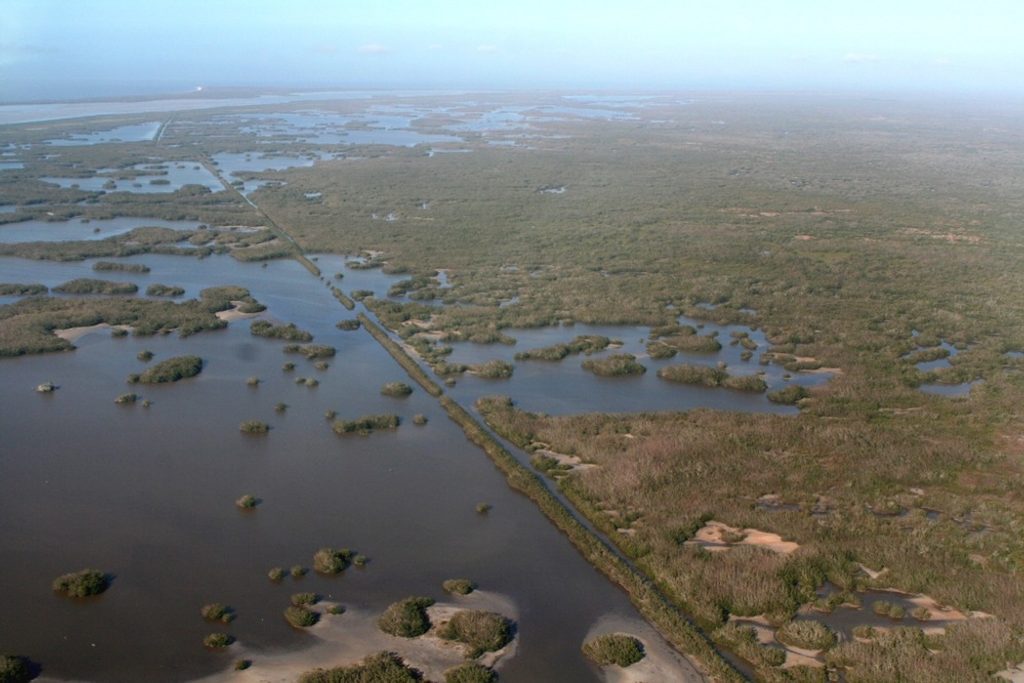
Whitewater Bay is the Everglades at its most remote: a roughly 10-by-6–mile, mangrove-rimmed expanse of brackish water deep in the park’s backcountry. It’s a place of silence and scale—huge horizons, labyrinthine shorelines, and almost no signs of development. If you want wilderness on water, this is it.
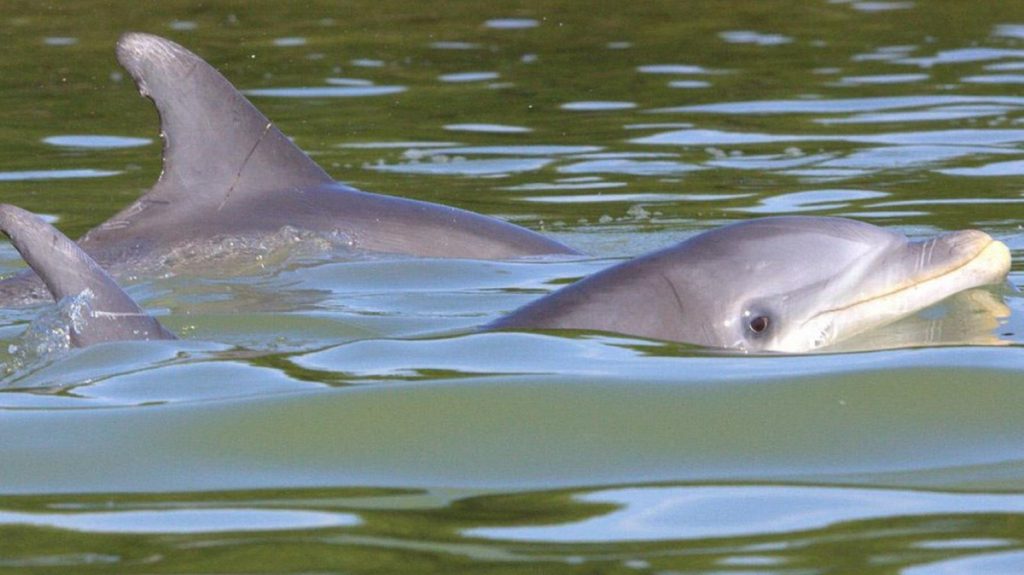
Expect endless mangroves, open water, and sky. The bay connects west toward Oyster Bay and ultimately Ponce de Leon Bay and the Gulf, forming a vital link in the park’s estuarine network. You’ll share the water with ospreys and wading birds, and with luck you might spot American crocodiles along canal banks or manatees in connected channels.
Birders come for raptors and herons; anglers come for action. Reports from the bay and nearby waters mention redfish, speckled trout, and tarpon. Sharks—bull sharks included—use these bays as nurseries, which is fascinating from a boat and a good reminder to keep hands and fish clear of the water.
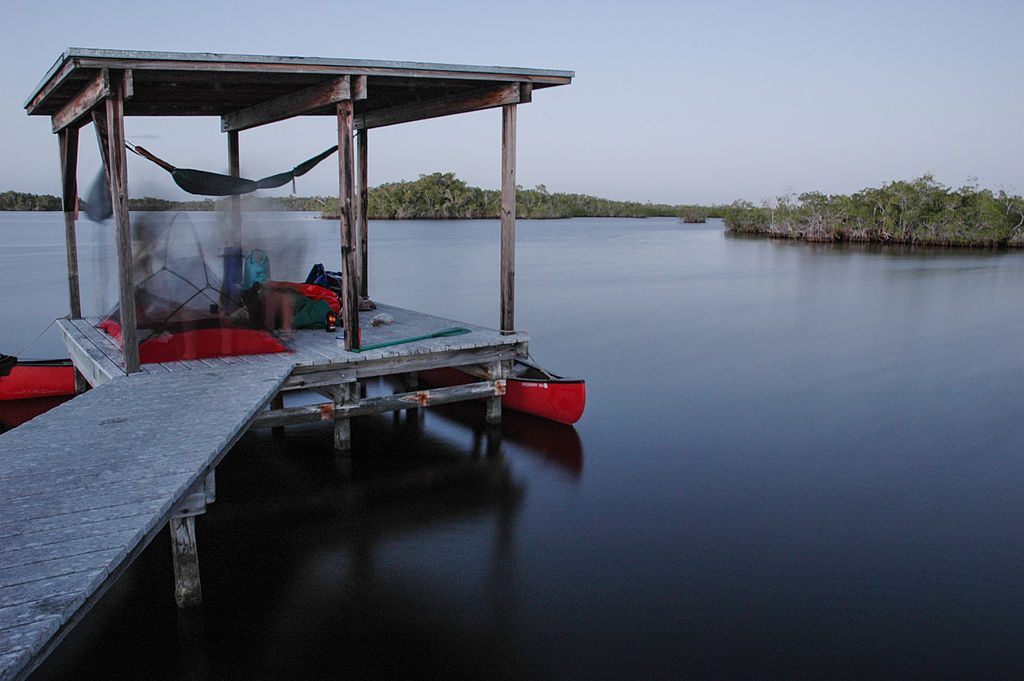
Access is by water only. Most visitors launch from the Flamingo area on the backcountry/Whitewater Bay side and travel via canal through Coot Bay into Whitewater Bay. Guided naturalist boat tours ply this route, and it’s also a segment of the famed Wilderness Waterway for paddlers. There are no services anywhere out on the bay; everything—parking, restrooms, supplies—centers on Flamingo before you depart.
This place is big, and the mangrove shorelines look the same in every direction. Bring proper navigation—NOAA Chart 11433 or reliable GPS—and know how to use it. Winds can stack up chop across long fetches, so plan conservative crossings and build in extra time. Cell service is unreliable; carry ample water, sun protection, and a basic repair/first-aid kit.
Scale and solitude. Even in peak season, Whitewater Bay often feels empty. It’s an estuarine wilderness nursery for marine life, and that productivity shows up in the fishing and the wildlife viewing.
Year-round for boating and fishing. Cooler months are more comfortable, with fewer insects. Crowds aren’t the issue here—the challenge is preparation and weather windows. For softer light and easier photos, aim for early or late in the day, launching and returning via Flamingo.
Place · 6.3 mi away
Place · 9.5 mi away
Place · 10.4 mi away
Place · 10.8 mi away
Easy · 10.8 mi away
Easy · 12.1 mi away
Easy · 12.2 mi away
Moderate · 12.3 mi away

Parkwolf Tour Guide
