
Place · 0.9 mi away
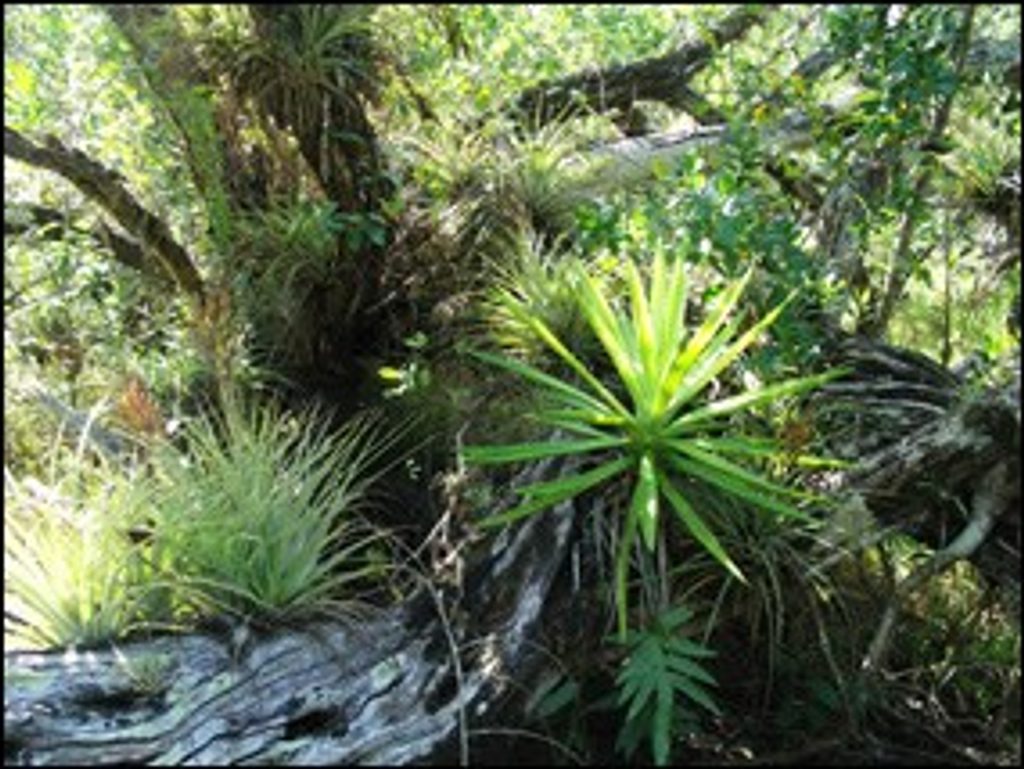
Coot Bay is classic Everglades: broad, quiet, and ringed by mangroves. It’s a place to slip away from the road noise, paddle through shaded mangrove passages, and watch for birds across open, tannin-dark water. If you’re here for solitude, wildlife, or a brackish-water bite, this bay delivers.
Coot Bay anchors a recognized paddle route that links toward Mud Lake, with tight, mangrove-lined sections often referred to as “tunnels.” Hand-powered boats commonly access the bay from the tiny Coot Bay Pond along Main Park Road via a roughly quarter-mile channel. That channel’s passability can vary with debris, so check conditions before committing. Expect no solid places to step out once you’re on the route.
Anglers work Coot Bay by motorboat or paddle craft using baitcasting, fly, and light tackle. Fish tend to be more active in the thicker, muddier zones, and heavier rods with stronger line are recommended. Reported productive windows run mid-morning to early afternoon (about 9 a.m.–2 p.m.) and again after 4 p.m.
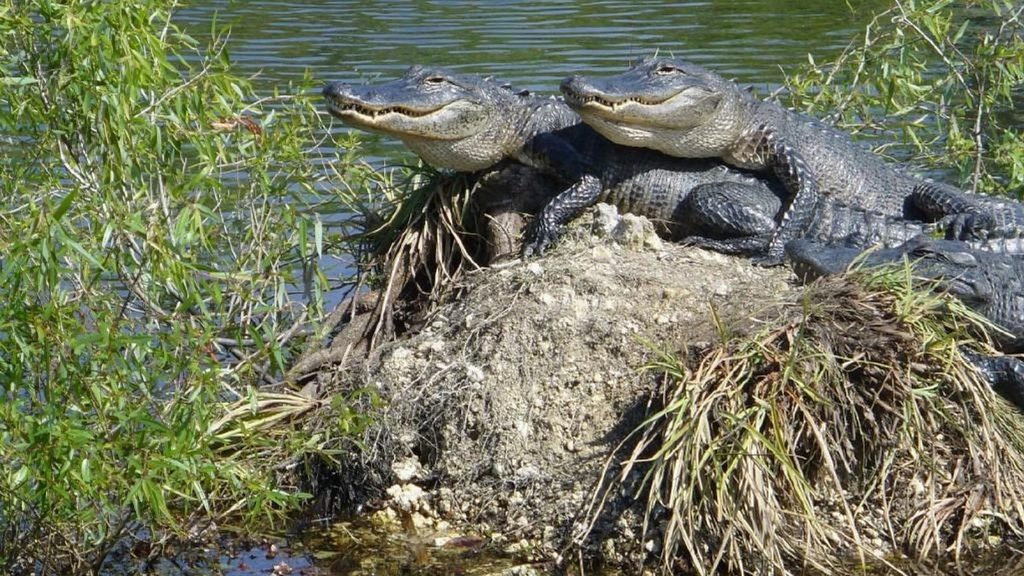
The mangrove shores are reliable for birding—Coot Bay’s very name nods to flocks of American coots—and the broader area supports classic Everglades fauna. Polarized sunglasses help pick out movement in the dark water.
This is an undeveloped water destination with limited services. The nearby Coot Bay Pond is a tiny launch option rather than a destination—great if you’re continuing into the bay, not much on its own. Plan to be self-sufficient with water, sun protection, and bug defense.
Bring robust insect repellent and protective clothing, plenty of water, a hat, sunscreen, and a dry bag. Carry the park’s Flamingo-area canoe trail map or a reliable GPS, and confirm whether the pond-to-bay channel is open before launching.
Place · 0.9 mi away
Place · 1.2 mi away
Place · 1.3 mi away
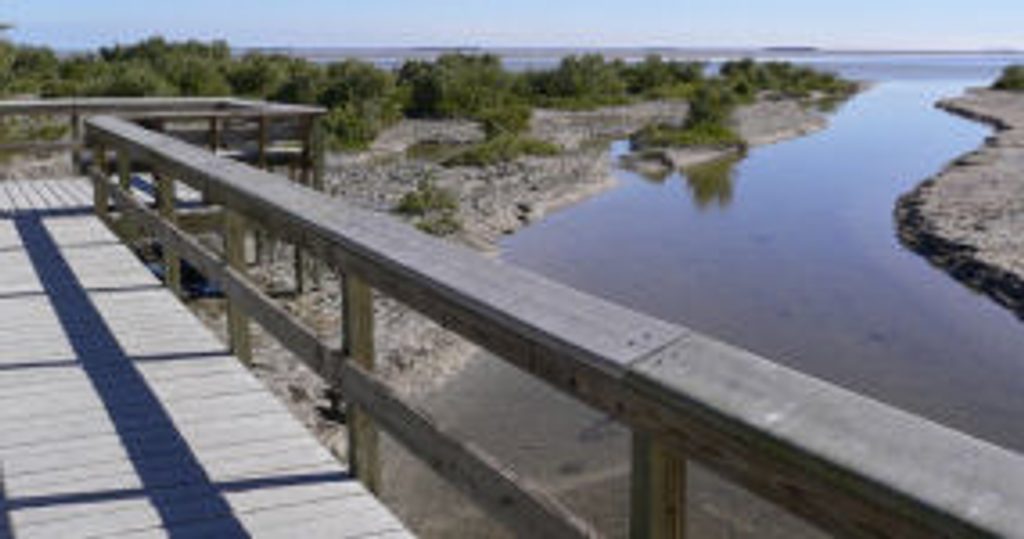
Place · 2.4 mi away
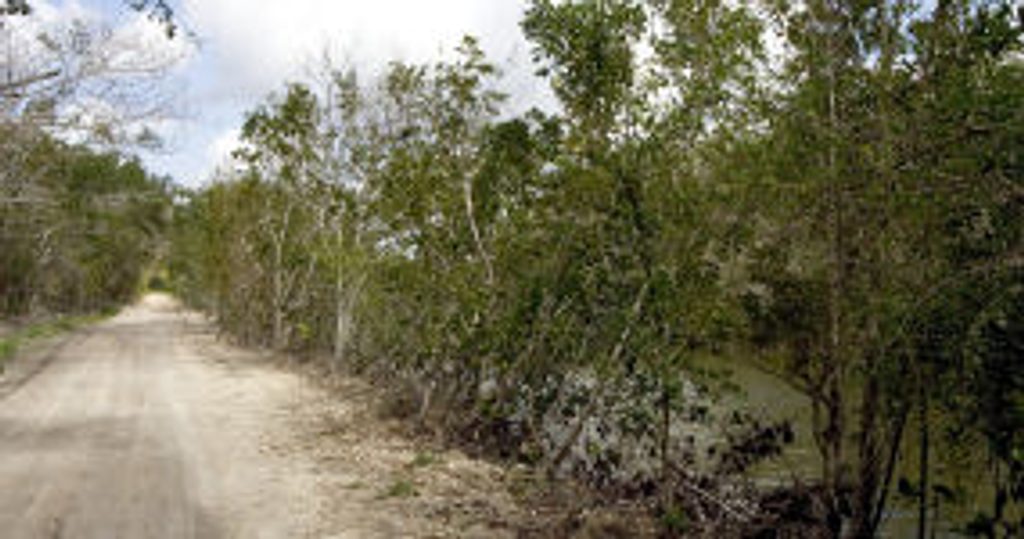
Easy · 1.3 mi away
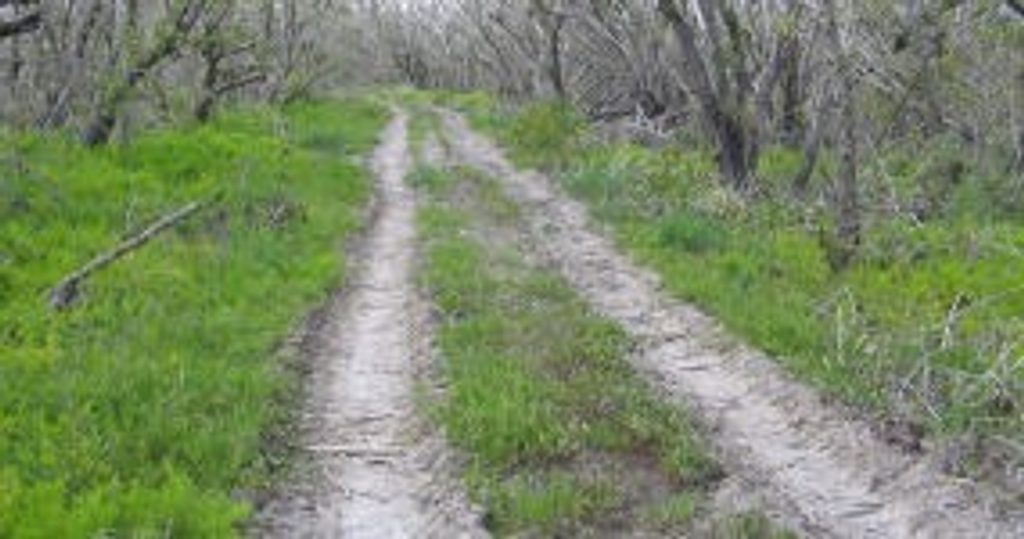
Easy · 1.9 mi away
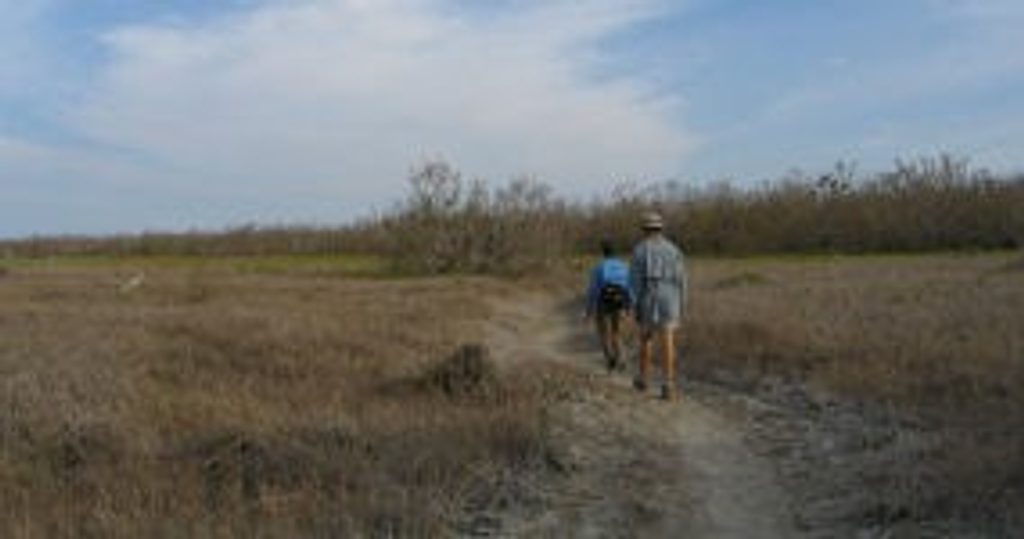
Moderate · 2.7 mi away
Easy · 3.5 mi away

Parkwolf Tour Guide
