Overview
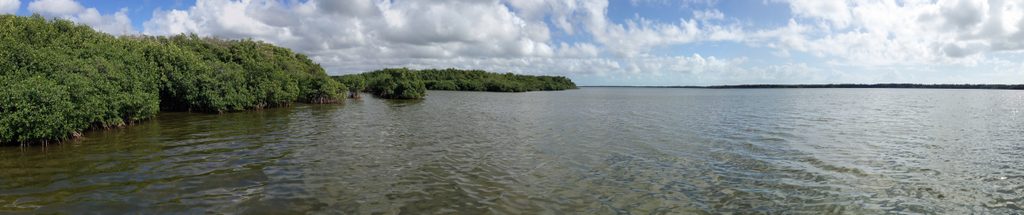
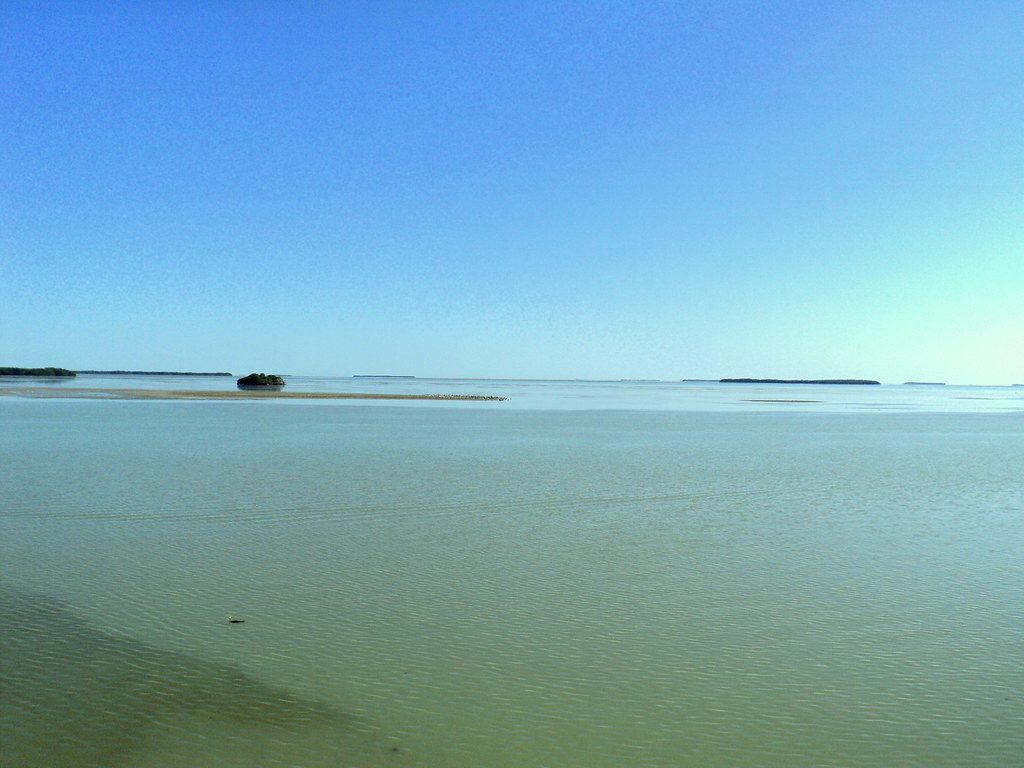
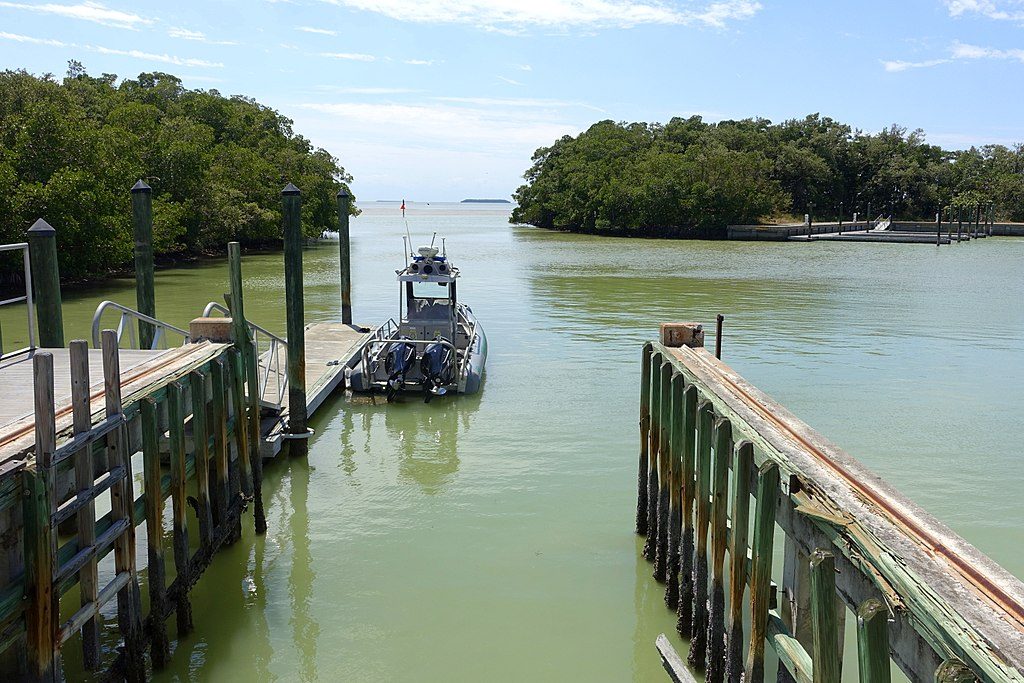
Florida Bay is the park’s vast southern lagoon—a shallow, island-dotted expanse that stretches between the mainland and the Florida Keys. Think endless horizons, mangrove islets, and broad seagrass meadows. Most of it lies within the park, and it’s a cornerstone of the Everglades ecosystem.
What Makes It Special
This is one of the largest estuarine environments in the country. Its prolific seagrass beds power a huge food web, and the mangrove islands and mud banks act like natural breakwaters and nurseries. It’s beautiful in a minimalist way—huge skies, glassy shallows—and it feels wild.
What You’ll See
- Wide-open water dotted with tiny mangrove islands and mud banks.
- Seagrass flats and mangroves visible from the water and from a few shore-access points. Trails like the Coastal Prairie Trail and Bayshore Loop offer bay views at their ends.
- Dredged navigation channels in places, especially along the Keys, but plenty of skinny water in between.
Wildlife Highlights
- Birds: herons, egrets, and roseate spoonbills frequent rookeries and flats.
- Marine life: keep an eye out for bottlenose dolphins and West Indian manatees.
- Reptiles: American crocodiles and several sea turtle species patrol the fringes.
- Fish and more: hundreds of fish species, rays, and crustaceans thrive in these nurseries; alligators appear in brackish areas.
How to Experience It
- By water is best: boating, kayaking, and canoeing are the prime ways to explore. Launch from Flamingo, where guided Florida Bay boat tours also depart.
- If you’re hiking, some coastal trails end at the bay for big-sky views—nice for photography and birdwatching.
- Anglers, paddlers, and birders consider this a bucket-list zone for its diversity and solitude.
Practicalities and Challenges
- Navigation is the real test here. The bay is very shallow with soft mud banks—groundings are common. Know your draft, plan routes carefully, and review the park’s Florida Bay boating guidance and tide charts before you go.
- Expect bugs, especially in warmer months. Sun protection and plenty of water are essential.
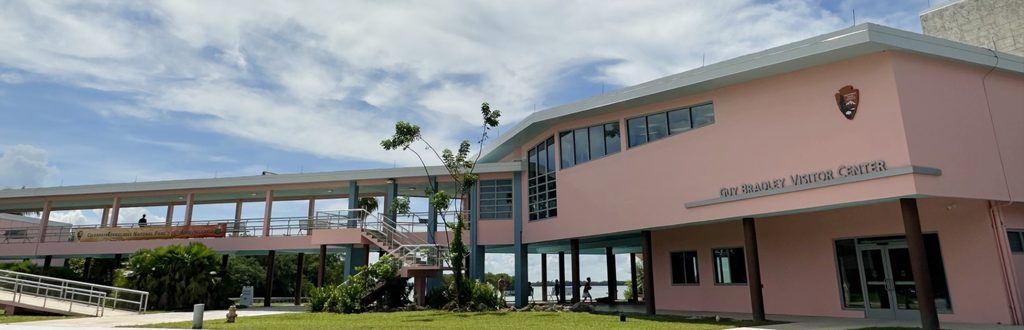
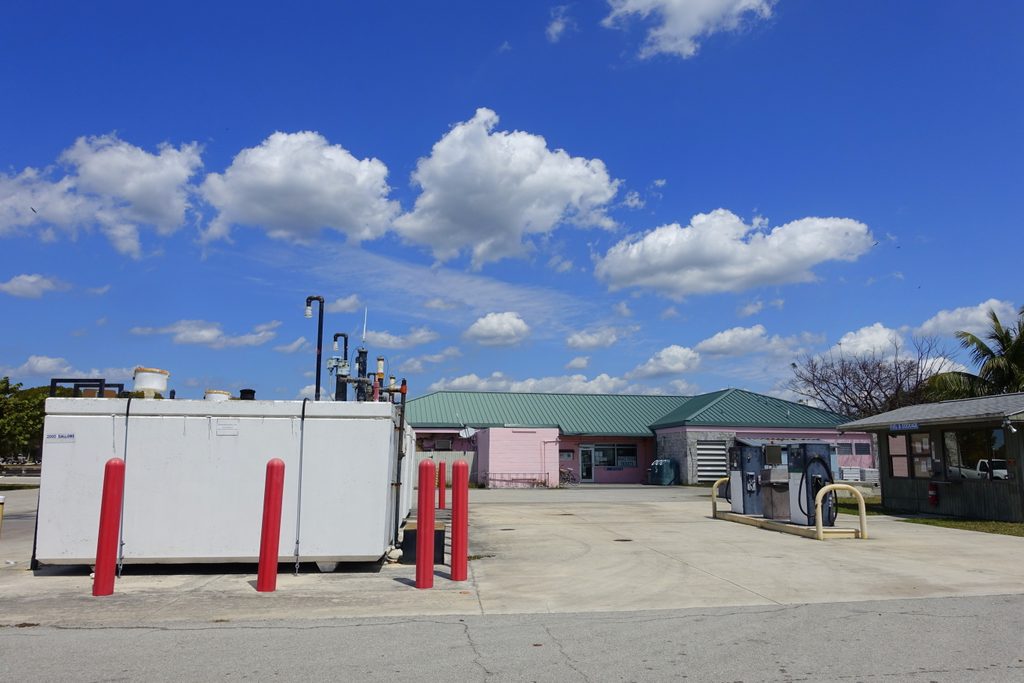
- Facilities are limited on the water; services are clustered at Flamingo (parking, restrooms, store, campground, and tour departures).
Best Time to Visit
- Cooler months are more comfortable and typically less buggy than the warm season.
- Plan outings around tides and wind; shallows become more forgiving on higher water. Check the park’s boating announcements before launching.
Bottom Line
If you’re up for shallow-water logistics, Florida Bay delivers the Everglades at its most expansive—wildlife-rich, quiet, and best appreciated from a boat or kayak.