
Place · 4 mi away
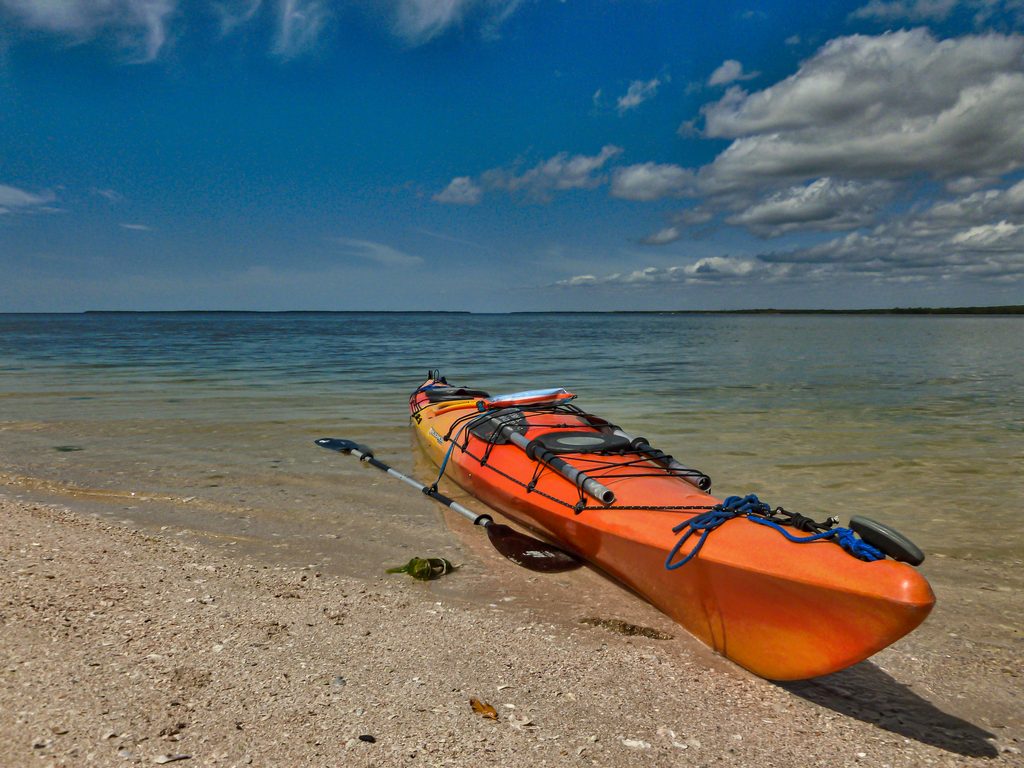
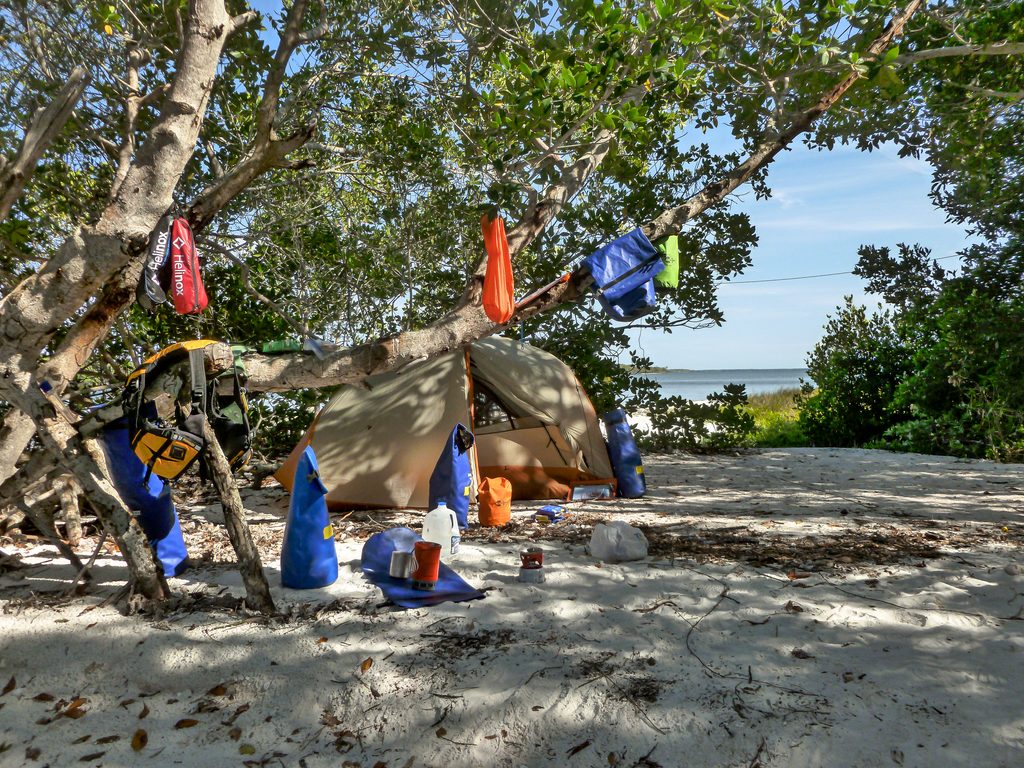
Pavilion Key is the classic Everglades backcountry beach camp: a sandy, crescent-shaped barrier island on the park’s Gulf edge. It’s remote, only reachable by boat or kayak, and the experience is pure wilderness—open horizons, surf sounds, and stars for days.
This is one of the few legal places to pitch a tent right on a Gulf-side beach in the park. You get wide-open views (sunsets are the show), easy access to fish-rich flats and channels, and steady shorebird activity. It feels far from everything—in the best way.
The National Park Service lists Pavilion Key as an official backcountry campsite; permits are required, and consecutive-night limits can apply. Most paddlers and small-boat campers launch from the Everglades City/Chokoloskee area, with Chokoloskee Island Park & Marina commonly used as a jump-off and vehicle spot. There are no services on the island—bring everything.
Camping is restricted to the island’s north-end sand spit; the interior is closed to protect sensitive resources. Expect primitive conditions on open sand with little natural shade. Multiple reports note a basic vault/composting toilet on the island, but otherwise there are no facilities. Pack out all trash and follow strict Leave No Trace.
You’re likely to see wading birds and shorebirds cruising the shoreline. Marsh rabbits and raccoons frequent the island (the latter are notorious food thieves). In the shallows, anglers report dawn baitfish blitzes and a variety of marine life—stingrays, horseshoe crabs, and more.
It’s exposed—sun, wind, and surf—so choose a tent site with tides and wind direction in mind. Mosquitoes can be intense, even offshore; calm, windless nights are the worst. Raccoons are clever and persistent, so harden your camp like they’re professionals.
Total self-sufficiency: ample drinking water, sun and wind protection, robust insect defense (repellent and netting), rigid animal-proof food storage, and trash bags. If the toilet isn’t serviced, be prepared to manage waste per backcountry rules.
Place · 4 mi away
Place · 6.4 mi away
Place · 7.8 mi away
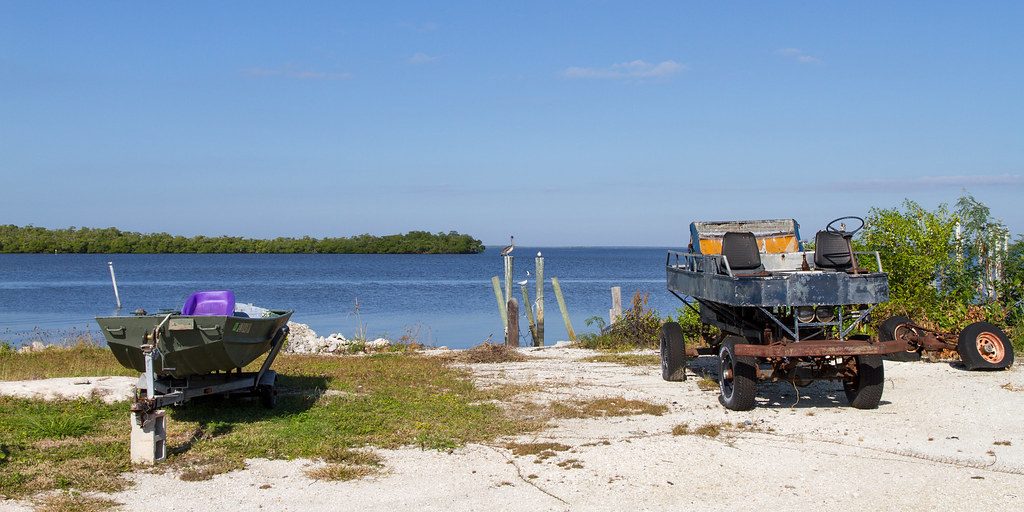
Place · 8.8 mi away
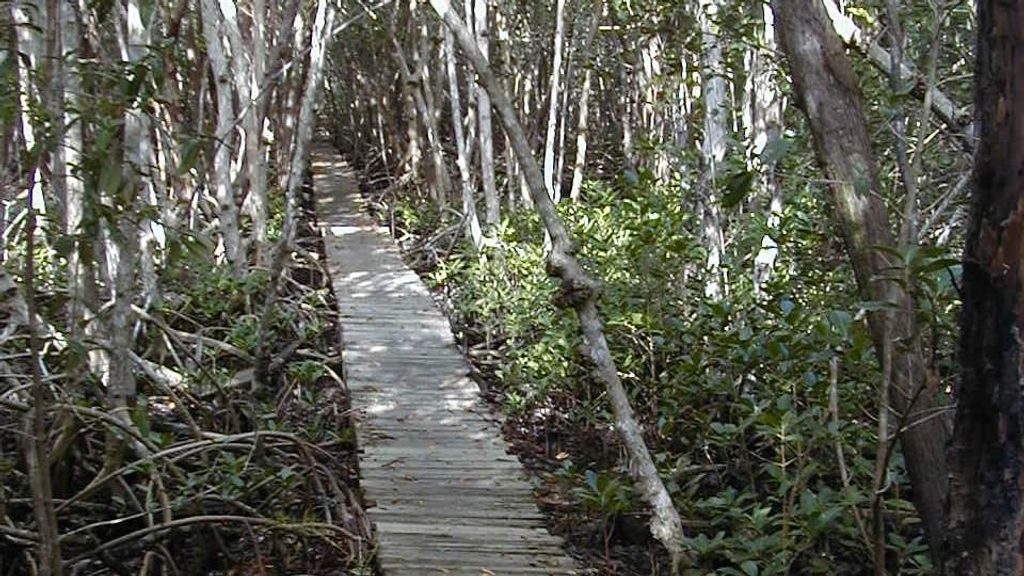
Easy · 9 mi away
Easy · 36.8 mi away
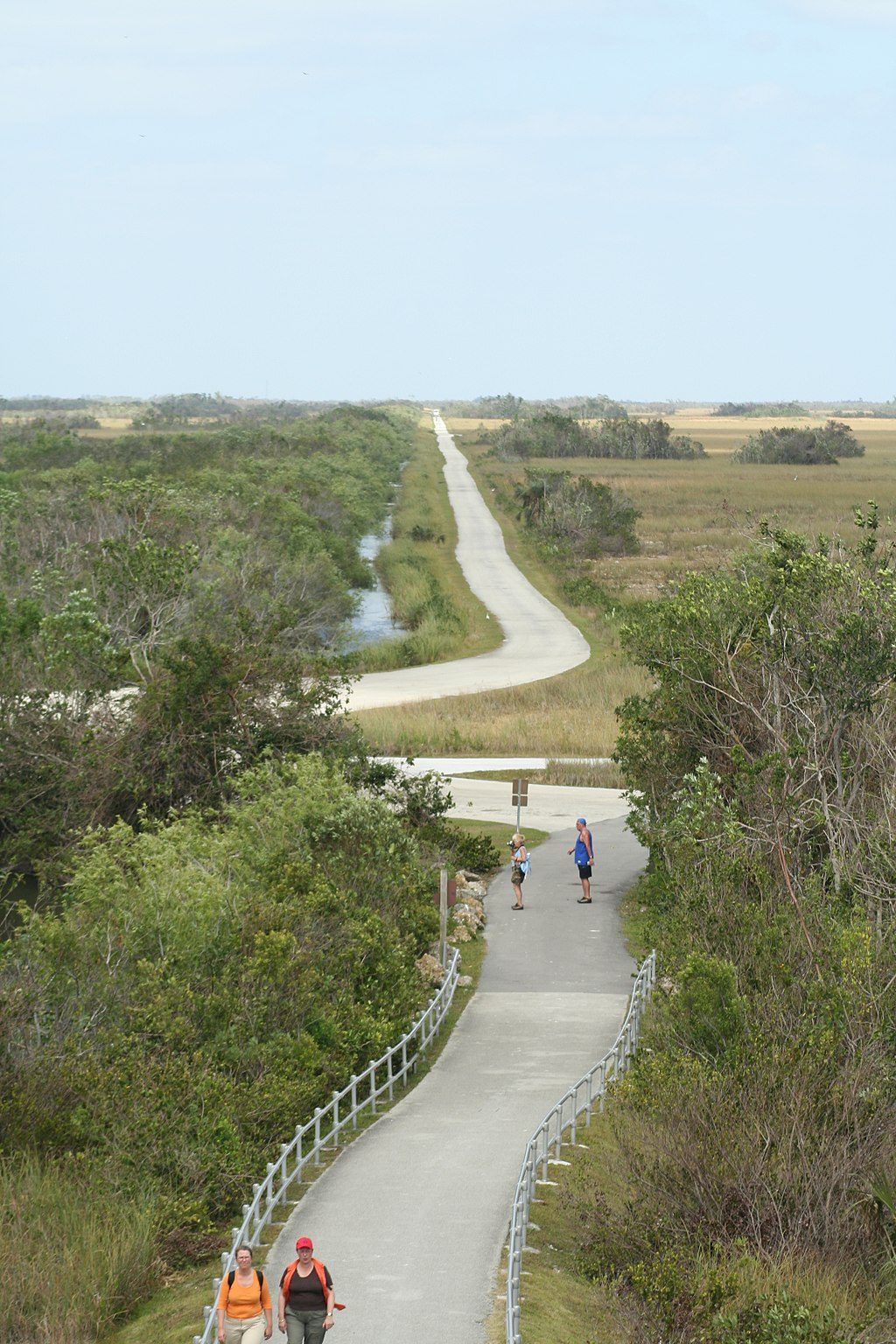
Easy · 36.9 mi away
Easy · 37 mi away

Parkwolf Tour Guide
