
Place · 4 mi away
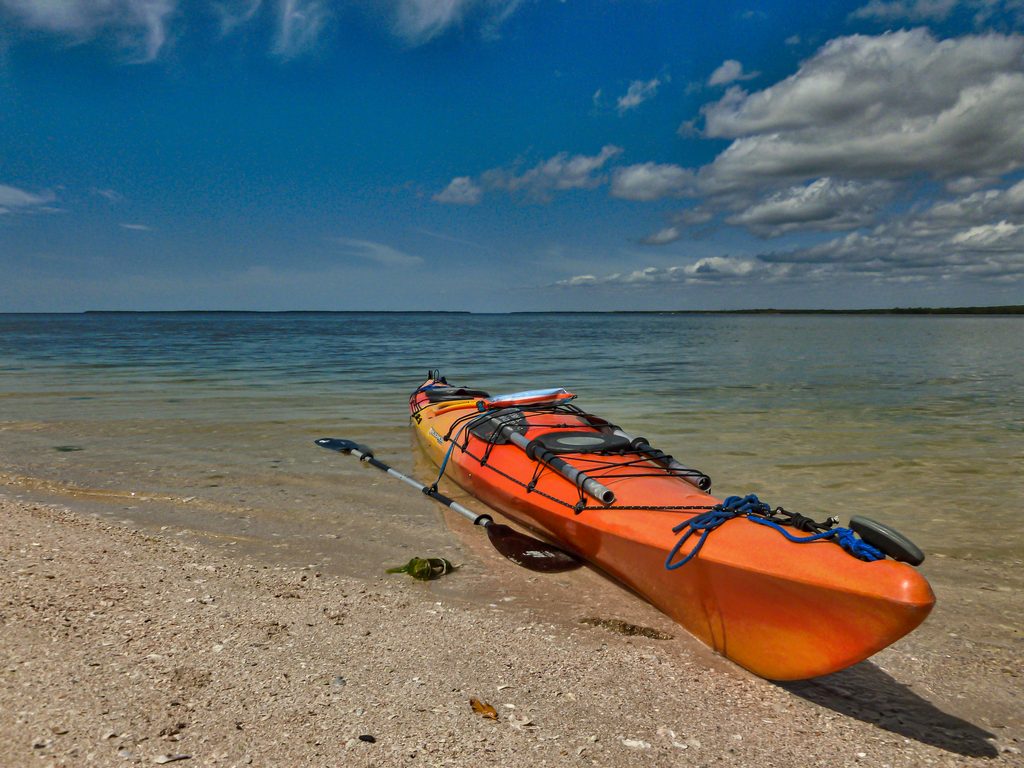
Rabbit Key is a narrow, sandy island campsite at the mouth of Rabbit Key Pass on the Gulf side of the park near Chokoloskee Bay. It’s a classic Everglades backcountry stop: primitive, gorgeous, and wonderfully remote—best for paddlers who want a wild beach night with dolphins cruising past at sunset.
Most Everglades camps are mangrove platforms or tucked in tight creeks; Rabbit Key is a true beach. You get open-water views, a ribbon of sand backed by low dunes, and sunsets straight into the Gulf. It’s secluded on weekdays and a favorite overnight for multi‑day paddling trips.
Plan on an intermediate, open-water paddle of roughly 7.9 miles (about 4.5 hours one way) from the Chokoloskee area. The official campsite sits on the island’s eastern side and is marked by a vault toilet. Navigation matters here—this maze of islands, oyster bars, and tidal passes can be disorienting, so bring a map/compass/GPS and plan around the tides.
Expect a narrow beach, low dunes, and panoramic Gulf views. The surrounding shallows, oyster beds, and tidal flats teem with life. Beaches can be shell‑heavy—water shoes help on the sharp oysters. On clear, calm days the open water feels endless; on windy ones, it’s all exposure.
Birding is excellent: roseate spoonbills, white ibis, ospreys, pelicans, and shorebirds work the flats. In the water, look for dolphins, stingrays, horseshoe crabs, lightning whelks, and a variety of fish. Raccoons do the night shift onshore—secure anything edible. Sea turtles sometimes nest on nearby beaches.
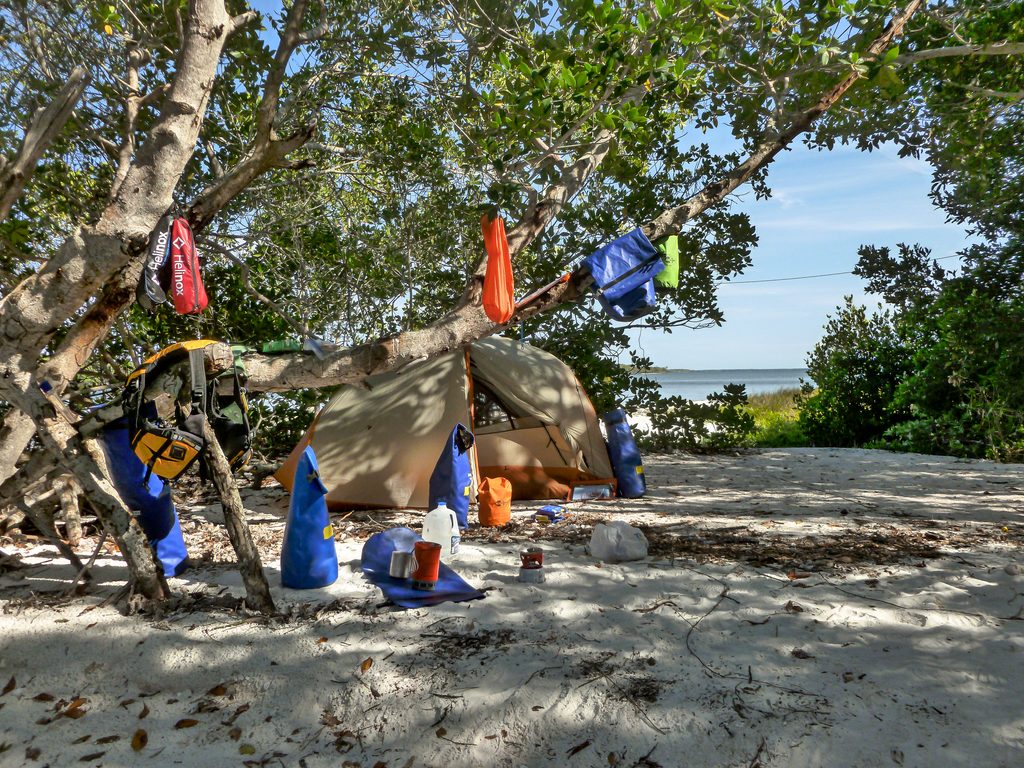
This is a primitive backcountry beach camp with a vault toilet and minimal seating; there’s no potable water, no store, and no services. You must pack in everything and pack out all trash. Anglers prize the area for redfish, sea trout, snook, and jack crevalle.
Tidal currents rip through the passes and low tide can leave you stuck in the shallows. Winds and weather roll through with little shelter. Mosquitoes and no‑see‑ums can be fierce, especially at dawn and dusk and in summer. Weekends draw more boaters and paddlers; weekdays are quieter.
A backcountry camping permit from the park is required and is issued shortly before your trip. Plan ahead but be ready to finalize within the park’s permit window.
For solitude and easier camping, aim for weekdays and calm weather. Time your arrival for late afternoon—golden light and sunsets are the show here. Avoid low‑tide arrivals/departures, and expect heavier bugs at summer dawn/dusk.
Place · 4 mi away
Place · 4.2 mi away
Place · 5 mi away
Place · 5 mi away
Easy · 5 mi away
Easy · 38.1 mi away
Easy · 38.2 mi away
Easy · 38.3 mi away

Parkwolf Tour Guide
