
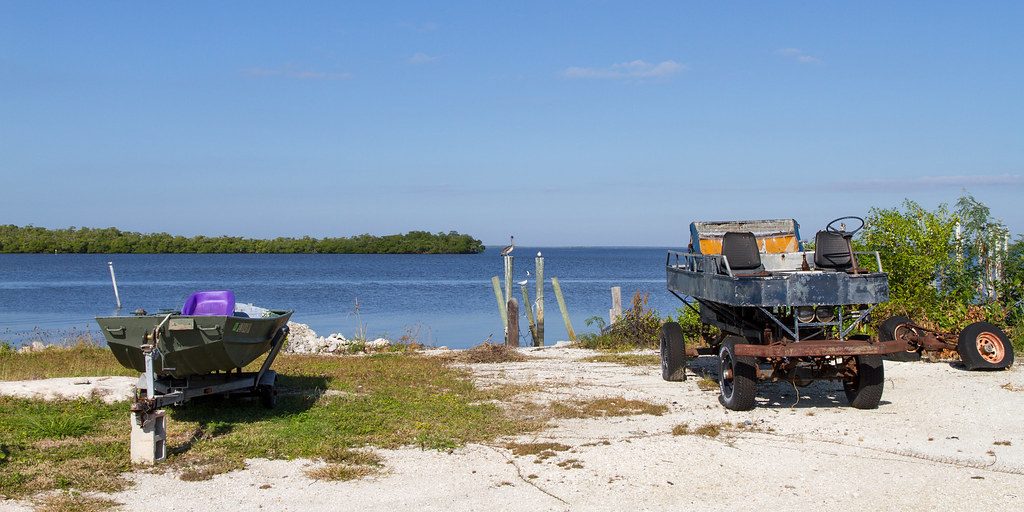
Place · 1.6 mi away
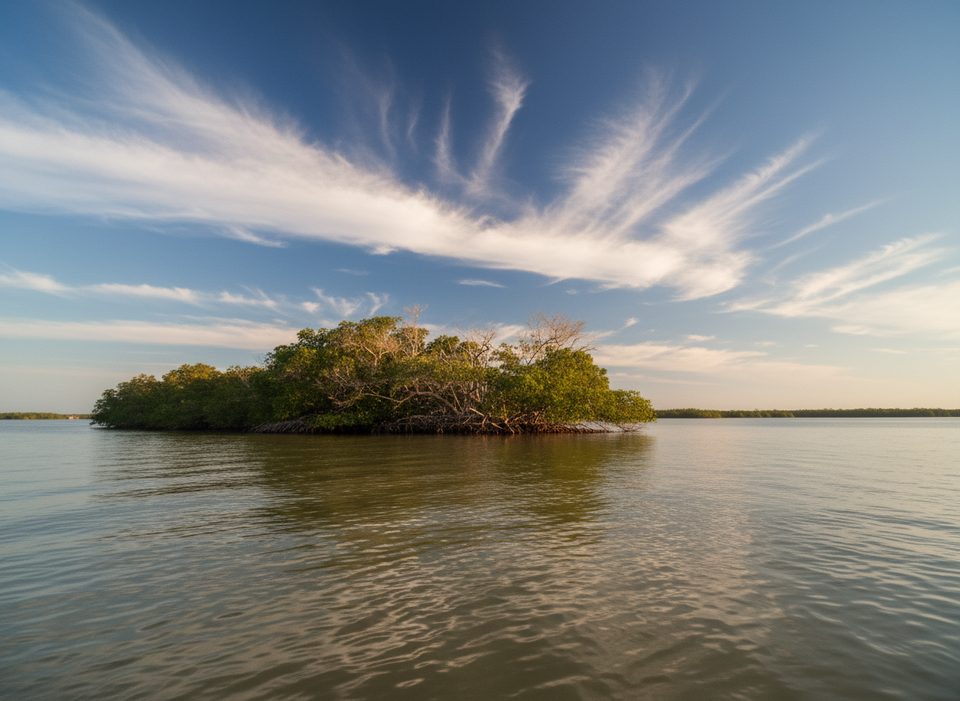
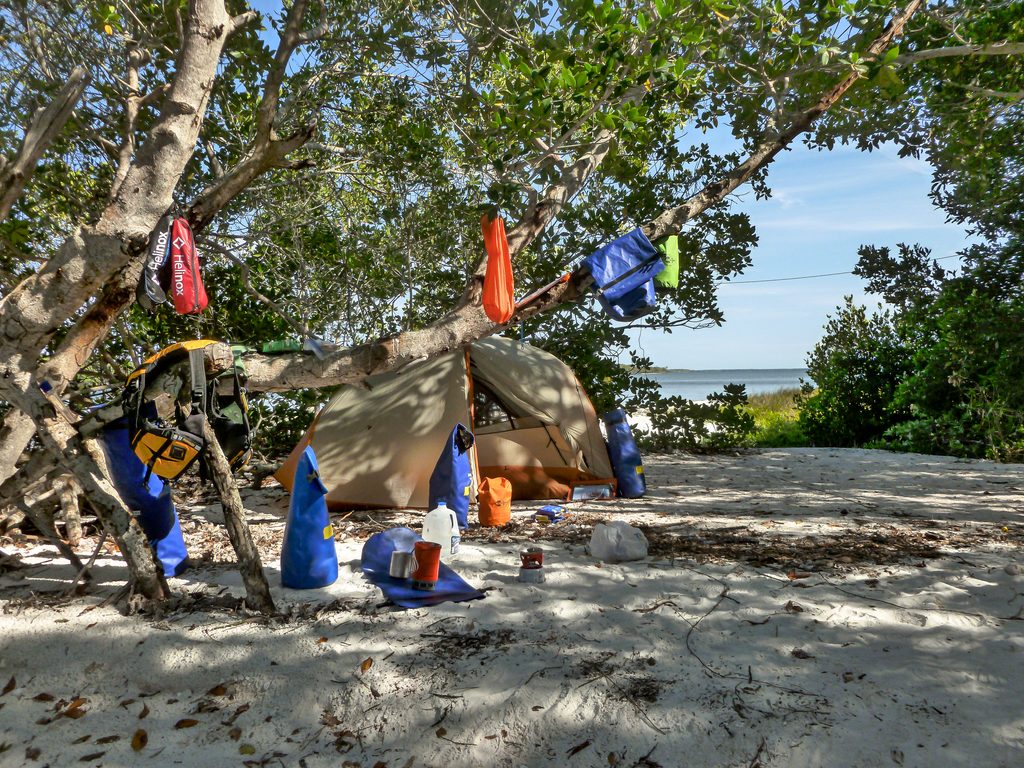
Sandfly Island is a compact adventure: a short paddle across Chokoloskee Bay leads to a boat-in island with a roughly 0.9–1-mile loop trail. It’s one of the few Ten Thousand Islands you can actually set foot on, and it mixes coastal scenery, archaeology, and quiet woods in one outing.
Launch from the Gulf Coast Visitor Center in Everglades City and paddle across the bay; many people turn this into a ~5-mile loop that circles the island. You’ll spot a dock and a small porta-potty as you approach, but most paddlers land on the adjacent sandy beach because the dock steps are often slick with algae.
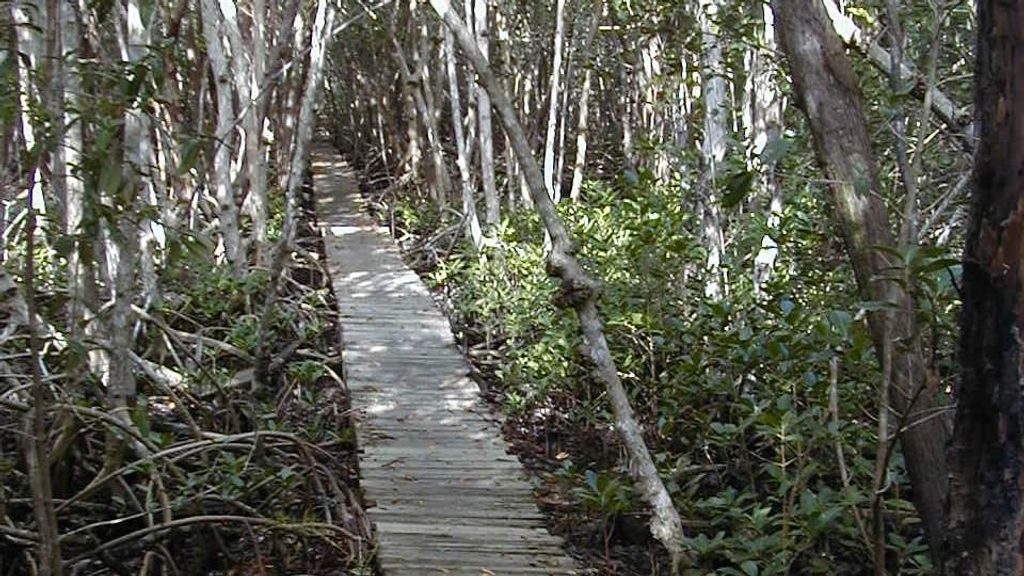
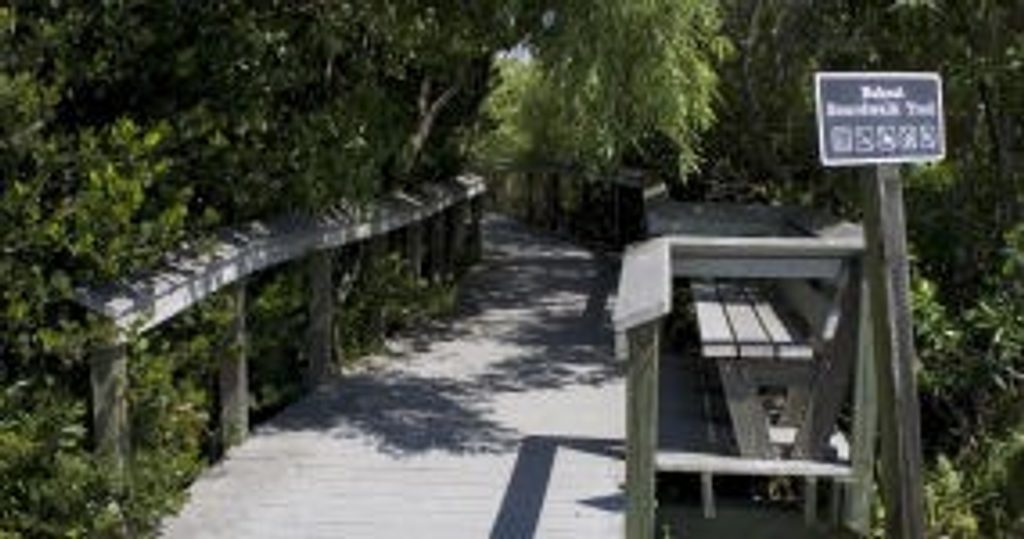
The loop trail winds through hardwood hammock shaded by gumbo limbo and other coastal species. Along the way, you’ll pass interpretive signs, shell mounds engineered by the Calusa, and remnants of early 1900s homesteading, including a concrete cistern and old foundation blocks. Expect a simple dirt-and-rock footpath with a short boardwalk section.
Sandfly is a rare “sampler” of the Ten Thousand Islands—close to the launch, wild enough to feel remote, and layered with human history from Indigenous engineering to pioneer farming. It’s a satisfying half-day pairing of scenic paddling and a quick, rewarding hike.
Watch for fiddler crabs skittering along the gravelly beach, plus shorebirds and waders working the mangroves and tidal flats. The broader area teems with coastal birdlife; bring binoculars for the best look.
Facilities are minimal. There’s a porta-potty at the landing, but no fresh water or services. Navigation can be confusing among similar-looking mangrove channels—bring a GPS or solid map. Wear closed-toe shoes for the rocky, rooty tread, and pack serious insect repellent; bugs ramp up in warmer months.
Paddlers often time their outing to leave on an outgoing tide, explore the island at low tide, then ride the rising tide back. Expect roughly 3–5 hours total for the paddle-and-hike combo, depending on conditions and stops.
Cooler, drier months are far more pleasant for bugs. Start early for calmer winds and softer light on the water, and aim your paddle around favorable tides for the easiest crossing and best beachcombing.
Place · 1.6 mi away
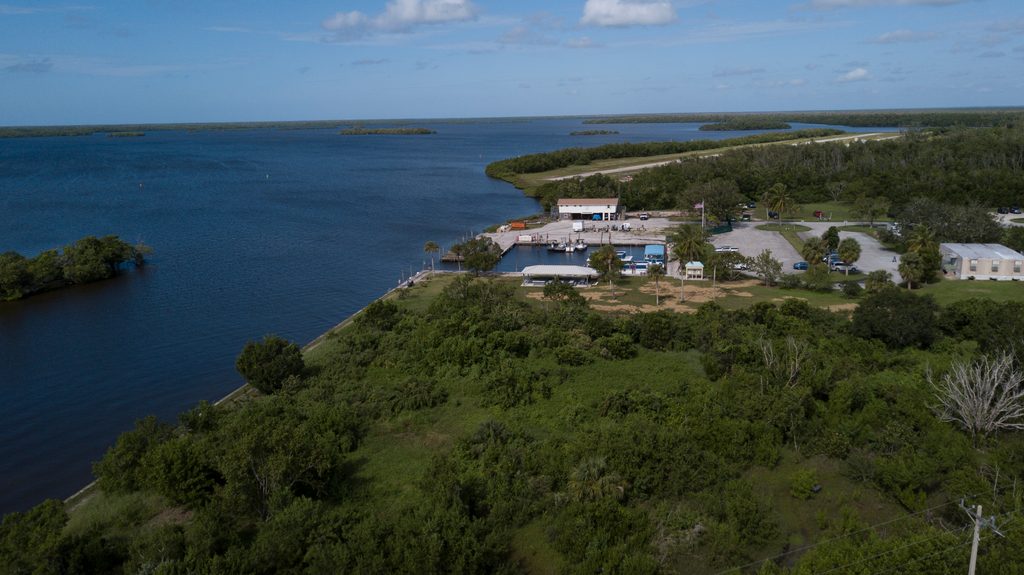
Place · 2 mi away
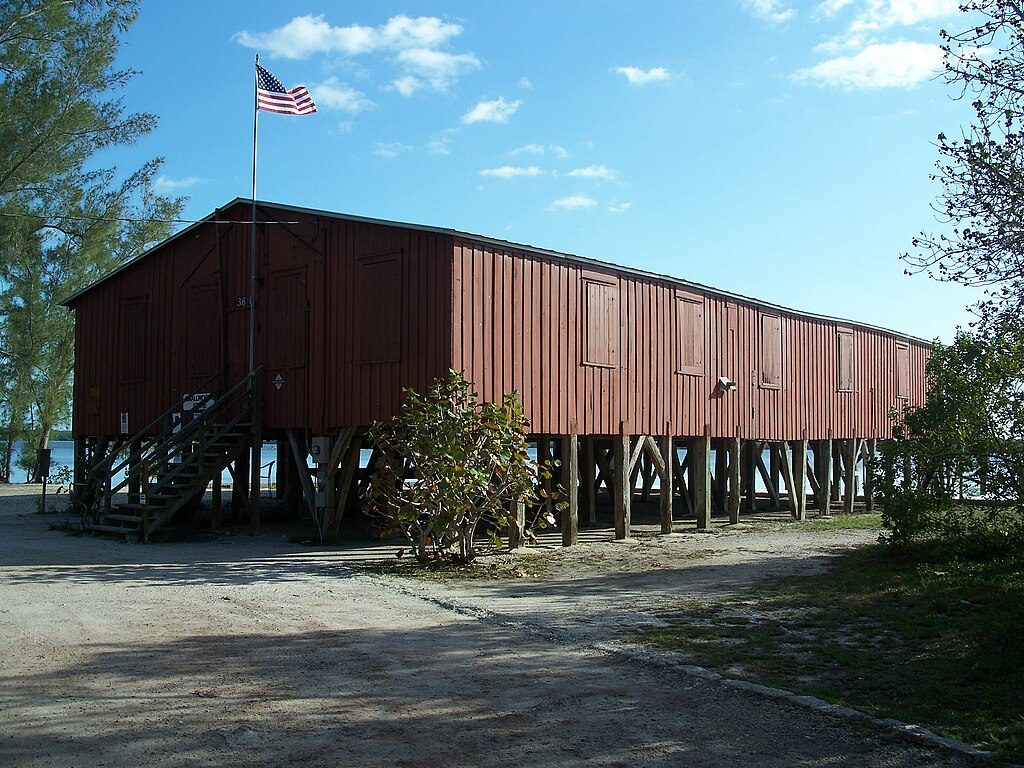
Place · 2.5 mi away
Place · 5 mi away
Easy · 0 mi away
Easy · 39.8 mi away
Easy · 39.8 mi away
Easy · 39.9 mi away

Parkwolf Tour Guide
