Overview
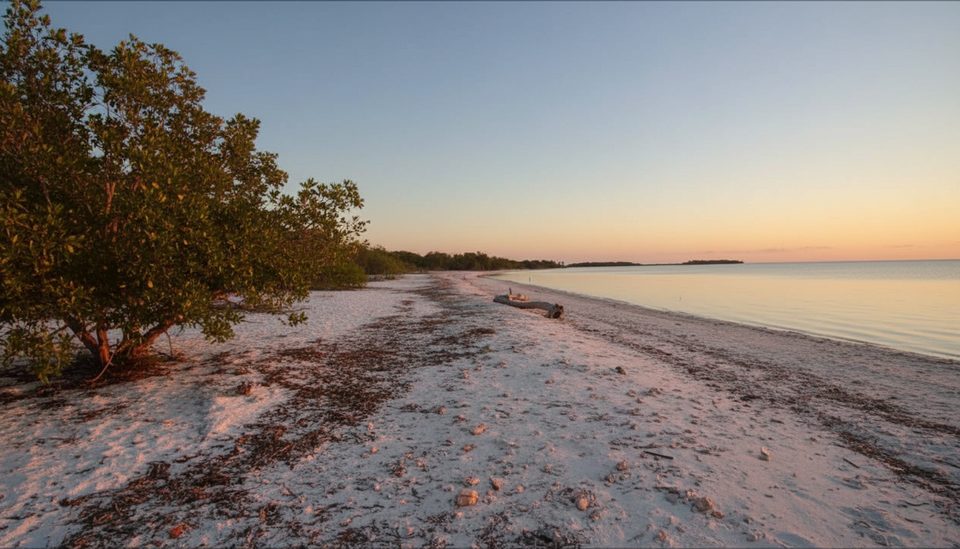
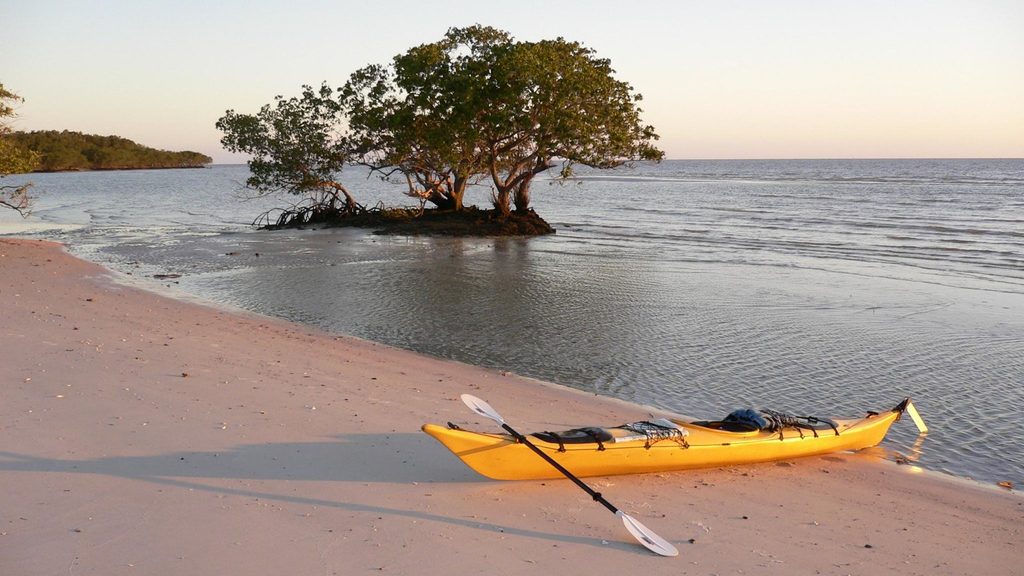
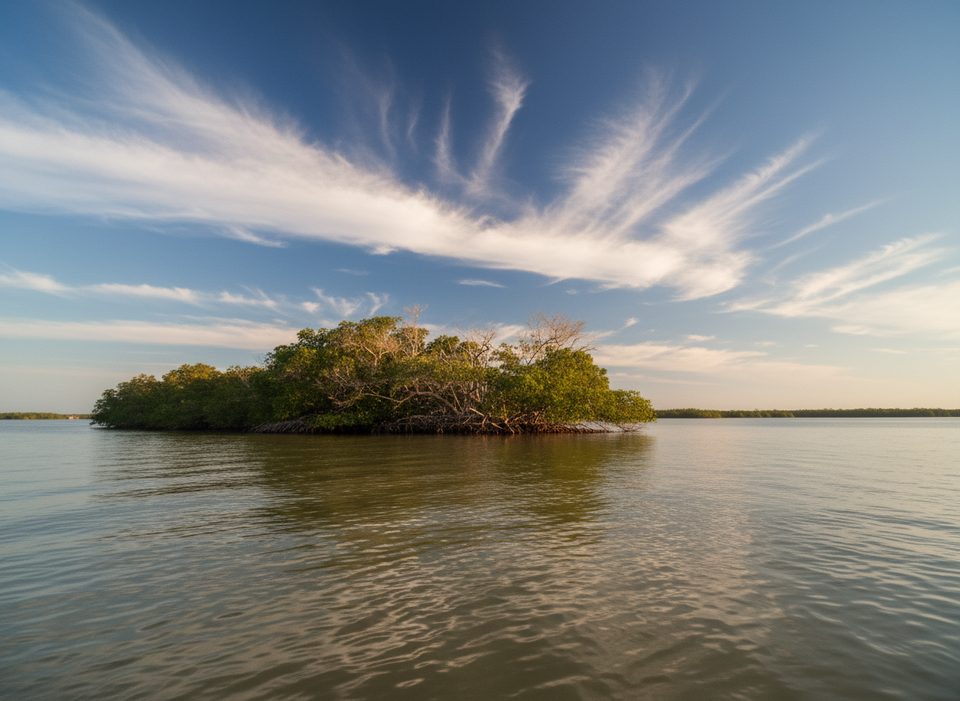
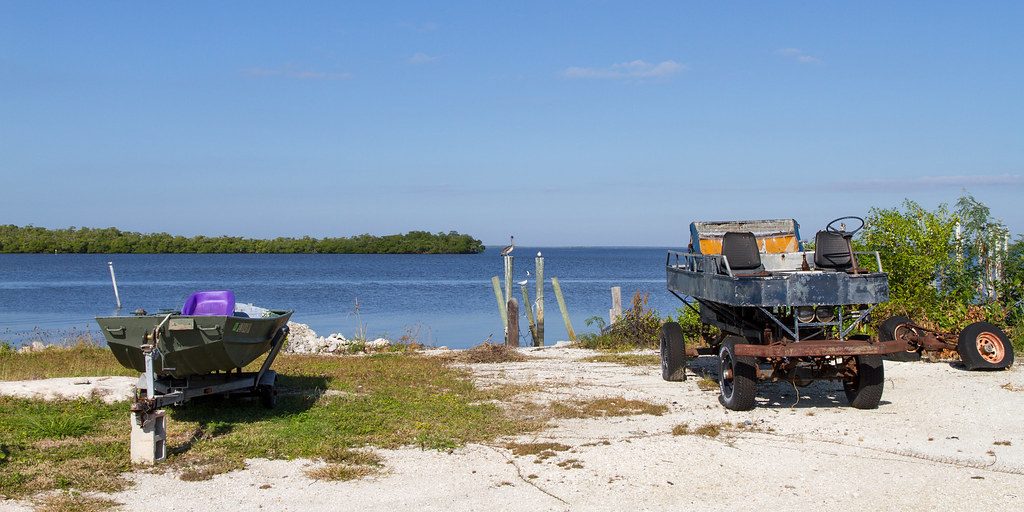
A classic Ten Thousand Islands experience: Tiger Key is a quiet, sandy barrier island used for primitive beach camping and paddling trips. Think wide-open Gulf views, mangrove edges, and starry nights with almost no light pollution.
Getting There
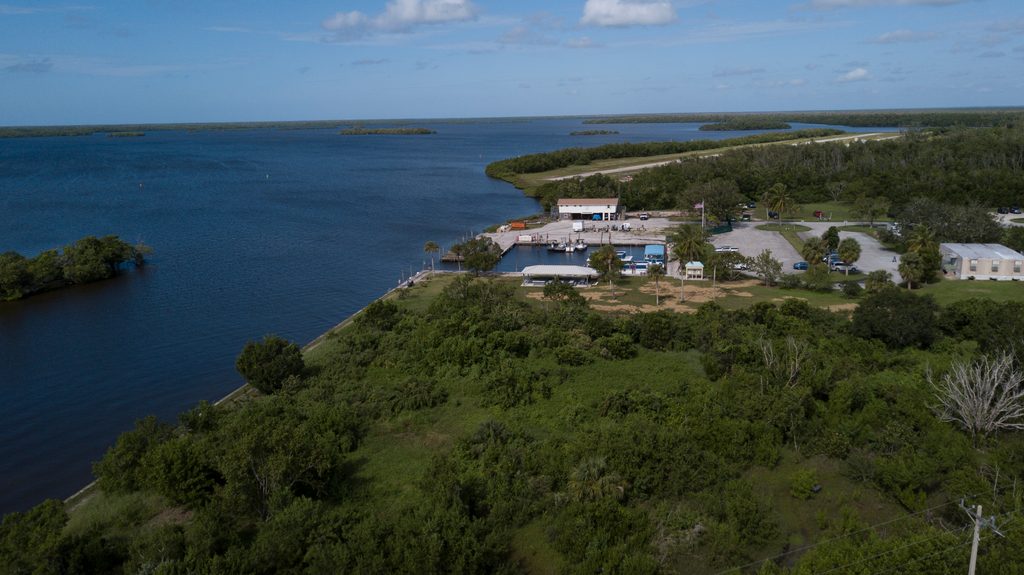
- Access is by water only—canoe, kayak, or small boat. Most paddlers launch from the Gulf Coast area in Everglades City; rentals are available locally.
- Deeper water is on the north side of the island; the rest is shallow with shifting sandbars, so plan your approach with tides in mind.
Camping & What to Expect
- Designated wilderness beach camping with no facilities. Bring all water and pack out all trash.
- The western shoreline is the favored spot to pitch a tent for breezes and privacy. Camp on sand above the storm surge line and away from vegetation.
- Small wood fires may be allowed using dead/downed wood below the storm line; keep them minimal and follow Leave No Trace.
- A wilderness camping permit is required for overnight stays.
- There is no toilet on Tiger Key; the nearest vault toilet is on Picnic Key about a mile away by water.
Scenery & Wildlife
- Expect white/pink-tinted sand, mangrove-fringed shoreline, and big-sky sunsets. On clear nights, the stargazing is excellent.
- Common wildlife sightings include dolphins, manatees, and sea turtles offshore, plus ospreys, pelicans, herons, egrets, and shorebirds. Raccoons may be present—secure food.
Conditions & Hazards
- Navigation is real: this is a maze of islands and tidal flats. Carry charts/GPS and watch the tides.
- Bugs are part of the deal—mosquitoes and no-see-ums can be fierce, especially in warmer, wetter months.
- Fog can roll in quickly and drastically reduce visibility.
- Shade is limited on the beach; bring sun protection.
Paddling Notes
- Tiger Key works as a serene overnight or a waypoint on multi-day routes linking nearby Indian Key and Picnic Key. The approach often mixes open bays with mangrove channels.
Best Time to Visit
- Winter through spring is the sweet spot: milder weather, fewer insects, and generally calmer camping conditions.
- Sunsets are prime; expect the best light late afternoon into dusk.
- Year-round access is possible, but summer brings heavier bugs and more challenging heat.