Overview
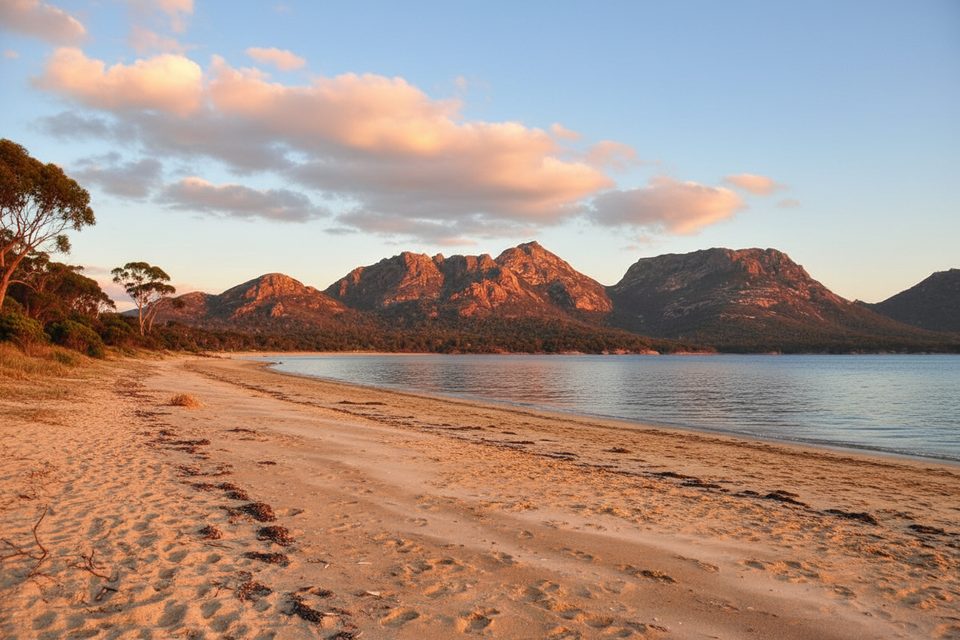
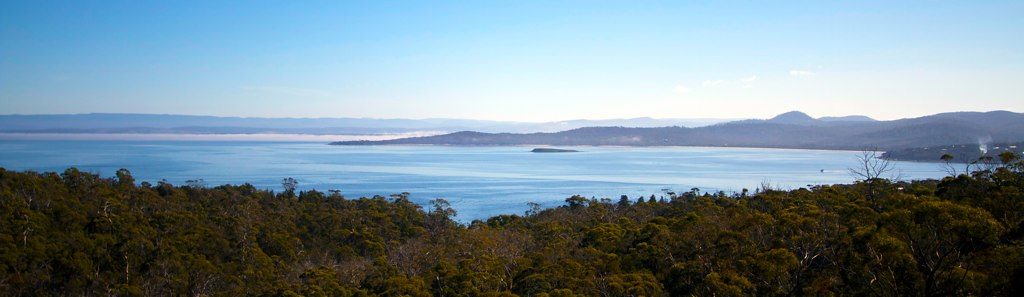
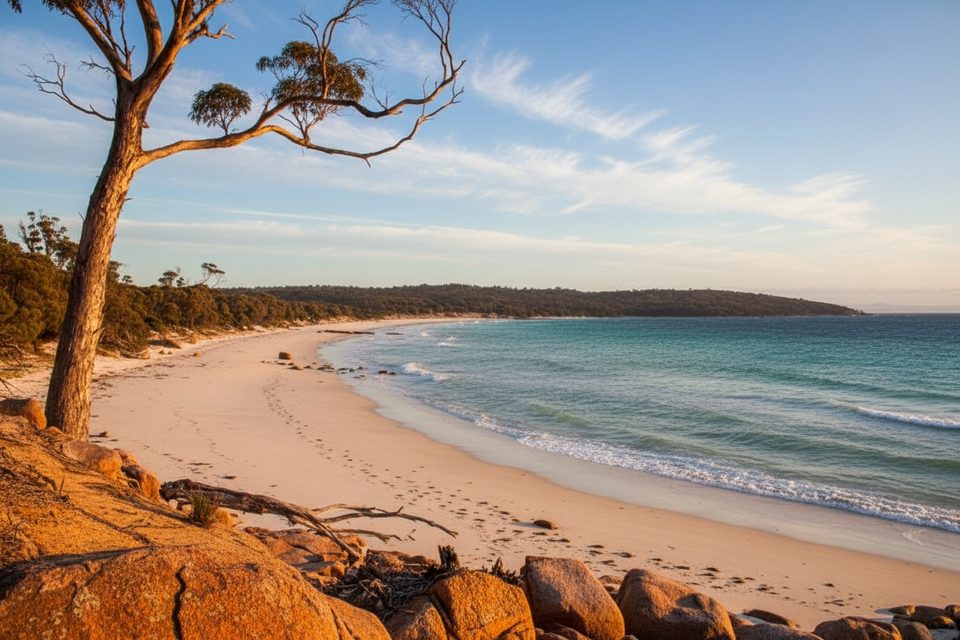
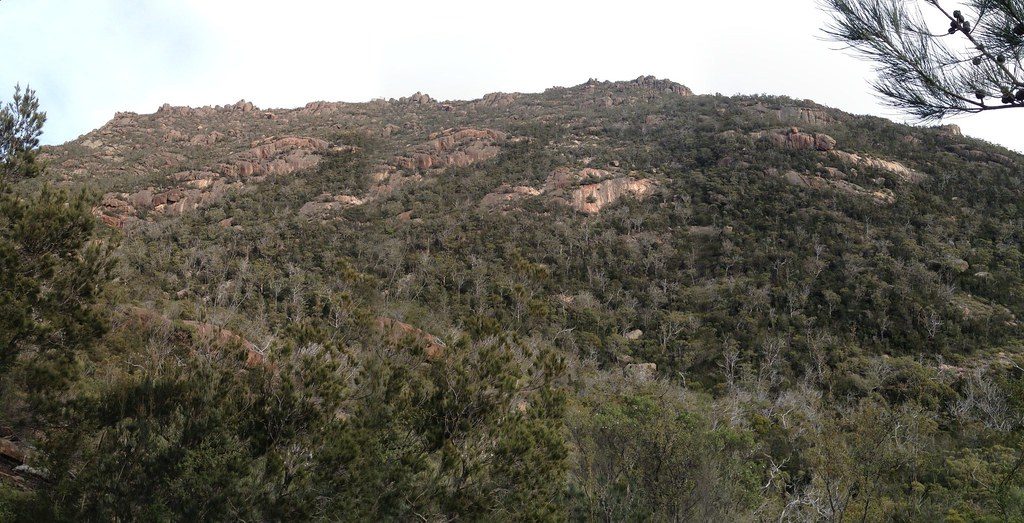
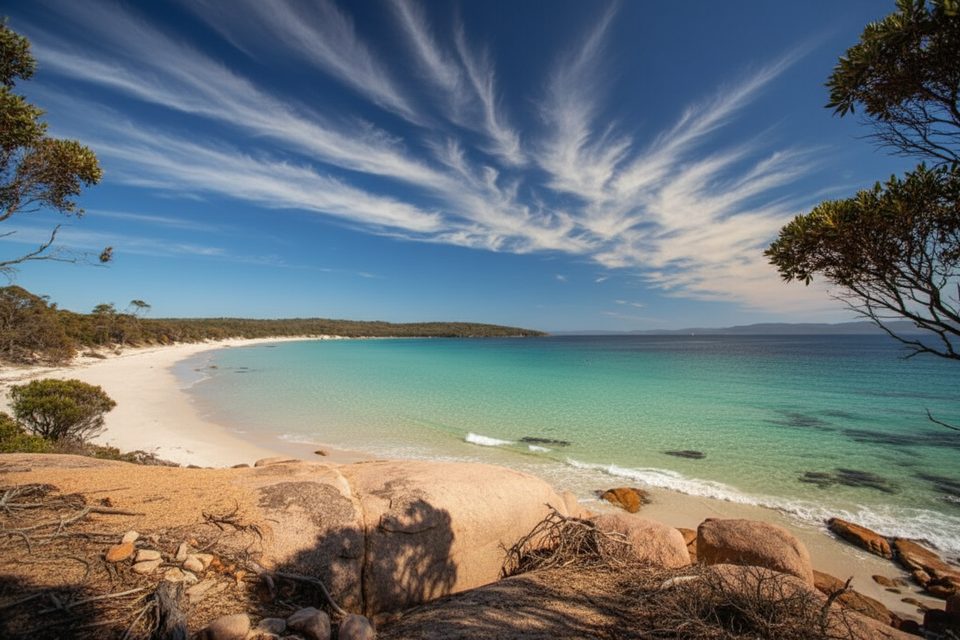
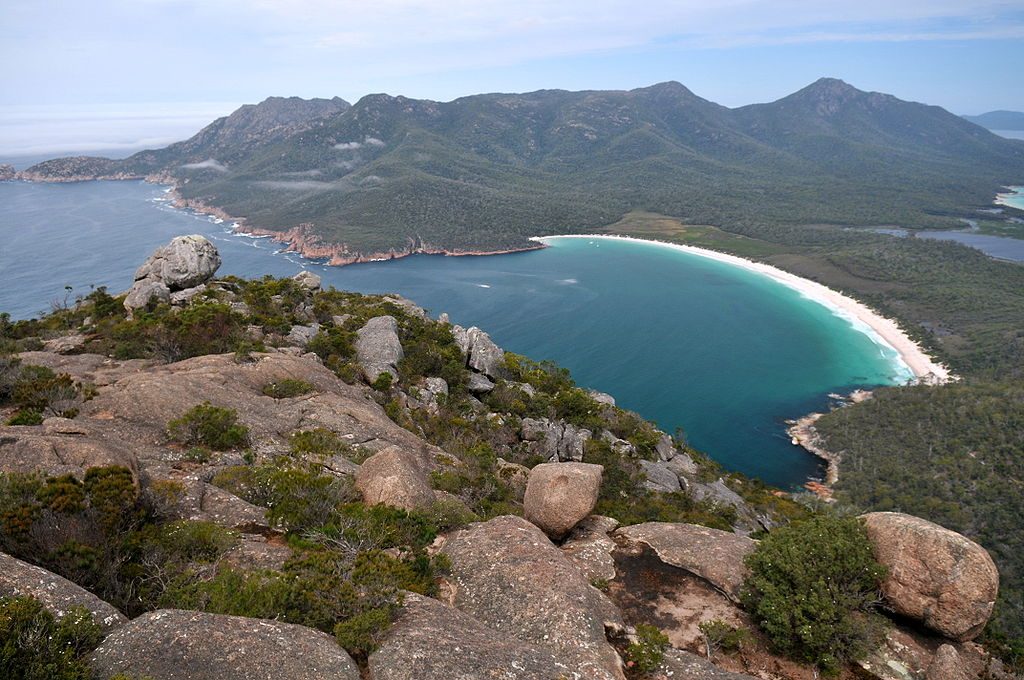
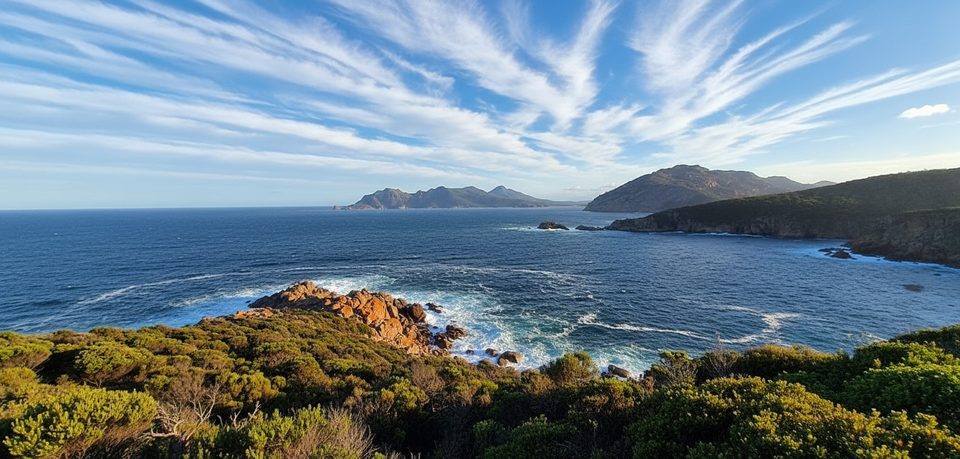
Coles Bay is the low‑key gateway on the edge of the peninsula, framed by the pink‑granite peaks of The Hazards. It’s the natural base for exploring—think sea‑kayaking along granite shores or cruising to Wineglass Bay—without feeling like a resort circus.
Why come here
- It’s the departure point for coastal experiences: guided sea‑kayak outings and catamaran cruises that round the peninsula into Wineglass Bay.
- The foreshore dishes up relaxed, photogenic views of The Hazards, especially toward day’s end.
What you can do from Coles Bay
- Join a sea‑kayaking tour to slip into secluded coves and watch for wildlife such as sea eagles, little penguins, dolphins, or seals.
- Hop on a coastal cruise from the bay, with routes that often reach Wineglass Bay for a spectacular lunch stop.
- Use it as your staging point for the park’s headline walks (Wineglass Bay Lookout, longer beach circuits, and the steeper Mount Amos scramble).
Facilities and basics
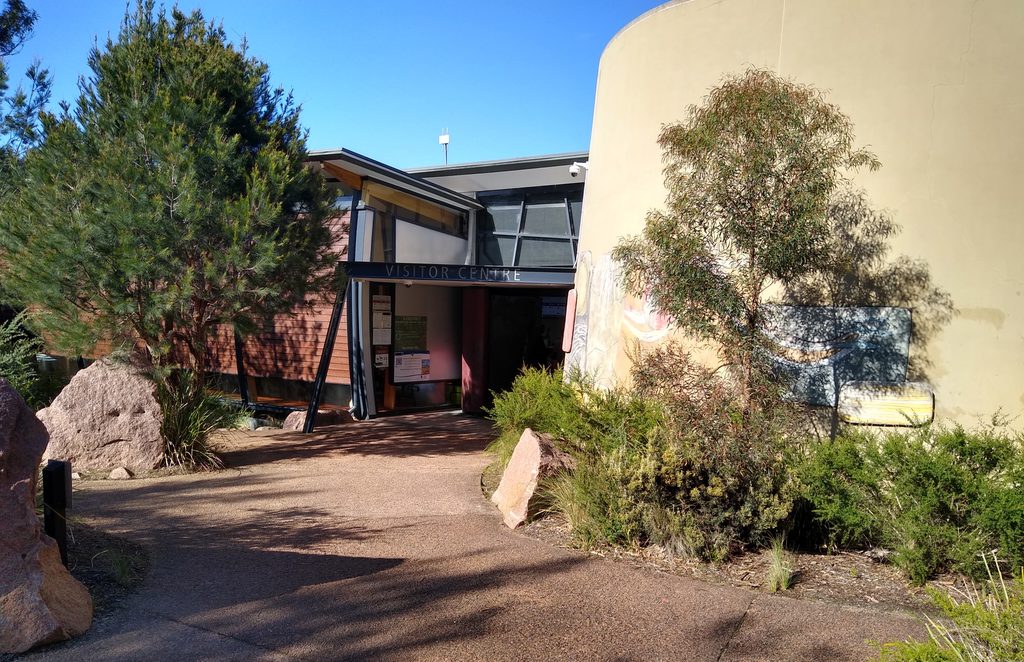
- The Freycinet Visitor Centre near the park entrance sells park passes and provides up‑to‑date info and a small retail selection of outdoor essentials.
- Water is scarce in the park: refill at the visitor centre’s filtered/chilled station; additional taps are at Honeymoon Bay and the Wineglass Bay Walking Tracks Car Park.
- Toilets are available at Honeymoon Bay, Ranger Creek, and the Walking Tracks Car Park. Honeymoon Bay and Ranger Creek also have electric barbecues and picnic tables.
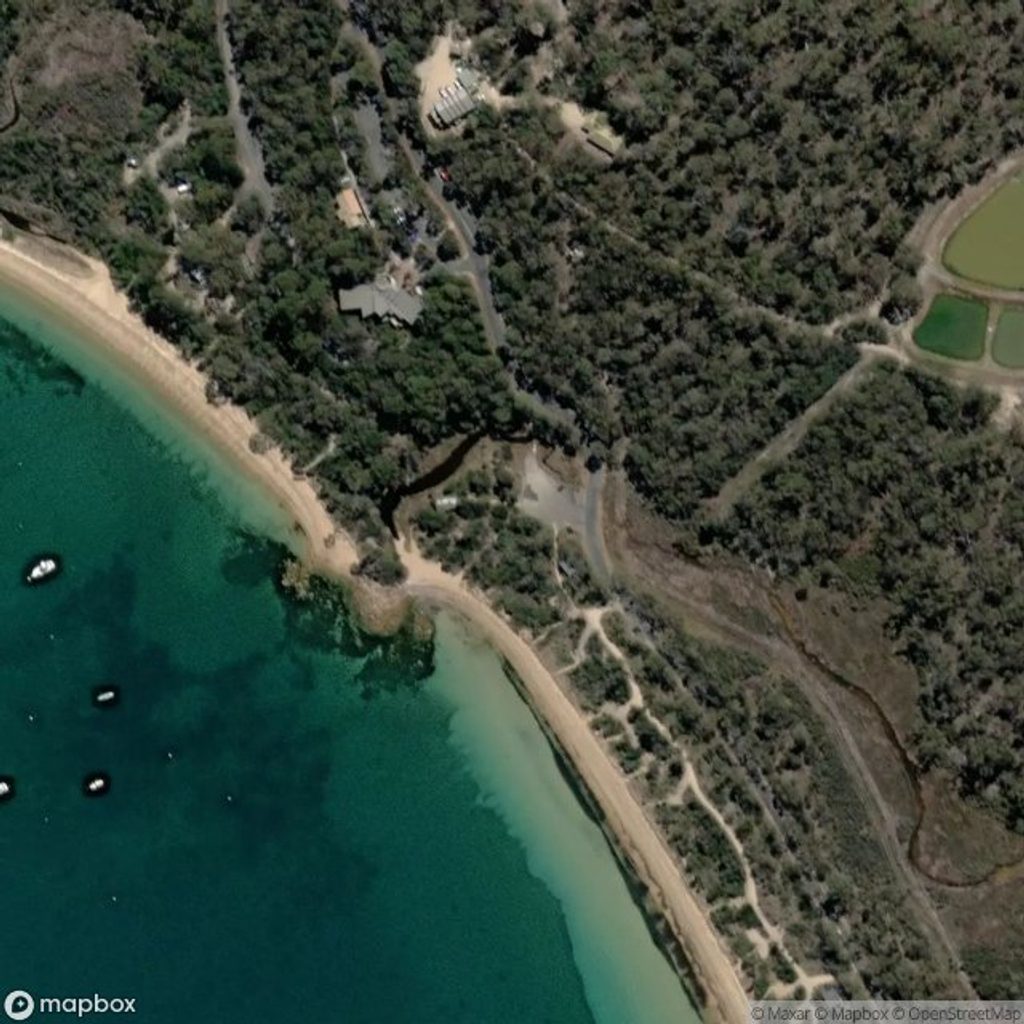
- Camping options nearby include Richardsons Beach (by the visitor centre), Honeymoon Bay, Ranger Creek, and the low‑key sites at Friendly Beaches (Isaacs Point).
- House rules worth knowing: a parks pass is required; take out all rubbish; drones aren’t permitted in Tasmanian national parks.
Wildlife
Out on the water and along the coast you might spot dolphins, seals, seasonal whales, white‑bellied sea‑eagles, and even little penguins in the broader area. Give wildlife plenty of space, especially around nesting seabirds.
Best time to visit
- Summer (Dec–Feb): warm and dry with peak crowds—book activities and arrive early for popular walks.
- Autumn (Mar–May): milder temps and fewer people—great for hiking and scenic cruising.
- Winter (Jun–Aug): cool and quiet—good for photography and wildlife spotting.
- Spring (Sep–Nov): wildflowers, rising temps, and clear views.
For photography, late afternoon into sunset flatters The Hazards from the Coles Bay foreshore. Visitor Centre hours vary by season but it’s open daily.
Getting there
Freycinet sits roughly 2.5 hours (about 195 km) from Hobart and around 2 hours (about 175 km) from Launceston, making Coles Bay an easy base once you arrive.
Smart tips
- Weather on the coast changes quickly—check the forecast, carry layers, sun protection, and enough water.
- Book guided kayak tours and cruises in advance, especially in summer.
- Refill water at the visitor centre or taps at Honeymoon Bay and the Walking Tracks Car Park.
- Pick up your parks pass at the visitor centre before heading to trailheads.