
Place · 4 mi away
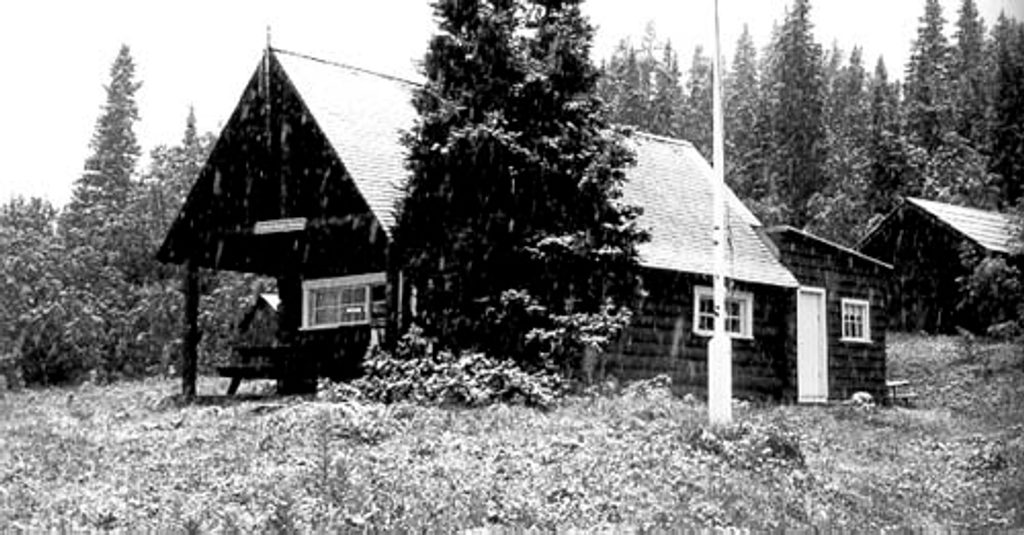
Tucked in the quiet Cut Bank Creek valley, the Cut Bank Ranger Station Historic District is one of Glacier’s earliest National Park Service outposts. It’s a low-key, rewarding stop if you’re into park history, rustic architecture, and places that still feel off the radar.
Built in 1917, the station predates the standardized Park Service Rustic style and leans into the Swiss chalet aesthetic that defined early Glacier architecture. In 1935, Civilian Conservation Corps crews added a barn and woodshed, rounding out a compact historic compound that tells the story of early ranger life.
This was among the park’s first purpose-built facilities. Rangers here once patrolled huge, roadless country, handling everything from fire to poaching to winter snowshoe routes. The station was staffed year-round until the late 1930s, then shifted to seasonal operations. It’s a snapshot of the era when Glacier was just figuring out how to manage a vast, wild landscape.
Expect a tranquil, scenic setting of meadows and forest along Cut Bank Creek, far quieter than the park’s busier east-side hubs. The buildings themselves are simple and sturdy—pioneer-like in construction—with that chalet influence visible in the lines and detailing. It’s more a historic landmark than a facility with services, so plan accordingly.
Creek-and-meadow habitat nearby can be productive for wildlife typical of Glacier’s east side. Your odds go up at dawn and dusk thanks to the area’s solitude—move slowly, scan edges of meadow and timber, and keep your distance.
Access is via a graded/dirt road off the east side, which helps keep traffic low. Drive slowly; conditions can vary with weather.
If you like Glacier’s human history and a peaceful setting, this is an underrated stop. Don’t expect exhibits or staffed services—come for the architecture, the story it tells, and the quiet valley around it.
Place · 4 mi away
Place · 5.2 mi away
Place · 5.8 mi away
Place · 6.8 mi away
Moderate · 0.4 mi away
Challenging · 7.2 mi away
Easy · 7.7 mi away
Challenging · 7.9 mi away

Parkwolf Tour Guide
