Parking
Start at the Logan Pass Visitor Center parking area and follow the trail behind the center. Going-to-the-Sun Road access, parking and shuttle arrangements vary by season; check current park access details before you go.
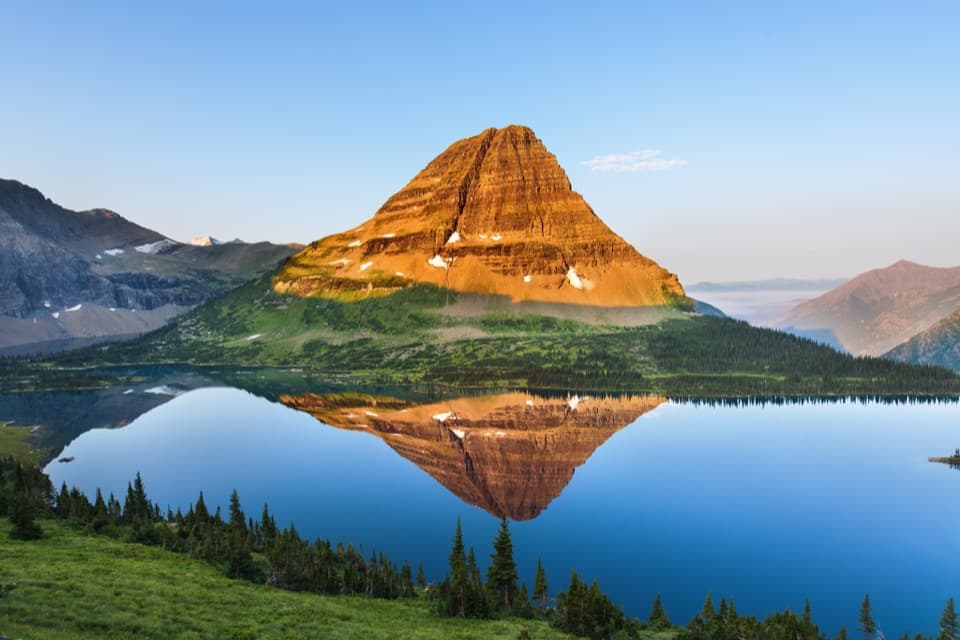
#11 of 157 trails in Glacier
Glacier National Park, MT
Go past the overlook only if you’re ready for a steep return.
Overview
Map & elevation
Plan your hike
The highest, rockiest slopes around here are a summer buffet for grizzly bears.
Glacier Tour Guide
Parkwolf is a GPS audio tour guide for Glacier National Park. As you drive, it chimes in with what’s ahead: hidden gems, upcoming stops, history, geology, and wildlife, right through your car’s speakers.
See the Glacier audio tourRecorded for this trailhead
Logan Pass and Hidden Lake“You’re approaching Logan Pass, the highest point on Going-to-the-Sun Road. Stop for the alpine meadows and mountain views even if you’re not planning a long hike.”
Plays as you drive up to this trailhead in the Parkwolf Glacier Tour Guide.
More stories near here in the app
“Our first time to glacier and we used the audio portion for Going to the Sun Road. Wonderful information with perfect advice of what to see and do along the road.”


Trail guide
Hidden Lake Trail is a high-alpine out-and-back from Logan Pass Visitor Center to Hidden Lake’s shore. The full route is about 5.4 miles round-trip; the mapped trail runs 2.7 miles to the lake, then returns the same way. Allow three to four hours. The shorter classic walk turns around at Hidden Lake Overlook after about 1.3 miles each way, for roughly 2.6 to 2.8 miles total. That overlook is a satisfying destination on its own. The lake extension adds a steep descent and a steep climb back, so choose it for the longer lakeshore walk rather than treating it as a small extra.
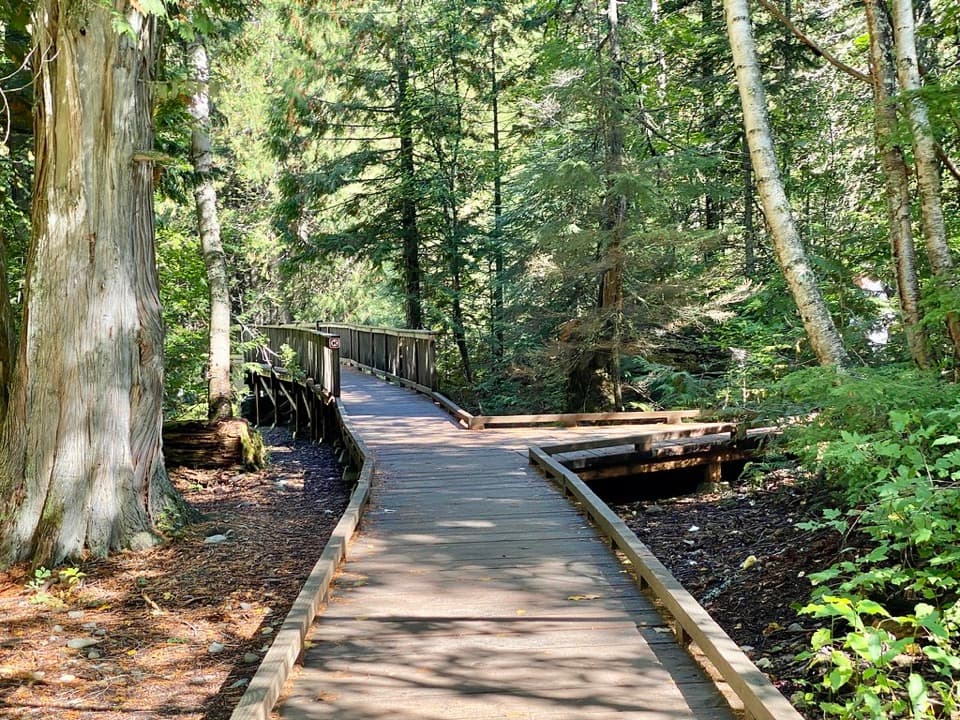
The trail starts behind Logan Pass Visitor Center. A short paved stretch gives way to a boardwalk and stairs climbing through open alpine meadow toward the moraine below Clements Mountain. This is the main uphill approach: you gain height steadily, with rugged peaks and the flower-filled basin opening around you. The boardwalk keeps the route clear across sensitive high-country ground; stay on it instead of cutting across the meadow. At the moraine, the surface changes from boardwalk to dirt.
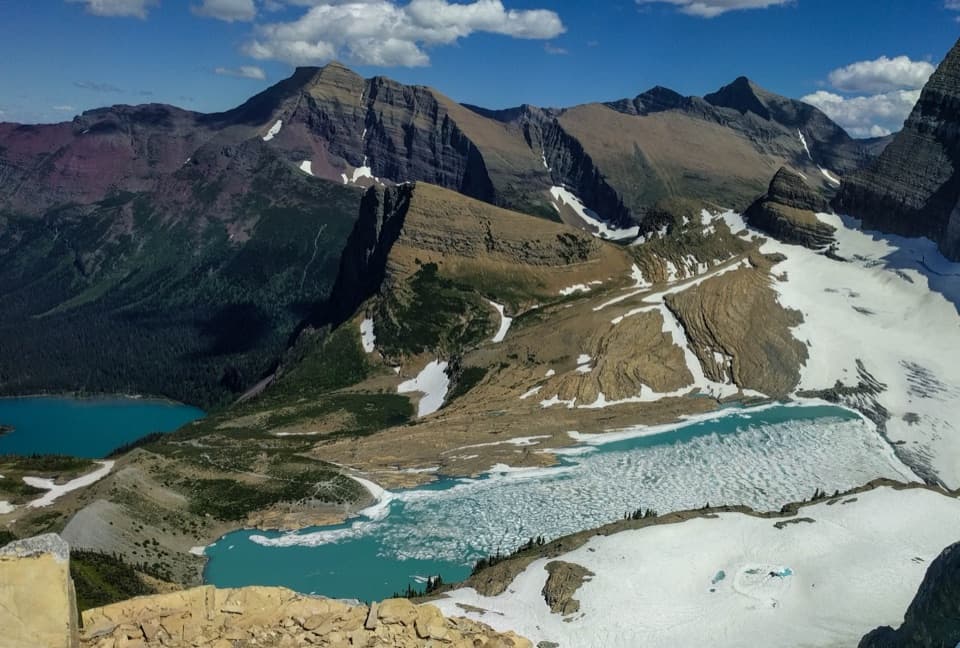
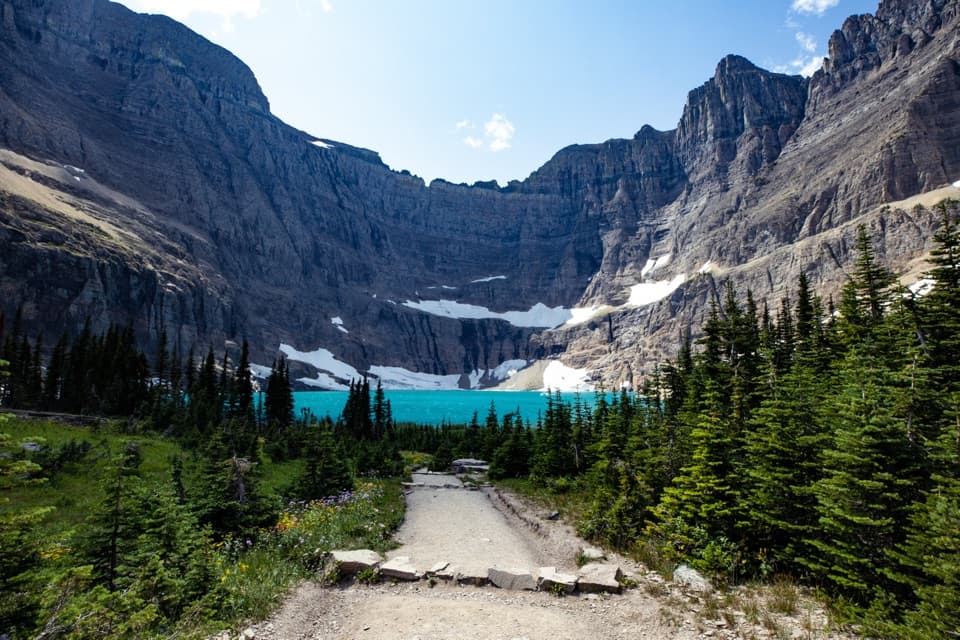
The dirt path crosses Hidden Pass before reaching the overlook and its interpretive sign. Mountain goats are often seen in this area, though wildlife sightings are never guaranteed. From the overlook the view drops to Hidden Lake, with the Sperry Glacier basin visible beyond the far end. This is the natural decision point: turn back here for the shorter version, or continue down if you are prepared for the more demanding lake route. Take a moment to look back across the meadow and the glacial landforms you have crossed; the route’s changes in height are what make the lake appear so suddenly below.
Past the overlook, the trail descends about 1.2 miles to the lake. This section is described as extremely steep, and the return is the same climb in reverse before you reach the overlook again. The full outing is therefore more strenuous than the boardwalk approach suggests. If steep descents feel uncomfortable, or your group has enough after the views, turn around at the overlook; you still get the lake panorama without committing to the long drop and climb. The full route is an out-and-back, not a loop.
The broad ridge near Clements Mountain is a moraine left by a glacier that once occupied the mountain’s base. The trail crosses that glacial terrain before opening toward Hidden Lake and the surrounding peaks. The view toward Sperry Glacier is a reminder that ice still marks this landscape, while the old moraine shows where it used to reach. Alpine flowers can continue into September and tend to peak in August; snow may linger well into July, with timing shifting from year to year.
Begin behind Logan Pass Visitor Center, reached by Going-to-the-Sun Road. Road access, parking and shuttle arrangements at Logan Pass vary by season, so check current park access and trail conditions before setting out. High-elevation snow and trail conditions can change; do not assume the boardwalk or steep lake leg is clear early in the season. Pets are not permitted on park trails or undeveloped lake shores. Carry water and a snack for the route; food and drinking-water service along the trail could not be confirmed.
Wildlife
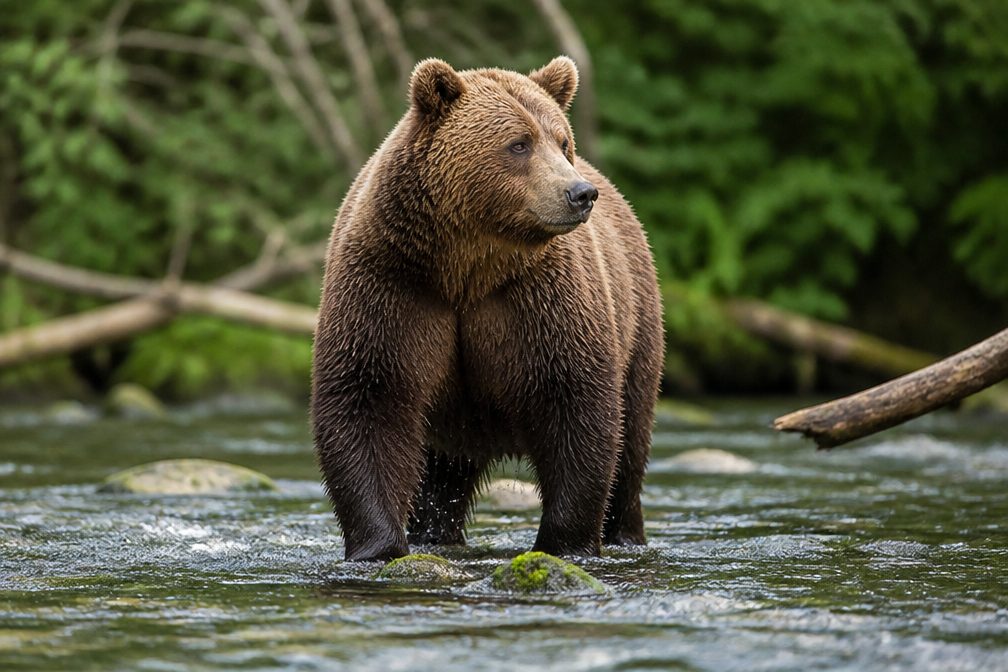 404 sightingsGrizzly BearMost seen around 6 AMSighting map
 11 sightingsWolverineMost seen around 8 PMSighting map
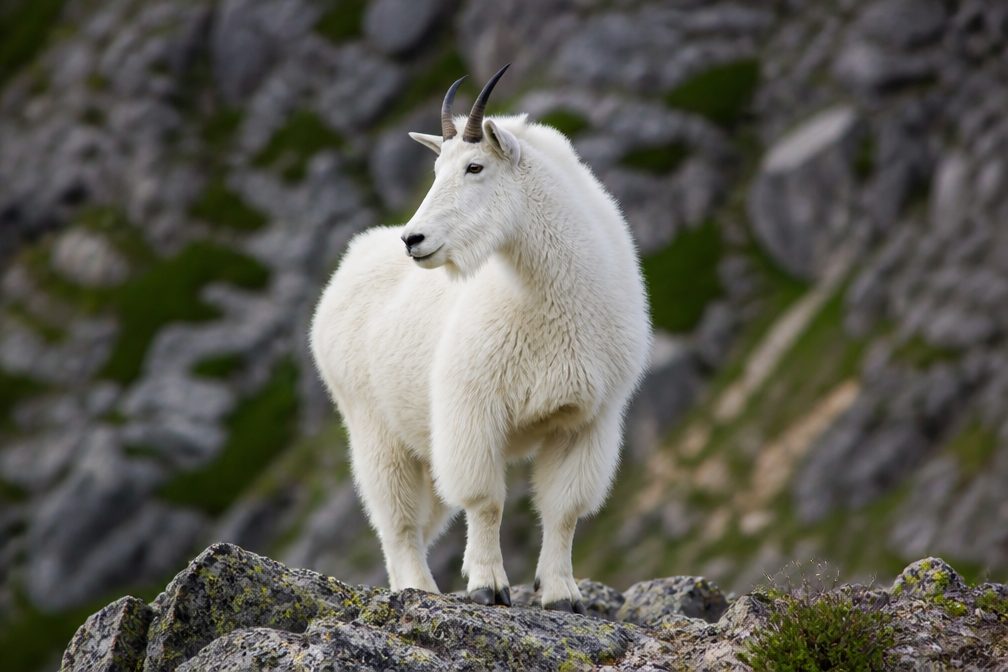 1,173 sightingsMountain GoatMost seen around 6 AMSighting map
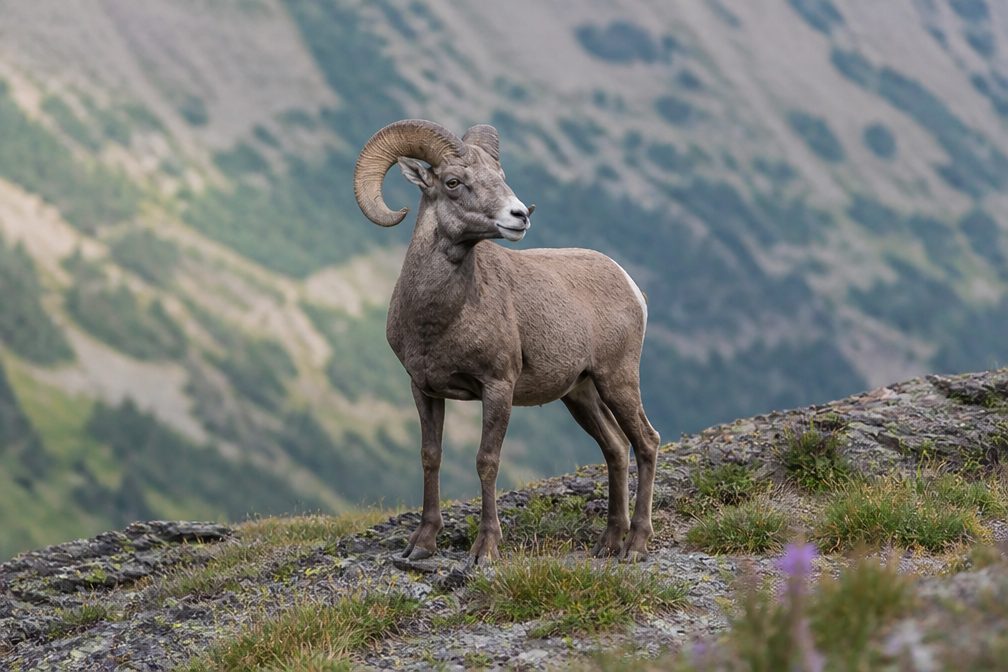 1,000 sightingsBighorn SheepMost seen around 6 AMSighting map
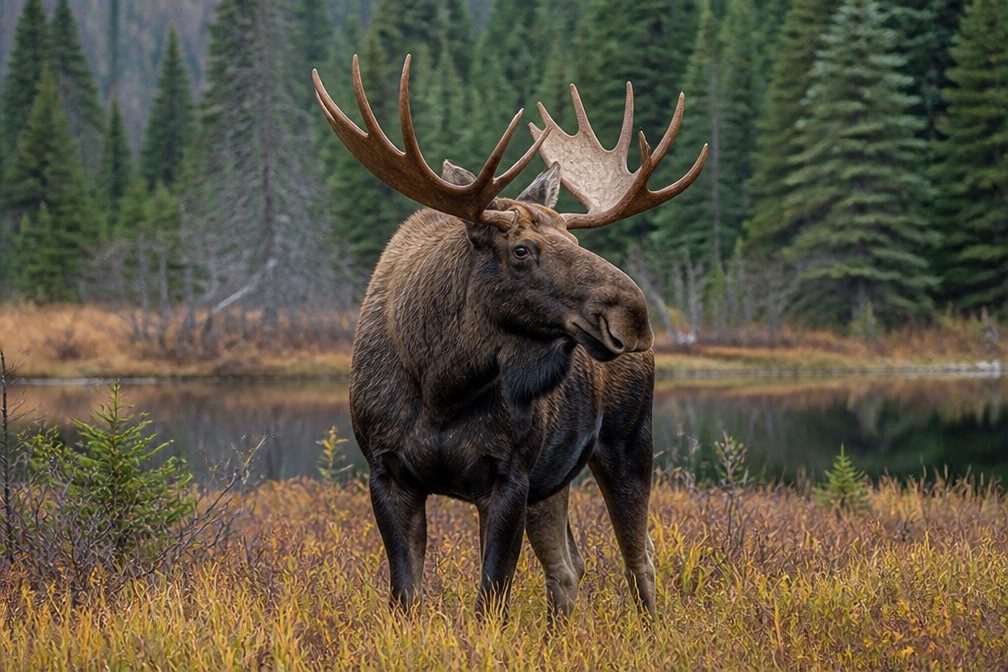 395 sightingsMooseMost seen around 6 AMSighting map
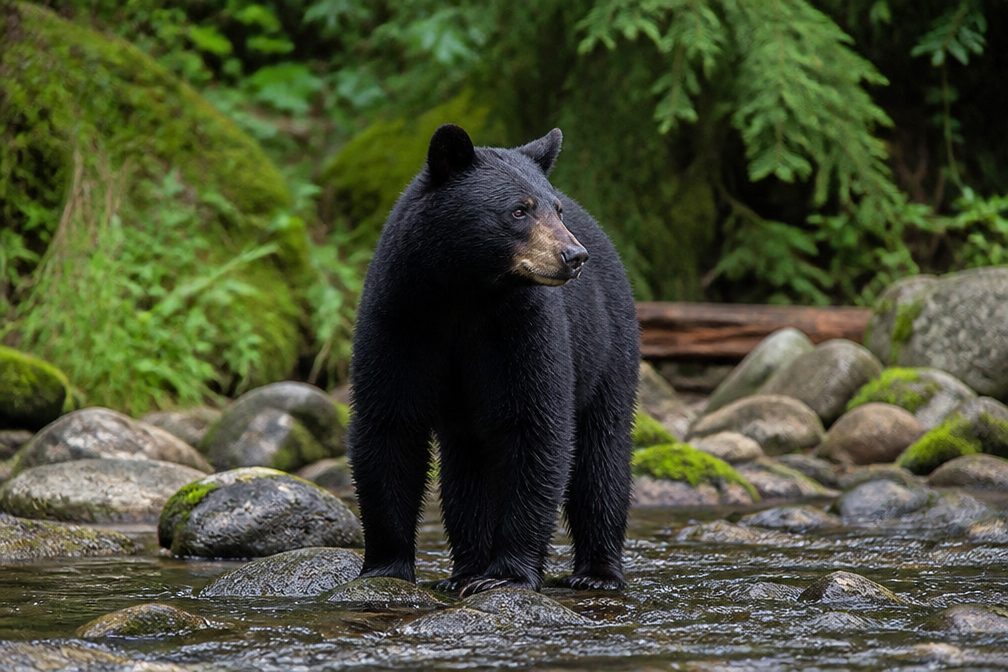 506 sightingsBlack BearMost seen around 8 PMSighting map
Sighting maps show where each species has been reported across Glacier. Wildlife moves, so no sighting is guaranteed.
Keep exploring
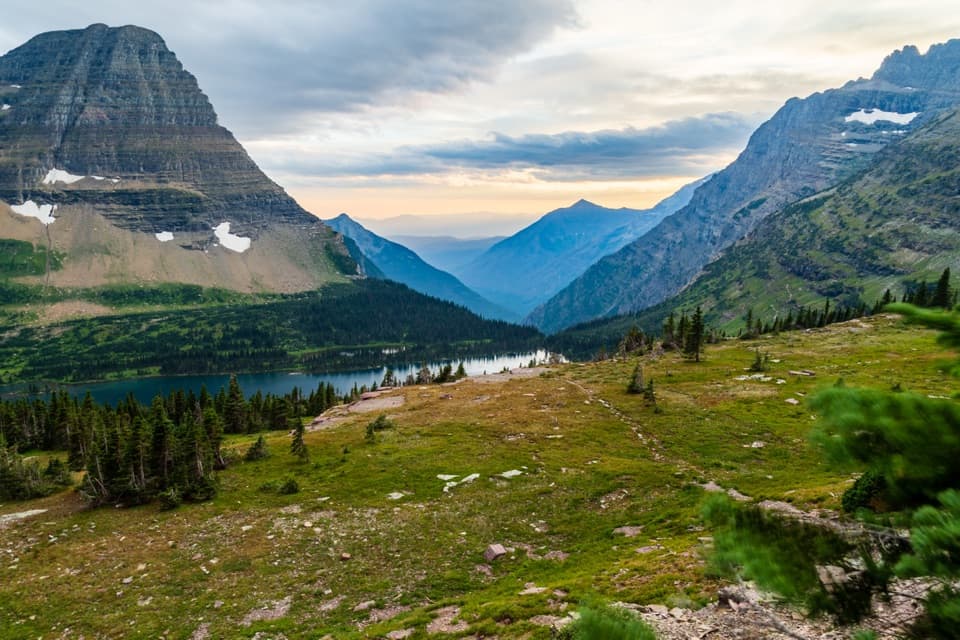 ModerateHidden Lake Overlook Trail2.6 mi · 2.5 hr · At the trailheadBoardwalk and switchbacks open onto a lake beneath Bearhat Mountain.
 ChallengingHighline Trail to Grinnell Glacier Overlook15.1 mi · 9 hr · 0.1 mi awayA long, exposed traverse earns a knockout view over the glacier basin.
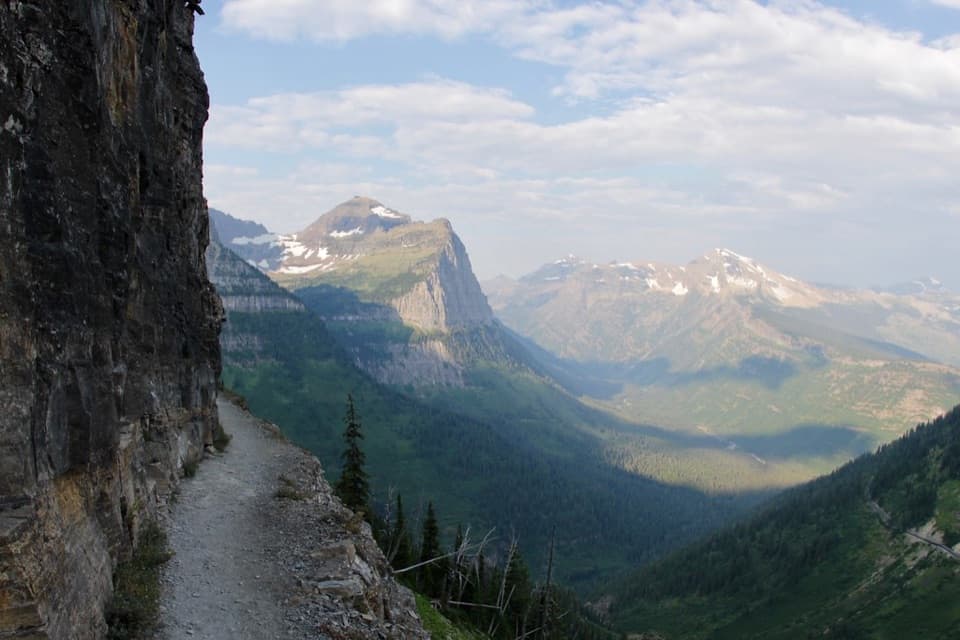 ChallengingHighline Trail11.8 mi · 8 hr · 0.1 mi awayA Garden Wall ledge walk with a long, steep finish.
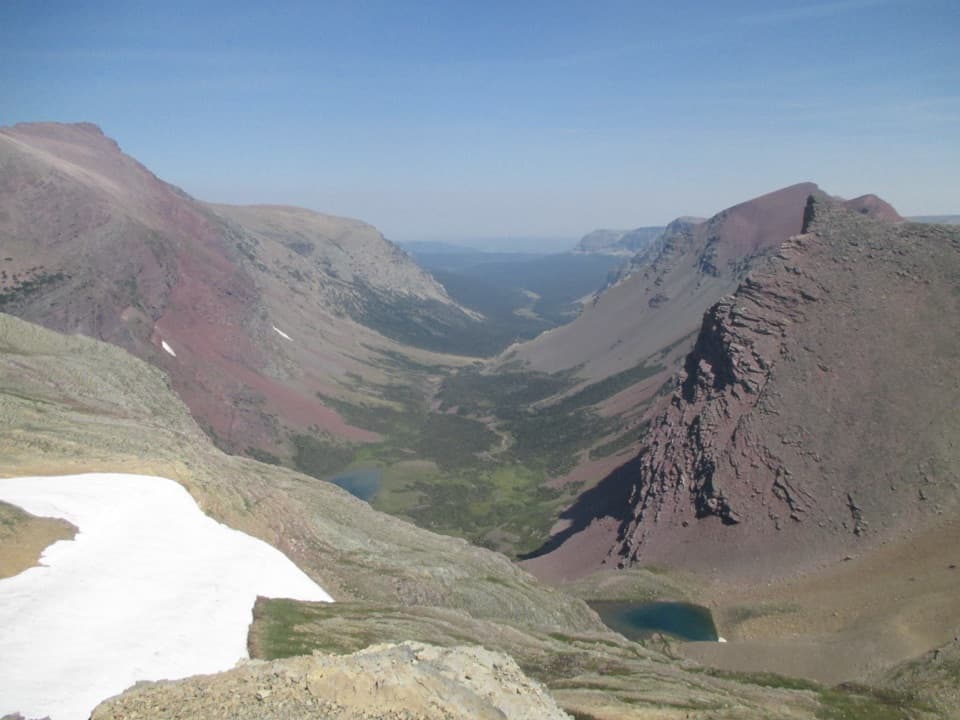 ChallengingSiyeh Pass Trail10 mi · 7 hr · 2.3 mi awayA steep pass crossing rewarded with Sexton Glacier and Baring Creek.
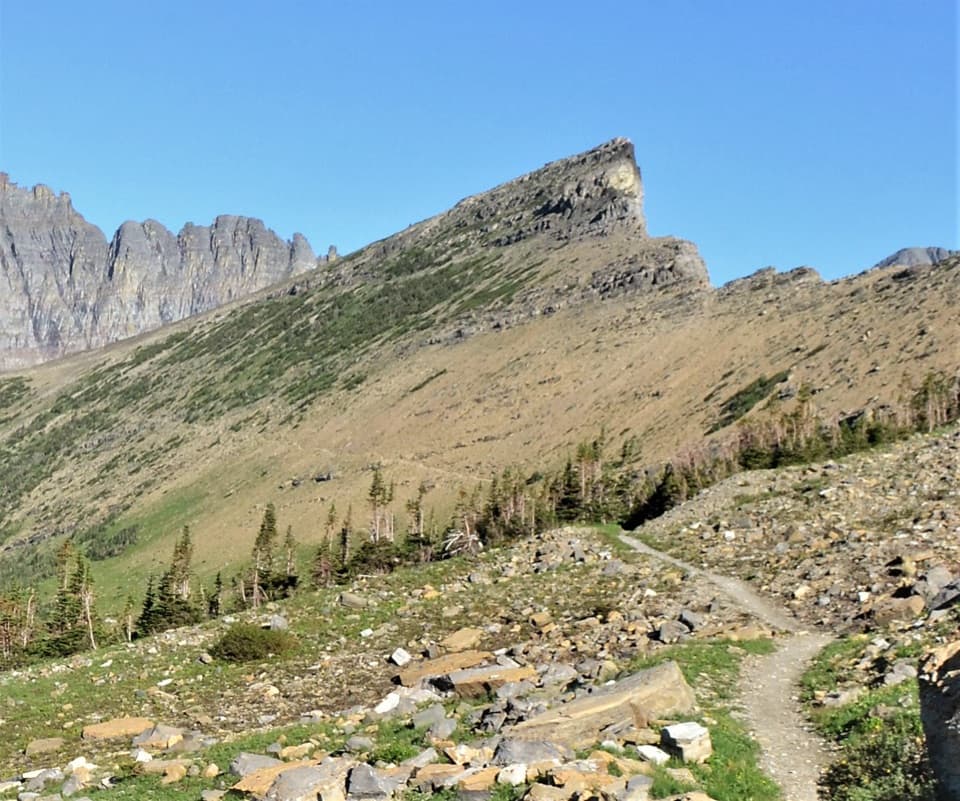 ChallengingPiegan Pass Trail9 mi · 6 hr · 2.3 mi awayA high saddle, glacier views, and a vanished railway bell.
 ChallengingFlorence Falls Trail9.8 mi · 4.5 hr · 3.2 mi awayA long out-and-back to Florence Falls through creek and pond country
 ChallengingGunsight Pass Trail to Lake McDonald Lodge19.5 mi · 14 hr · 3.3 mi awayA demanding east-to-west traverse over two high alpine passes.
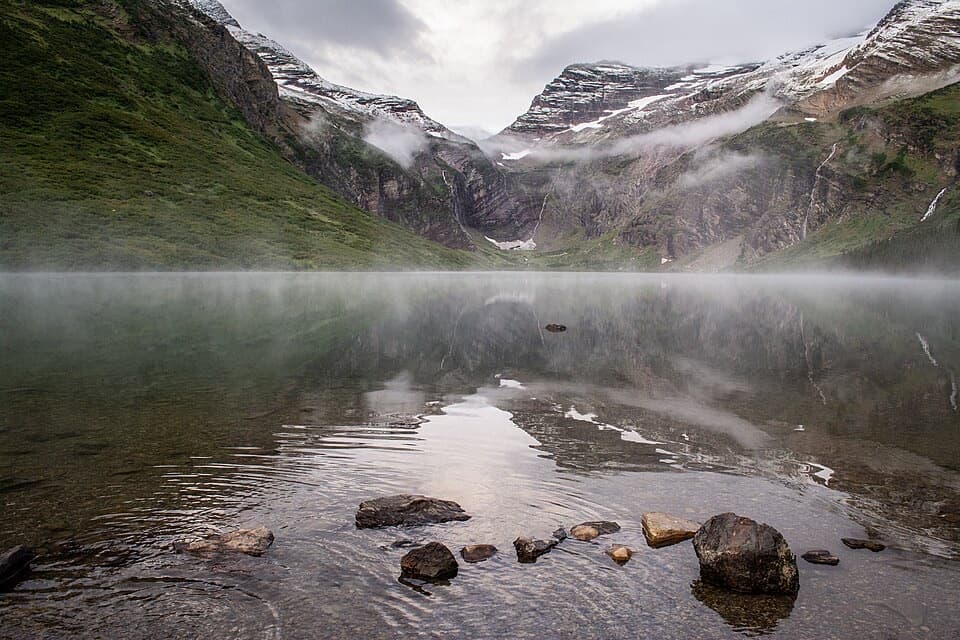 ChallengingGunsight Lake Trail12.9 mi · 8.5 hr · 3.3 mi awayA long valley walk to Gunsight Lake’s rocky shore
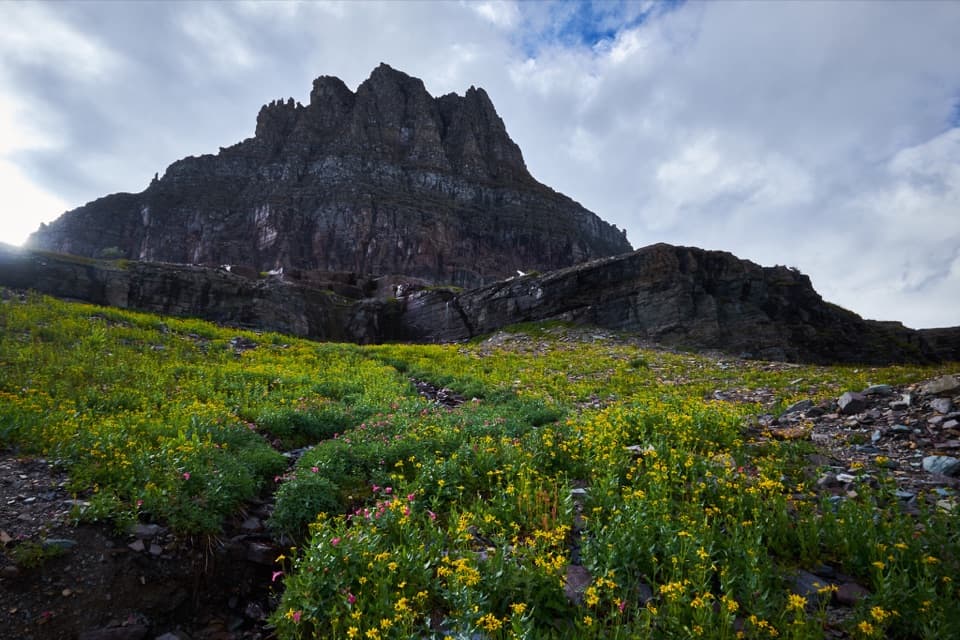 Sight · 0.1 mi awayLogan PassThe high point of the road is also a great trailhead.
 Sight · 0.4 mi awayOberlin BendThe last bend before Logan Pass opens onto a sweeping valley view.
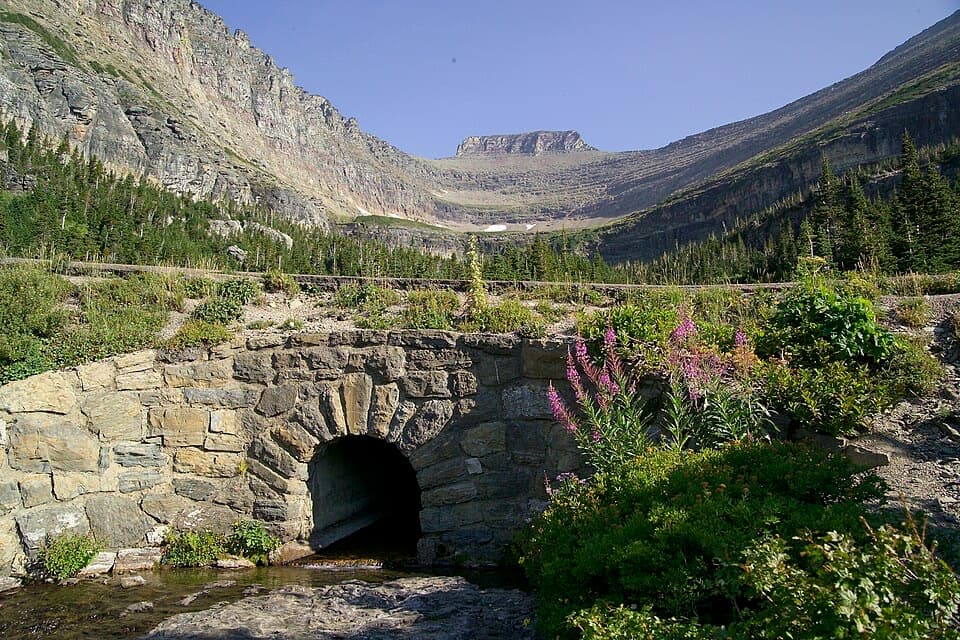 Sight · 0.7 mi awayLunch CreekA rock-step cascade beneath Pollock Mountain, framed by a stone bridge.
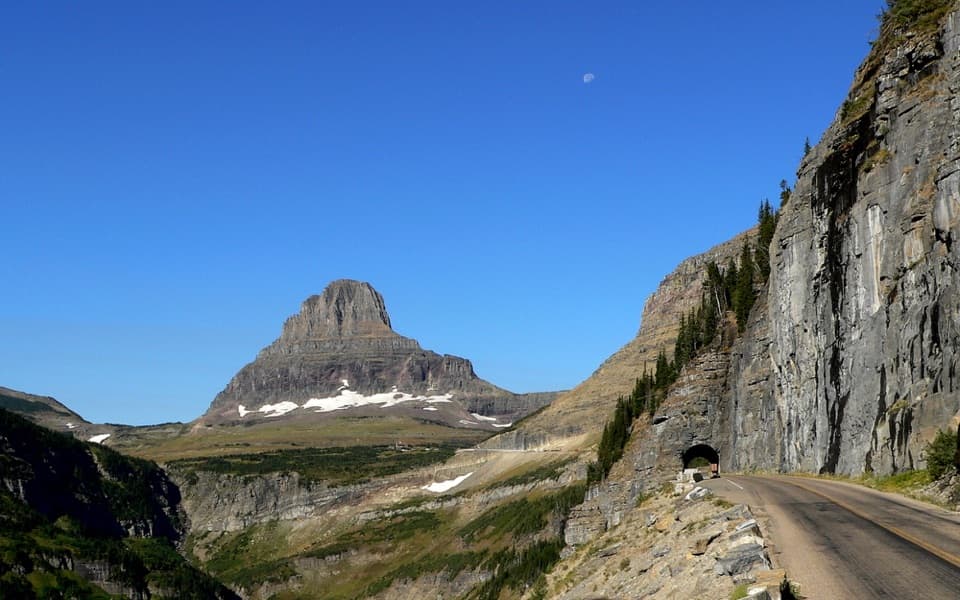 Sight · 1 mi awayEast TunnelA 408-foot cut through Piegan Mountain, right on the road.
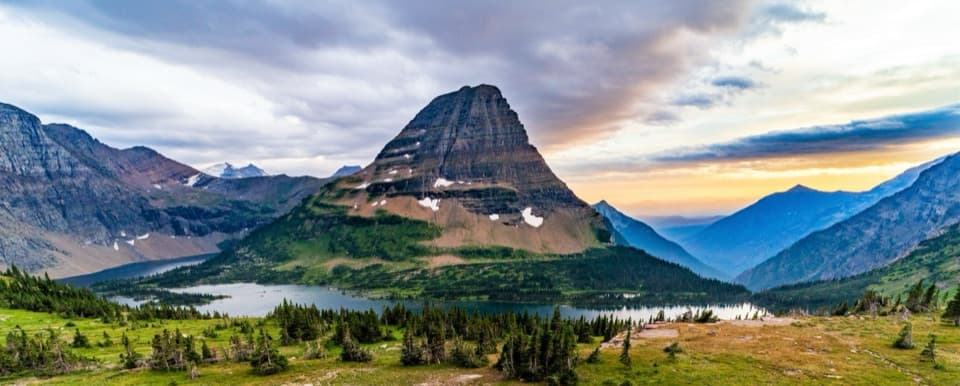 Sight · 1.2 mi awayHidden Lake OverlookAn exposed climb earns the park's classic view of Hidden Lake.
 Sight · 1.5 mi awayTriple ArchesThree masonry arches carry Going-to-the-Sun Road across a mountainside.
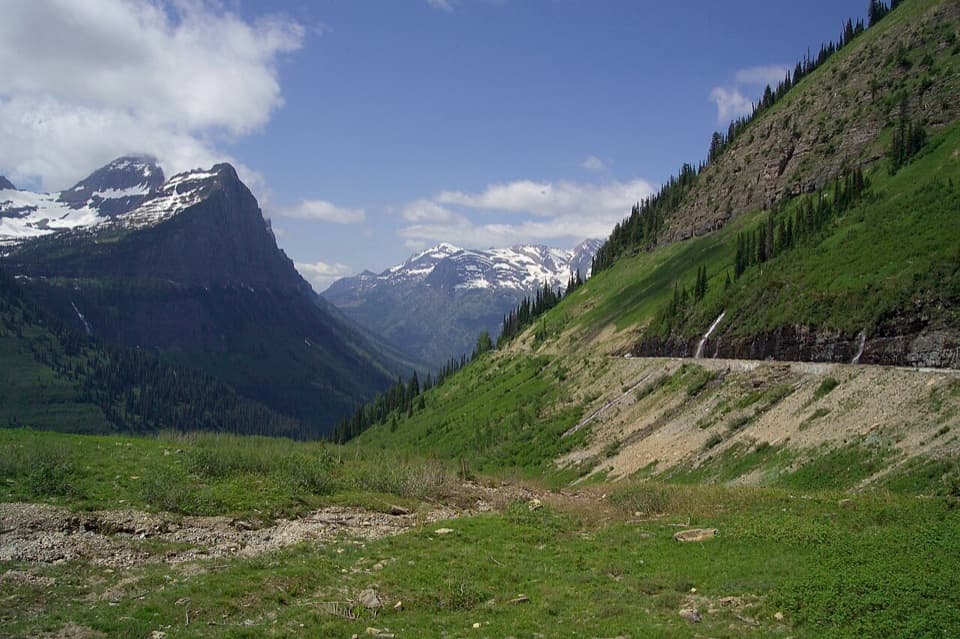 Scenic pullout · 2.2 mi awayBig BendA sweeping bend with Mount Cannon, Oberlin, and Heaven's Peak in view.
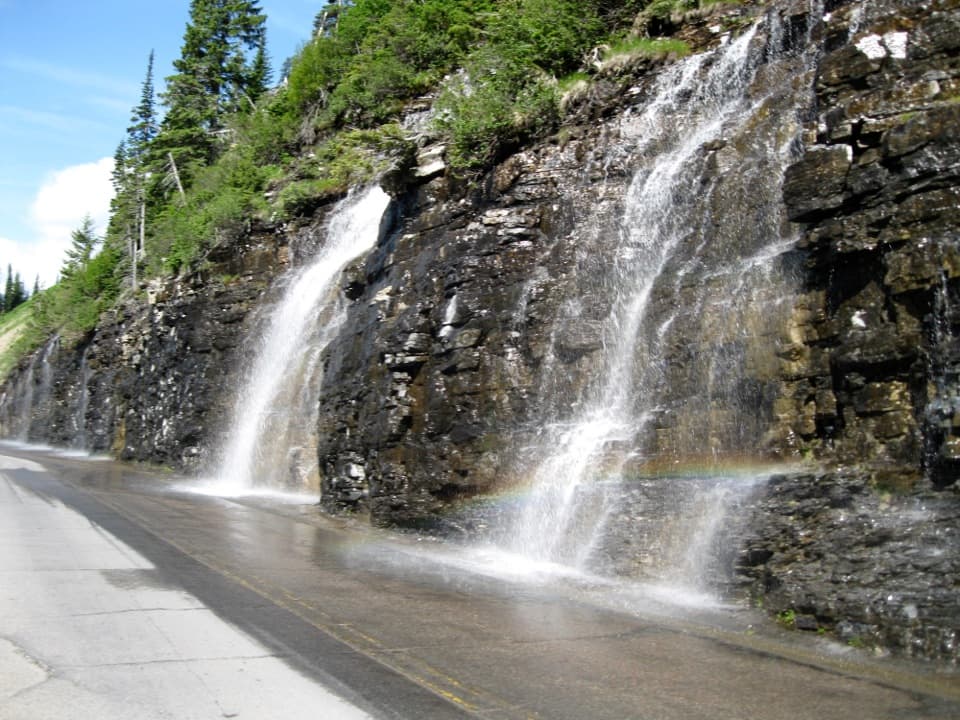 Sight · 2.2 mi awayWeeping WallA snowmelt curtain turns the road into a waterfall pass.
Parkwolf’s Glacier ranking

The audio tour guide for the drive, plus offline maps, trails, and wildlife heatmaps for when the signal drops.