
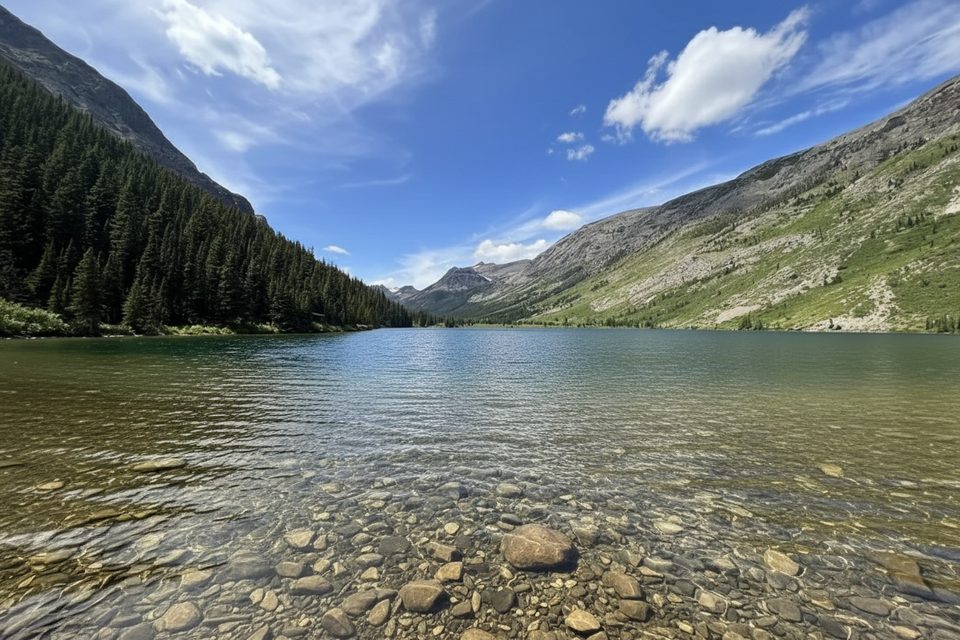
Place · 2.9 mi away
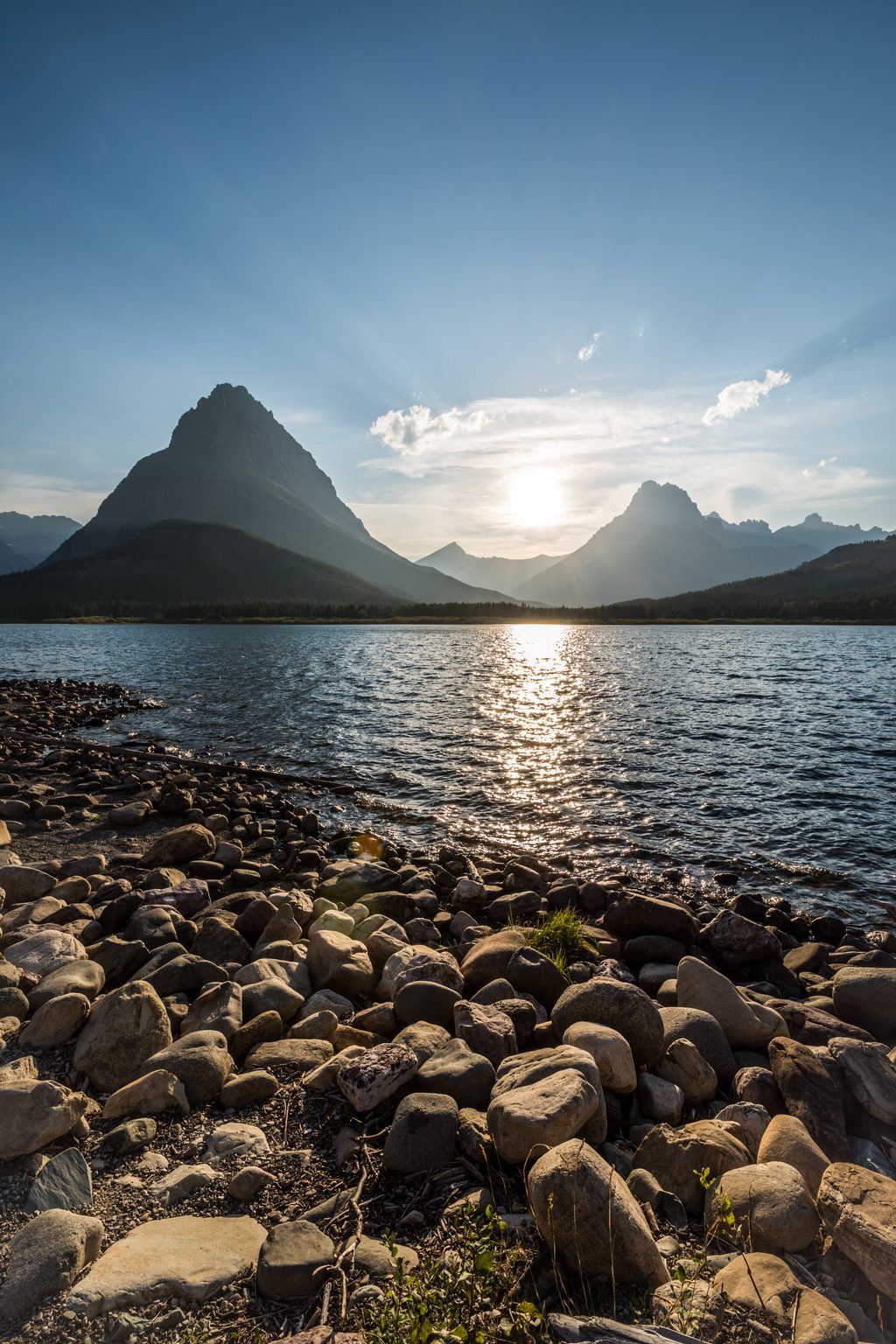
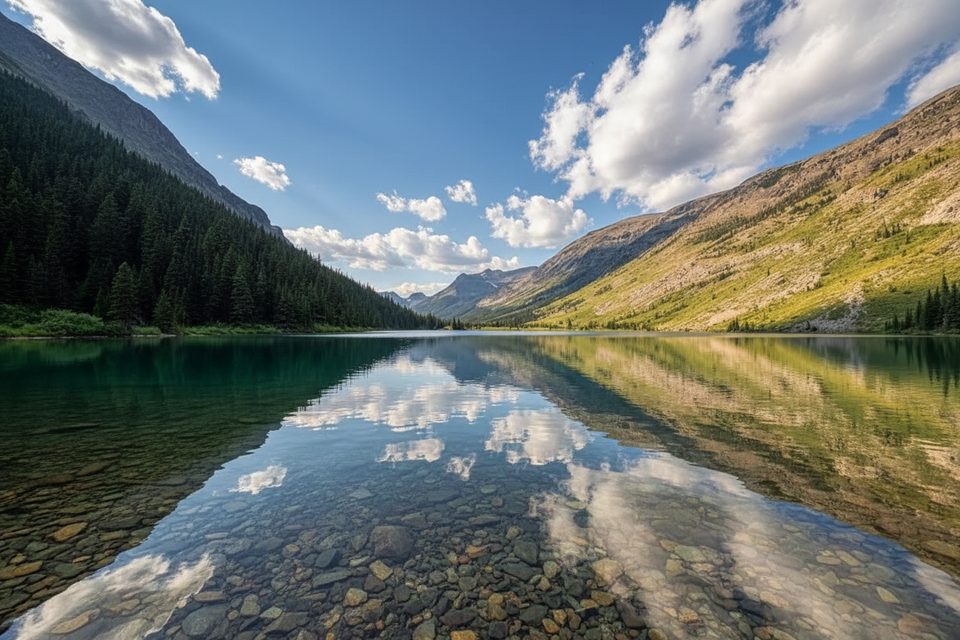
Lake Sherburne is the long, narrow reservoir you drive alongside on the way into the Many Glacier Valley. It’s a 6‑mile ribbon of blue‑green water backed by dramatic peaks, and it serves as the front‑row, roadside preview of the valley—easy to pull over, soak in the views, and keep moving.
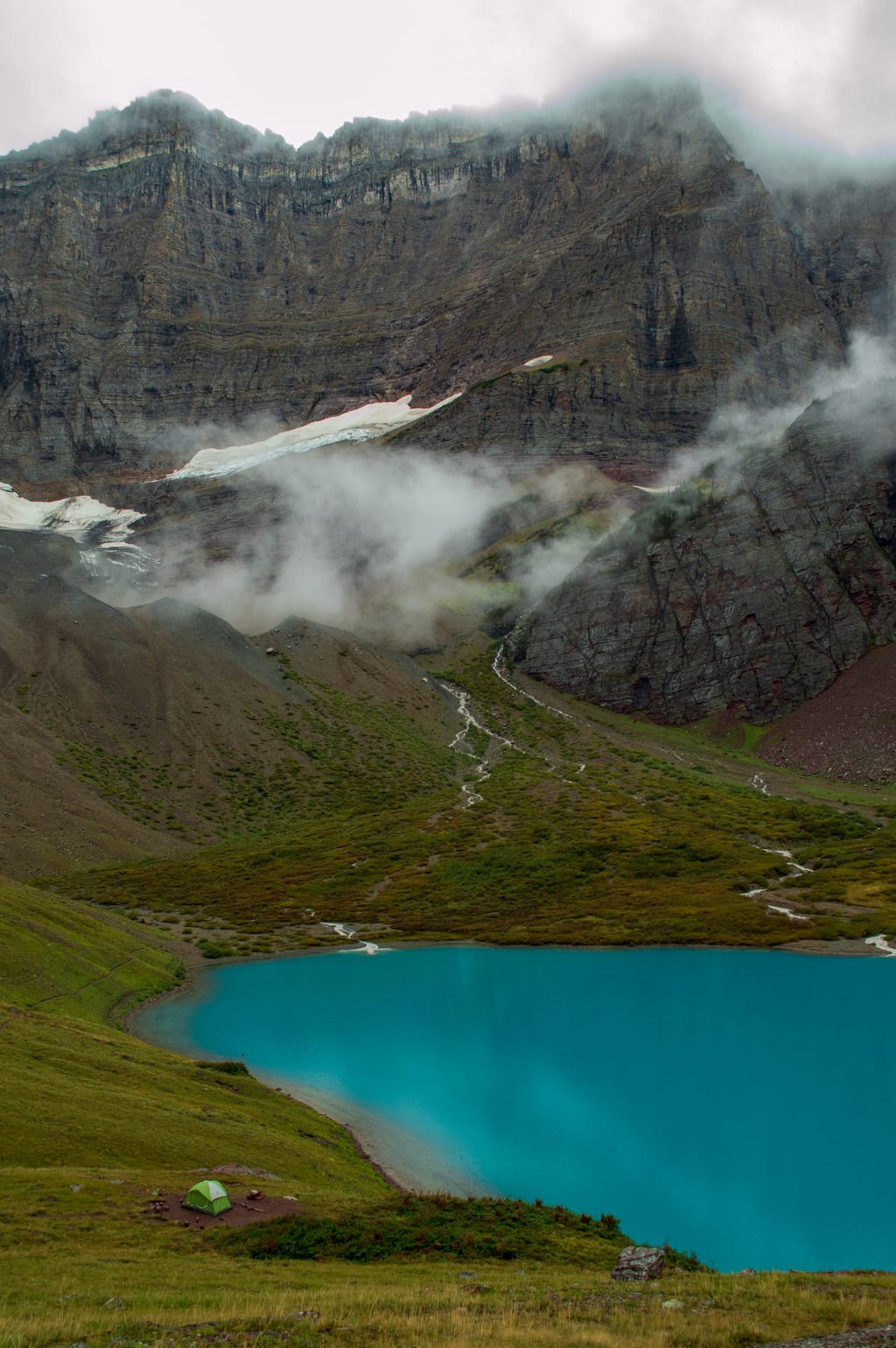
Expect big, classic Many Glacier scenery with frequent, safe pullouts for photo stops. On clear days you can even spot Salamander Glacier high above Swiftcurrent. The reservoir’s color often pops vivid turquoise, especially when calm.
Built 1914–1921 as an earthfill dam on Swiftcurrent Creek, Lake Sherburne is the principal storage for the Milk River Project. A 1960 retrofit added a circular “morning glory” overflow and raised the crest to better handle floods. Because it’s managed for irrigation, levels can drop noticeably by late summer and fall, leaving muddy or steep banks. In winter, releases can be minimal, so downstream flows may be very low.
There’s no developed launch or day‑use area here. Hand‑carry watercraft work best when levels and shore conditions allow, but expect soft, messy margins when the lake is drawn down. Anglers target species like brook trout and northern pike, though overall fishing is modest. If you’re just here for a breather, the pullouts make quick photo and wildlife stops simple.
This corridor is reliably wild. Dawn and dusk are prime for spotting bears, moose, bighorn sheep, mountain goats, and, at times, trumpeter swans along the water. Bring binoculars, give animals generous space, and carry bear spray.
Access is via the Many Glacier Road from Babb; the road hugs the shoreline with numerous viewpoints. Expect rough patches—winters are hard on this stretch, and the 14‑mile approach can feel rutted.
Due to construction, personal vehicle access and parking within the valley are limited in 2025. A temporary day‑hiker shuttle runs July 1–Sept 21 with reservations required, and shuttle parking is in designated pullouts along Many Glacier Road between Sherburne Dam and the entrance station (no vehicles over 21 feet or with trailers). Expect tight parking overall; plan ahead. Outside of this construction period, parking in Many Glacier fills early and there’s typically no internal shuttle.
Use official pullouts for safe, stable footing. A polarizer helps tame glare on the reservoir, and a mid‑telephoto is handy for compressing peaks above the water. Binoculars double as a lightweight wildlife spotter here.
Place · 2.9 mi away
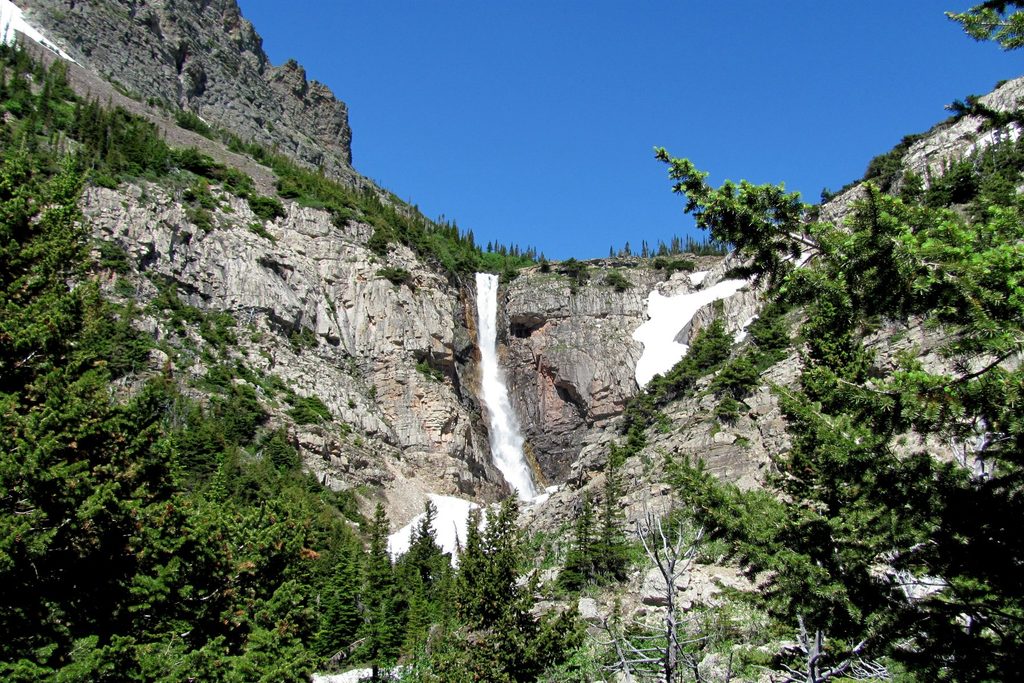
Place · 3.3 mi away
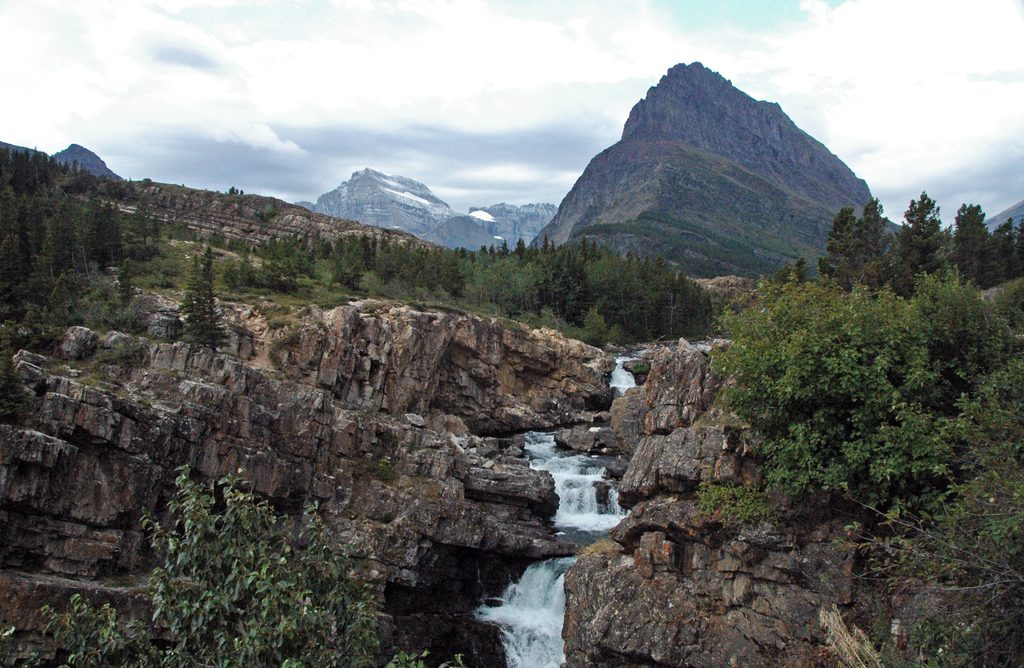
Place · 4.1 mi away
Place · 4.3 mi away
Challenging · 3.1 mi away
Moderate · 3.1 mi away
Challenging · 3.1 mi away
Moderate · 4.3 mi away

Parkwolf Tour Guide
