
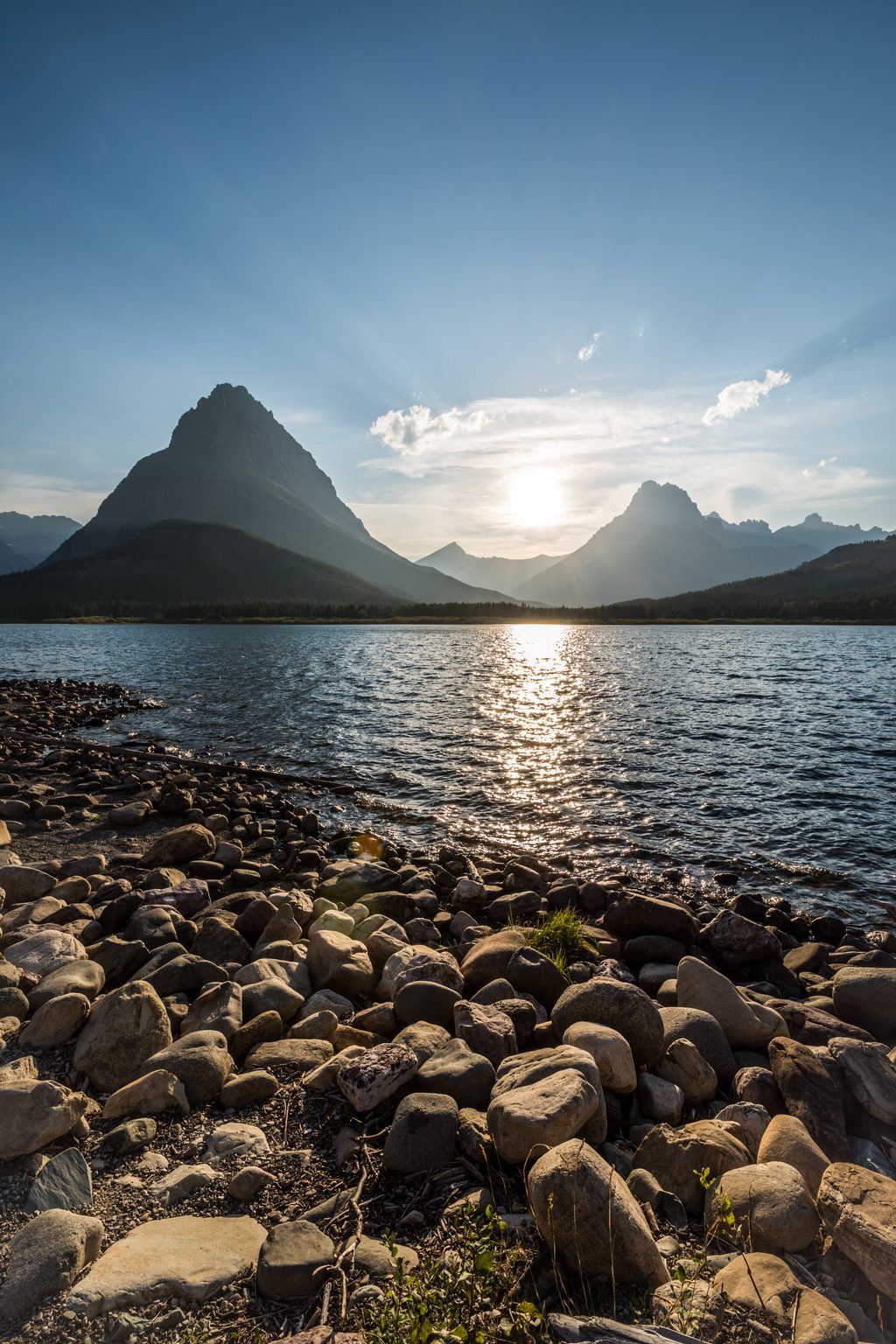
Place · 2.9 mi away
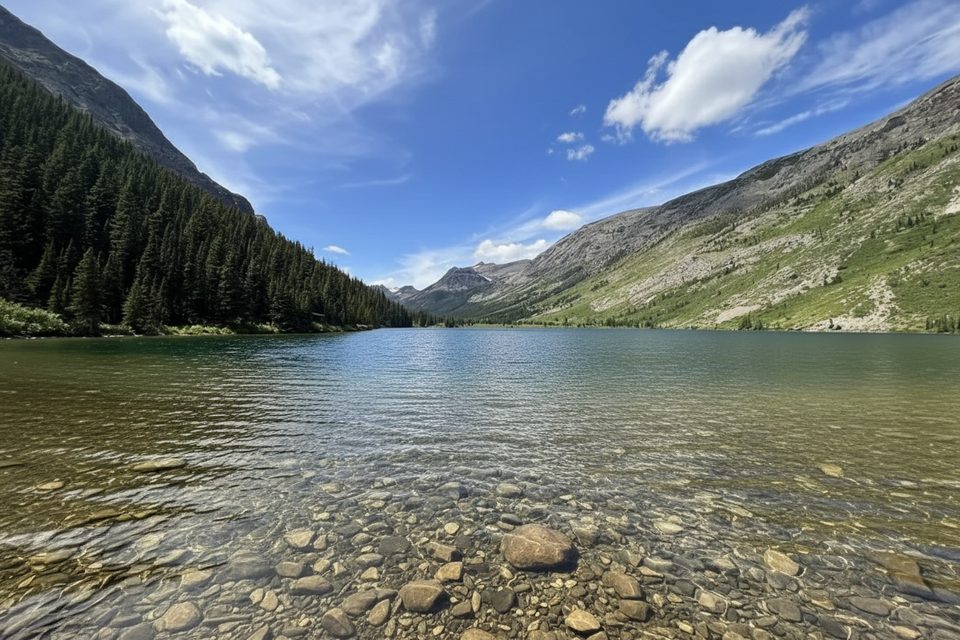
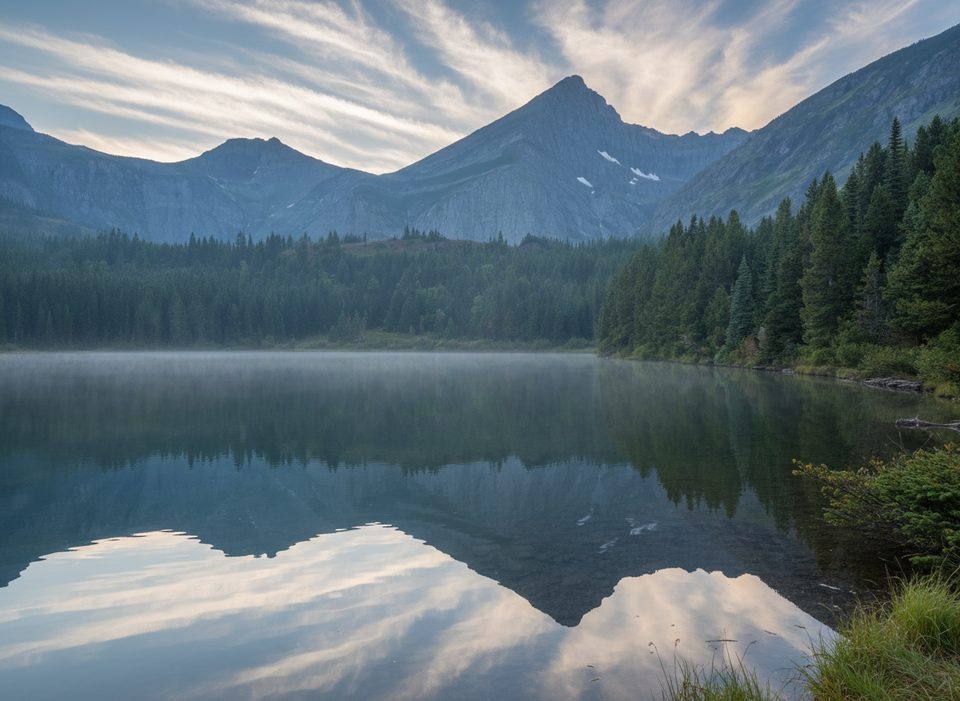
Poia Lake sits on the quieter side of Many Glacier, reached by a long day hike or as part of a backpacking loop. It’s a classic east-side Glacier setting: big skies, open slopes, and a lake cupped by glacially carved terrain. If you’re looking to trade the crowds for wildlife sightings and a wilder feel, this one earns its miles.
Plan on roughly 12–14 miles round trip depending on your exact start. From the Apikuni parking area, the trail undulates with cumulative elevation gain around the 2,400-foot mark. It’s mostly steady rather than brutally steep, but you’ll feel the rollers. A signed cutoff near Lake Sherburne can shave distance, though it climbs sharply early on. Expect sections that can be wet, brushy, or horse-churned after rain.
Trailhead parking is at Apikuni, about a mile east of the Many Glacier Hotel. For 2025, construction and a seasonal day-hiker shuttle complicate access—parking or road segments may be restricted, and you may need to walk from a shuttle stop. Check current park updates before you go. Don’t count on a restroom at the trailhead; use facilities at the hotel area if open. There’s a designated backcountry campground at the lake; treat it as your bathroom stop as well, and carry a small bathroom kit just in case.
This corridor is good for wildlife. Moose often linger near marshy stretches and around the lake’s inlets. Both black and grizzly bears work the east-side berries and travel routes—people commonly see sign even if they don’t see the bears themselves. Make noise, carry bear spray, and give any stock parties wide berth on narrow tread.
The colorful cliffs and slopes you’ll pass—reds, greens, and purples—are part of the ancient Belt Supergroup, later pushed up and over younger rock along the Lewis Overthrust. Ice did the finish work: broad U-shaped valleys, benches, and the lake basin itself are the handiwork of Pleistocene glaciers. Around Poia you can pick out classic moraines and cirque-like forms if you slow down and look.
Prime season is mid-July through September for snow-free travel. Earlier or later, you may hit lingering snow, cold nights, and mud. The east side is notorious for wind and sun exposure; afternoons can kick up gusts and fast-moving storms. Mosquitoes can be feisty around the lake in early to mid-summer—bring repellent.
Start early to bank cool miles and calmer winds, especially in summer. Weekdays see fewer hikers. For photos, morning and late-day light are kinder on the open east-side slopes; midday can be harsh and windy. Late summer typically brings the driest tread and the least bugs.
Stick to established tread—social trails widen fragile slopes—and pack out every scrap. At the backcountry campground, use the provided facilities when available and keep a clean camp. Water is abundant but always treat or filter.
Place · 2.9 mi away
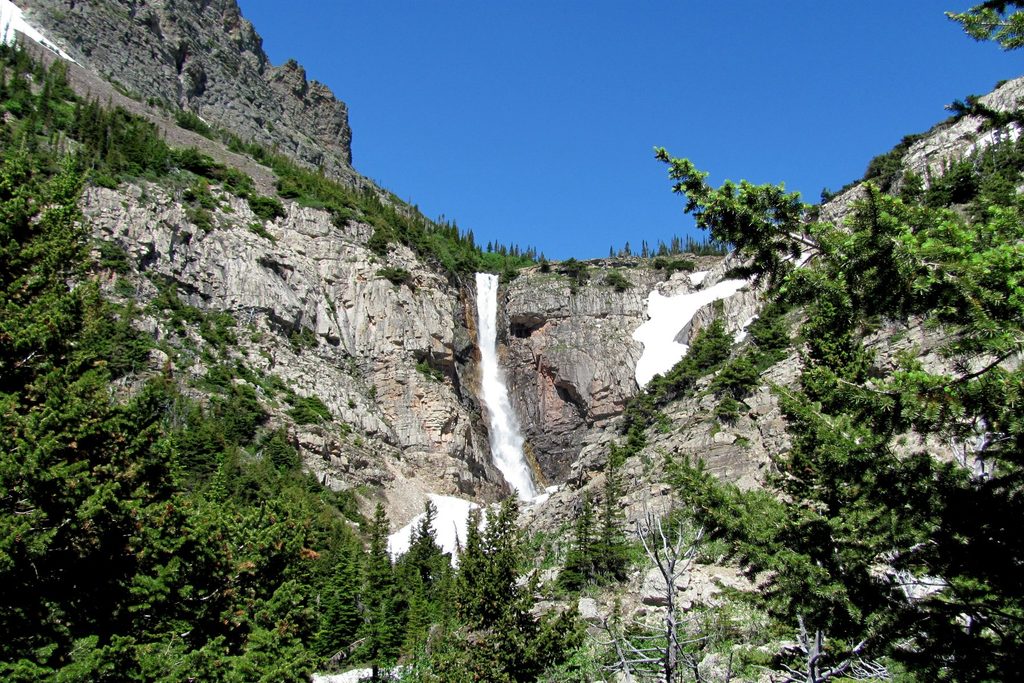
Place · 3 mi away
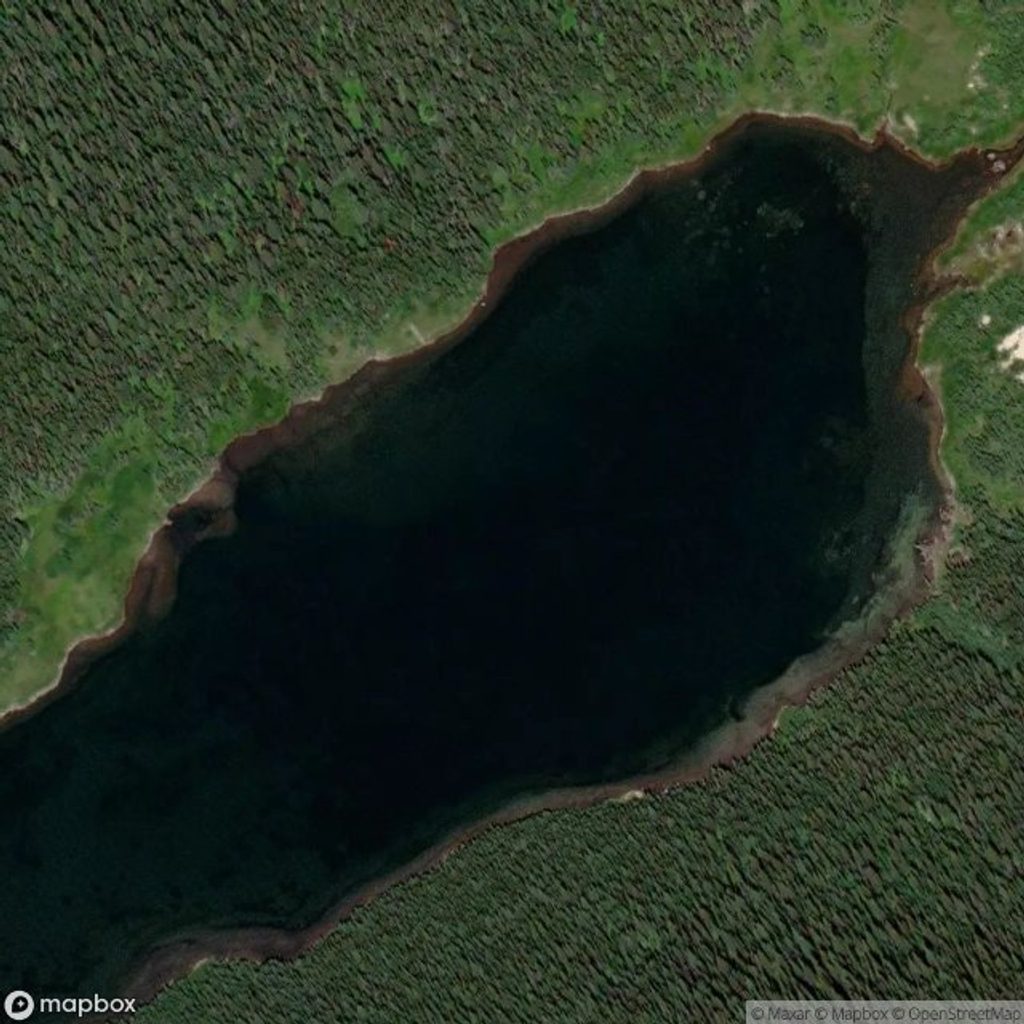
Place · 3.5 mi away
Place · 4.1 mi away
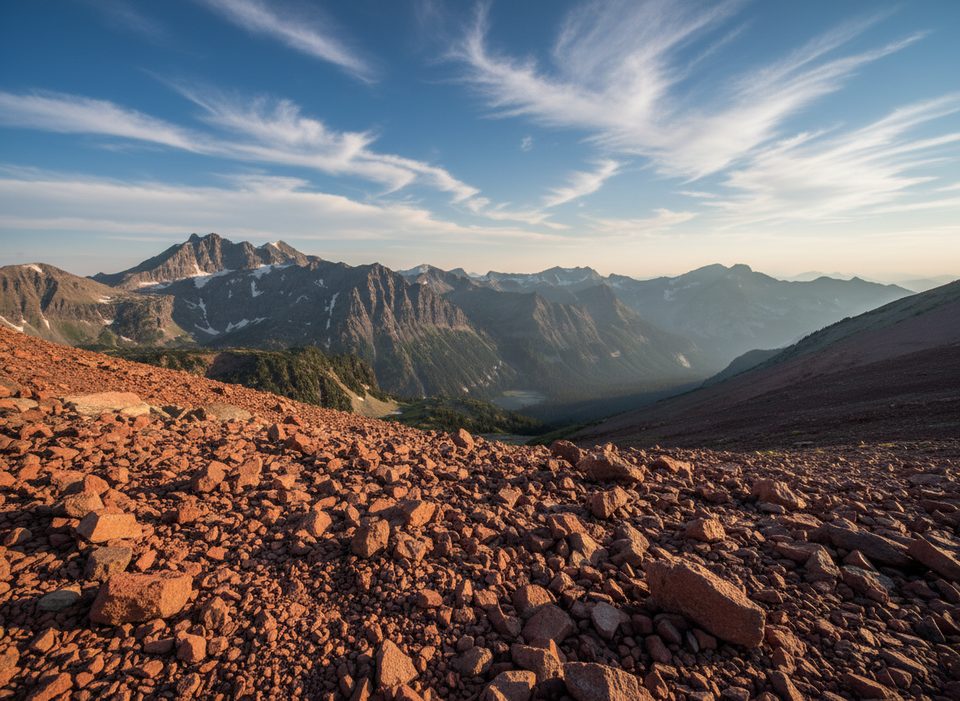
Challenging · 3.4 mi away
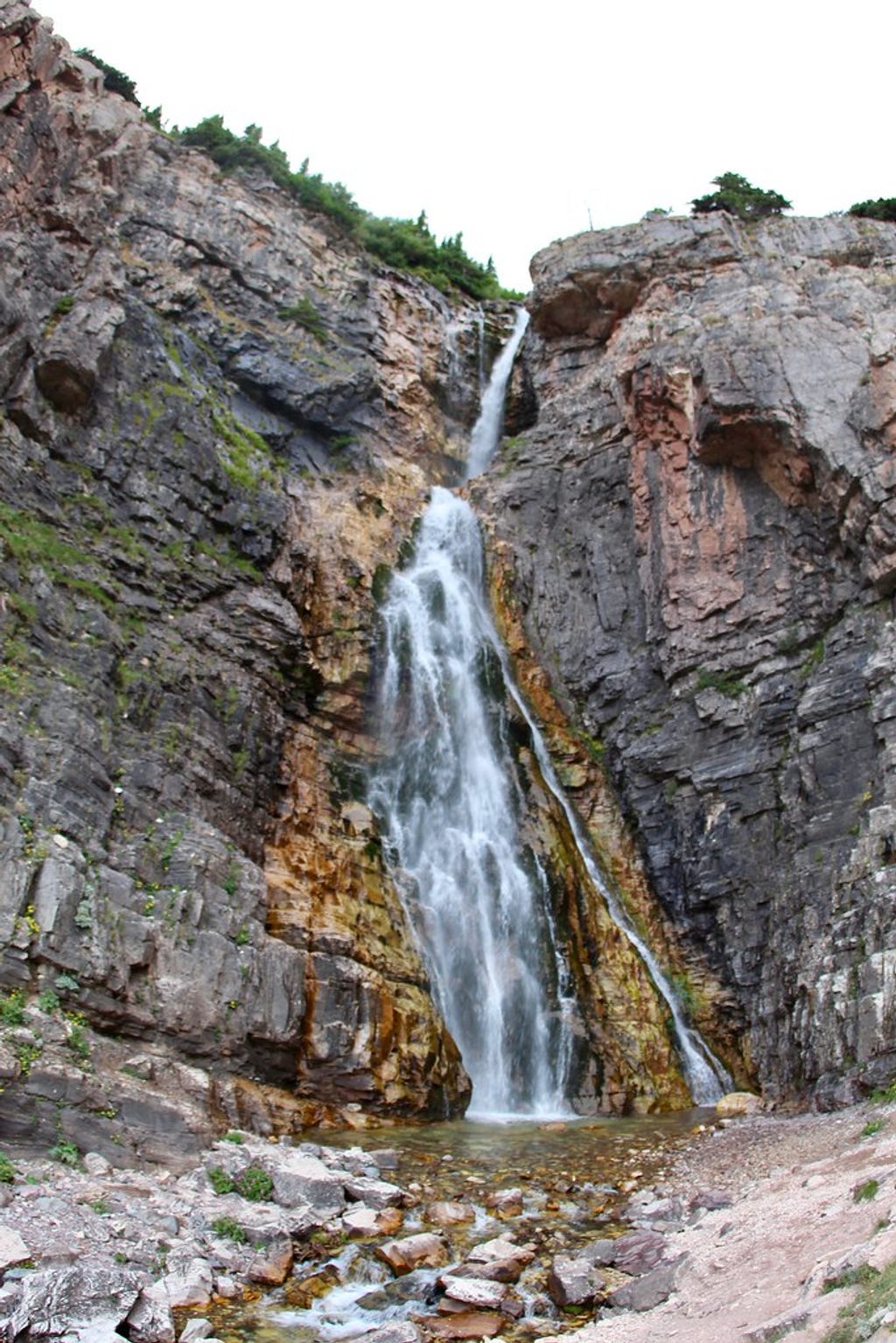
Moderate · 3.4 mi away
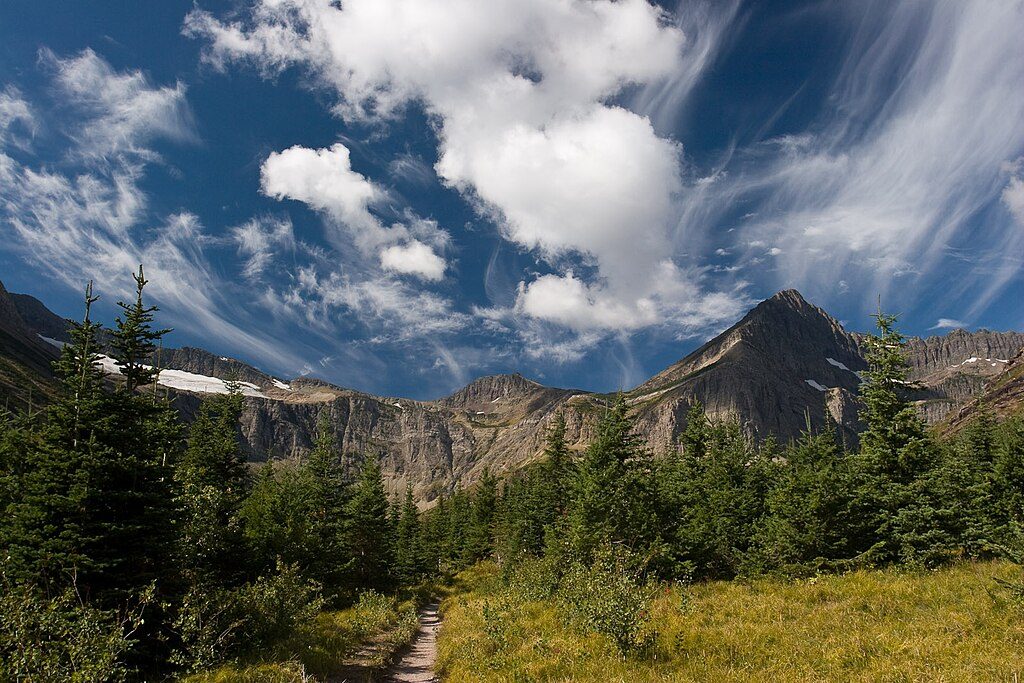
Challenging · 4.4 mi away
Easy · 4.4 mi away

Parkwolf Tour Guide
