
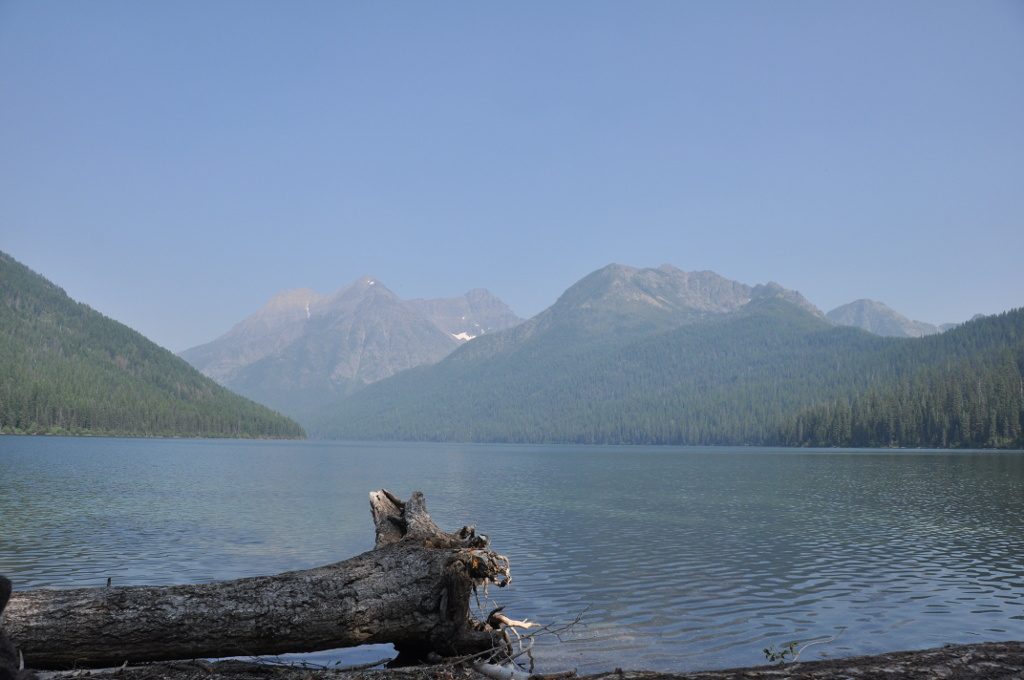
Place · 4.8 mi away
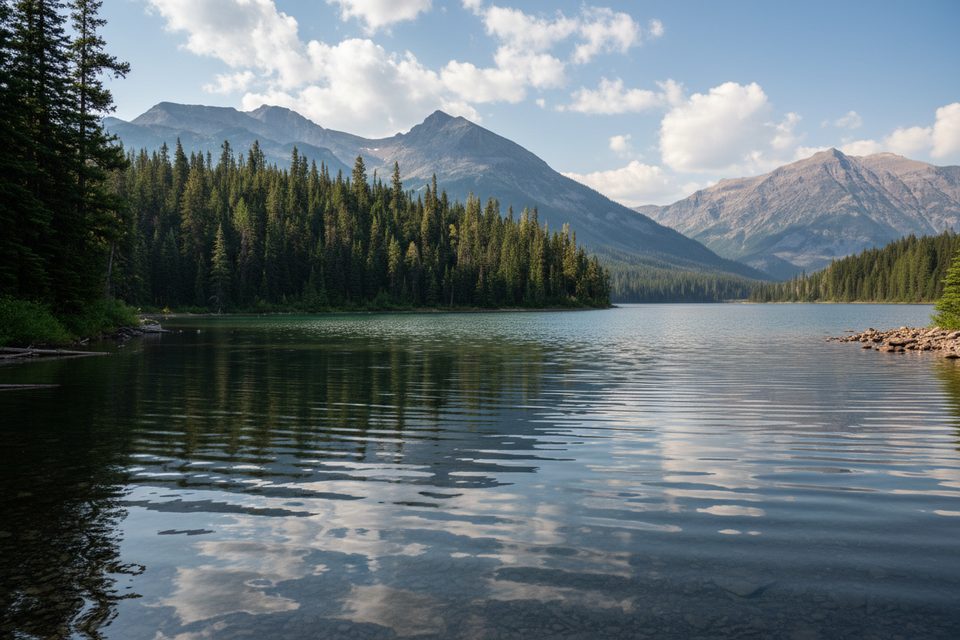
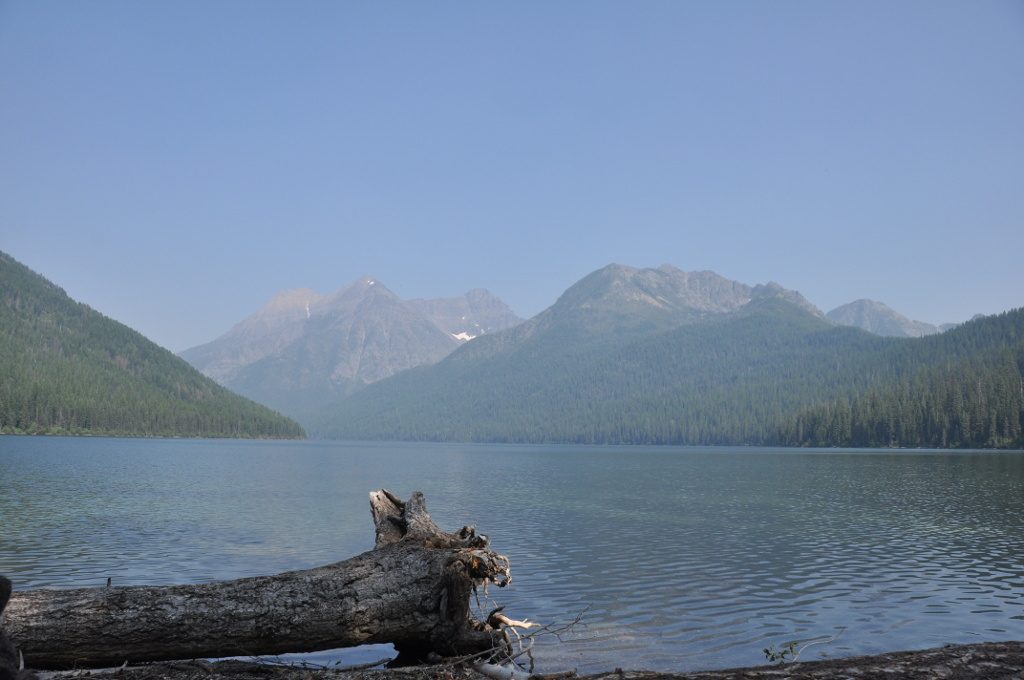
If you’re after Glacier’s quiet side, Logging Lake delivers: a long, narrow backcountry lake west of the Divide with big solitude and easy grades. Expect a mellow hike through forest to a sprawling shore, more about atmosphere than jaw-drop drama.
From the trailhead off the Inside North Fork Road, it’s roughly 5–5.5 miles to the Foot of Logging Lake on a mostly gentle path, with another stretch tracing the lakeshore toward Adair and Grace Lake. The trail isn’t heavily trafficked, which is part of the charm, but brush (hello thimbleberry) grows tall and sections can be muddy—especially early season or after rain. Much of the lakeside has limited direct access, so don’t expect constant beachy pull-offs.
Backpackers have three wilderness camp choices: Foot of Logging Lake (west end), Adair (mid‑lake), and Grace Lake beyond the headwaters. Sites have typical backcountry basics like food hangs and pit toilets in the more-used spots, while Grace is more primitive and generally does not allow campfires. Backcountry permits and site reservations are required; walk-up permits are sometimes possible in shoulder seasons.
Bear sign is common (both grizzly and black), and moose and beavers frequent the area. Carry bear spray and use proper food storage. Bugs can spike in early summer, and heat or wildfire smoke can roll in mid/late season. Long sleeves and pants help with brush; a rain shell is gold when plants are wet.
There’s no potable water provided—filter or boil from lake or creeks. Both Logging and nearby Grace Lake see casual swimming and fishing. If you plan to fish, check current park rules and permit needs before you go.
You’ll reach the trailhead via the Inside North Fork Road, a narrow, dusty dirt drive; RVs and trailers aren’t recommended. Parking at the small trailhead lot is usually straightforward compared to the park’s busier hubs. Cell service is spotty to non‑existent—download maps ahead of time.
Near the lake’s southwest end sit the historic Lower Logging Lake Snowshoe Cabin and Boathouse, both listed on the National Register of Historic Places. The basin itself is classic Glacier: U‑shaped valleys carved by ancient ice in layered sedimentary rock, later uplifted and sculpted again—quiet geology with a big story.
June through October is the typical window. Mid to late summer brings the most snow‑free travel and longer days, but also thicker brush and potential smoke. Early June can be wet and buggy. For photography, aim for calmer mornings or plan on warm sunset light raking down the lake’s length.
Place · 4.8 mi away
Place · 5.3 mi away
Place · 5.6 mi away
Place · 6.3 mi away
Challenging · 7.5 mi away
Moderate · 7.6 mi away
Easy · 9.6 mi away
Easy · 9.7 mi away

Parkwolf Tour Guide
