
Place · 1.7 mi away
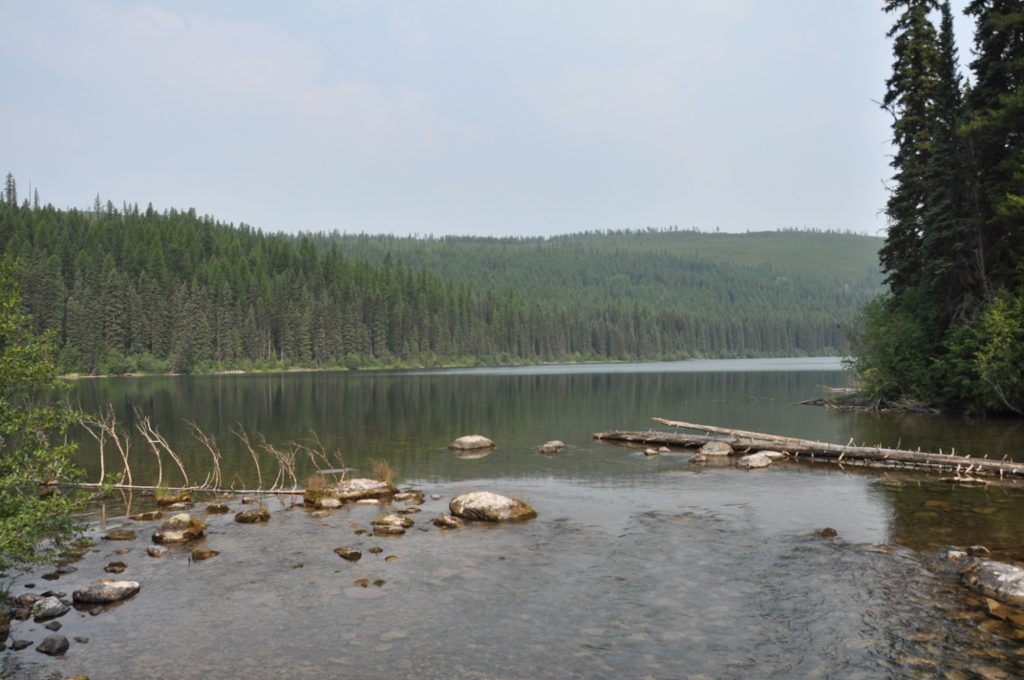
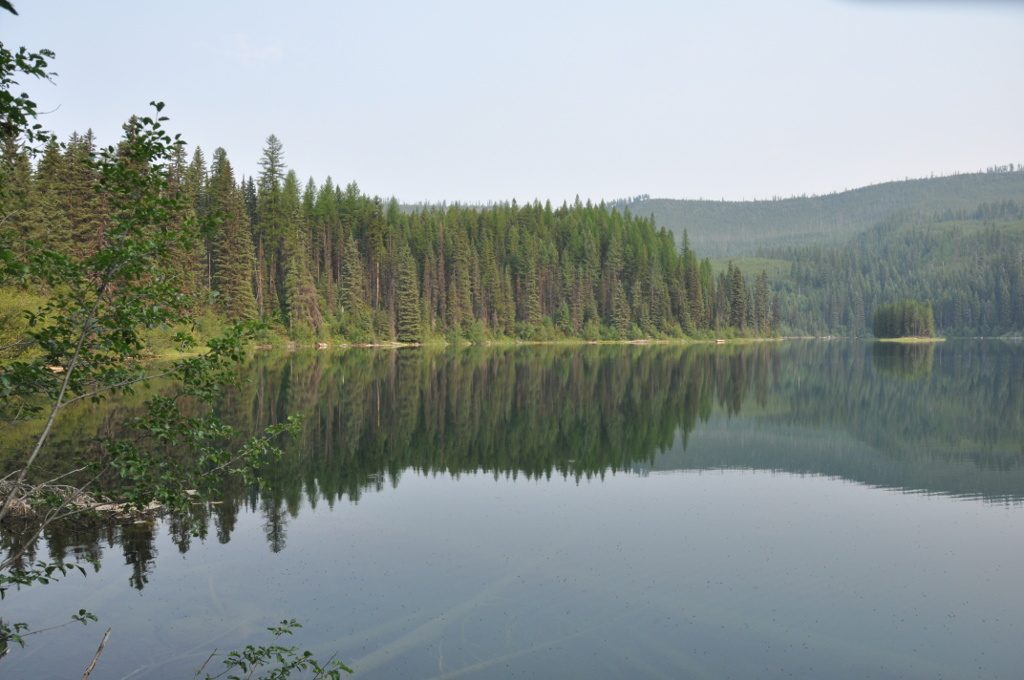
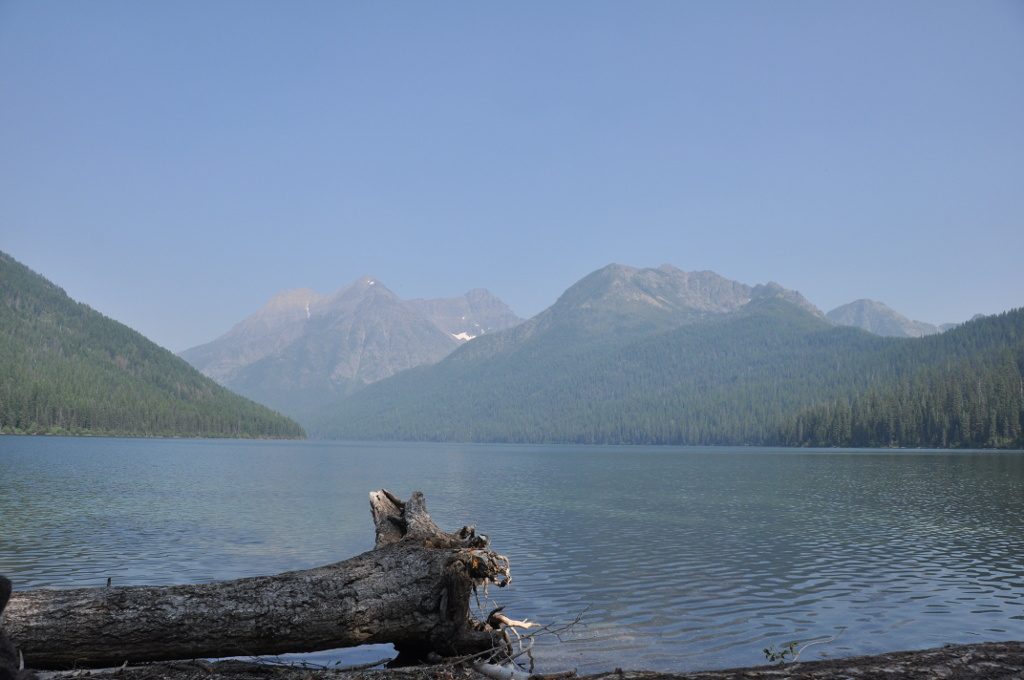
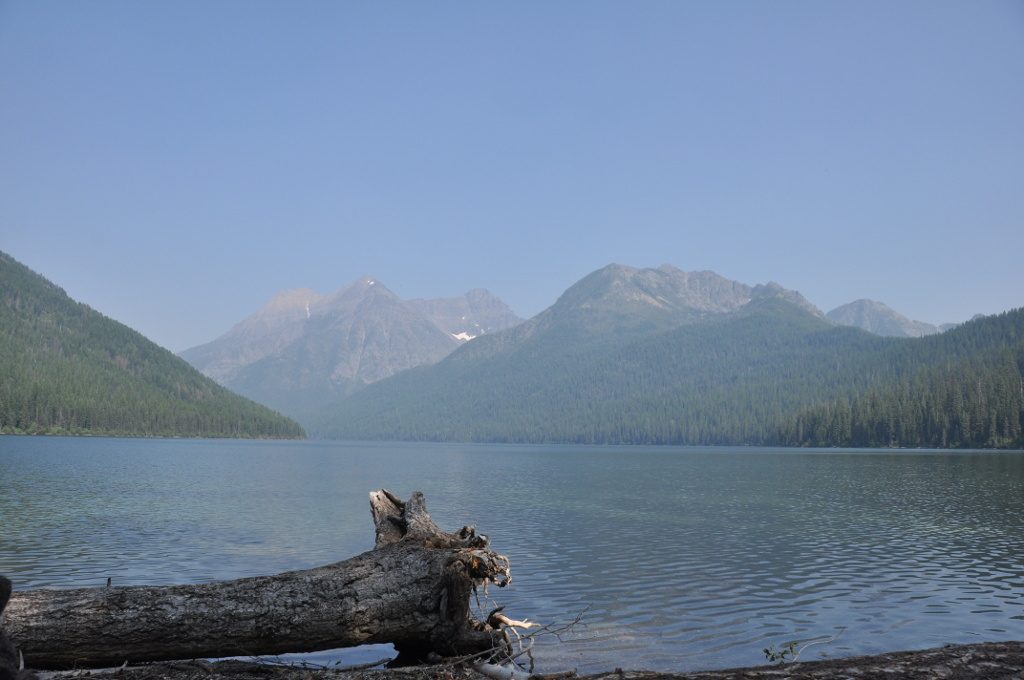
Lower Quartz Lake is the quiet side of the park: a clear, glacially carved lake tucked in deep forest with a real sense of solitude. The payoff is lovely shoreline views and calm water, but you earn it—this isn’t a roadside stop.
Most hikers start from the Bowman Lake area and tackle an out-and-back of about 7.6 miles with roughly 1,988 feet of total gain. The profile is sneaky: you descend to the lake and must re-climb on the way out, which makes the return notably stout. Plan on 4–5 hours for most groups.
Two alternatives exist. A longer, less-traveled approach via the Quartz Creek Trail runs about 13.8 miles round-trip with lighter elevation gain, but expect overgrowth, wet brush, and a creek crossing—long pants and offline maps are smart. There’s also a ~13-mile Quartz Lake Loop that strings together Bowman, Quartz, Middle Quartz, and Lower Quartz Lakes; it’s beautiful but steep in places and can be brushy.
Reaching the Bowman area involves the North Fork/Polebridge approach on unpaved, narrow, bumpy roads. Give yourself extra time and drive carefully—the scenery and solitude repay the patience.
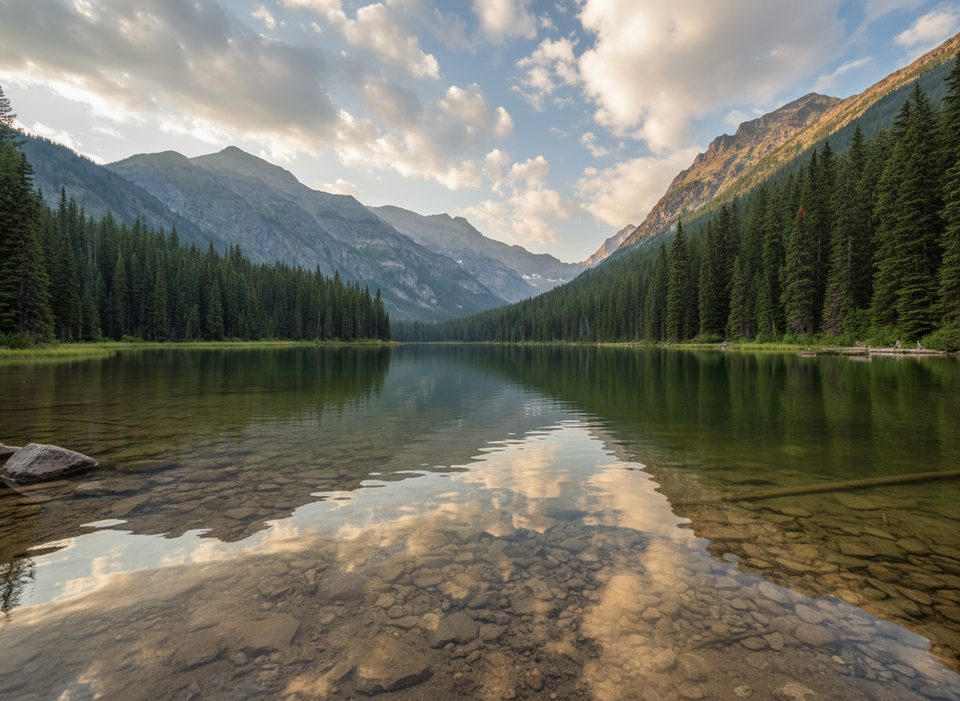
Think “enchanted forest” more than constant vistas: shaded trail, lush vegetation, and flashes of blue-green water. The lake itself is the star—clear, peaceful, and photogenic along the shore. Expect a mostly quiet experience compared to the park’s busier corridors.
There are no developed restrooms or potable water at Lower Quartz Lake. Pack in what you need and pack out all trash. If you’re day hiking, carry sufficient water or bring a filter to treat lake/stream water. Nearest developed pit toilets are back by Bowman Lake Campground. A designated backcountry campground sits at Lower Quartz Lake (primitive setup; no running water).
This drainage is important for native bull trout, and managers have actively worked to protect it from invasive lake trout. If you plan to fish, know and follow all current park regulations—bull trout are strictly protected. As always, give wildlife space and keep your food secured.
Water (or a filter), high-energy snacks, strong insect repellent, sun protection, and sturdy footwear. For the Quartz Creek route or the loop, add long pants, offline maps, and a light layer for wet brush.
June through October is the typical window. Bugs peak in mid-summer; early starts help with both heat and mosquitoes. Weekdays are reliably quieter. For photos, morning light along the shore is soft and calm; afternoons can bring more wind and glare.
Place · 1.7 mi away
Place · 2 mi away
Place · 2.1 mi away
Place · 2.8 mi away
Challenging · 2 mi away
Moderate · 2 mi away
Easy · 5.2 mi away
Challenging · 11.9 mi away

Parkwolf Tour Guide
