
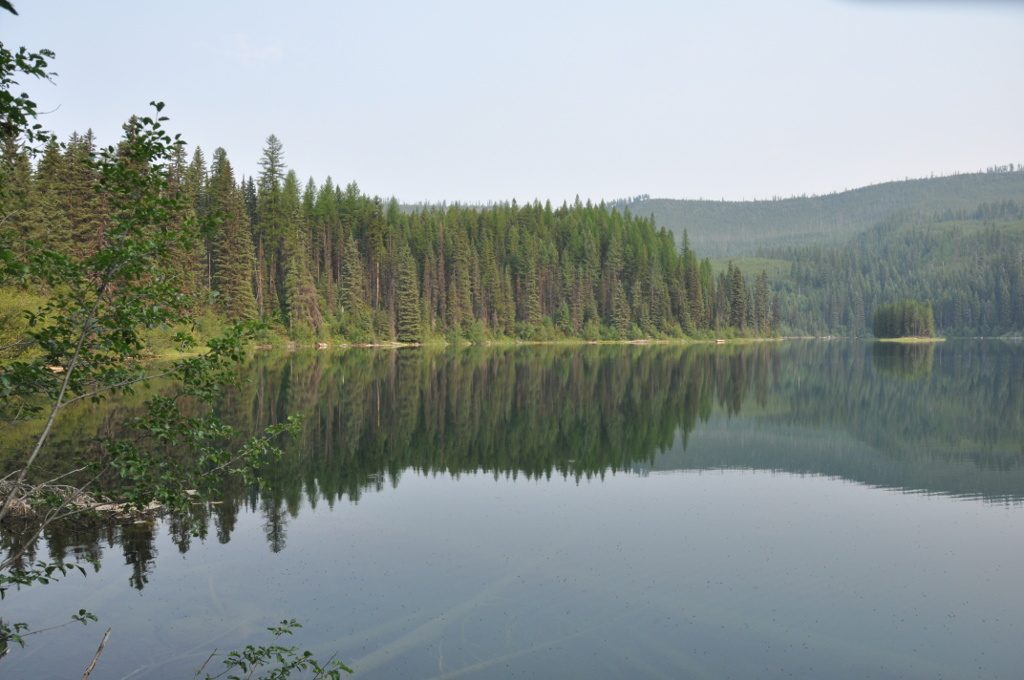
Place · 1.2 mi away
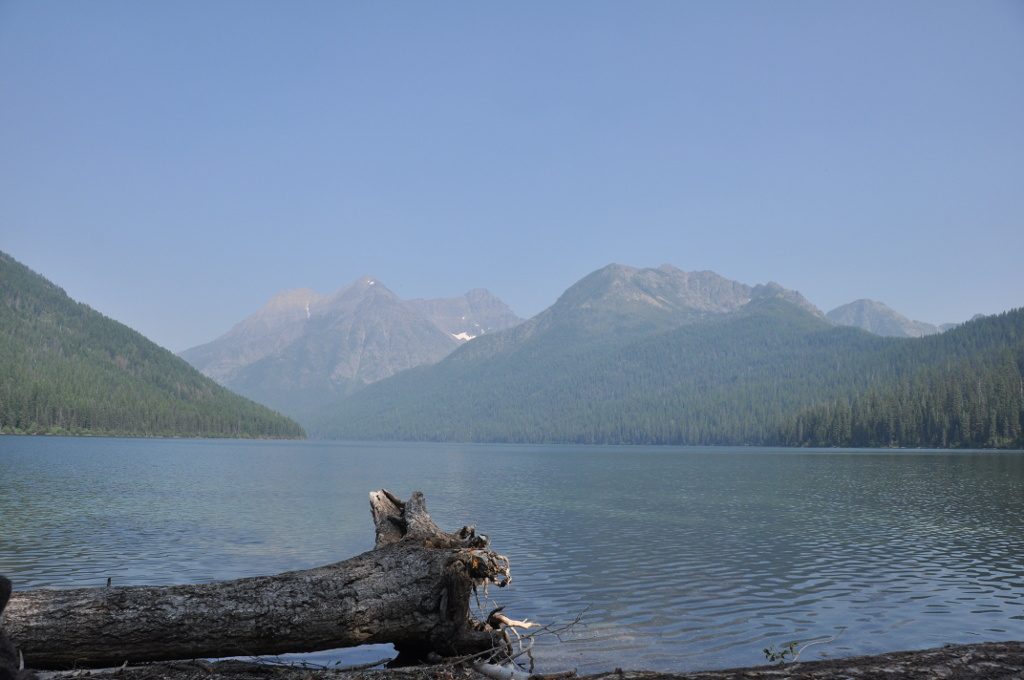
Quartz Lake sits in a serene, glacially carved basin beyond Bowman Lake, paired with Middle and Lower Quartz for a trio of clear, mountain-framed waters. It’s a classic North Fork experience: quieter, more rugged, and rewarding if you’re up for real mileage. Expect long forested stretches, bursts of lake views, and a strong sense of wilderness.
Most hikers start near Bowman Lake Campground and Ranger Station in the park’s North Fork. Reaching Bowman means a mix of pavement and long gravel—plan on slow going and potholes. An alternate approach via the tiny, primitive Quartz Creek Campground exists, but parking and amenities there are minimal.
The Quartz Lake Loop is roughly 13 miles with about 2,600–2,700 feet of gain—hard, with two solid climbs. Clockwise is the favored direction: you’ll front-load the steep ascent over Quartz/Cerulean Ridge, drop to Quartz Lake (the most scenic of the three), then pass Middle and Lower Quartz before climbing again and returning to Bowman. Trails can be brushy, muddy after rain, and buggy in mid-summer. Many day hikers shorten the effort by targeting Lower Quartz as an out-and-back, but the full loop delivers the best variety.
Quartz Lake and Lower Quartz Lake each have designated wilderness campgrounds with simple pit toilets and food-hanging systems. Sites sit near the water, making for memorable evenings. You’ll need a backcountry permit for any overnight, and you’ll be filtering or treating all water. Bears are common in the area—store food properly and keep a clean camp.
This drainage is important habitat for native bull trout. The park actively protects the fishery, including measures to suppress invasive lake trout and maintain a fish barrier on Quartz Creek. On land, this is prime country for grizzly and black bears, with the broader ecosystem also supporting wolves and cougars. Make noise in brush, carry bear spray, and give wildlife distance.
Three lakes in one loop, a backcountry cabin nearby, and broad views from the ridge over a landscape shaped by ice and fire (you’ll pass through areas touched by the 1988 North Fork Fire). Despite the effort, you’re likely to see far fewer people than along the park’s headline trails.
June through October is the reliable window. Early season can hold lingering snow and mud; late season brings chilly mornings and thin crowds. Start hikes early for cooler climbs and calm water reflections. Weekdays see fewer people, and soft morning/evening light flatters the ridgelines and lakes.
Place · 1.2 mi away
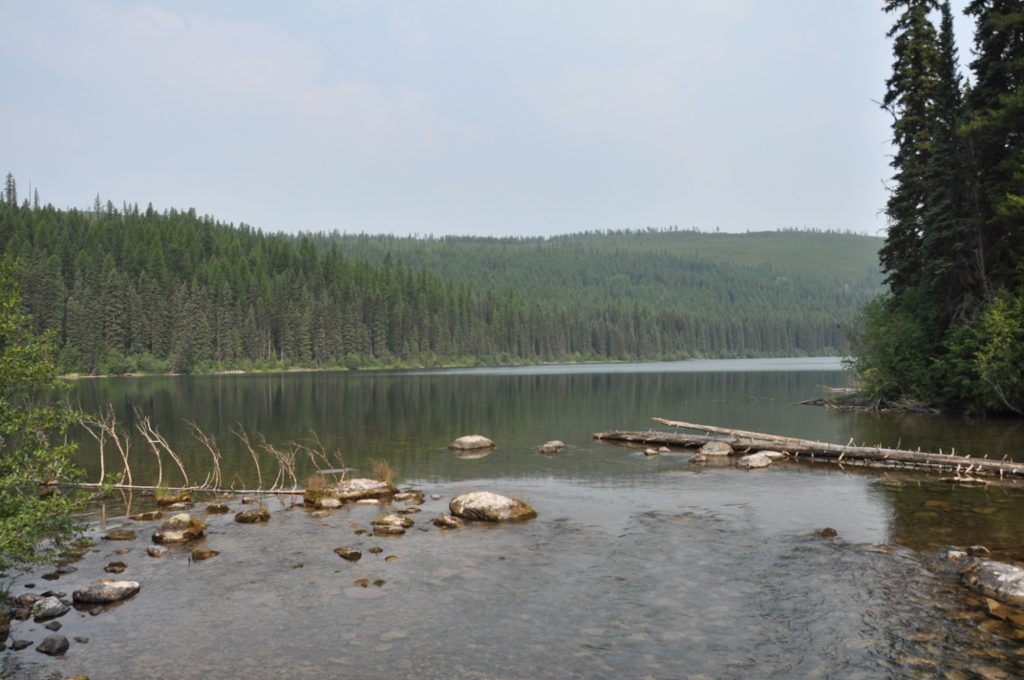
Place · 2.8 mi away
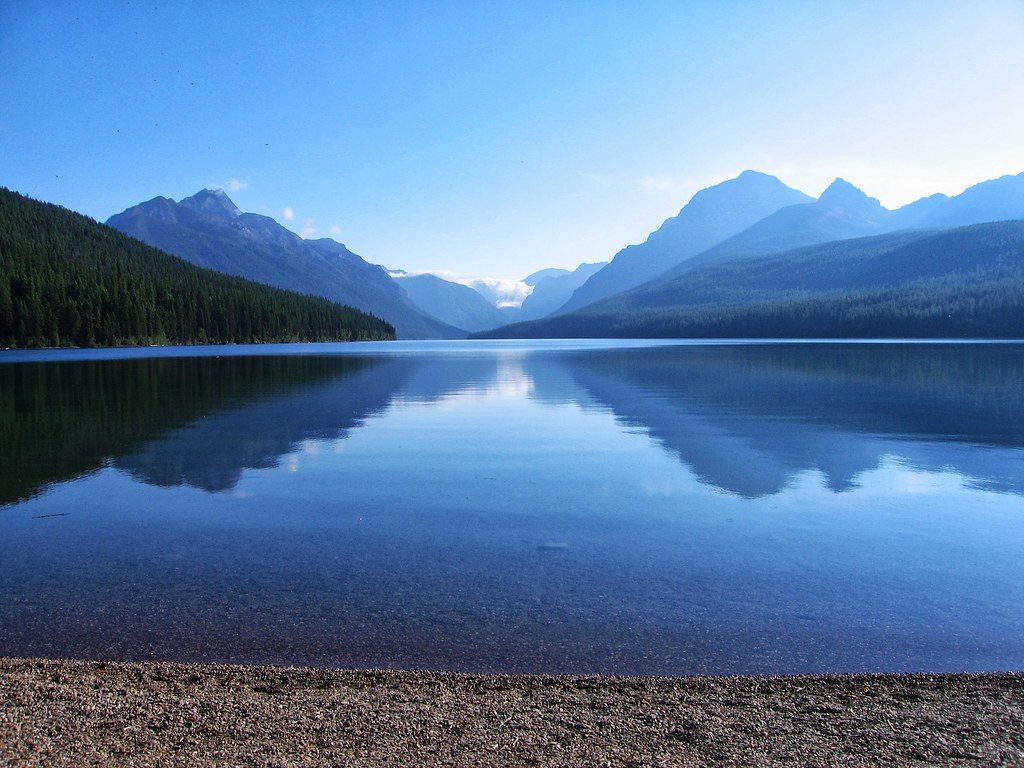
Place · 3.7 mi away
Place · 4 mi away
Challenging · 3.9 mi away
Moderate · 4 mi away
Easy · 8 mi away
Challenging · 13 mi away

Parkwolf Tour Guide
