Bowman Lake Campground

Remote, lakeside FCFS campground for paddlers and quiet tent campers
Bowman Lake Campground, Glacier National Park
InsideGlacier National Park

Overview

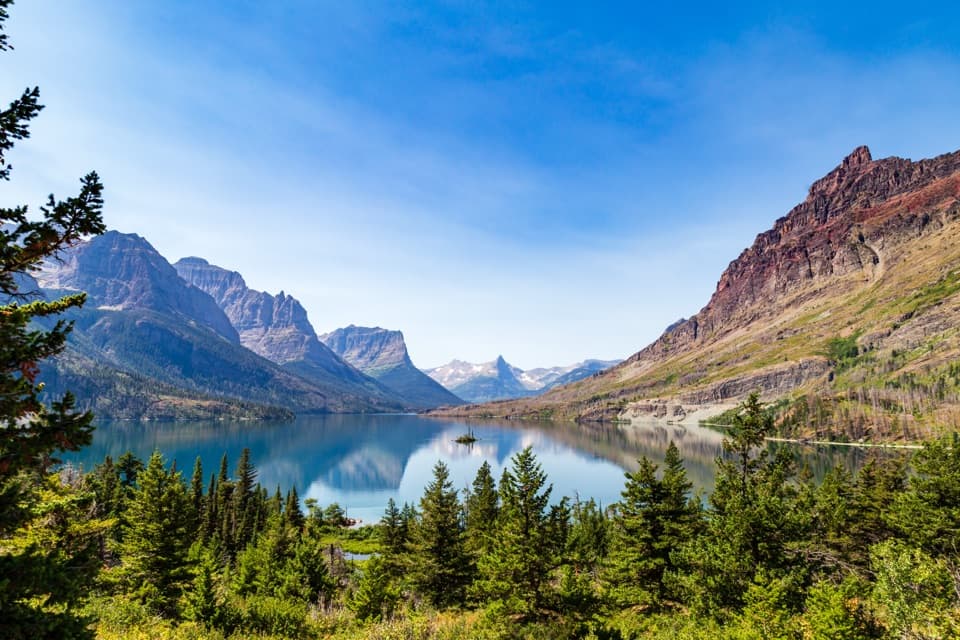
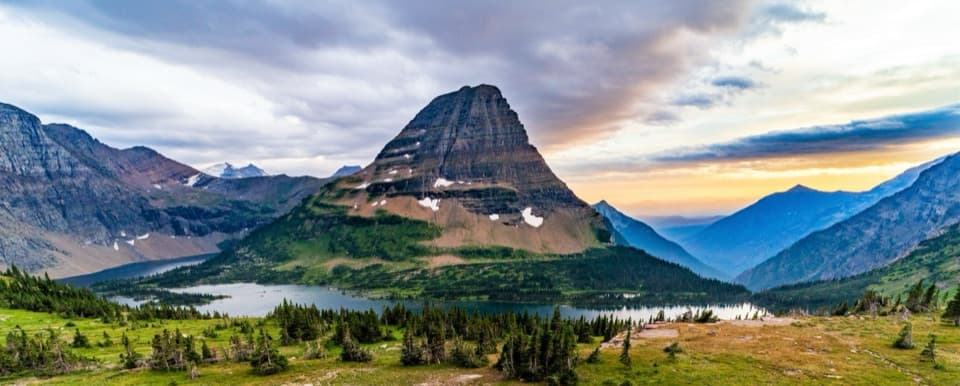
If you’re chasing quiet nights and lake mornings, Bowman Lake Campground delivers. Tucked in Glacier’s North Fork, it’s a forested, first-come, first-served spot a short stroll from glassy water—far from the park’s main bustle. Expect simple amenities, starry skies, and the occasional loon call.

Getting There

Reaching Bowman is part of the adventure. It’s roughly 32.5 miles from the West Entrance via Polebridge, with the final stretch a narrow, dusty, washboarded dirt road. Trailers are not permitted, and RVs or truck/trailer combos are not recommended due to tight, winding sections. Drive slow, leave plenty of margin, and travel prepared.

Heads-up: In recent seasons, the North Fork/Polebridge corridor has used vehicle reservations during parts of summer. Check current rules before you lose service; you can’t count on connectivity once you’re out there.

Camp Setup & Amenities

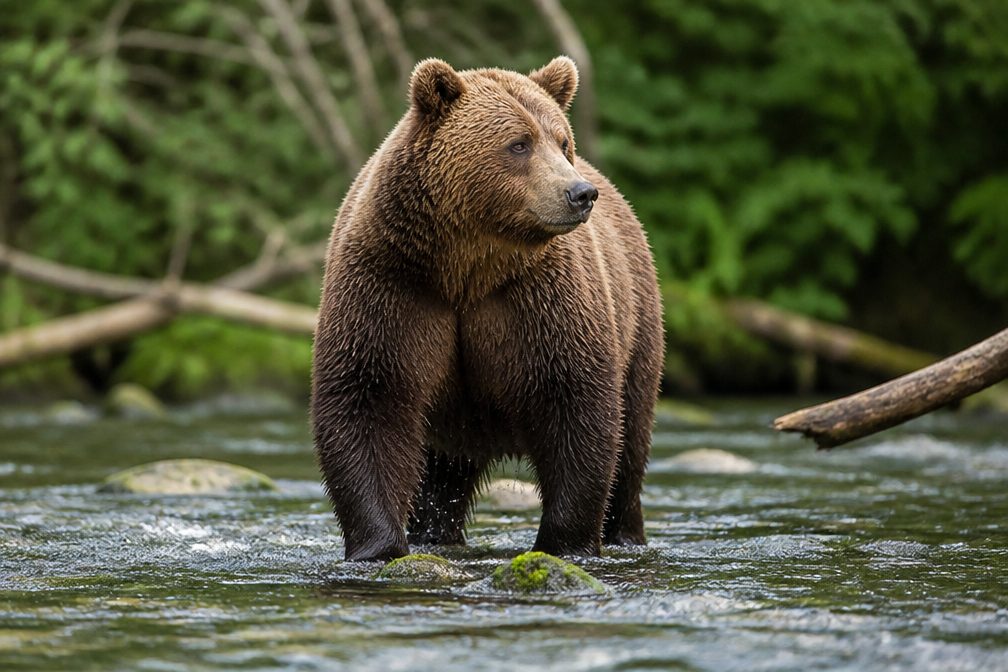
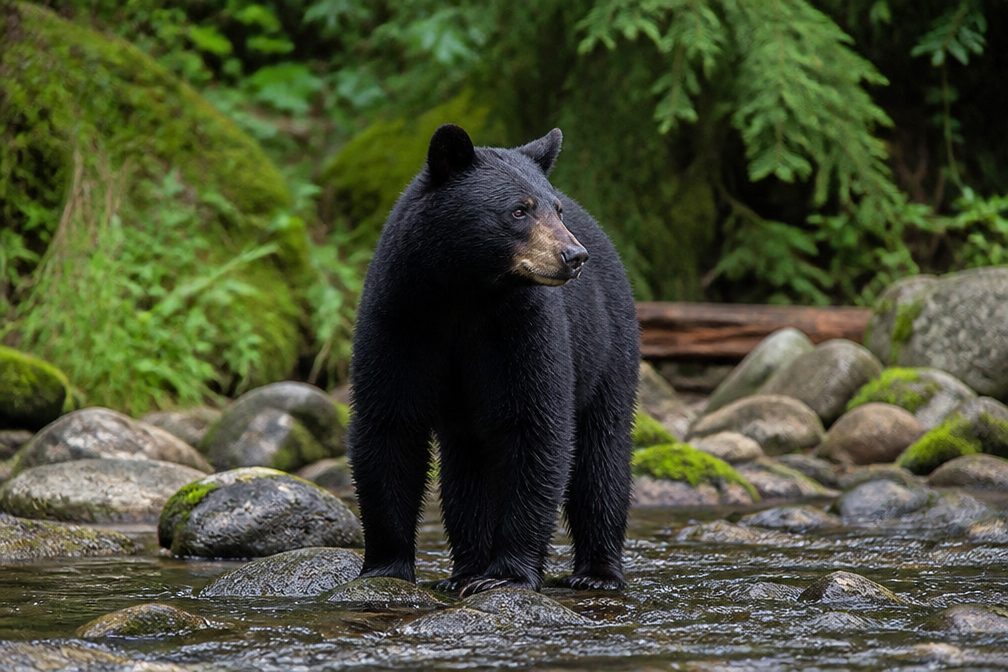
This is a rustic, peaceful campground with shaded sites, picnic tables, and fire rings. You’ll find pit (vault) toilets and potable water via spigots during the main season; primitive shoulder seasons may not have water. There are no showers or sinks, and there’s no cell service. This is active bear country—use the provided bear boxes where available and store all food and scented items properly.

Lake Time & Things to Do

Bowman Lake is the prize: clear, cold, and perfect for paddling. Kayaks, canoes, and SUPs are popular, and motorized boats are allowed but capped at 10 horsepower, which helps keep the vibe mellow. There’s one boat ramp, shoreline for picnicking, and lakeshore trails that start right from the area—great for day hikes. Anglers and wildlife spotters do well here, with frequent deer sightings and tranquil evenings.

Crowd Levels & Vibe

Compared to Glacier’s main corridor, Bowman is quieter, especially midweek. That said, summer weekends can still fill. For a similarly wild feel but even more solitude (and rougher access), Kintla Lake lies farther up the road.

Best Time to Visit

  • Summer (mid‑May to early September) is prime for paddling and hiking, with full services.
  • Shoulder/primitive seasons can run into fall with fewer people, but expect limited services (often no water).
  • Arrive early on peak-season weekends for the best shot at a FCFS site.
  • Bugs can spike in midsummer; come prepared with serious repellent.

Essentials to Bring

  • Water containers (handy even when spigots are on; required in primitive season)
  • Insect repellent and sun protection
  • Bear-safe food storage habits and a clean camp routine
  • Offline maps and a full-size spare for the rough road

Nearby Supplies

Polebridge Mercantile (about 30–40 minutes away) has limited provisions and beloved baked goods—worth a stop before the last push to the lake.

Pros

  • Short walk to a crystal-clear lake with paddling and fishing
  • Potable water spigots and maintained pit toilets in main season
  • Shaded, quieter FCFS sites away from the park’s busy core

Cons

  • Long, narrow, bumpy dirt road; trailers not permitted and RVs discouraged
  • No cell service or showers; mosquitoes can be intense in peak summer

Tips

  • Arrive early in peak season—sites are first-come, first-served.
  • Verify current North Fork vehicle reservation rules before you leave service.
  • Do not bring a trailer; drive slowly and carry a full-size spare.
  • Download offline maps; there’s no cell service once you leave the highway.
  • Bring strong bug repellent and water containers for primitive season.
The Parkwolf tour guide sitting on a phone mounted in a car

Parkwolf Tour Guide

Like a tour guide in your car.

Save the places you found around Glacier, then let Parkwolf guide the drive between them.Download Parkwolf on the App Store