
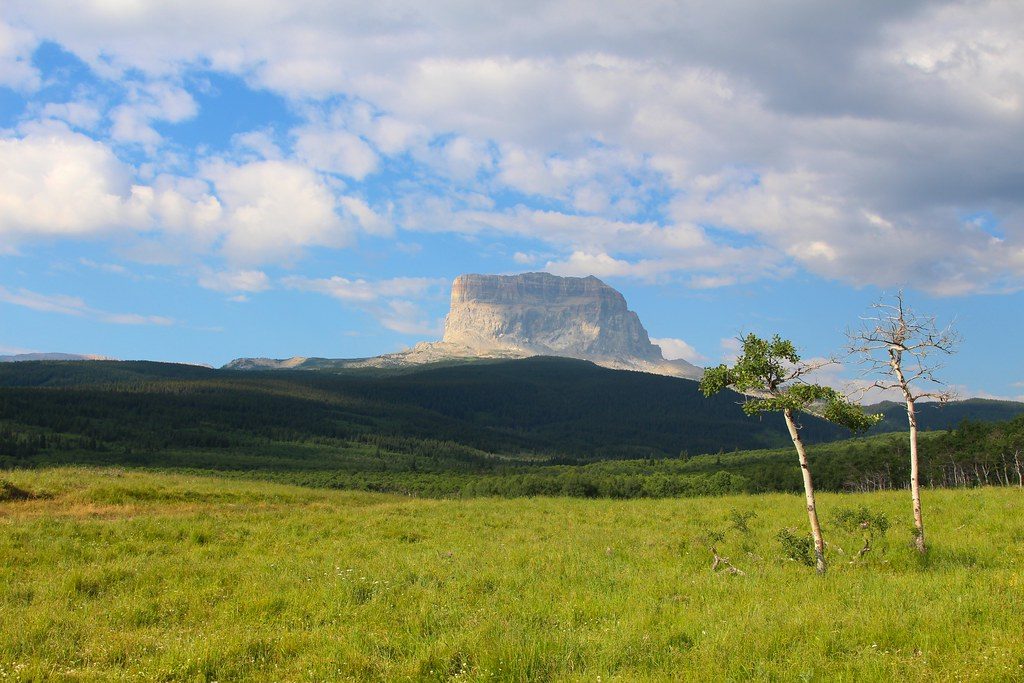
Place · 2.2 mi away
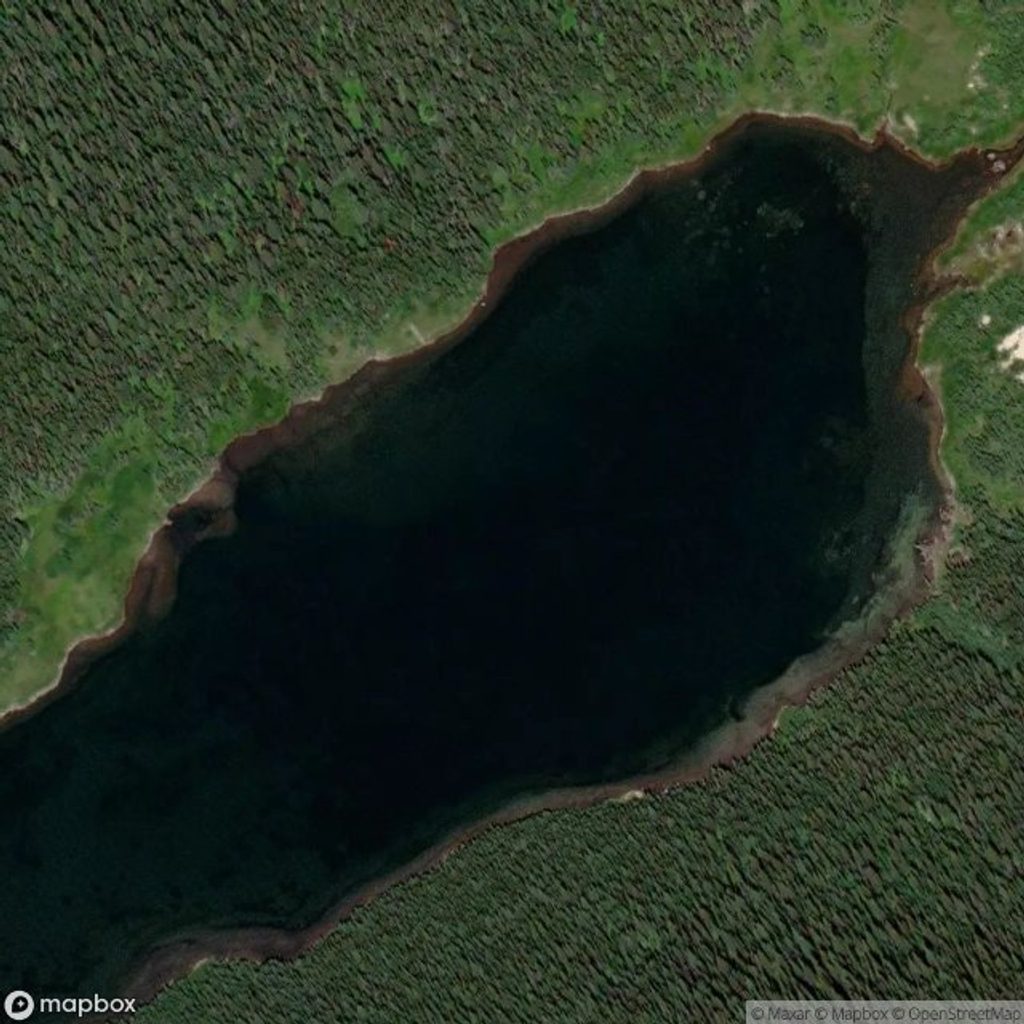
Slide Lake sits in the far northeast corner of the park near Chief Mountain, a quiet, wide‑open pocket of country that feels wilder than most itineraries. The lake itself was created when a massive rock avalanche dammed Otatso Creek around 1910, so you’re camping beside a geologic story, not just a pretty shore. Expect sweeping views, sparse crowds, and a very real sense of remoteness.
Most backpackers pair Slide Lake with the airy Lee Ridge route. The ridge travel is exposed—little shade, often windy—and the final drop to the lake is described as very steep. It’s gorgeous but committing. Water can be limited once you’re up on the ridge, so plan accordingly.
This is a designated backcountry campground: hike‑in only, no cell service, no trash service. There’s a pit toilet; bring your own toilet paper and pack out everything you bring in. Fire rules can change with conditions—confirm at the Backcountry Permit Office when you pick up your permit. During your permitted dates, your wilderness permit functions as your timed‑entry.
This corner sees heavy use by large animals—grizzly bears are possible, and rattlesnakes have been reported. Carry bear spray, make noise in brushy zones, and keep a clean camp. Early season can bring lingering snow on high routes and high creek flows; mid/late season brings heat and exposure on ridges, with bugs more common in the valleys.
Slide Lake is a textbook example of how Glacier’s dramatic landscape keeps evolving. A rock avalanche blocked Otatso Creek roughly a century ago, forming the lake you see today. It’s a neat counterpoint to the park’s billion‑year backstory of uplift, faulting, and glaciation—you’re literally camping at the intersection of ancient bedrock and recent change.
There is no park shuttle serving the Chief Mountain/Lee Ridge area. If you plan to exit via Lee Ridge, pre‑arrange a ride, set up a bike shuttle, or coordinate with other hikers in advance; traffic can be sparse at odd hours. The park–reservation boundary is nearby; if any side trips would cross onto Blackfeet Nation lands, you’ll need the appropriate permit.
Aim for mid to late summer once high routes melt out. Start ridge walks early to beat heat and wind, and for softer light on the open country. Weekdays are typically quieter, but this area sees far fewer people than the park’s core regardless. Shoulder seasons can be beautiful but bring a bigger risk of snow and cold winds.
If you crave solitude, big‑sky views, and don’t mind exposure and logistics, Slide Lake is a gem. If you prefer simpler transportation and a classic finish, consider staying in the Belly River core and exiting via Ptarmigan Tunnel or Redgap Pass instead.
Place · 2.2 mi away
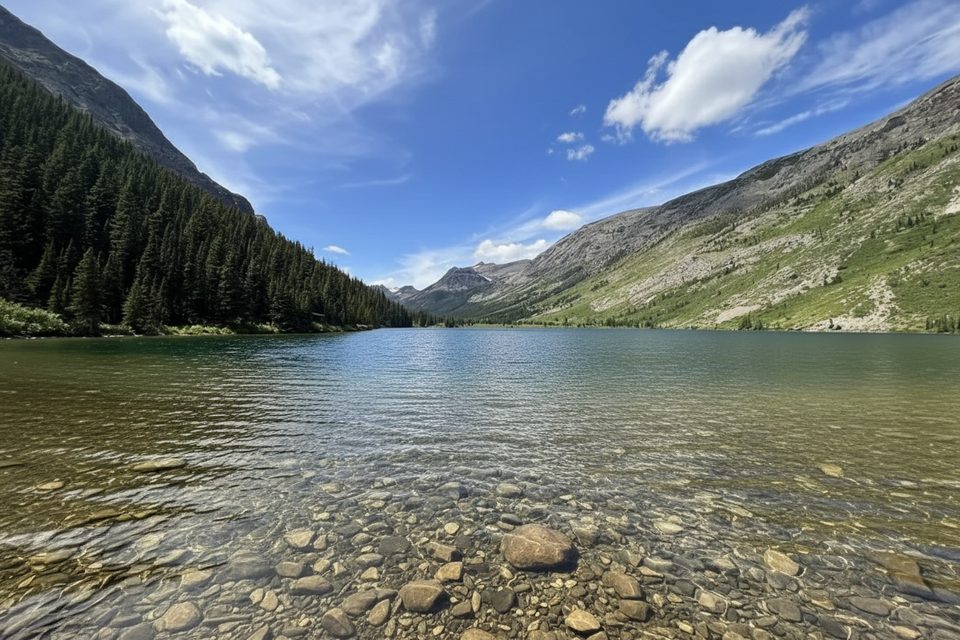
Place · 3.5 mi away
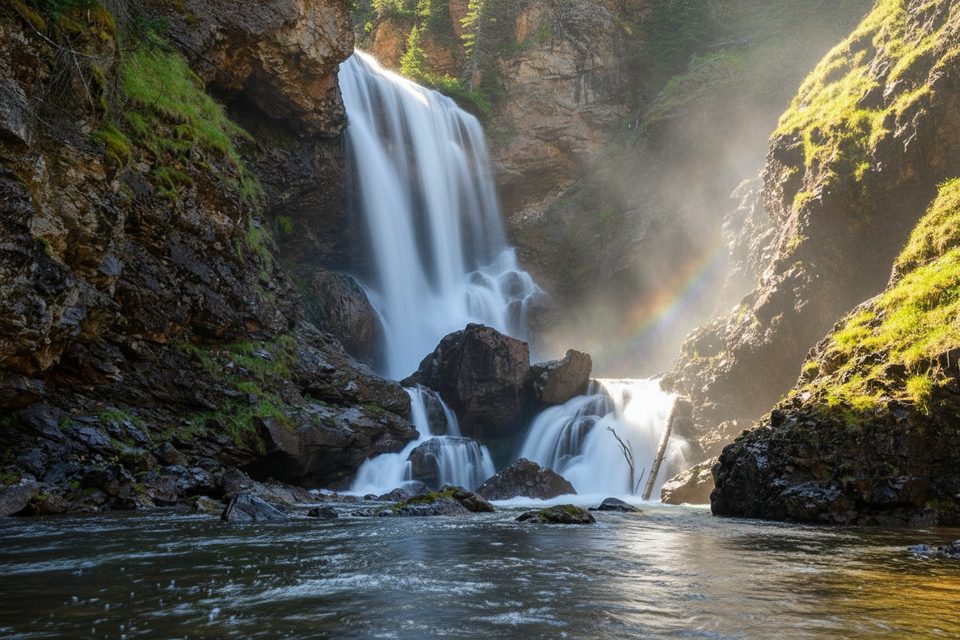
Place · 4.4 mi away
Place · 4.6 mi away
Challenging · 6.7 mi away
Moderate · 6.7 mi away
Challenging · 6.7 mi away
Challenging · 7.4 mi away

Parkwolf Tour Guide
