
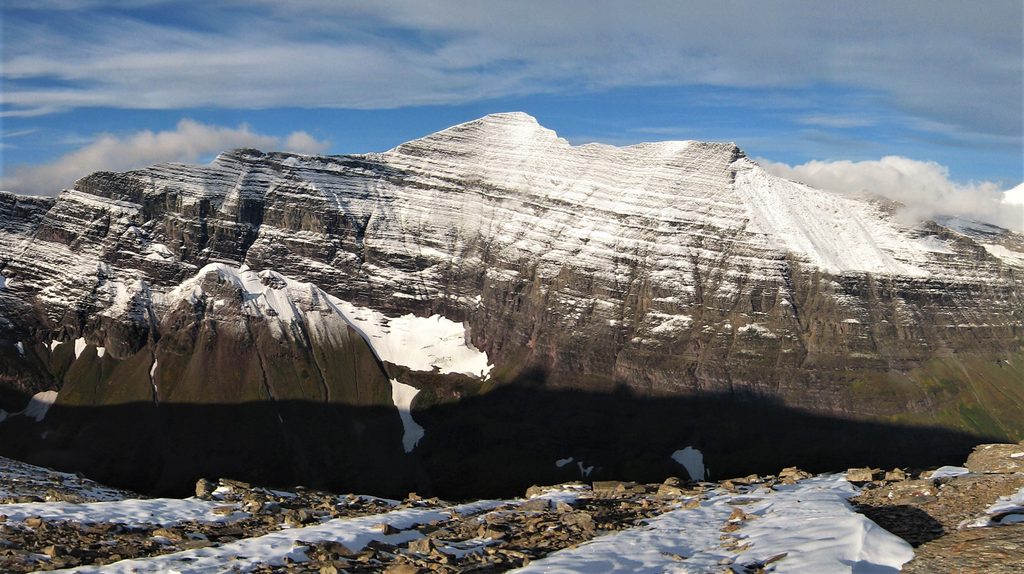
Place · 1.4 mi away
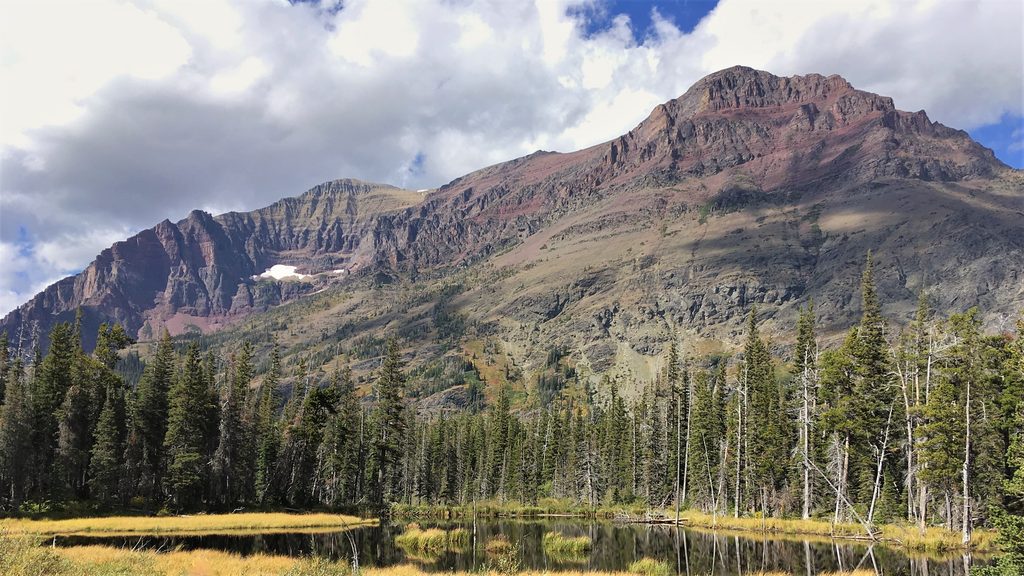
Rising Wolf Mountain (9,513 ft) is the hulking skyline anchor of the Two Medicine area and the highest summit in the valley. It’s a serious, rewarding objective with sweeping views and a satisfying ridgeline finish. Plan on a big, full-day effort—many parties take around 12 hours depending on fitness, conditions, and add‑ons.
The most straightforward line is via the Dawson Pass Trail to the ridge between Flinsch Peak and Rising Wolf, then along the ridge to the summit. For the descent, continue east along the ridge and take the south face back to the Dawson Pass Trail—do not drop the East Face. The East Face is notoriously deceptive with hidden cliffbands and has seen fatal accidents.
Ambitious day? You can combine Flinsch Peak via the connecting ridge for a terrific two‑summit day, but budget an extra 2–3 hours and 1,200–1,600 feet of gain. Total vertical can top 6,000 feet.
Prime season is typically July through September. Early summer can hold steep snowfields and lingering high‑country snow; by September, expect colder, more unsettled weather. High winds are common near Dawson Pass. Glacier’s rock is largely sedimentary and often loose—helmets and sturdy footwear are smart. Always check current trail status, seasonal bridge installs, and any closures before you commit.
Most parties start from the Two Medicine Lake trailheads by the boat dock/day‑use area. Parking can fill early in peak season—arrive early. Toilets are available at the day‑use/boat dock and picnic area. Potable water is seasonal at the nearby camp store and campground spigots; otherwise, bring what you need or plan to filter.
A seasonal boat shuttle on Two Medicine Lake can trim roughly 1–3 miles each way when it’s running—handy on a long summit day. Facilities, roads, and services are seasonal here, so verify what’s operating before you go.
This is grizzly country. Carry bear spray, make noise, and respect any wildlife-related closures. Know your turnaround time, and be ready to retreat if snow lingers on the ridge or storms build. Avoid the East Face for descent—stick to the ridge and south-face line.
Aim for mid-July through early September for the most reliable footing. Start pre‑dawn to build a safe daylight buffer, especially if tagging Flinsch. Weekdays help with parking, and the boat shuttle (when operating) is most useful for trimming approach miles on long summer days.
Place · 1.4 mi away
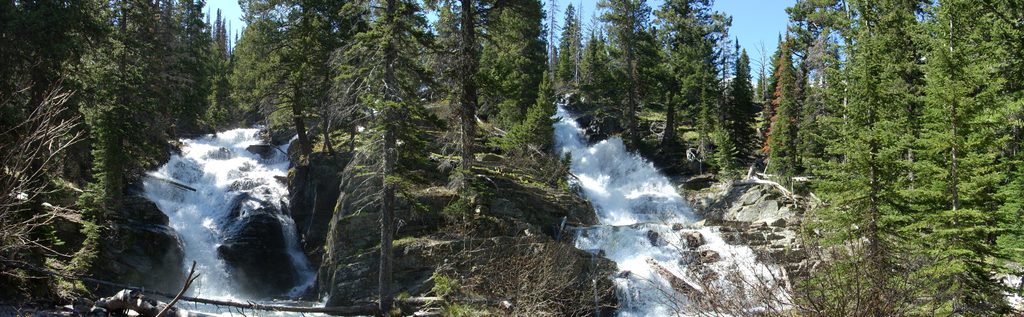
Place · 1.5 mi away
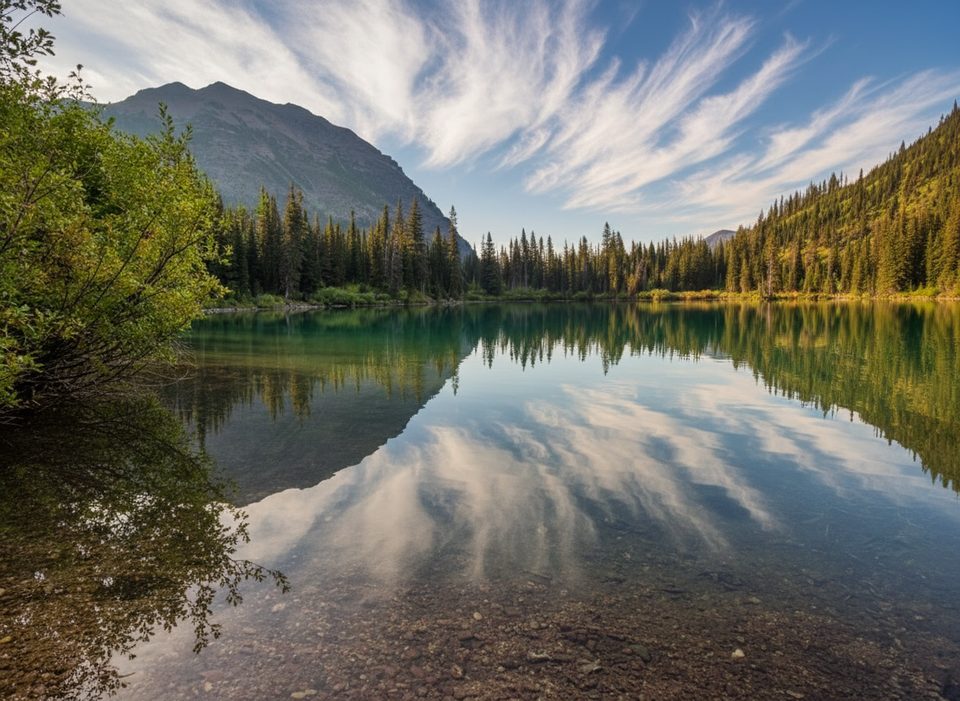
Place · 1.8 mi away
Place · 1.9 mi away
Challenging · 2.3 mi away
Challenging · 2.3 mi away
Moderate · 2.3 mi away
Moderate · 2.3 mi away

Parkwolf Tour Guide
