
Place
Challenging
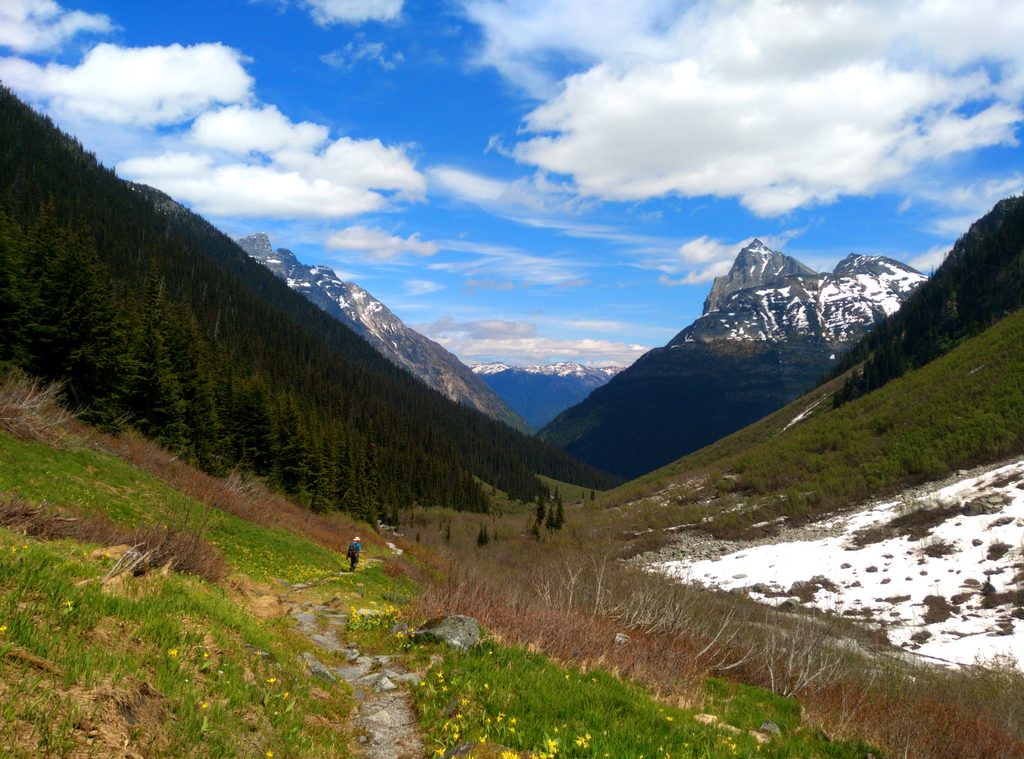
Balu Pass is a classic Rogers Pass hike that rewards early with big scenery. It’s an out-and-back totaling 7.7 miles (12.4 km) with about 2,775 feet (846 m) of gain, typically taking around 5 hours. Expect a steady climb and a few steeper pushes, but the tread is well maintained and easy to follow.
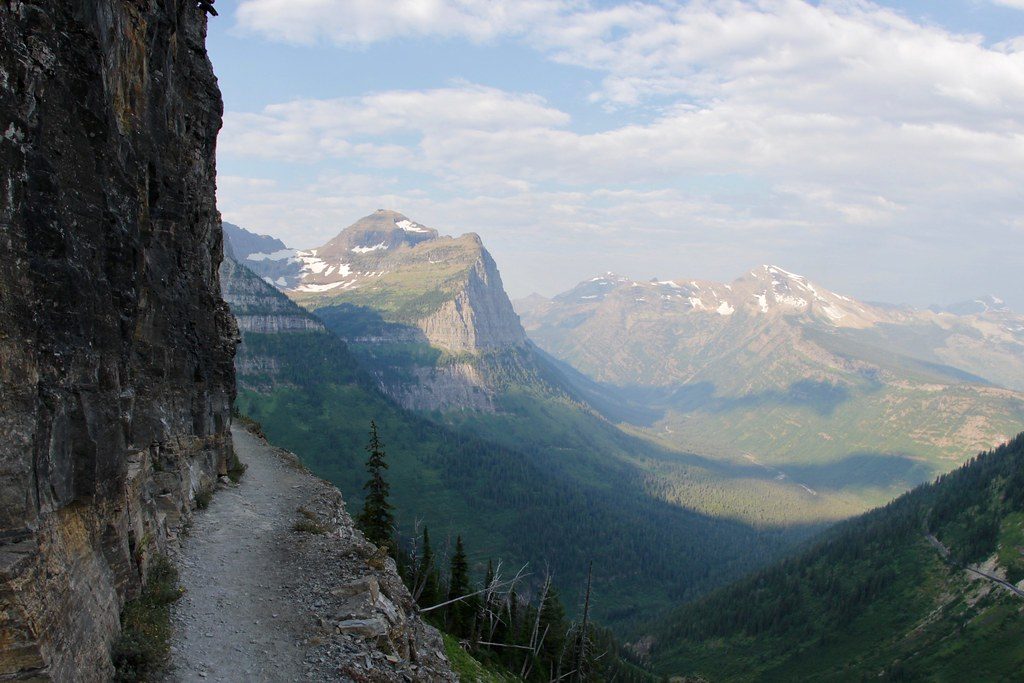
You’ll start with roughly a kilometer of cool, shaded forest—old western and mountain hemlocks—before popping into wide, open avalanche paths where the shade basically disappears. From here, it’s a mix of switchbacks and straightforward singletrack through meadows and alongside waterfalls, with sustained climbing in the upper kilometers. Look for signs of recent reroutes and rockwork: the park has been refining the line to protect wildlife and sensitive terrain.
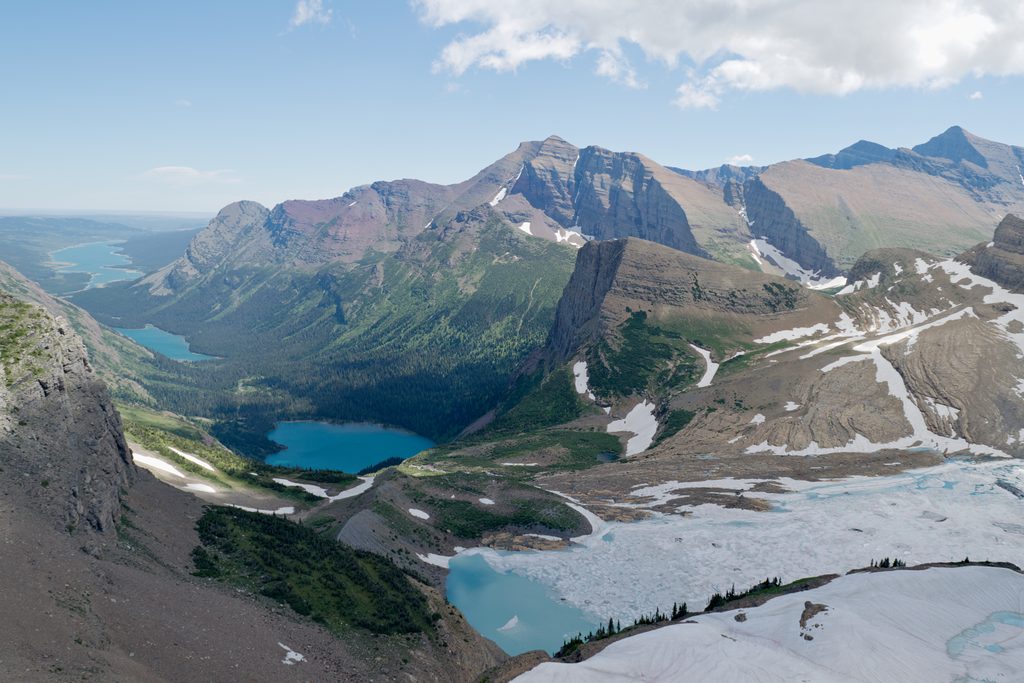
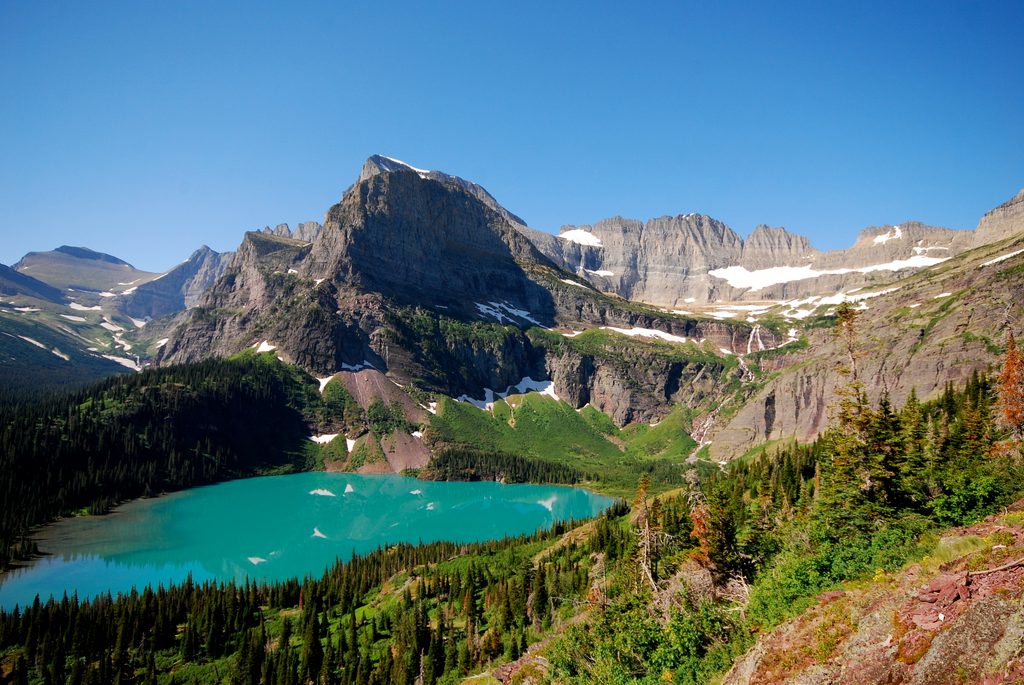
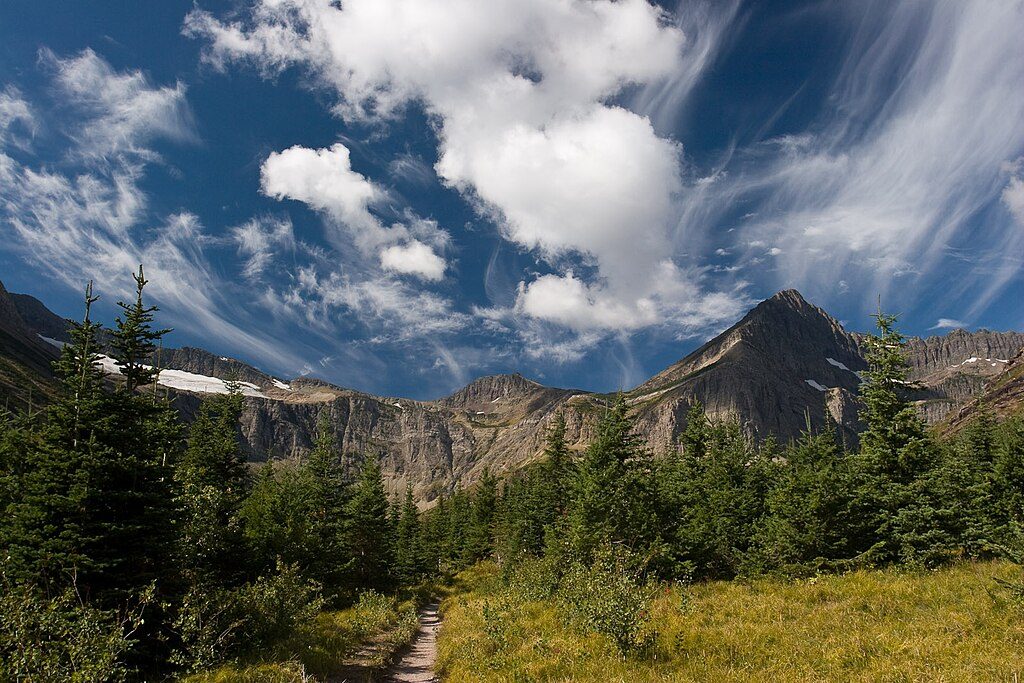
Once out of the trees, the views open fast. Meadows, “avalanche gardens,” and a big valley backdrop lead you toward an airy alpine pass. From the top, you’re staring at a who’s-who of Rogers Pass peaks: Ursus Major, Cheops Mountain, Tupper Mountain, Mount Macdonald, Mount Sir Donald, plus the Hermit Glacier and the Cougar Creek drainage. Pro tip: when you hit the “end of trail” marker, go right for the proper finish and best vantage.
This is prime bear habitat. You’ll often see fresh sign—digging for glacier lily roots and late‑season berry patches are common clues—and marmots are regulars in the upper meadows. Regulations typically require parties of four or more here in mid‑summer to early fall due to bear activity; plan partners accordingly and carry bear spray. Beyond hiking season, remember this valley is real avalanche terrain and a popular ski-touring zone—winter hazards apply.
Summer into early fall is the sweet spot. August is busiest; starting early beats the crowds and the sun. Fall often brings clearer air, fewer bugs, and quieter slopes. On warm days, expect full exposure once you leave the forest. Bugs can be pesky near the bottom in season—spray helps.
If you’re up for a solid climb with long stretches of open sun, Balu delivers a high‑value pass with classic Rogers Pass views and frequent wildlife sign. It’s a standout day hike in the park—steep in spots, yes, but consistently rewarding.
Park at the Rogers Pass Visitor Centre lot; the trail leaves directly from this parking area.
Seasonal rule typically requires groups of 4 from July 15–Sept 30 due to bear activity. Carry bear spray and make noise. The route is largely exposed after the first kilometer—sun and heat can be intense, and bugs linger lower down in season. In winter/spring this is avalanche terrain. Route note: at the “end of trail” sign, go right. A few metal see‑through bridges may unsettle some dogs.
Place
Place
Place
Place
Challenging
Challenging
Challenging
Challenging

Parkwolf Tour Guide
