
Place · 0.1 mi away
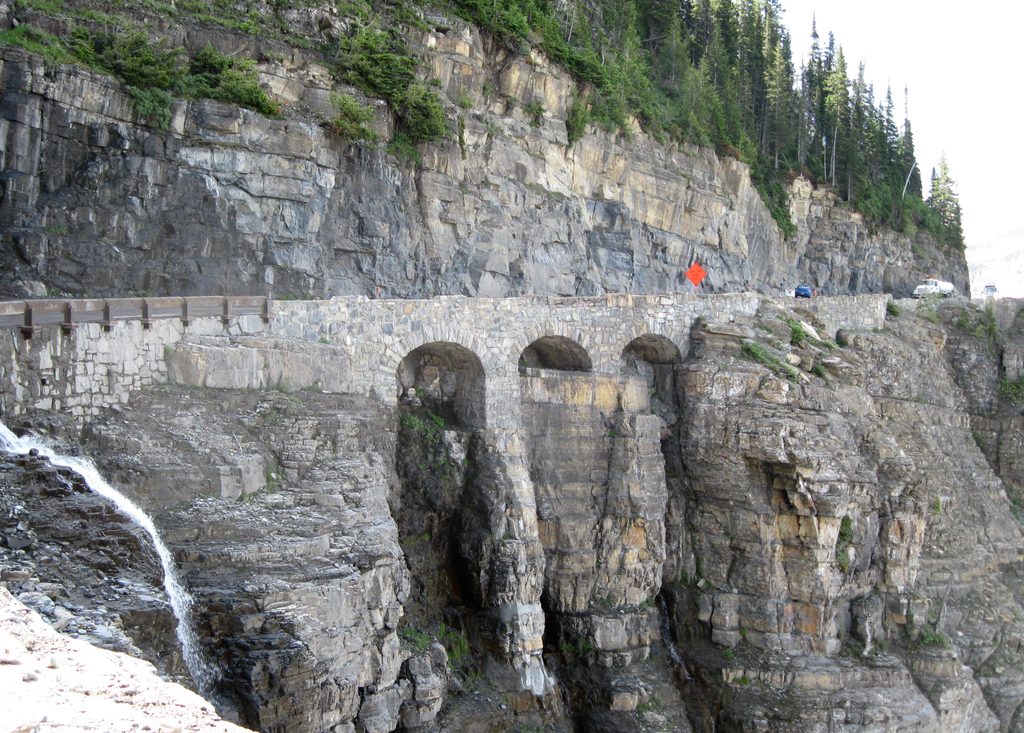
Going-to-the-Sun Road is the park’s signature 50-mile scenic drive, running west to east between Apgar and St. Mary and climbing over the Continental Divide at Logan Pass. It’s both a visual knockout and a historic feat of mountain road-building—surveyed in 1918, completed in 1933, and recognized as a National Historic Landmark for its design and engineering.
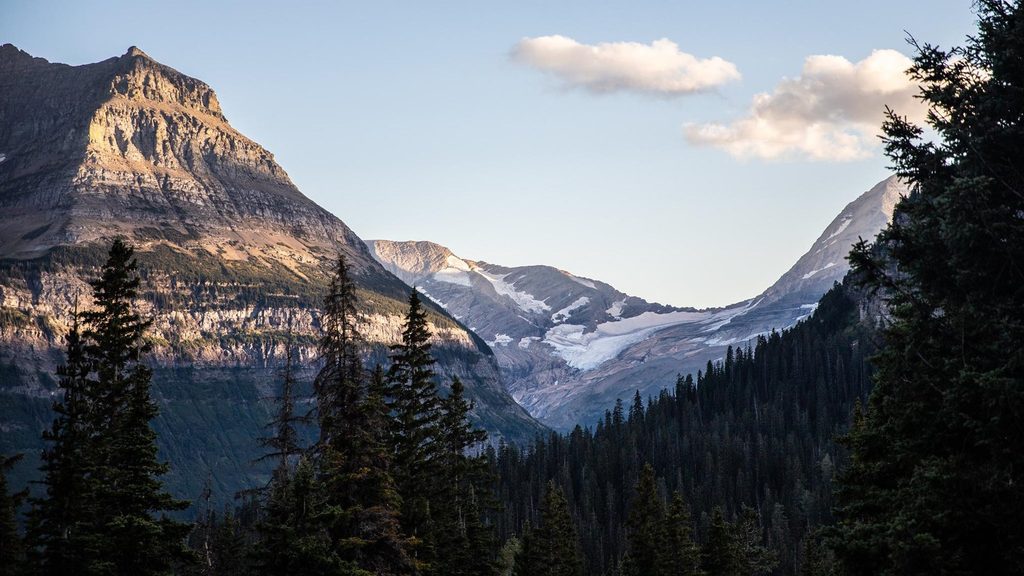
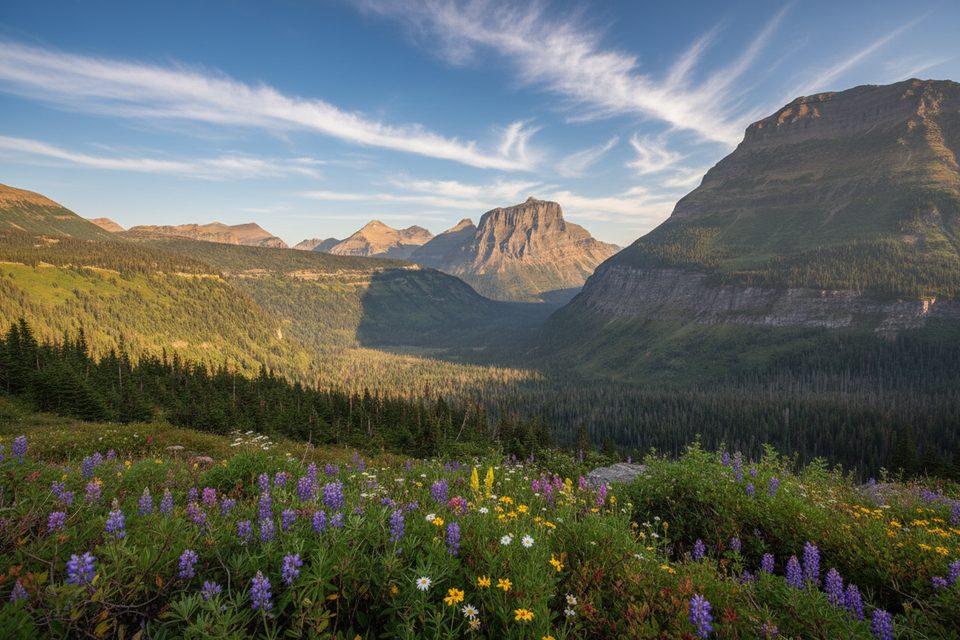
Expect a greatest-hits reel of Glacier landscapes: glacier-carved peaks and U-shaped valleys, deep-blue lakes, lush forests, waterfalls, and wide-open alpine terrain. Classic stops include Big Bend, the Jackson Glacier Overlook, and the splashy Weeping Wall. Wildlife sightings are common—mountain goats and bighorn sheep around the high country, marmots and deer in meadows, and occasional bears along the corridor.
Logan Pass is the high point and the crowd magnet—panoramic views and trail access make it the star stop. Elsewhere along the road you’ll find plentiful viewpoints and trailheads ranging from quick leg-stretch walks to big-name hikes.
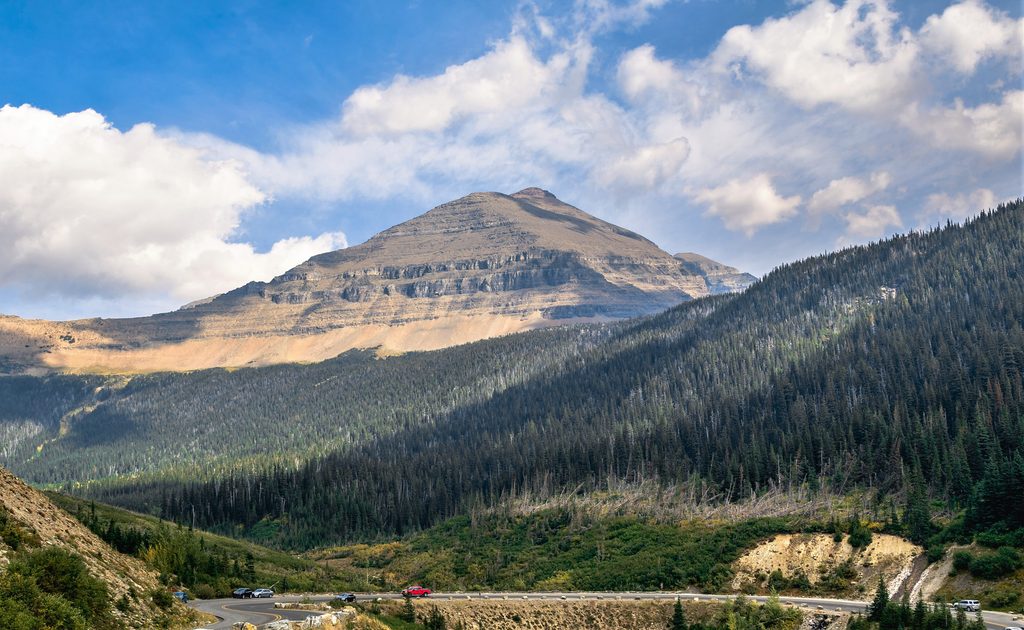
This is the park’s most popular attraction, so plan accordingly. Parking at Logan Pass fills early and stays tight most of the day. Some sections are narrow with airy drop-offs; if heights make you uneasy, driving east to west tends to feel more tucked into the mountainside. Weather can change fast—especially up high—so bring layers, water, and patience.
Summer offers the full, end-to-end drive when snow allows, but it’s also the busiest. Aim for early mornings for lighter traffic and a shot at parking. Spring is prime for cyclists before cars return. Whenever you go, check current conditions and any reservation requirements before rolling out.
Built to blend into the terrain, the road was a pioneering project that set the standard for national park road design. As you drive, you’re looking at textbook glacial geology—cirques, arêtes, and broad U-shaped valleys—plus the literal spine of the continent at Logan Pass, where waters split toward the Pacific and Atlantic.
Place · 0.1 mi away
Place · 1.2 mi away
Place · 1.7 mi away
Place · 1.8 mi away
Challenging · 0.1 mi away
Challenging · 0.1 mi away
Moderate · 0.1 mi away
Challenging · 1.7 mi away

Parkwolf Tour Guide
