
Place
Challenging
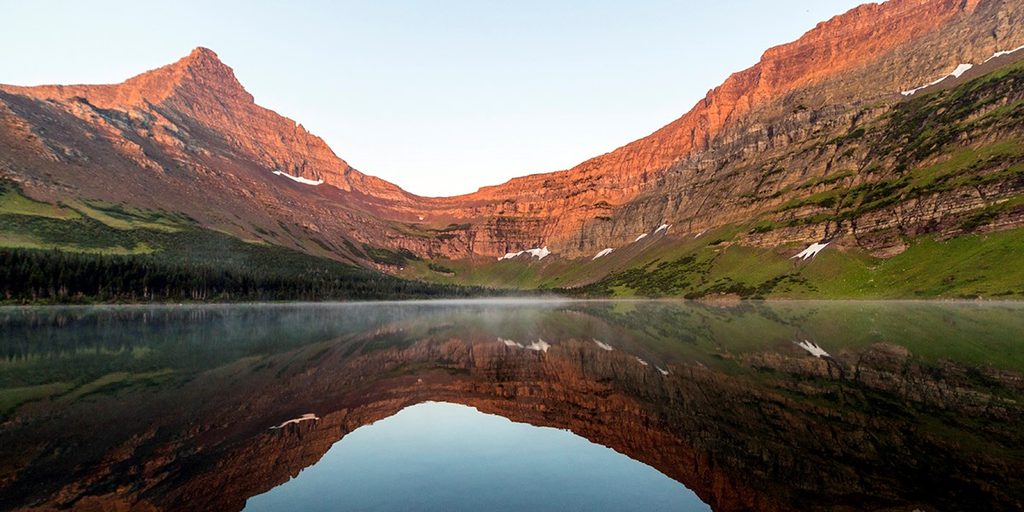
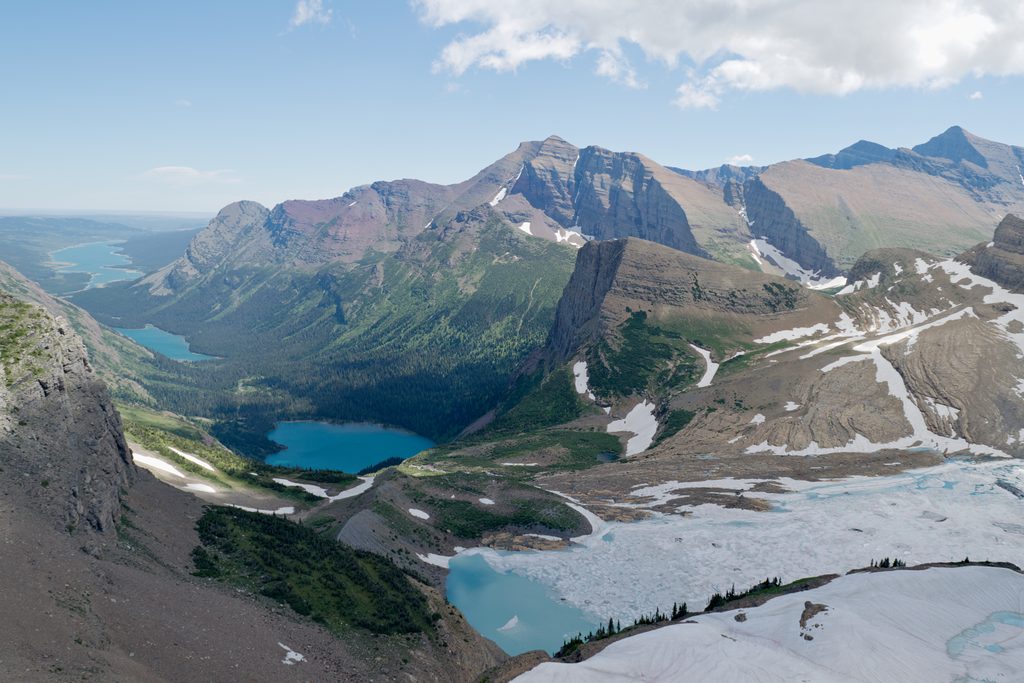
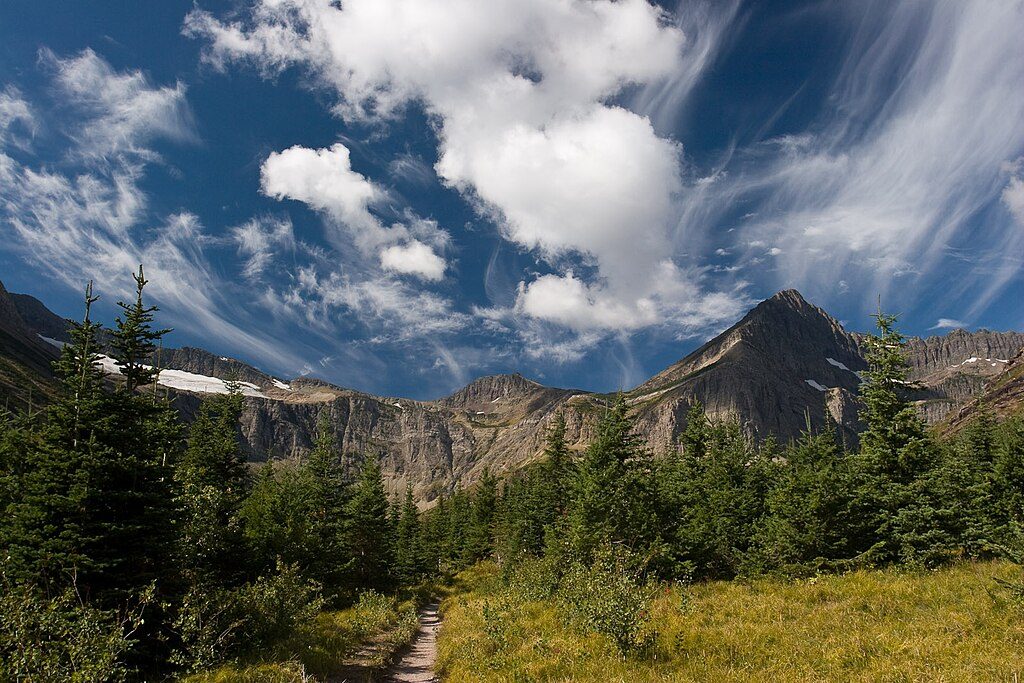
This is a big day in Two Medicine: roughly 13.3 miles total, out-and-back, with about 1,850 feet of gain and a typical finish around the 6‑hour mark for steady hikers. The route follows the Pitamakan Pass Trail along Dry Fork to Oldman Lake—a classic cirque tucked beneath Mount Morgan and Flinsch Peak, with Pitamakan Pass looming above. Expect a varied approach of sunny meadows, mixed pine forest, and small aspen groves before the drama kicks up in the upper basin.
From the North Shore Trailhead in the Two Medicine Campground, you’ll cross a footbridge and take the right fork toward Pitamakan Pass. The trail swings around the campground lakes, then traverses the lower slopes of Rising Wolf Mountain. Around 2.3 miles you cross Dry Fork, then settle into broad valley walking. At about 4.2 miles, the views open wide toward Flinsch Peak and Mount Morgan. Near 6.3 miles, look for the signed side trail to Oldman Lake—right after a notably thick huckleberry patch. The short spur drops through a haunting “ghost forest” of dead whitebark pine, passes the backcountry campground (four sites), and reaches the shore. The lake is a beautiful, often breezy place to linger.
If you’ve got the legs and time, the climb from the lake up to Pitamakan Pass is a steep bonus (about 1.4 miles and 750+ feet up) with fantastic, birds‑eye views. It’s a strong add, but it turns a long day into a very long day—plan accordingly.
Wind at the lake can be legit. Early season often brings lingering snowfields near the basin, dynamic water crossings, and patchy route finding where snow covers the tread. Seasonal bridges typically go in by mid‑July and start coming out late September. Expect occasional downed trees, muddy stretches, and unstable snags in burned or beetle‑affected areas. This is prime bear country—huckleberries are a seasonal magnet—so travel in groups when possible, make noise, store food properly, and be prepared. Cell service is unreliable; download offline maps before you go.
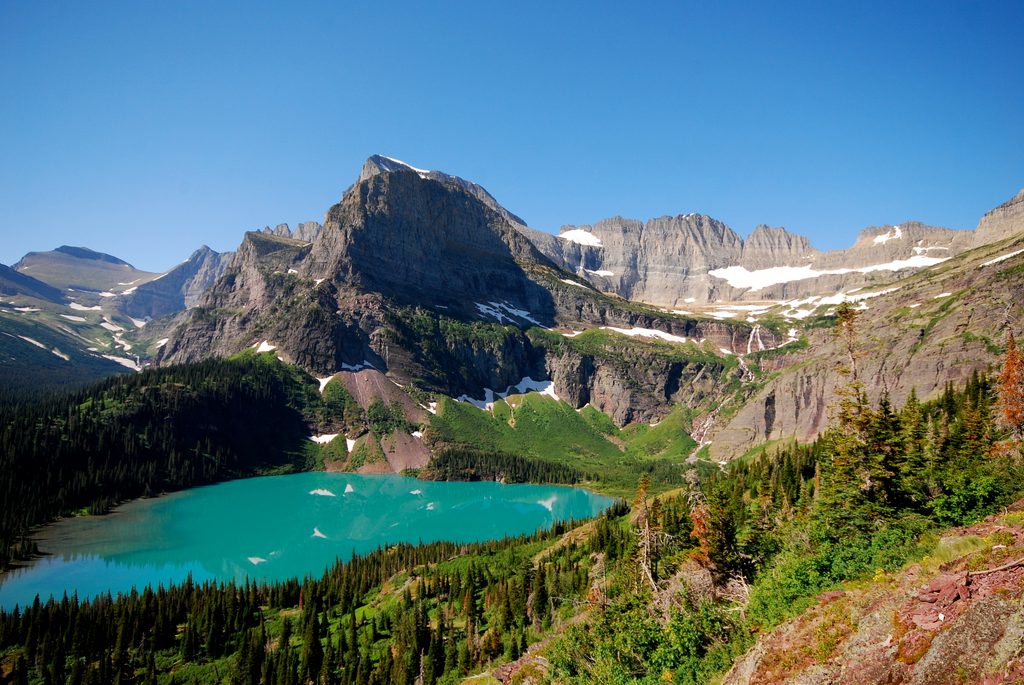
Those thick huckleberry corridors right before the lake junction are a highlight when in season. The whitebark pine “ghost forest” near the lakeshore is a stark ecological scene tied to widespread mortality from disease—sobering, memorable, and photogenic in its own way. The approach alternates between lodgepole stands, open meadows, and aspen pockets before delivering a classic Glacier cirque setting at the water’s edge.
August is the sweet spot: most snow and water hazards are gone, daylight is long, and camps are generally open (always subject to wildlife or fire closures). July transitions from messy to manageable as snow melts and bridges go in—great if you’re flexible and prepared for mixed footing. September can be lovely but carries real snow chances, brisk winds, and the removal of seasonal bridges late month; bears are especially active then. Start early to beat both crowds and afternoon gusts, and pack layers for big temperature swings between shady forest, open meadows, and the wind-exposed basin.
If you’re up for the distance, Oldman Lake rewards with variety on the way in and a rugged alpine payoff at the end—plus the option to push higher to Pitamakan Pass for one of Two Medicine’s best panoramas. It’s long and can feel exposed at the lake, but the setting is the definition of Glacier grandeur.
Park at the North Shore Trailhead inside the Two Medicine Campground (about 0.5 mile in from Two Medicine Road); a small secondary lot sits just before the main lot if it’s full.
Long day with wind exposure at the lake, lingering early-season snowfields, and potentially deep, cold water crossings before mid-summer. Seasonal bridges are usually installed by mid-July and removed by late September. Expect unreliable cell service, possible downed trees, and bear activity—especially near huckleberries.
Place
Place
Place
Place
Challenging
Challenging
Challenging
Challenging

Parkwolf Tour Guide
