
Place
Challenging
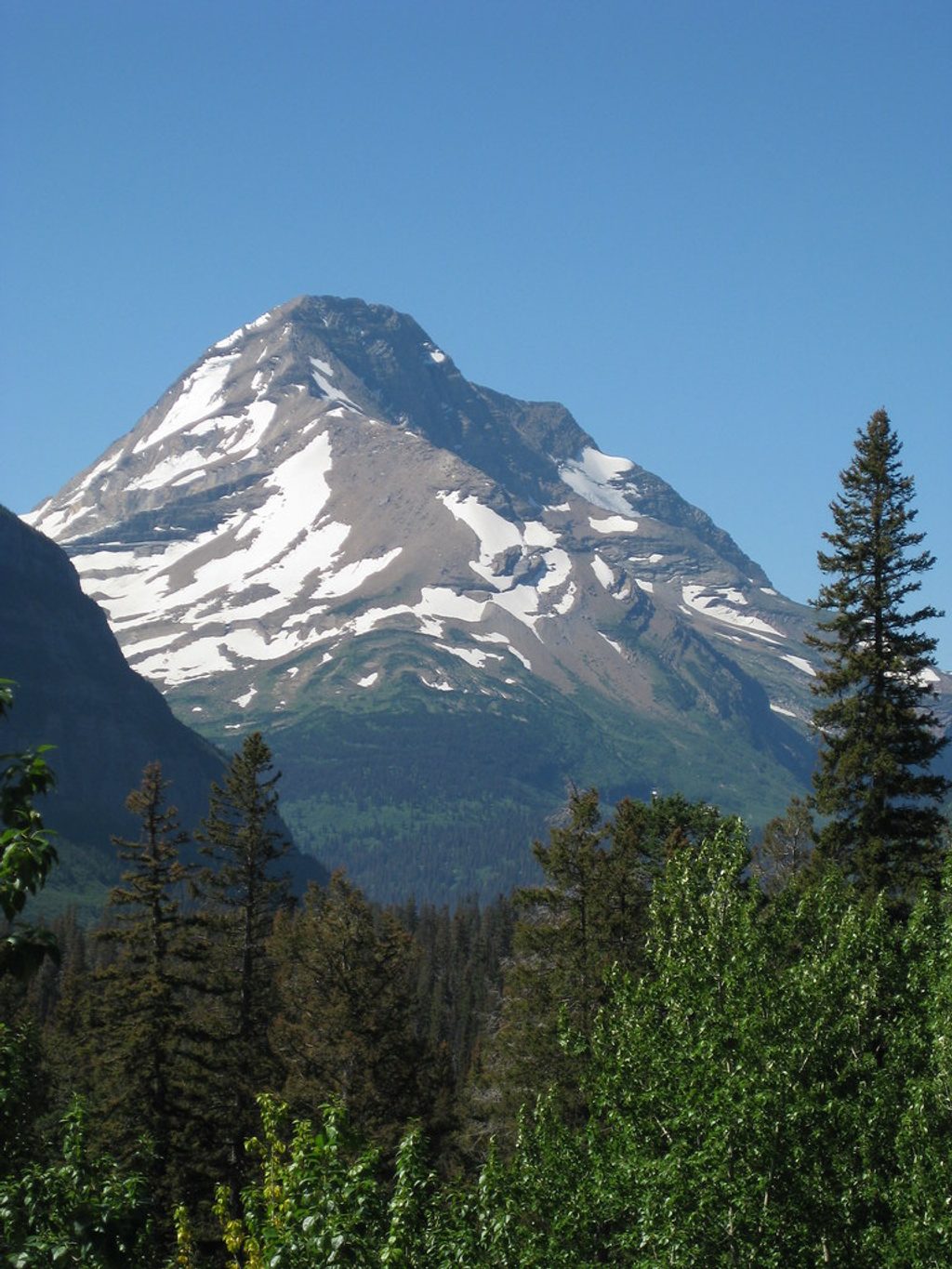
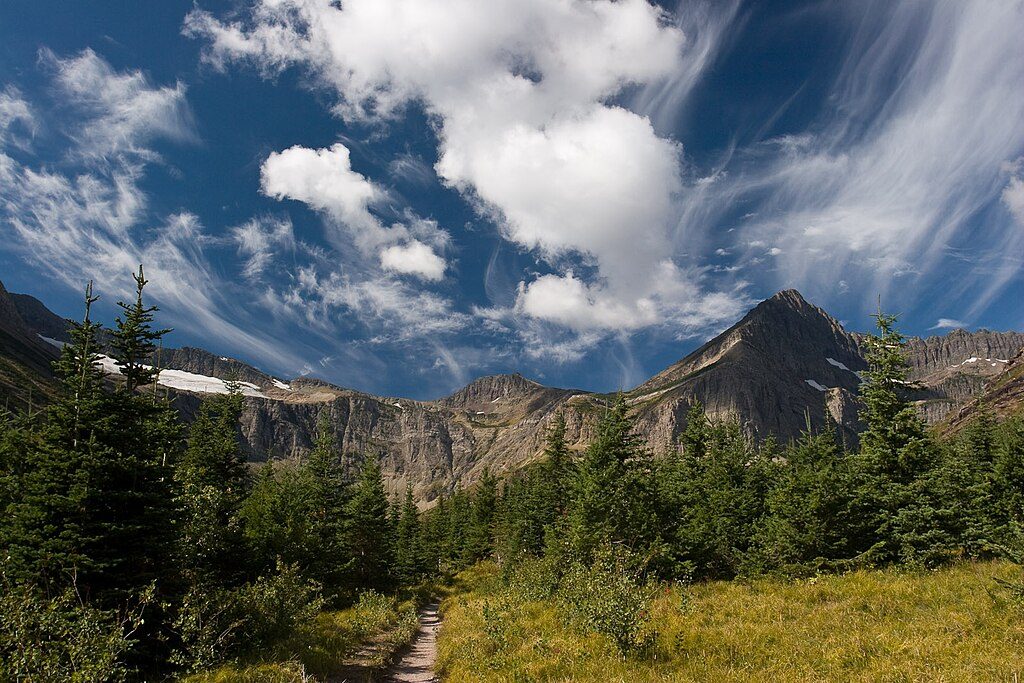
This is the east side Glacier hike people whisper about when they want big scenery without the tour-bus crowds. The Triple Divide Pass Trail runs roughly 14.3 miles round trip, out-and-back, with about 2,500 feet of total gain. You’ll follow creeks and meadows from the Cut Bank region to a high, windy pass tucked between Triple Divide Peak and Mount James. Expect solitude, a steady climb, and a finale that feels like you’re standing on a continental hinge.
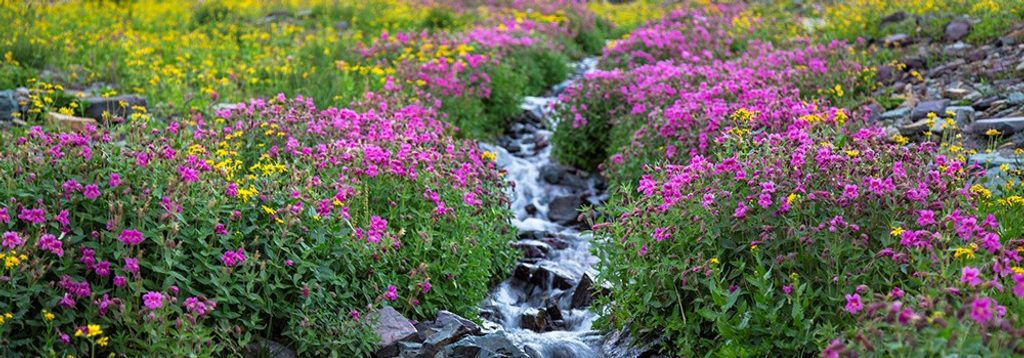
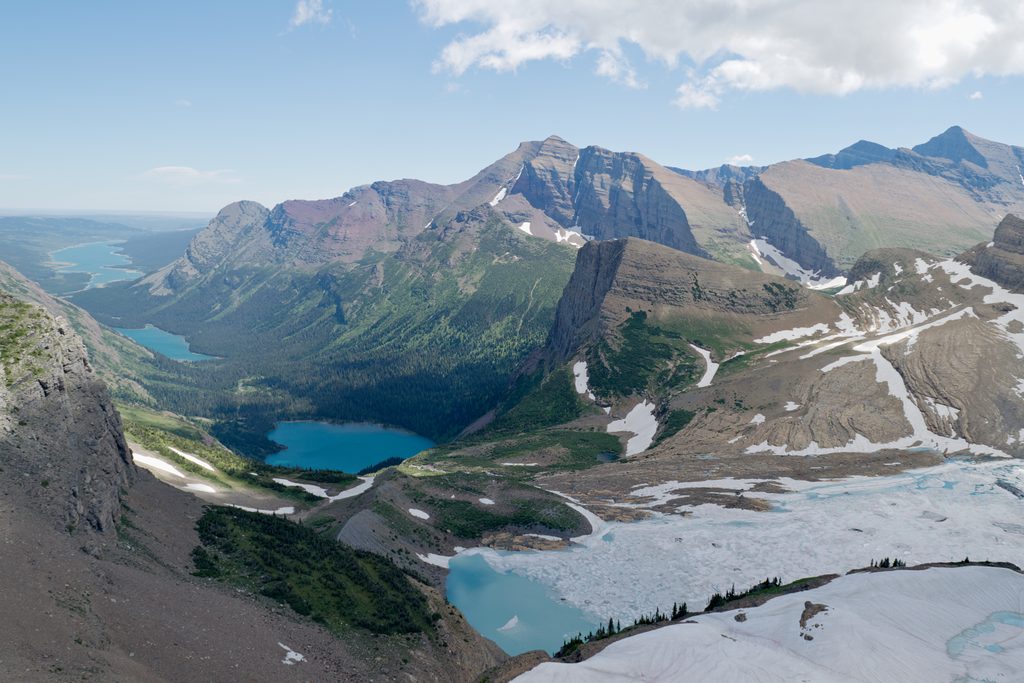
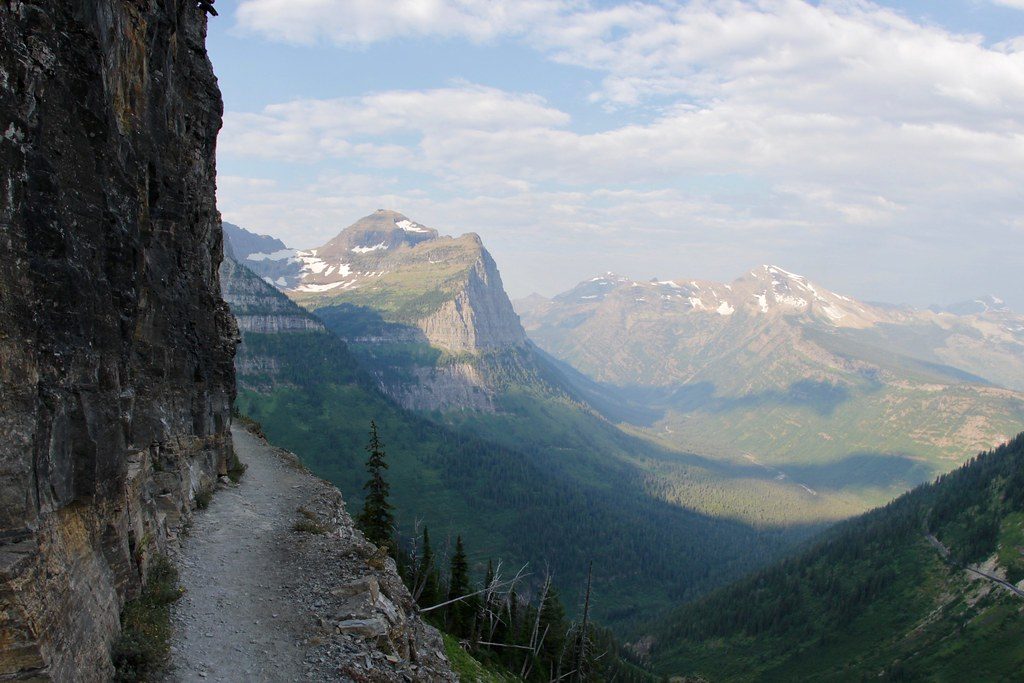
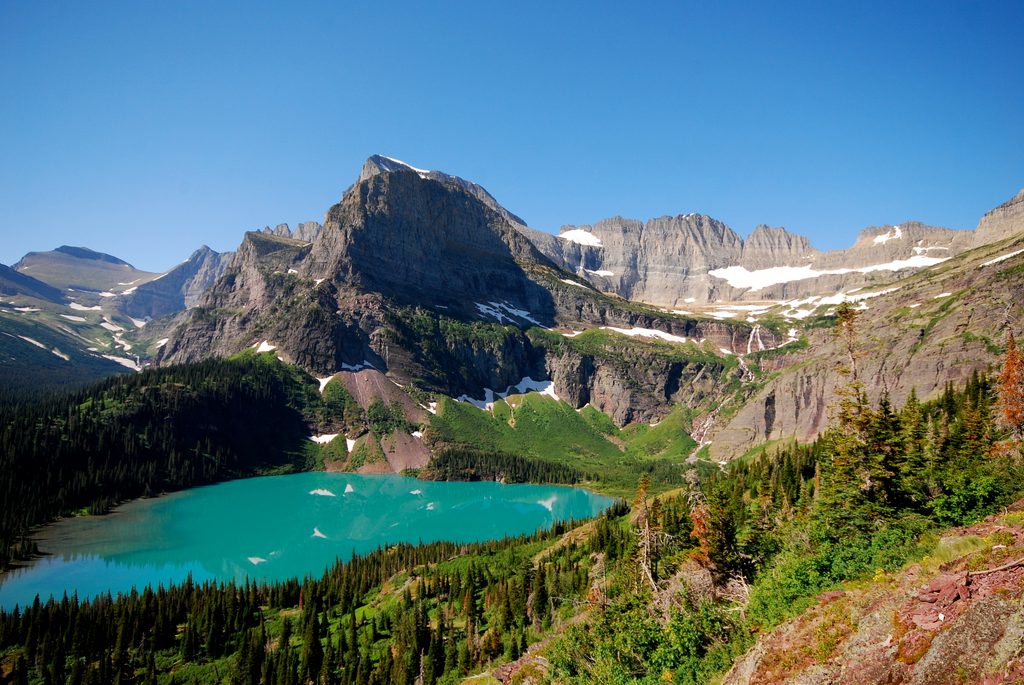
From the Cut Bank area, you’ll walk the Pitamakan Pass Trail along North Fork Cut Bank Creek, then turn up the Triple Divide Trail near Atlantic Creek. Meadows bloom with wildflowers in season, and the long U‑shaped, glacier‑carved valley funnels your gaze toward Medicine Grizzly Lake—seen beautifully from above as you ascend. The final 2.6 miles to the pass are the crux: steep, narrow in places with airy drop‑offs, and often windy. The pass tops out around 7,397 feet.
Triple Divide Peak defines a rare hydrologic crossroads: precipitation here drains toward the Pacific, the Gulf of Mexico (Atlantic), and Hudson Bay. That geologic oddity sits amid classic Glacier landforms—bold glacial horns, broad U‑valleys, and colorful metasedimentary bands—and it all unfolds in a corner of the park that still feels wild.
Call it moderate-to-strenuous for most hikers due to the mileage and sustained climb. Snow can linger on the pass well into summer; when it does, traction (microspikes or similar) may be necessary. Winds at the pass are common and can be biting even on sunny days. Cell service is unreliable.
Aim for midsummer through early fall once snow has melted. Start early for cooler temps, calmer winds, and easier parking. Weekdays magnify the solitude. Morning light paints the valley and Medicine Grizzly Lake; late-day light can be gorgeous but watch the wind and give yourself time for the descent.
This is prime grizzly country thanks to abundant berries—travel in a group, make noise, and carry bear spray. Moose frequent the willow-choked flats, and gray wolves roam the area, so keep your distance and your food secured. Trekking poles help on the steep, exposed upper miles. Backpackers can break the day at Atlantic Creek wilderness campground (permit required). Pets are not allowed on park trails.
Drive Cut Bank Road west for about 5 miles on gravel to the small lot just past the ranger residence in the Cut Bank area; parking is limited, so arrive early.
Prime grizzly habitat—make noise and carry bear spray. The last 2.6 miles are steep and narrow with exposure and frequent high winds. Snow may linger on the pass; traction can be necessary. Cell service is unreliable.
Place
Place
Place
Place
Challenging
Challenging
Challenging
Challenging

Parkwolf Tour Guide
