
Place · 0.7 mi away
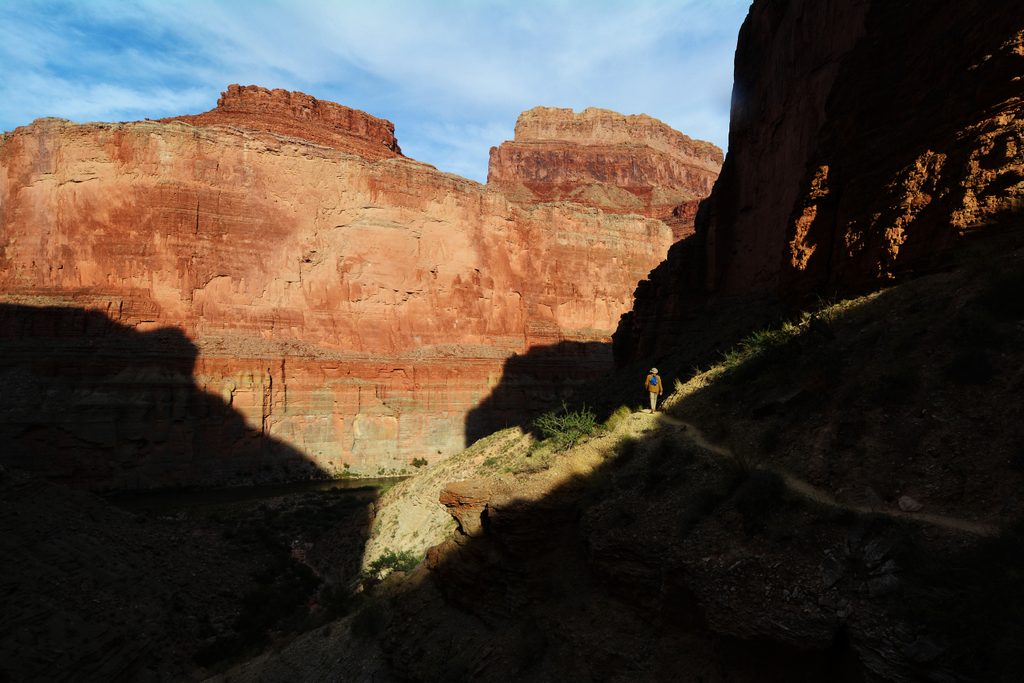
A remote, narrow side canyon on the north side of the Colorado River, Saddle Canyon delivers classic Grand Canyon limestone narrows, boulder scrambles, and a rare treat here: a small perennial waterfall feeding lush, oasis‑like vegetation.
Once you leave the river mouth, the canyon quickly tightens into cool, vertical‑walled corridors. Smooth limestone benches, slickrock, and a trickling creek foster vibrant riparian plants (look for cardinal monkeyflower clinging to damp walls). It’s a quieter, wilder experience than the park’s marquee viewpoints, and the light filtering into the narrows makes this a standout photography stop.
Most visitors arrive on Colorado River rafting trips and hike up from the river mouth; a steep, loose talus approach and scrambling are part of the deal. A few experienced backcountry hikers reach upper sections from the North Rim, but that’s strenuous and requires strong navigation skills. Expect limited time if you’re with a river group—many parties only get a short window to explore.
Flash floods are the big hazard here, especially during summer monsoons. Do not enter the narrows if storms are forecast—even distant ones. Wear sturdy footwear for slick, sometimes wet rock. Carry your own water and food; treat or filter any creek water.
The riparian corridor supports songbirds and small canyon wildlife; mule deer and wild turkeys are sometimes seen in surrounding forests on approaches from above.
Aim for stable weather when storms are not in the forecast; avoid the summer monsoon period due to flash‑flood danger. Crowds are rarely an issue thanks to the canyon’s remoteness. Photographers will appreciate the soft, filtered light in the shaded narrows throughout much of the day.
No developed amenities—no restrooms, no tables, no parking, no potable water. Nearby river camps (like Upper Saddle) are primitive; standard river protocol is to pack everything in and everything out.
Place · 0.7 mi away
Place · 4.7 mi away
Place · 4.9 mi away
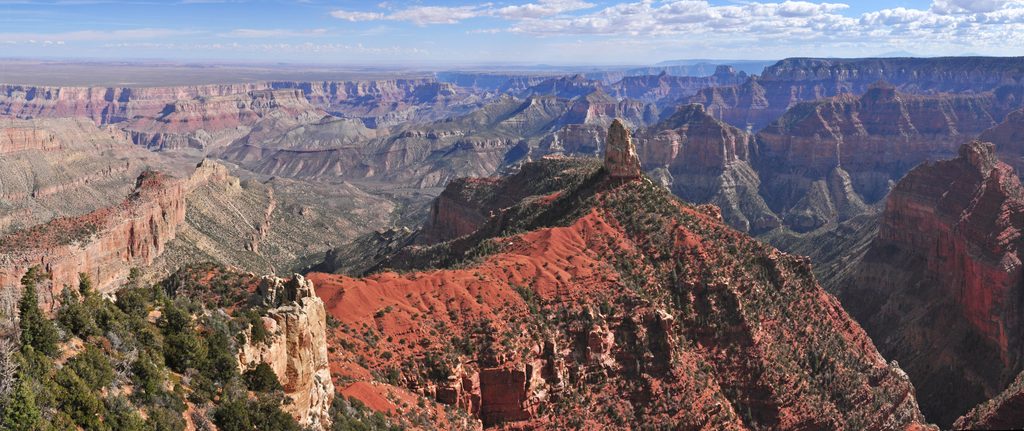
Place · 7.8 mi away
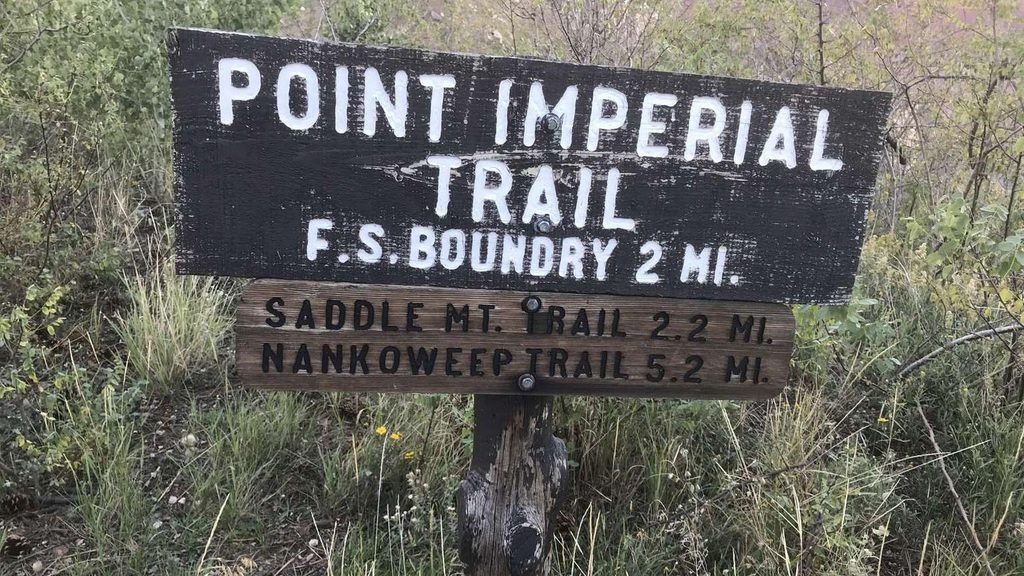
Easy · 7.8 mi away
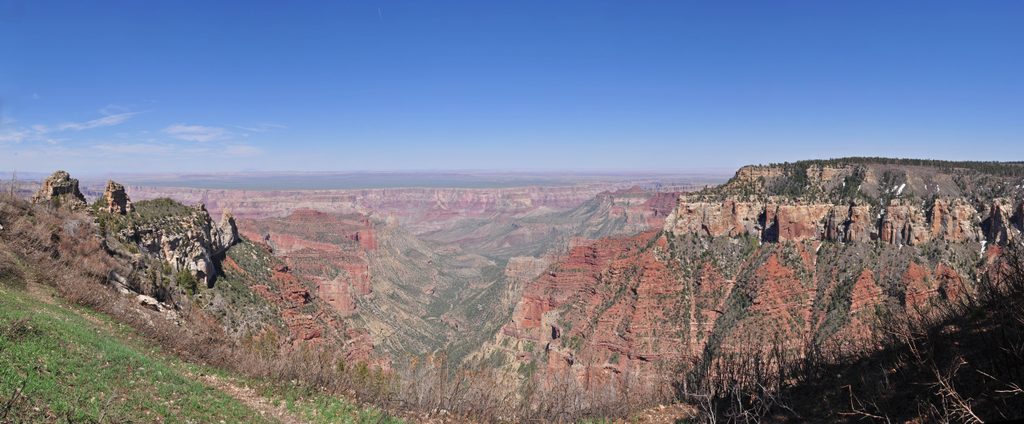
Easy · 10.9 mi away
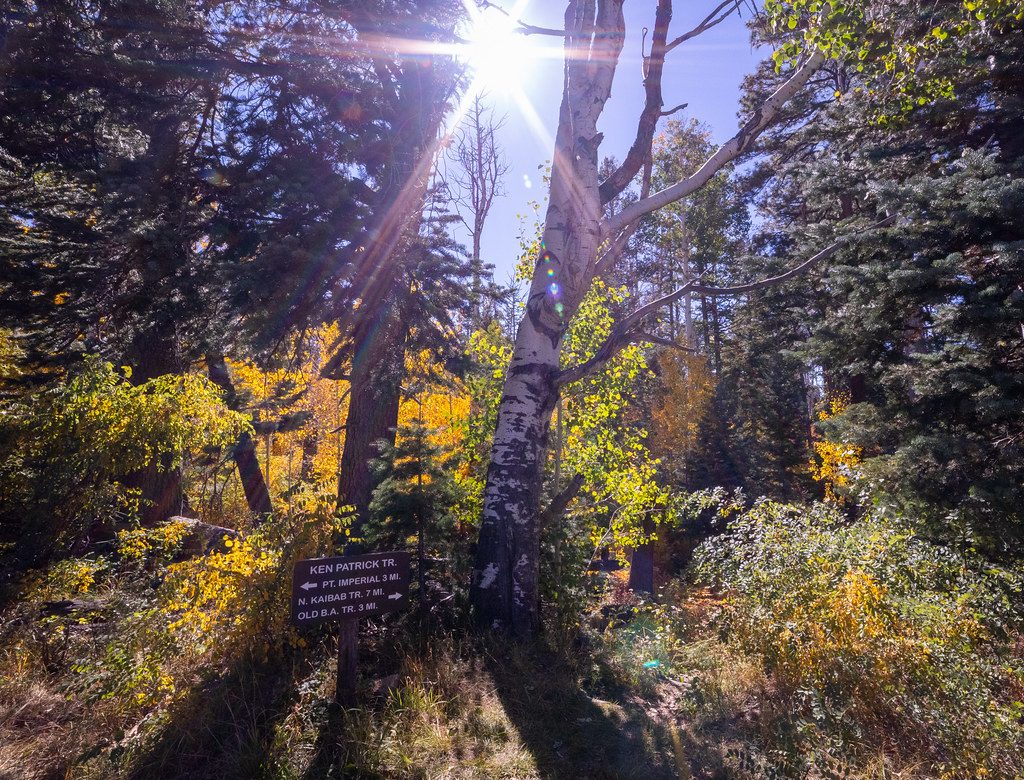
Challenging · 13.8 mi away
Moderate · 13.9 mi away

Parkwolf Tour Guide
