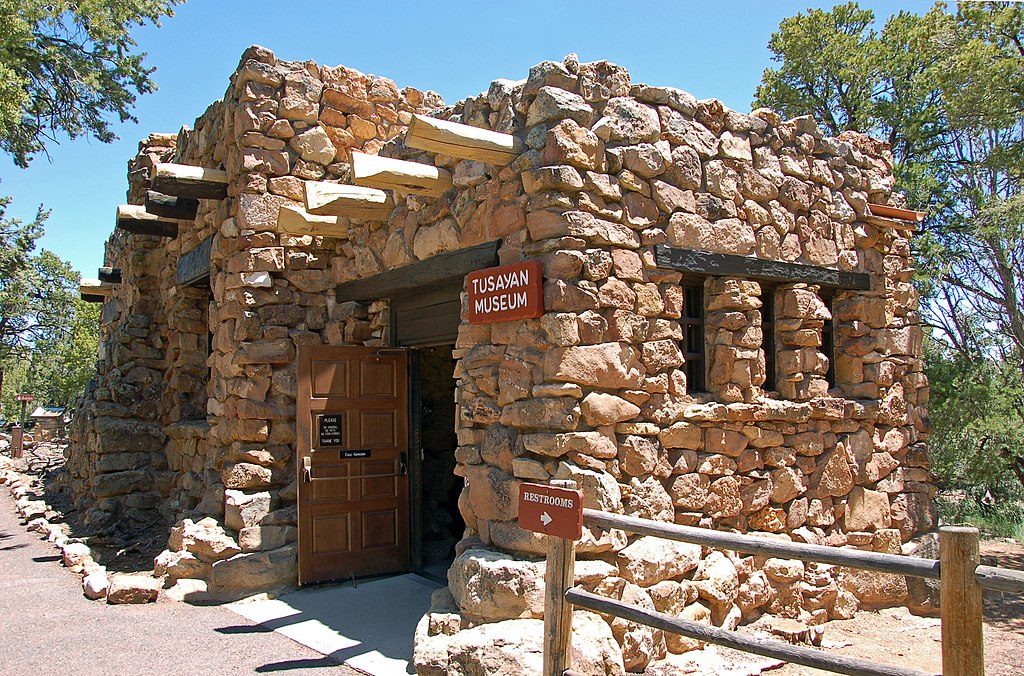
Tusayan Ruin and Museum

Ancient Pueblo ruins paired with a small, artifact-rich museum
Tusayan Ruin and Museum, Grand Canyon National Park
InsideGrand Canyon National Park

Overview

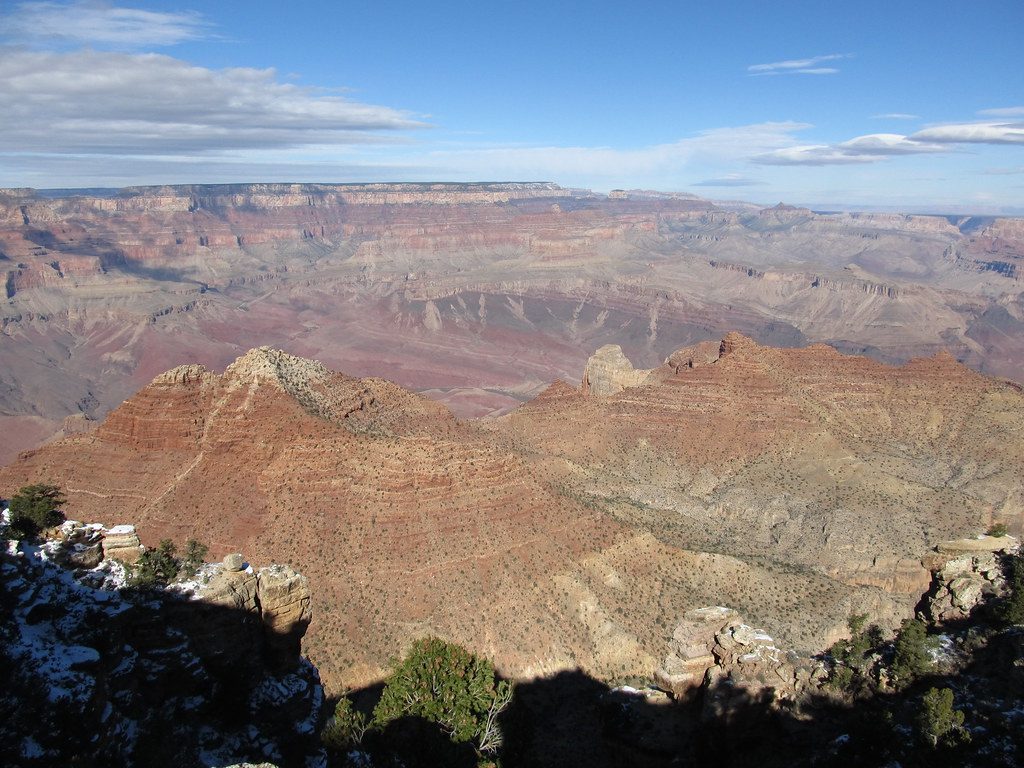
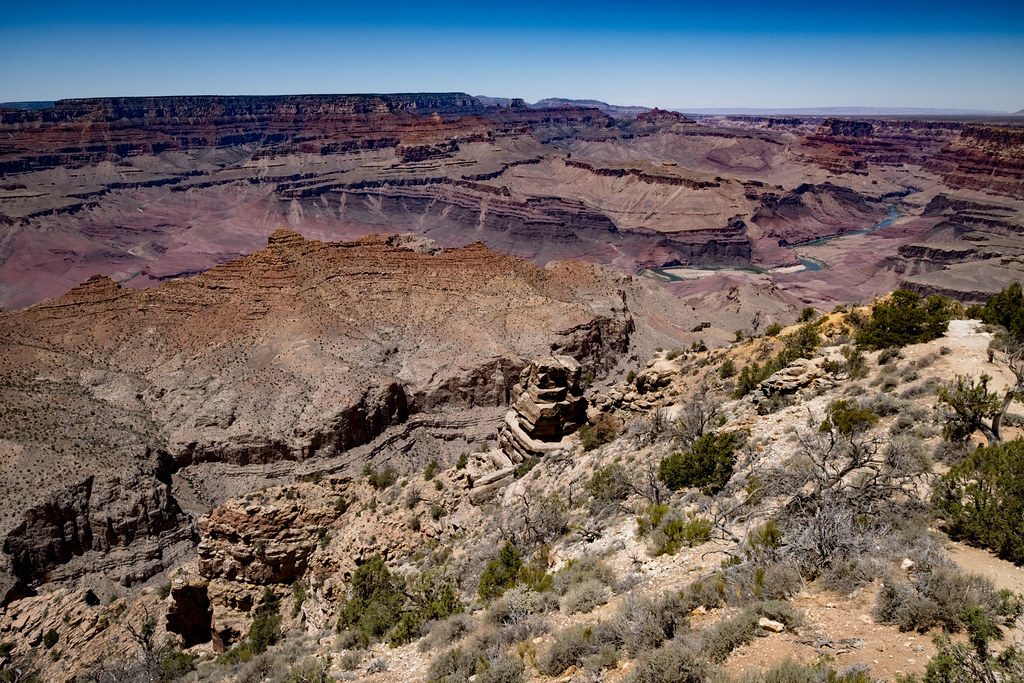
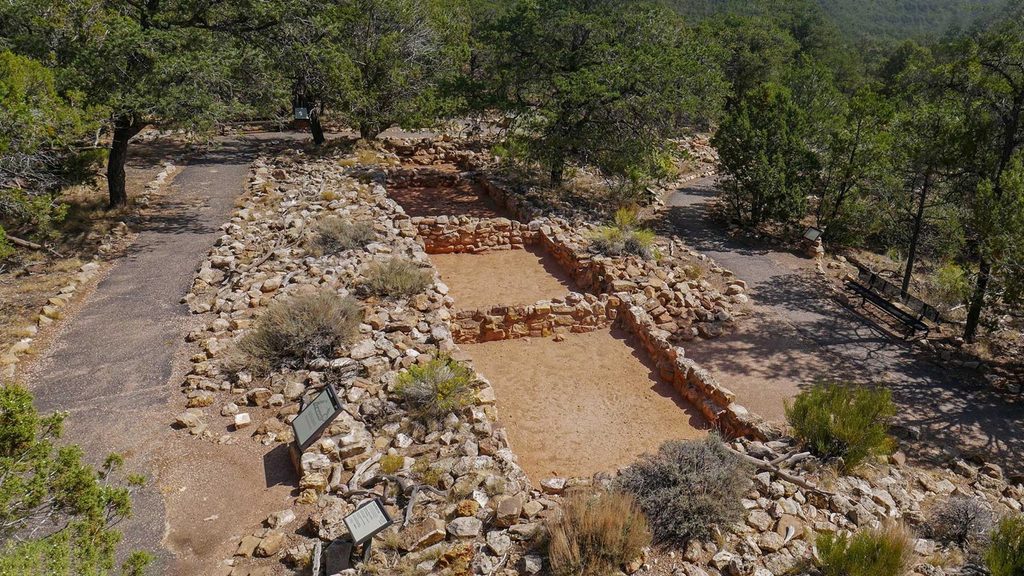
Three miles west of Desert View, Tusayan Ruin and Museum is where the canyon’s human story clicks into focus. You’ll stroll a short paved loop around the remains of an 800-year-old Pueblo village, then duck into a 1928 stone museum that’s small but surprisingly rich. It’s quieter than the marquee overlooks—perfect when you want meaning over mileage.

What You’ll See

  • Ruins of a compact village with room blocks, storage spaces, and a kiva. Interpretive signs make it easy to imagine daily life here.
  • A one-room museum with artifacts like pottery, tools, corncobs, and even ancient split‑twig figurines. Exhibits connect the ruins outside to the wider Indigenous history of the region.
  • When operating, a nearby Native American artisan market selling authentic crafts.

Why It’s Unique

On the South Rim, this is the rare, easy-to-reach place to see original, unreconstructed Ancestral Puebloan ruins in their natural setting. If you’ve focused on geology up to now, this is the stop that rounds out the canyon with people and time.

How Long It Takes

Plan 30–60 minutes for the museum and the short loop. Ranger-led walks run when available; self-guided signs cover the essentials if not.

Practicalities

  • Free to visit (you still need a park entrance pass).
  • Parking on-site; short paved loop around the ruins.
  • Restrooms are present; no food services here—head to Desert View or the Village for snacks.
  • The museum is occasionally closed; check current status before you go.

Wildlife

This isn’t a wildlife hotspot, but keep an eye out for ravens, lizards, mule deer, and songbirds in the surrounding piñon‑juniper woods.

History Snapshot

The village was built around 1185 CE and likely housed about 30 people for a couple of decades. The museum building itself dates to 1928 and was designed in a style inspired by Hopi architecture, part of early park-era interpretation of the canyon’s human past.

Best Time to Visit

  • Warmer months: Ruins are easiest to see when they’re not snow-covered.
  • Mid-mornings or late afternoons: Calmer than peak midday rim stops and nicer light for photos.
  • Weekdays: Fewer tour groups, easier parking.

Pair It With

Desert View Watchtower is just down the road—combine the two for a satisfying culture-and-views circuit on the South Rim.

Pros

  • Authentic 800-year-old Pueblo ruins with a short interpretive loop
  • Compact museum packed with artifacts and context on Ancestral Pueblo life

Cons

  • Small site and a brief stop compared to big rim viewpoints
  • Museum hours and ranger programs can be sporadic or closed

Tips

  • Check current museum status; it’s sometimes temporarily closed.
  • Budget 30–60 minutes, then pair with Desert View Watchtower nearby.
  • Bring water, sun protection, and sturdy shoes—shade is limited.
  • Winter snow can obscure features of the ruins; summer shows them best.
The Parkwolf tour guide sitting on a phone mounted in a car

Parkwolf Tour Guide

Like a tour guide in your car.

Save the places you found around Grand Canyon, then let Parkwolf guide the drive between them.Download Parkwolf on the App Store