Lipan Point

Big‑river panoramas and billion‑year geology from a quiet rim perch
Lipan Point, Grand Canyon National Park
InsideGrand Canyon National Park

Overview

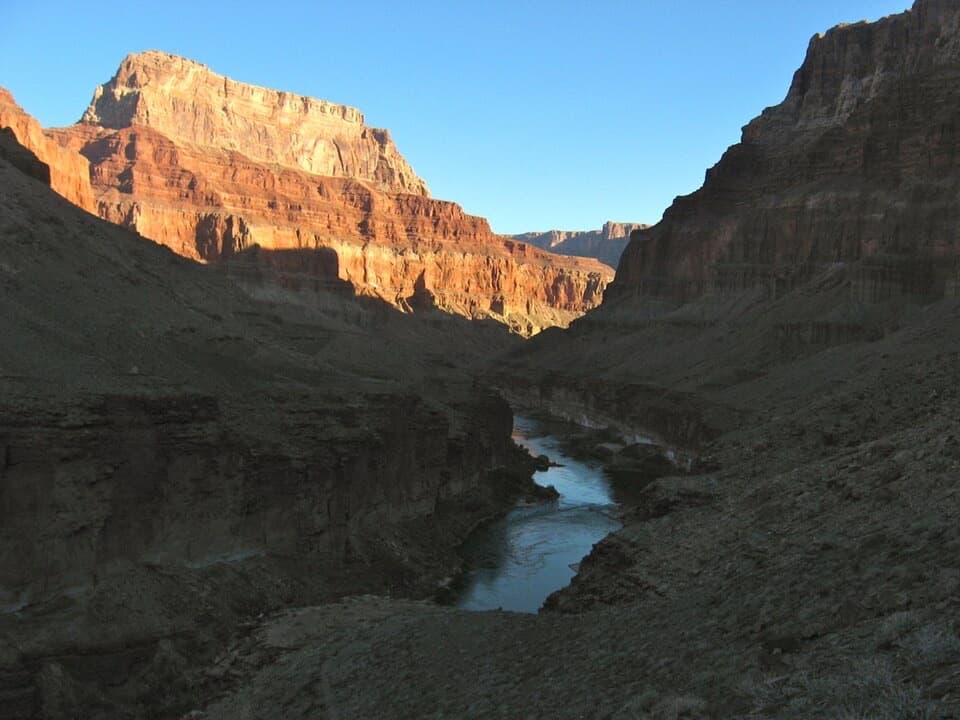
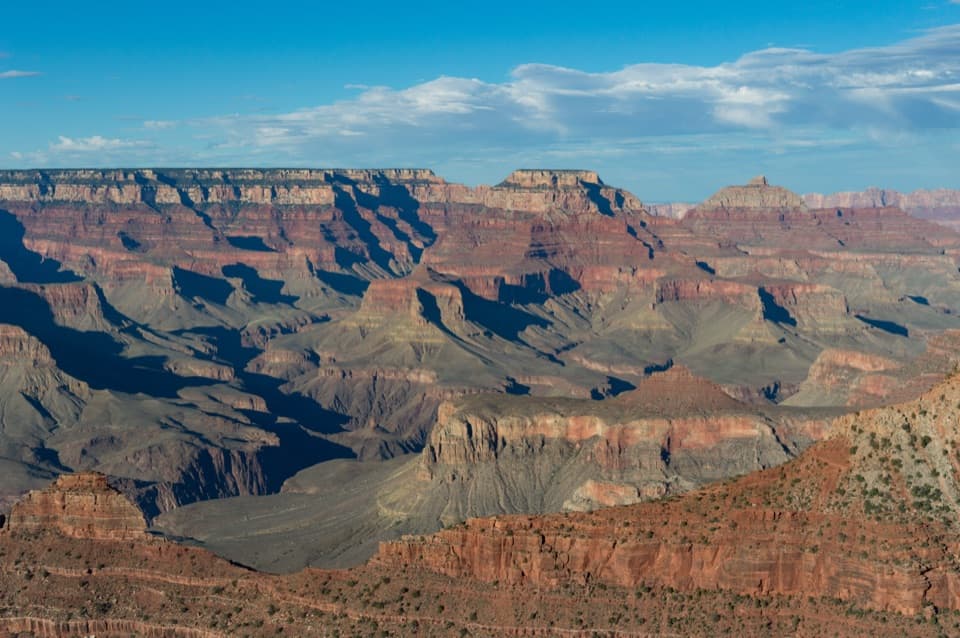
Lipan Point is the South Rim overlook for people who want to actually see the Colorado River, not just imagine where it flows. A short spur off Desert View Drive leads to a small summit with broad, sweeping views east and west—over the river’s big S‑curve, the Unkar Delta, and into the canyon’s black-and-pink Inner Gorge.

What You’ll See

  • Long, clear stretches of the Colorado River, including Hance Rapids and the Seventyfive Mile Creek area.
  • The Unkar Delta below, once farmed by Ancestral Puebloan people.
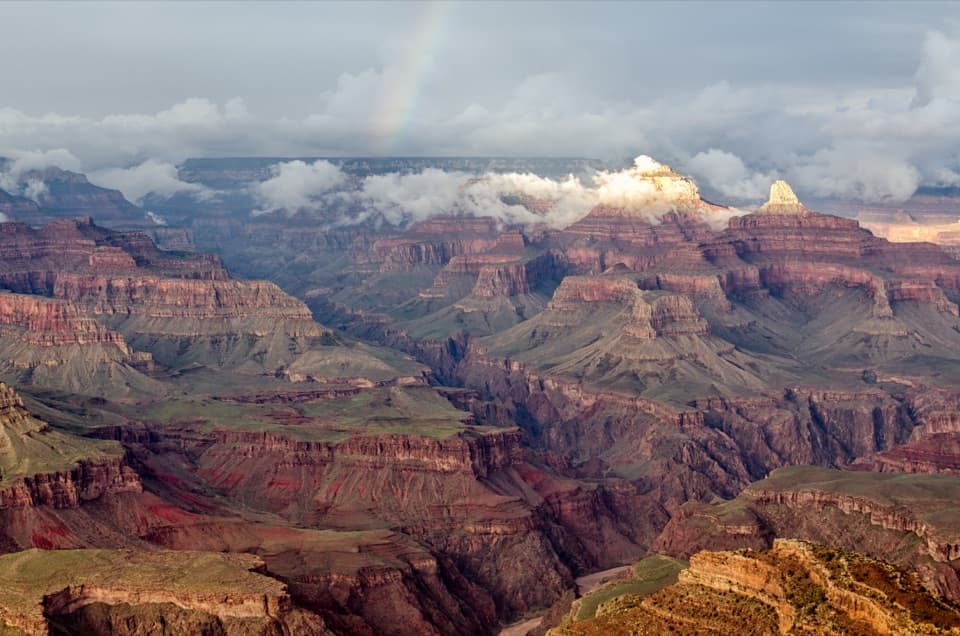
  • A textbook cross‑section of canyon geology, with vivid tilted layers and dark basement rocks easy to pick out from the interpretive signs.
  • On clear days, distant horizons that are fantastic for big‑sky photos and stargazing.

Why It’s Special

From Lipan you can trace one of the longest visible runs of the river on the South Rim and watch where it slices from layered formations into the ancient Vishnu rocks of the Inner Gorge. It’s also one of the few places where the Grand Canyon Supergroup—the dramatically tilted, purple-to-black layers including the Cardenas Basalt—jumps out clearly.

Photography & Best Light

Sunrise lights up the river bends and layered walls from the east; sunset warms the buttes and throws deep shadows for contrast. The horizon is clean, making it a reliable spot for golden hour and night sky shots. Bring a zoom or binoculars to pick out rapids, buttes, and the delta below.

Logistics

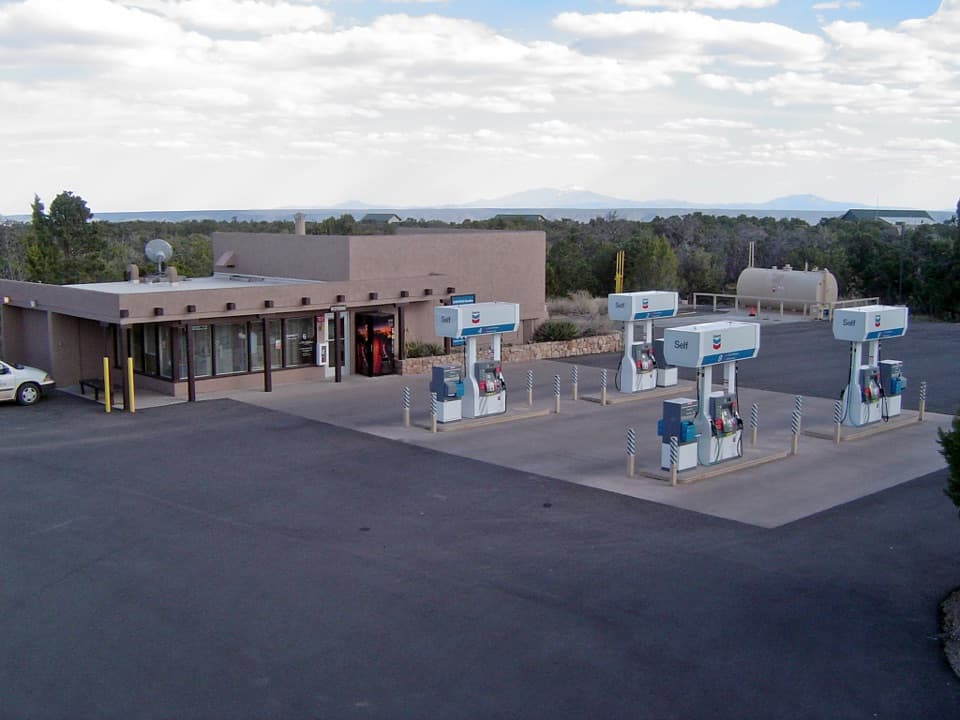
The overlook is reached by a short spur road off Desert View Drive; parking is right by the viewpoint with informative signs. There are no services at the point—no food or water, and restrooms are reported at nearby Desert View and the Tusayan Ruin Museum, not here—so come prepared. The Tanner Trailhead sits just before the parking area if you want to pair the view with a serious canyon descent.

History & Geology in View

Look down to the Unkar Delta, where fertile soils supported prehistoric agriculture between about AD 850 and 1200. Scan the walls to read the rock story: orange-brown Bass Formation, orange Hakatai Shale, brown Shinumo Sandstone, capped and cut by the river as it dives into the unlayered black and pink Vishnu rocks of the Inner Gorge, with the dark Cardenas Basalt visible above the purple layers.

Wildlife

This isn’t a wildlife hotspot, but you may spot ravens riding thermals or a raptor cruising the rim. Most action here is geological.

Best Time to Visit

Aim for sunrise or sunset for light and fewer people. Midday can be harsh, hot, and windy. For night skies, this open horizon is excellent—just dress for the chill and bring a headlamp.

Pros

  • Expansive views of the Colorado River, Unkar Delta, and Inner Gorge
  • Prime sunrise/sunset photography with wide, unobstructed horizons
  • Easy drive-up viewpoint with the Tanner Trailhead just before the lot

Cons

  • Exposed and often windy with little shade
  • No services on-site; plan for restrooms and water elsewhere
  • Parking can clog up around sunset in peak seasons

Tips

  • Arrive for sunrise or sunset to beat harsh light and most crowds.
  • Bring a zoom lens or binoculars to spot rapids and the Unkar Delta.
  • Carry water and snacks—there are no services at the overlook.
  • If you need facilities, plan stops at Desert View or Tusayan Ruin Museum.
  • Pair the viewpoint with the nearby Tanner Trail only if you’re prepared for a strenuous canyon hike.
The Parkwolf tour guide sitting on a phone mounted in a car

Parkwolf Tour Guide

Like a tour guide in your car.

Save the places you found around Grand Canyon, then let Parkwolf guide the drive between them.Download Parkwolf on the App Store