
Place · 0.4 mi away
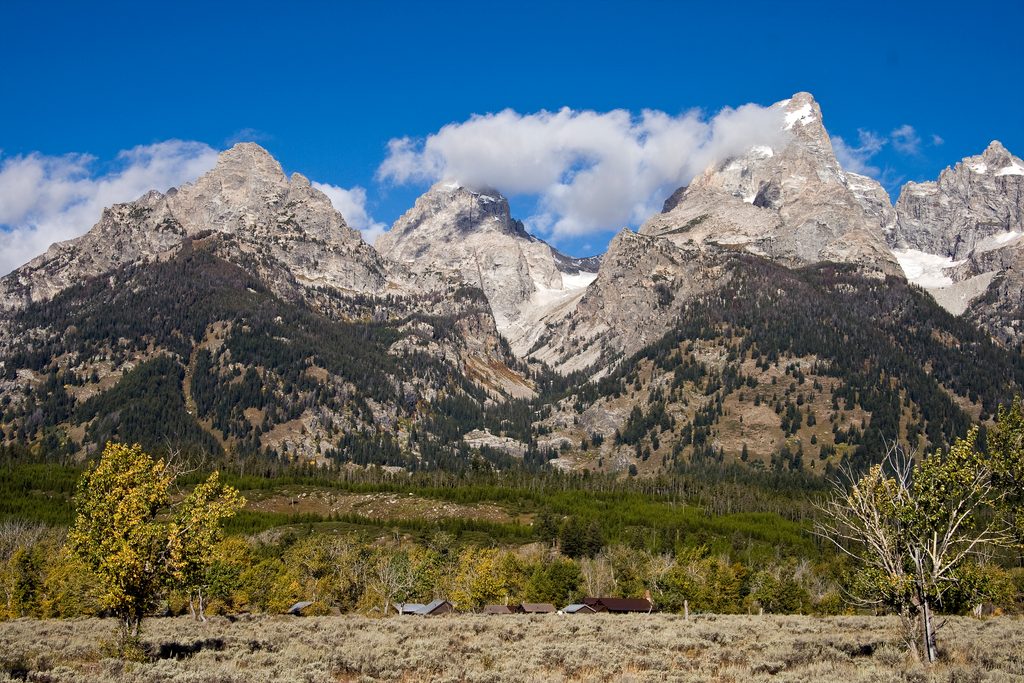
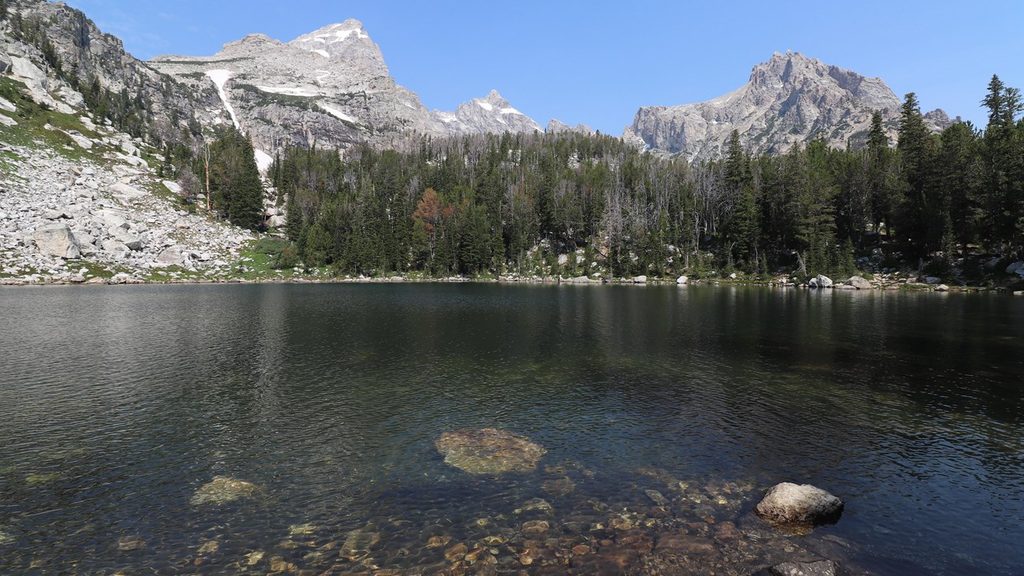
Garnet Canyon is a steep, glacially carved side canyon that feels wild from the moment you leave the forest. It’s the classic gateway for climbers heading toward the Lower Saddle and the big Teton summits, yet it still sees fewer casual day hikers than the park’s headline canyons. Expect textbook alpine scenery—towering walls, moraines, talus, and house‑sized boulders—plus constant views toward Middle Teton, Nez Perce, and Disappointment Peak.
The canyon is accessed from the Lupine Meadows Trailhead, then climbs hard via switchbacks into the canyon proper. Most hikers aim for The Meadows—an alpine basin that makes a natural turnaround—at roughly 8–9+ miles round‑trip with around 2,500 feet of gain, depending on where you stop. Past The Meadows the terrain steepens and the infamous boulder field demands careful footwork and some hands‑on scrambling. Strong parties continue to the Lower Saddle, but that’s an all‑day, very strenuous extension.
This is active bear country—both black and grizzly bears have been reported in the lower forest and meadows. You’re also likely to spot marmots and pikas among the rocks. Carry bear spray and give wildlife space.
Backcountry camping is allowed in designated zones by permit only, with popular sites around The Meadows and forks of the canyon. Check in with rangers before you go, and use provided waste systems ("Rest Stop" bags are available at the Jenny Lake Ranger Station) to protect the alpine environment.
Early in the season, snow often lingers around and above the boulder field, making the last stretch slower and icier than expected. Severe weather can move in quickly at elevation. Sturdy boots, layers, sun protection, plenty of food and water, and navigation are musts; traction and poles are smart in spring/early summer. This is not a beginner hike—fitness and sure‑footedness pay off here.
Late June through September is the prime window, though snow can linger into July. Start early from Lupine Meadows to secure parking, beat heat, and give yourself ample time. Weekdays are typically calmer. Wildflowers peak mid‑summer, and morning light shows off the canyon’s relief.
Place · 0.4 mi away
Place · 1 mi away
Place · 1.1 mi away
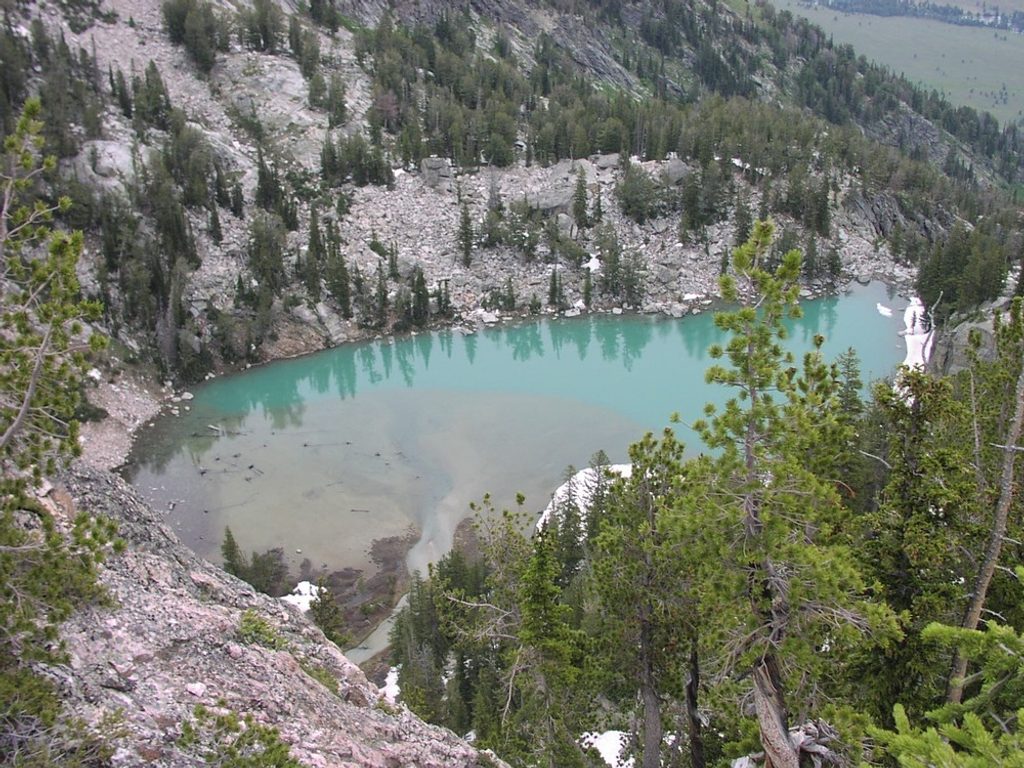
Place · 1.2 mi away
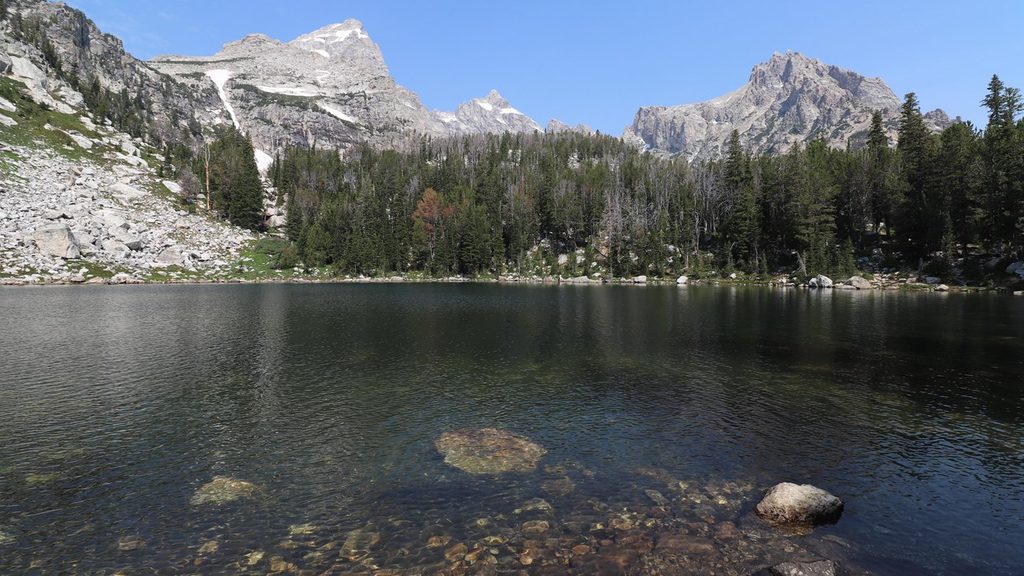
Challenging · 1.6 mi away
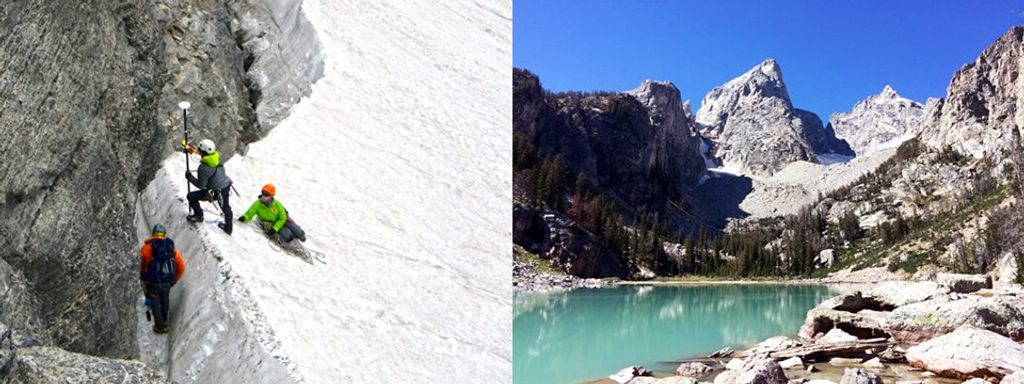
Challenging · 1.6 mi away
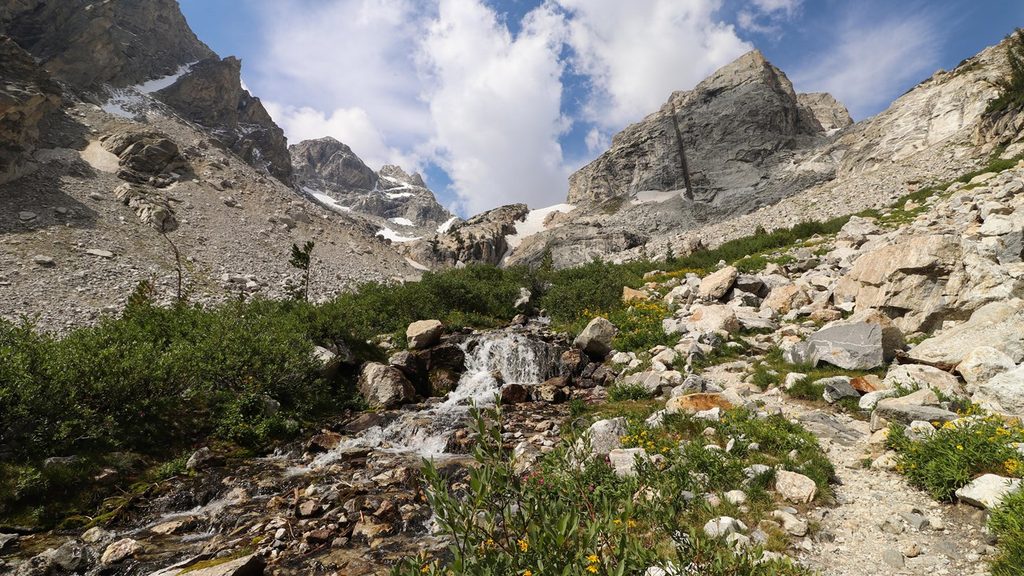
Challenging · 1.6 mi away
Challenging · 1.6 mi away

Parkwolf Tour Guide
