
Place · 0.2 mi away
Challenging
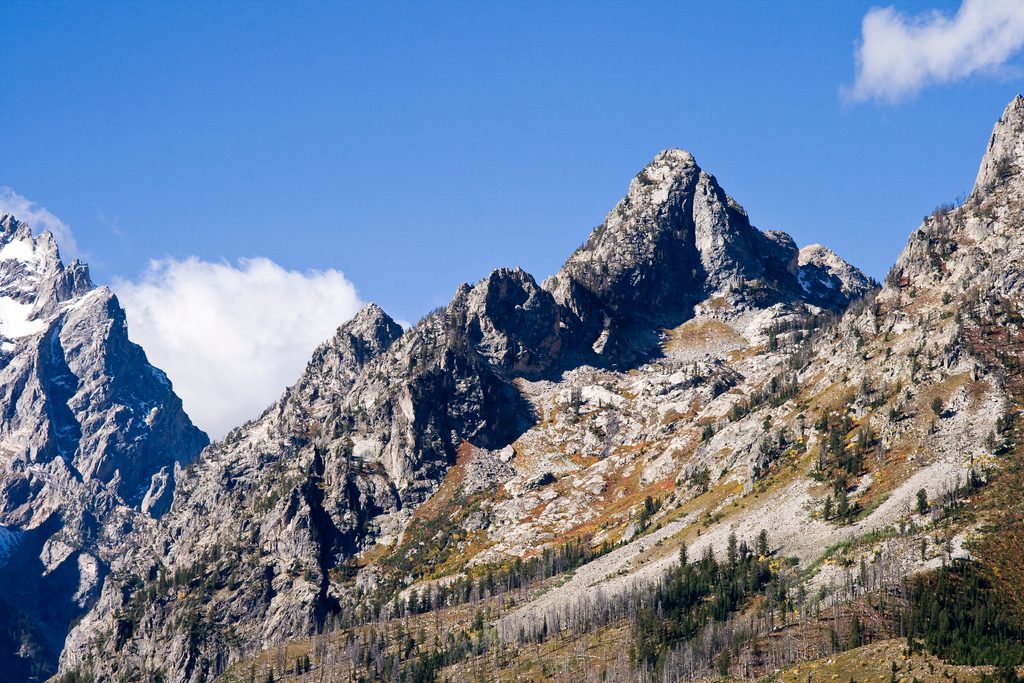
Hanging Canyon is a rugged, unmaintained route for hikers who want solitude, a serious workout, and intimate alpine scenery. Expect a steep, direct climb from the String/Jenny Lake corridor into a classic glacial hanging valley. Most hikers report roughly 6–8.5 miles round trip depending on starting point (shorter if you use the Jenny Lake boat shuttle, longer if you walk from String Lake), with about 3,000 feet of gain. This is not a family stroll—think rocky, rough footing and real route-finding.
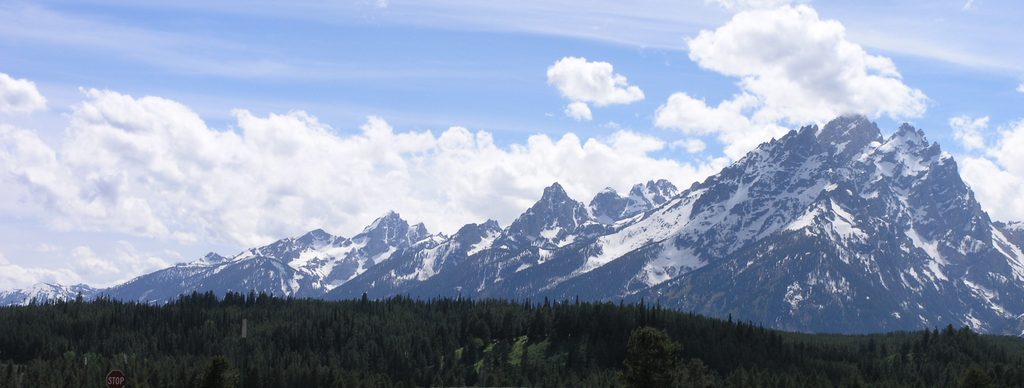
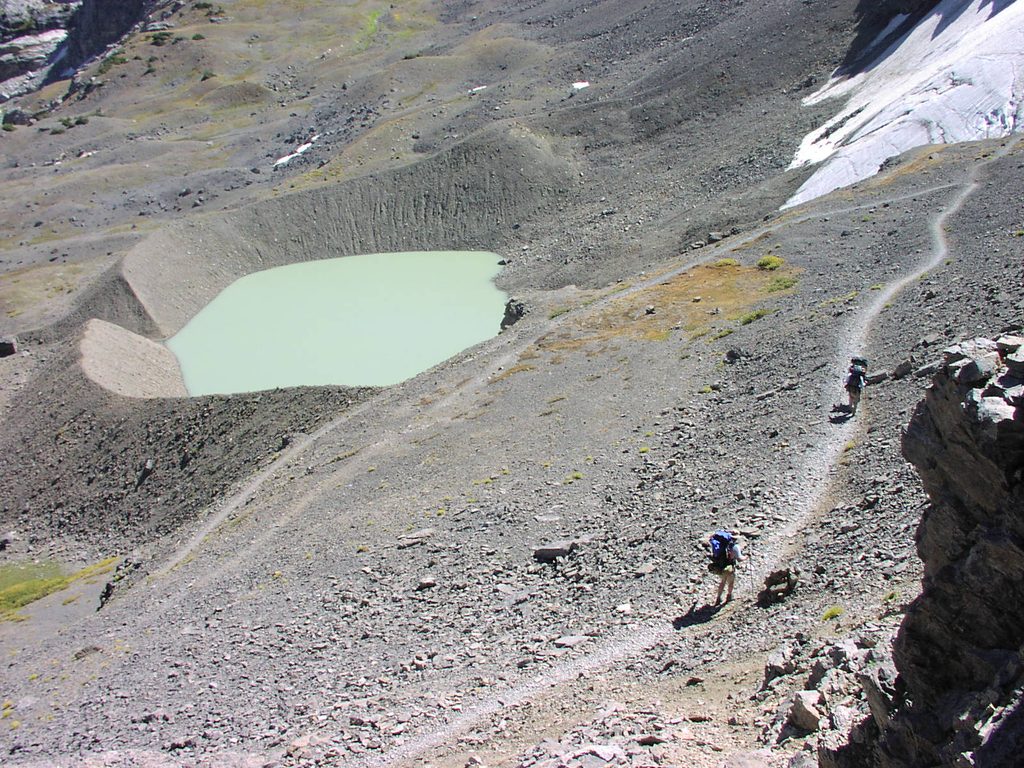
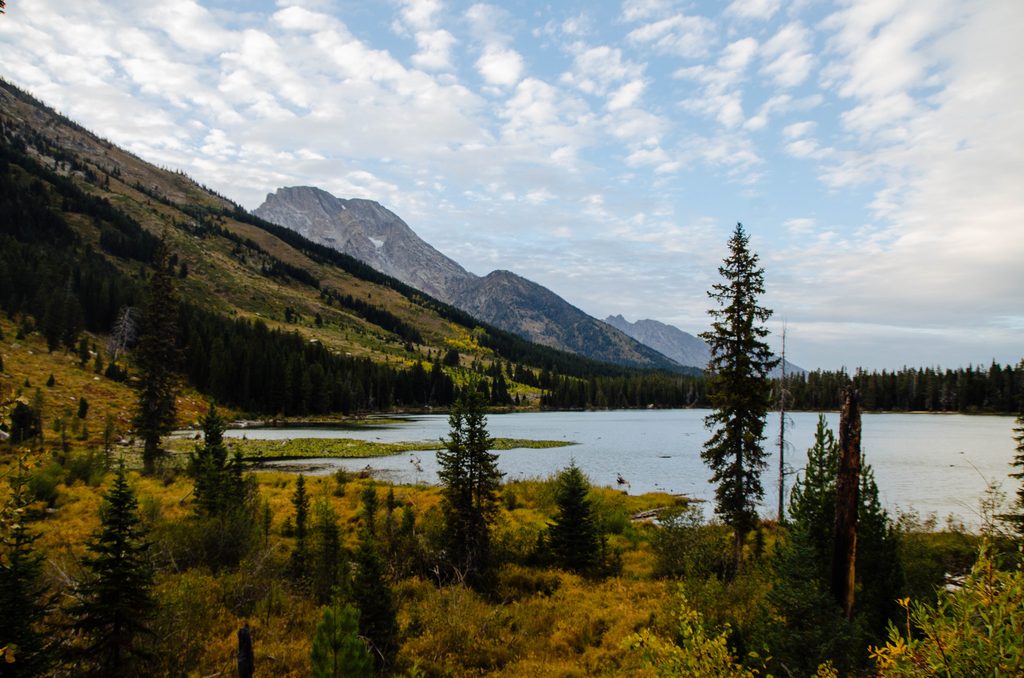
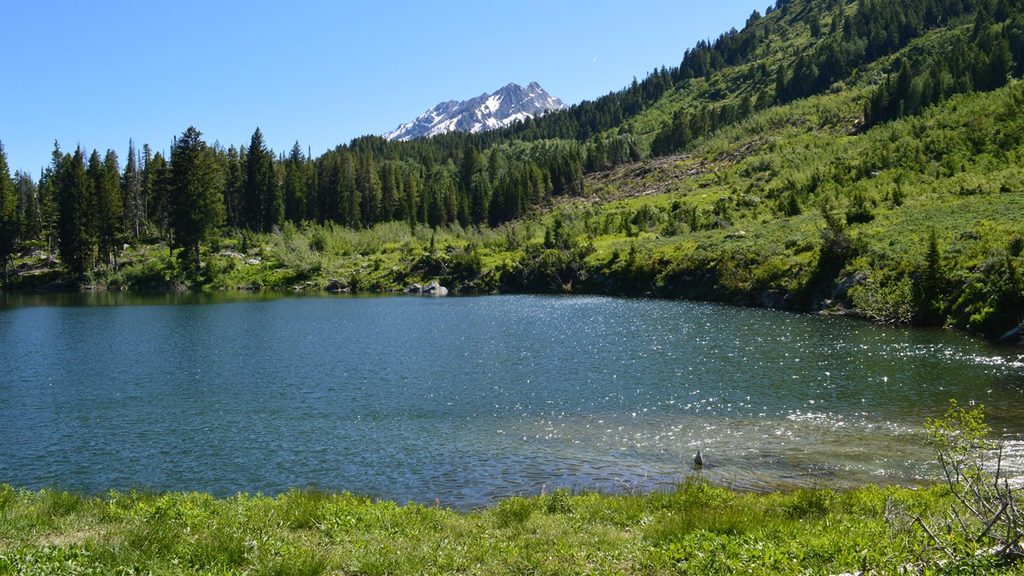
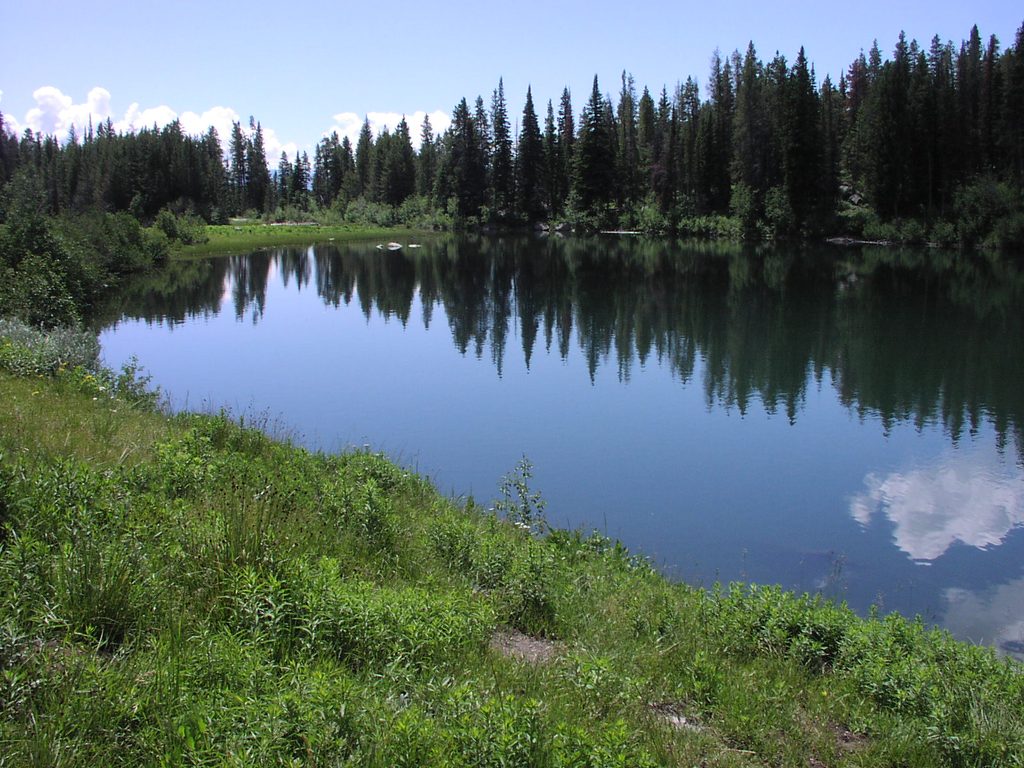
The payoff is a trio of tucked-away waters—Ramshead Lake, Arrowhead Pool, and Lake of the Crags—ringed by granite walls and flanked by peaks like Symmetry Spire, Mount Saint John, and Rock of Ages. Early on, you’ll look back over Jenny Lake and the valley, then trade forested switchbacks for boulder-hopping and slabs as the canyon tightens. A named waterfall (Ribbon Cascade) drains the high basin toward Jenny Lake, adding some drama to the canyon’s creek. It’s quintessential Teton glacial geology: a smaller side valley perched above the main trough, with over-steepened walls and perched lakes.
There’s no official park signage once you leave the main lakeside trail, and the junction itself is easy to miss—watch for a faint user path shortly after a bridge on Jenny Lake’s west shore; some hikers note subtle markers like a fallen log or a small rock circle. From there, the climbing turns stout and sustained. As you near the upper lakes (especially around The Jaw/Lake of the Crags), expect hands-on moves and short Class 3 scrambling on rough rock. A GPS track or detailed map helps, as this route is not shown on official park maps and intermittent social paths can mislead.
Late June through September is the reliable window, once the snow finally pulls back from the upper basin. Shoulder seasons can bring lingering snow, ice, and high or tricky creek crossings. Start early: much of the ascent bakes in the sun, and summer afternoons can build fast-moving storms.
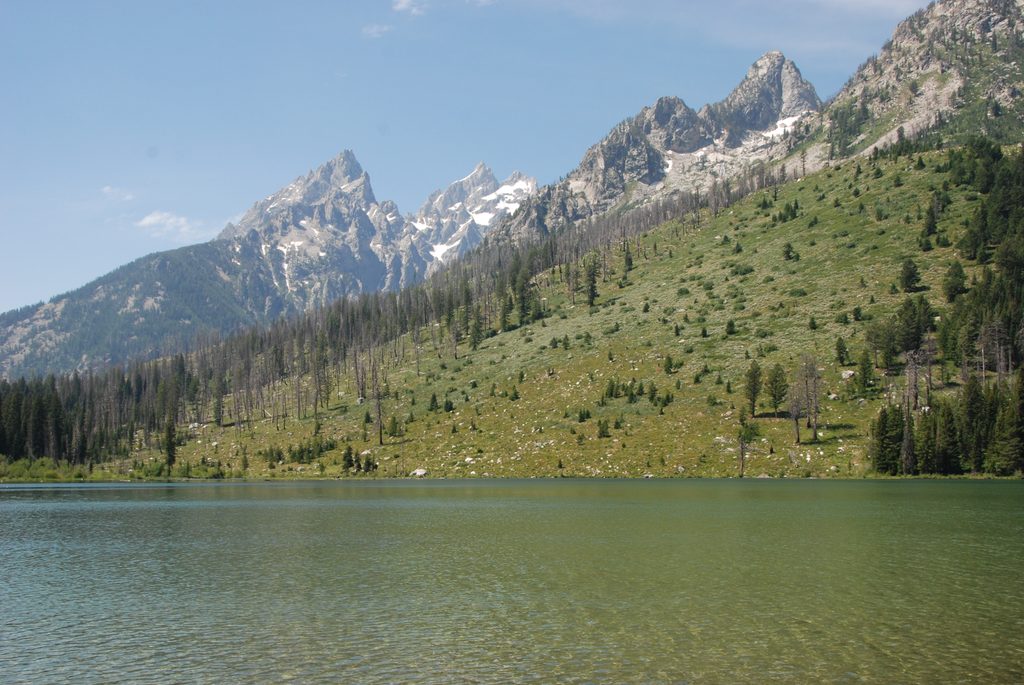
Take the Jenny Lake boat shuttle to save time and legs for the hard climb, or begin at String Lake for a longer, scenic approach. Wear real boots, bring poles if you like them on steep descents, carry layers (alpine weather turns quickly), pack plenty of water, and carry bear spray. This one is ideal for experienced hikers who enjoy route-finding and rough terrain. If you’d prefer a maintained path with big-mountain scenery, consider the popular Cascade or Paintbrush canyon trails instead.
Difficult, wild, and absolutely rewarding if you’re prepared. The lakes at the head of Hanging Canyon are among the prettiest and quietest in the Tetons—exactly the kind of place that makes a hard climb worth it.
Park at the String Lake Trailhead. Alternatively, take the Jenny Lake boat shuttle to the west shore to shorten the approach before turning up Hanging Canyon.
Unmaintained and unsigned; route-finding required. Steep, rough footing with some Class 3 near upper lakes. Carry bear spray. Early/late season snow, ice, and tricky creek crossings possible; rockfall and strong sun exposure—start early and bring a GPS or detailed map.
Place · 0.2 mi away
Place · 0.2 mi away
Place · 0.3 mi away
Place · 0.8 mi away
Challenging · 0 mi away
Easy · 0 mi away
Moderate · 0 mi away
Easy · 0 mi away

Parkwolf Tour Guide
