
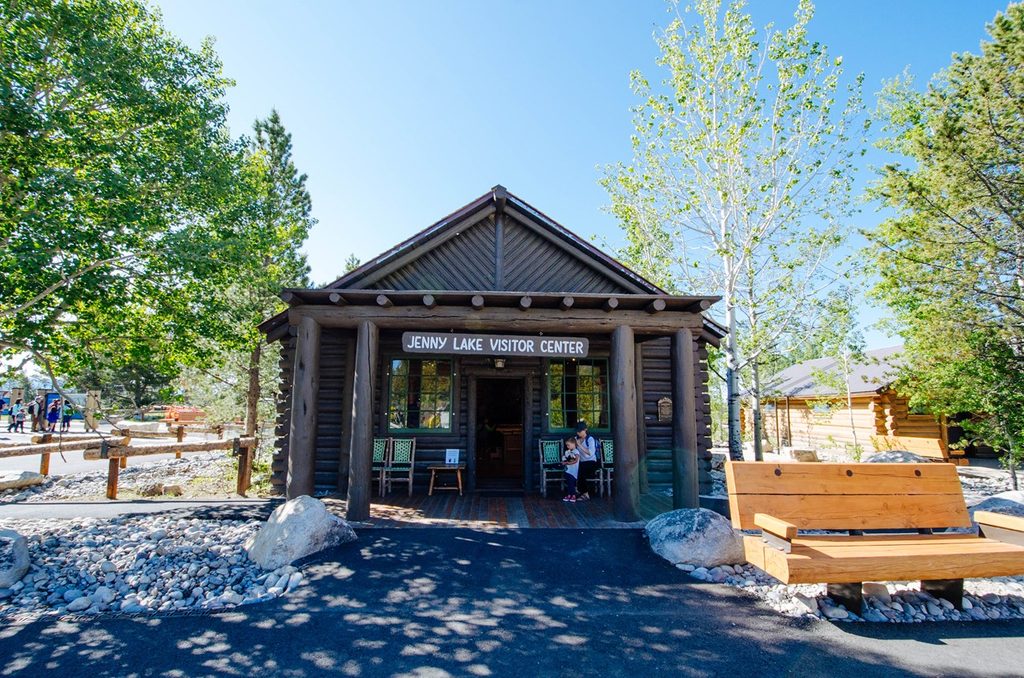
Place · 0.2 mi away
Challenging
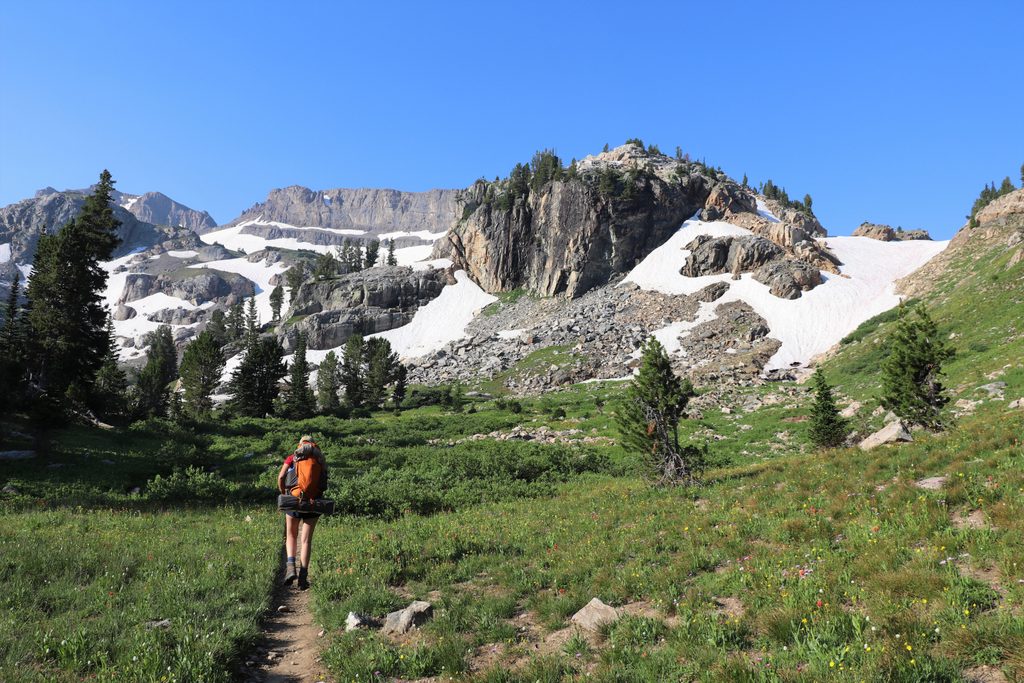
If you’re chasing true alpine drama in this range, this is your line. The route climbs the South Fork of Cascade Canyon to Hurricane Pass, delivering close-up views of the central Teton skyline and a short spur to Schoolroom Glacier. As most people approach via Jenny Lake and the main Cascade Canyon corridor, expect a long day: about 18.1 miles total out-and-back from the west boat dock to Hurricane Pass. The named South Fork segment from the Forks to the pass is roughly 5.6 miles one way. Total elevation gain for the full day is substantial (around 3,500–3,800 feet), topping out at Hurricane Pass (10,338 feet).
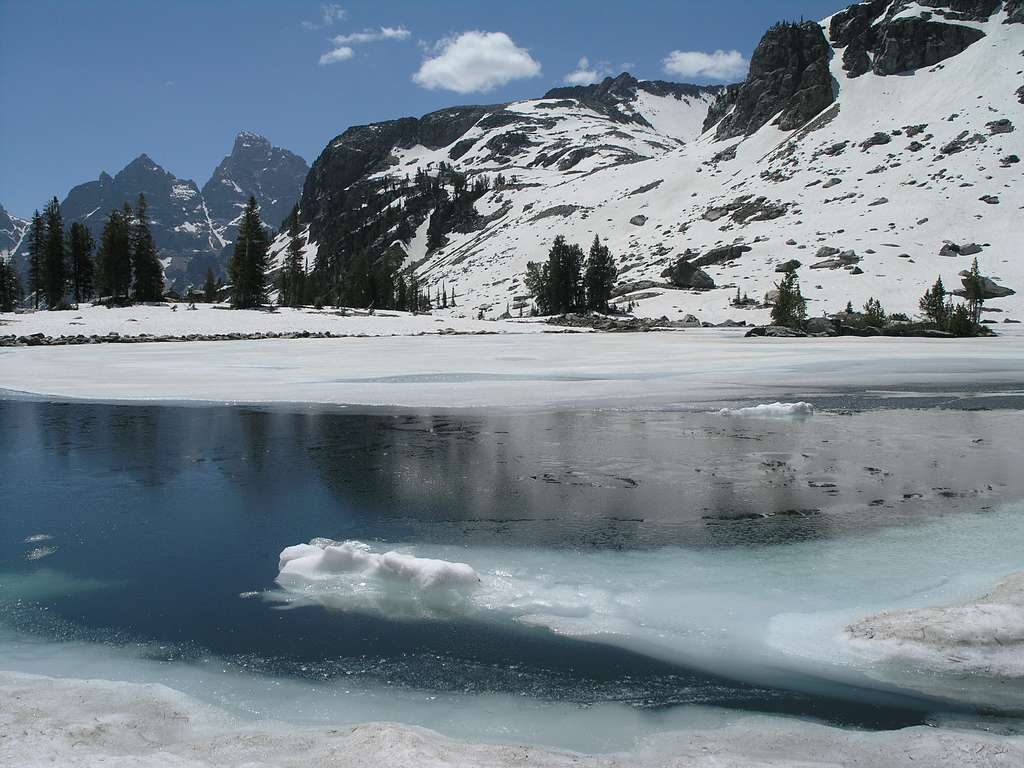
The approach eases you in with roaring Cascade Creek, waterfalls, and granite walls tightening around you. After the junction at the Forks, the South Fork quickly feels wilder and quieter: meadows bloom with wildflowers mid-summer, pika and marmots whistle from talus, and the canyon opens to broad alpine views as you climb. Near the top, a short connector leads to Schoolroom Glacier—a compact, textbook cirque glacier with a turquoise proglacial lake and distinct moraines. From Hurricane Pass, soak up sweeping vistas of the Grand, Middle, and South Tetons and a dramatic look back down the canyon.
Count on steady climbing after the Forks with switchbacks and rocky sections; lingering snowfields are common into early summer and can obscure the path. Water is plentiful along the creek for filtering, but don’t count on sources near the pass. The lower approach can feel busy, but once you commit to the South Fork, crowds thin and the sense of backcountry ramps up. Overnight camping is permitted by backcountry permit within the corridor, which makes this a popular leg of multi-day Teton Crest itineraries.
Most hikers shorten the approach by taking the Jenny Lake boat shuttle to the west shore, then hiking up Cascade Canyon to the Forks before turning into the South Fork. If the shuttle isn’t running, you can reach Cascade Canyon via the String Lake area—plan for extra mileage and time. Day use doesn’t require a permit; overnight trips do. No pets are allowed on park trails.
Prime season runs from summer into early fall. By early July, most snow has melted at mid-elevations and wildflowers pop through August; September often brings clear air and cooler temps. Start early for calmer weather, better light, and fewer people on the approach—and to avoid predictable afternoon thunderstorms at higher elevations.
High country weather turns on a dime: carry layers, start early, and be prepared to bail if storms build—lightning is a real hazard at and above treeline. Expect early-season snow and firm morning snowfields; traction and poles can be helpful. This is bear country—carry bear spray, make noise, and store food properly. The distance and gain make this a big day; know your turnaround time.
Park at the Jenny Lake area and take the boat shuttle to the West Shore Dock to shorten the approach; if the shuttle isn’t operating, use the String Lake access and hike in via Cascade Canyon.
High-elevation storms and lightning; early-season snow coverage; long, strenuous day at altitude; bear country—carry bear spray and know how to use it.
Place · 0.2 mi away
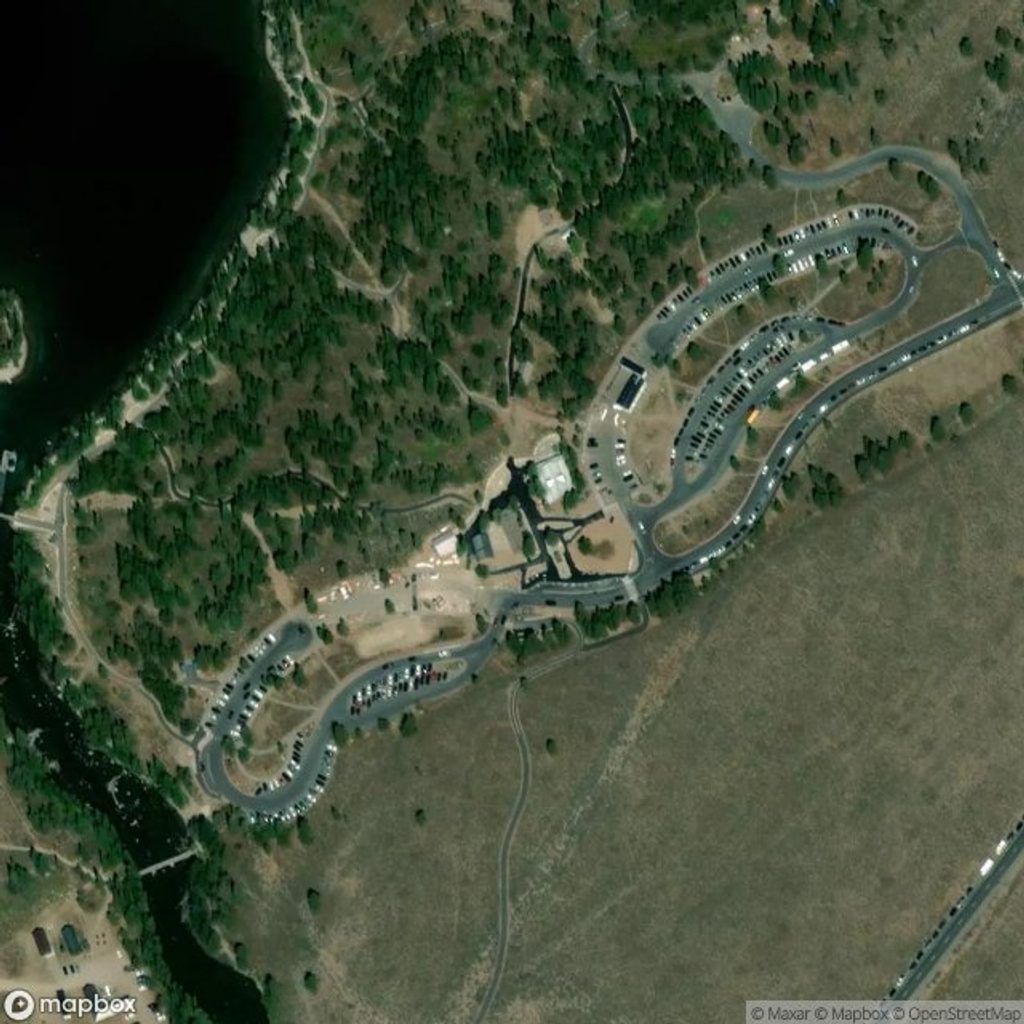
Place · 0.2 mi away
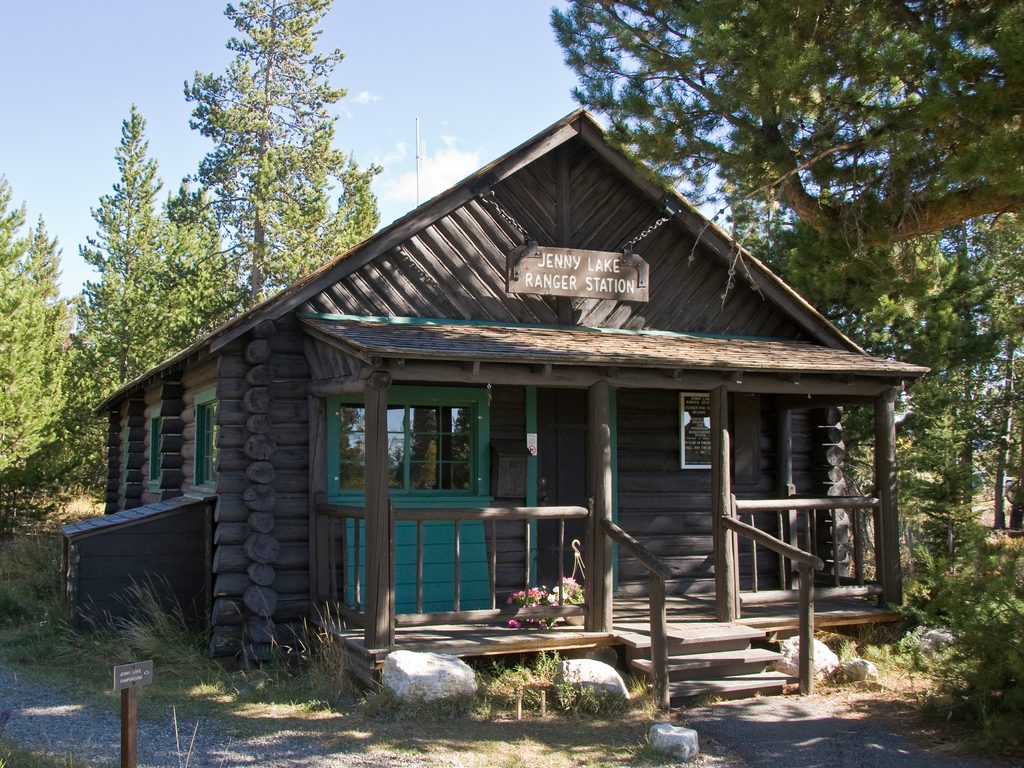
Place · 0.2 mi away
Place · 0.3 mi away
Moderate · 0 mi away
Moderate · 0 mi away
Moderate · 0 mi away
Challenging · 0 mi away

Parkwolf Tour Guide
