
Place · 0.4 mi away
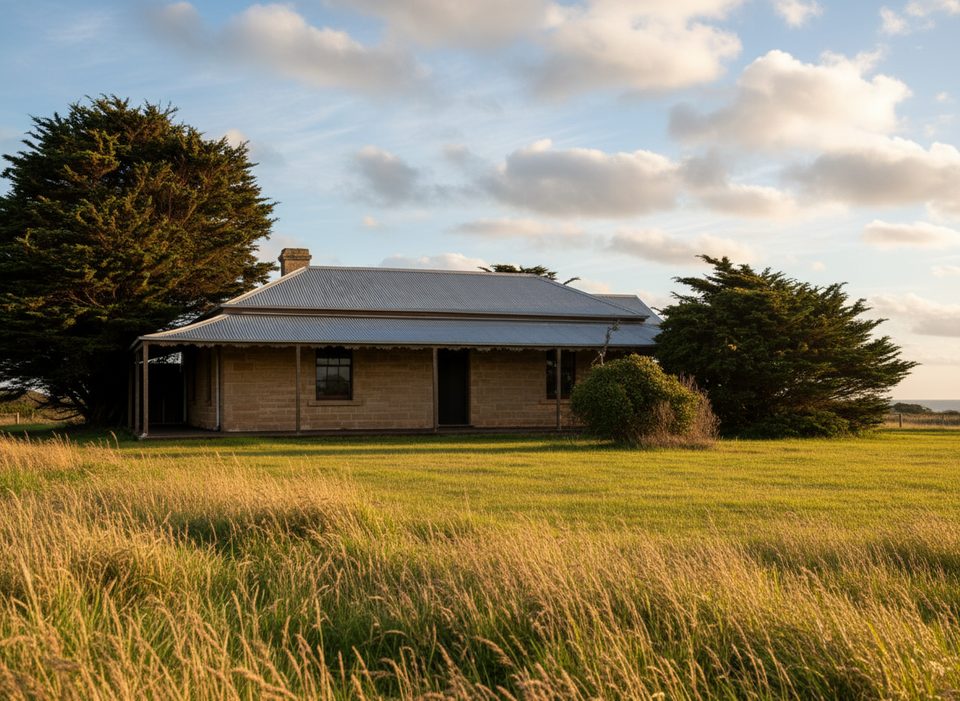
Glenample Homestead sits just inland from the Shipwreck Coast, a low‑slung 1860s bluestone farmhouse tied tightly to one of Australia’s most famous maritime disasters. It’s a quiet, road‑adjacent heritage stop rather than a tourable house—think historic context for the coastline, not an open museum.
On June 1, 1878, the clipper Loch Ard wrecked near Mutton‑bird Island. Only two people survived, and they were sheltered at Glenample by the owners. That rescue and the small cemetery near the gorge are central chapters in the region’s story. The homestead itself reflects early pastoral life and is state‑listed for historical, social, and architectural significance, with stonework built in the 1860s and later restoration work overseen decades ago.
The homestead is permanently closed to visitors, and there are no on‑site facilities. A small information/parking bay on the Great Ocean Road opposite the property is commonly used by hikers and pick‑ups at the end of long walks. Treat this as a brief, informative pull‑over on your way between bigger coastal viewpoints.
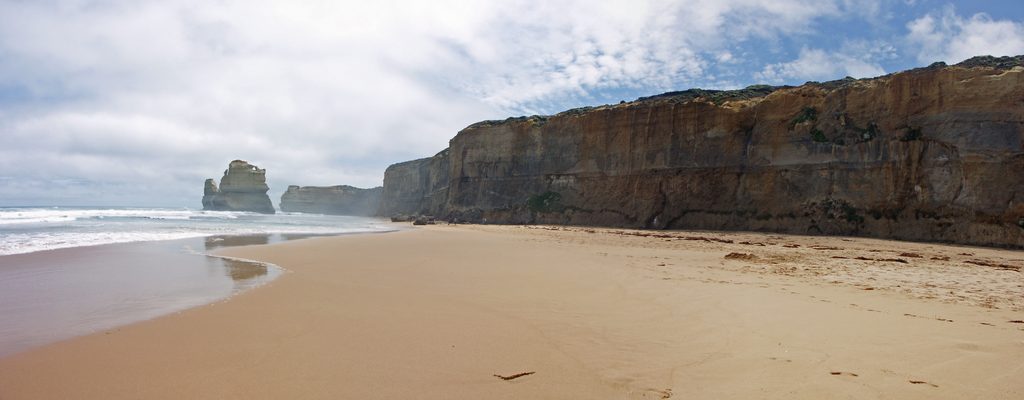
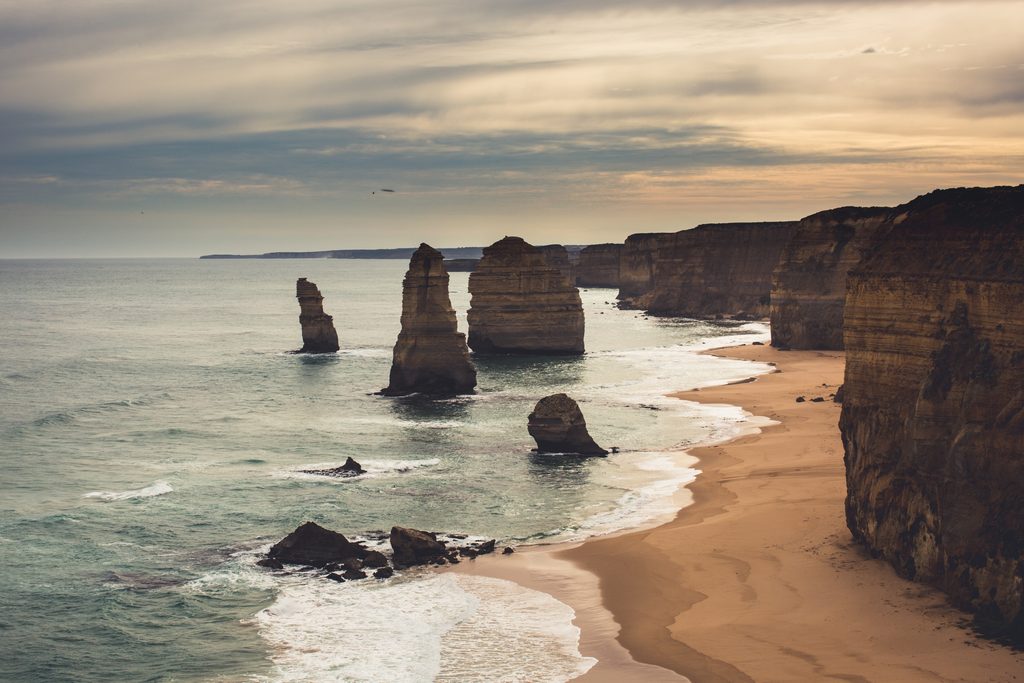
Bundle Glenample with the Loch Ard Gorge precinct—walk the signed lookouts and visit the small cemetery at the gorge head—then continue to the marquee viewpoints along the Shipwreck Coast. If you’re doing a fuller Great Ocean Road run, fold it into a two‑day plan so you’re not rushing the Twelve Apostles, Loch Ard Gorge, and the Bay of Islands.
Along this stretch you may spot eastern grey kangaroos, wallabies, koalas, emus, and plenty of coastal birdlife around the cliffs and offshore islands. Keep a respectful distance and bring binoculars if you’re keen on seabirds.
There are no toilets or drinking water at Glenample. The closest reliable facilities are at the Twelve Apostles Visitor Centre (toilets available at all hours; drinking water at the centre). Loch Ard Gorge itself currently has no toilets on site. If you’re walking sections of the Great Ocean Walk, expect composting/pit toilets and only untreated rainwater in campsite tanks—carry and/or treat your own water.
Because the house is closed, time your stop around the nearby cliffs: early morning or late afternoon brings softer light and fewer crowds at the lookouts. Check current access arrangements and any temporary changes with Parks Victoria or the local visitor centre before you go.
The full Great Ocean Road spans roughly 250 km one way; a proper out‑and‑back from Melbourne is a big day. Give yourself two days if you want to linger at the Shipwreck Coast and work in short walks without rushing.
Place · 0.4 mi away

Place · 0.8 mi away
Place · 0.8 mi away
Place · 0.8 mi away
Moderate · 7 mi away
Moderate · 7.8 mi away
Moderate · 8.4 mi away
Moderate · 20.3 mi away

Parkwolf Tour Guide
