
Place · 0.1 mi away
Moderate
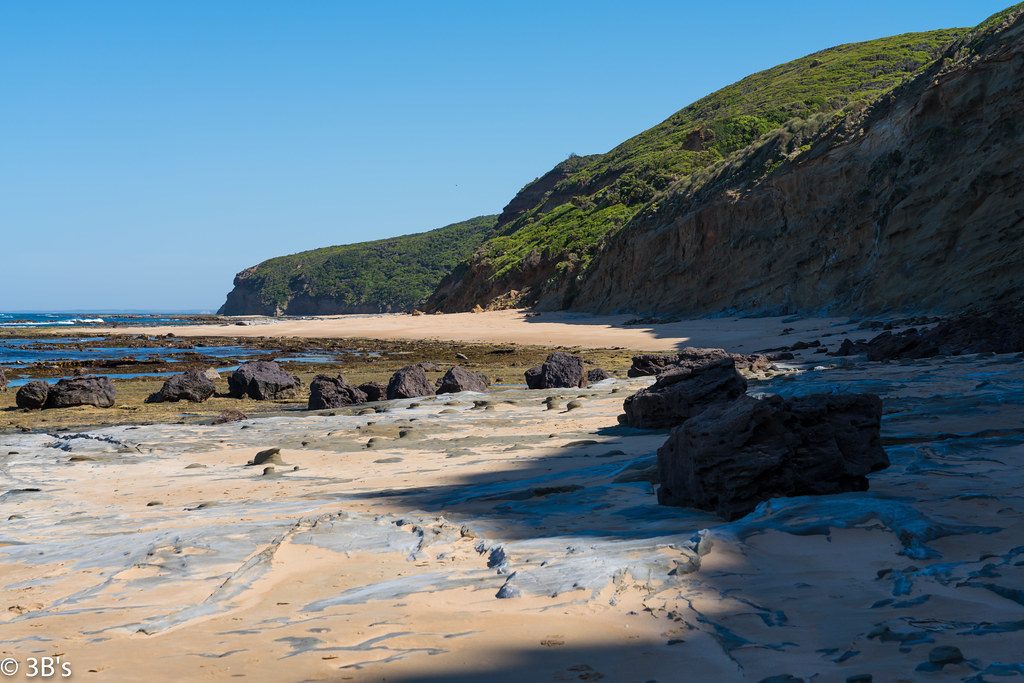
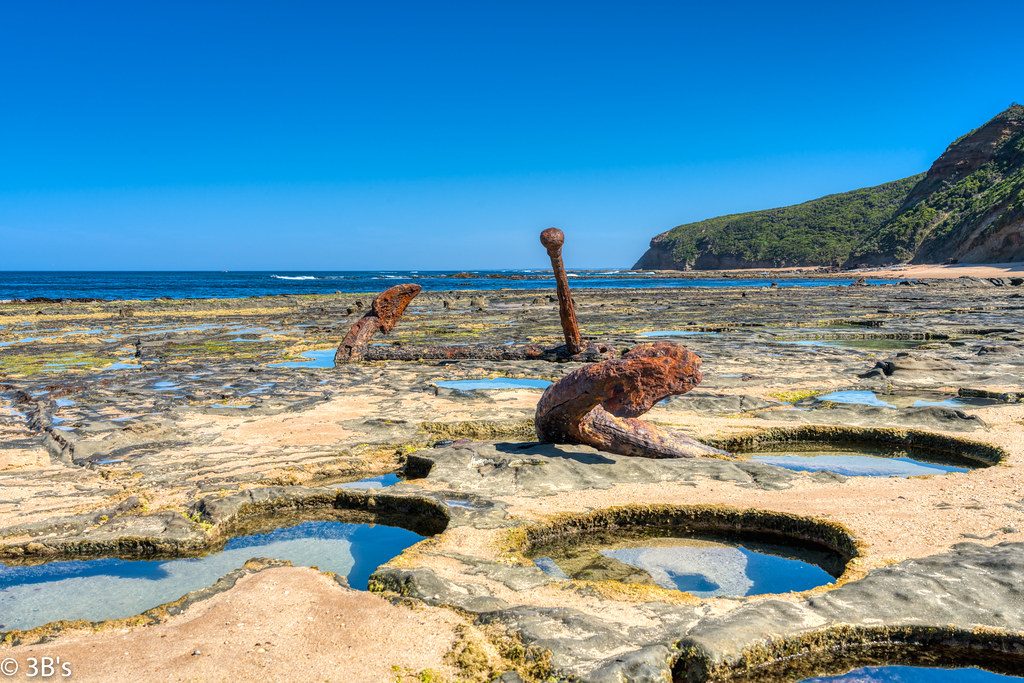
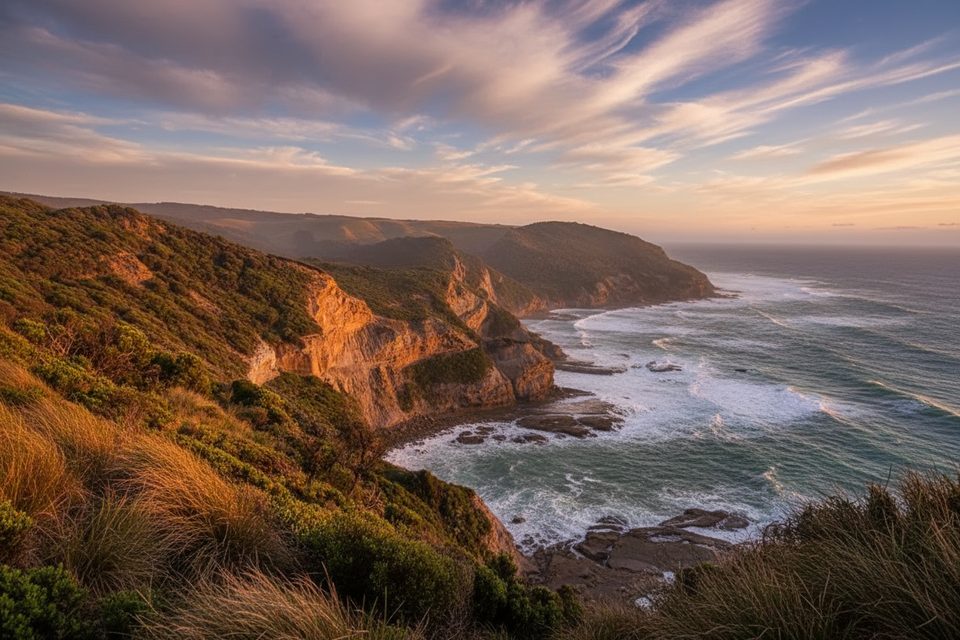
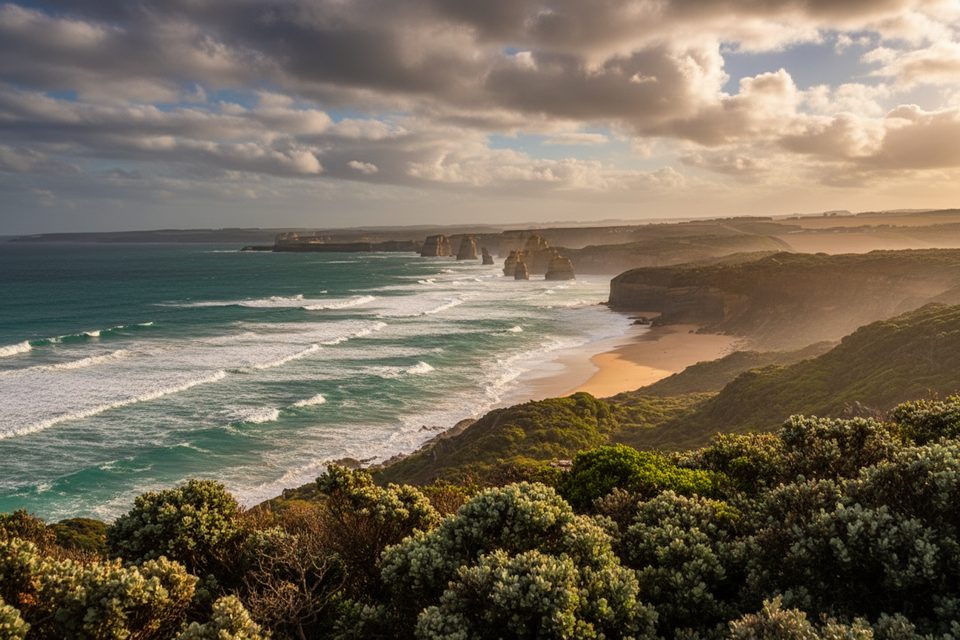
Short, steep, and worth timing right: this out-and-back drops from the cliffs near Moonlight Head to a wild pocket of the Shipwreck Coast, where the anchors of the 1869 Marie Gabrielle and the 1891 Fiji sit embedded in the reef. It’s only about 1.1 miles (1.8 km) total, but the return climb stings. Expect roaring Southern Ocean energy and rugged rock platforms. This section sits within Great Otway National Park and forms part of the longer Great Ocean Walk, on Gadubanud Country.
From the Wreck Beach car park, a mostly flat path (~375 m) leads to the top of the staircase. Descend roughly 370 steps (there’s a halfway rest platform) to reach the sand. At the bottom, turn right along the beach: the Marie Gabrielle anchors appear first after about 10–15 minutes; the Fiji anchor is roughly 5 minutes farther. You’ll alternate between soft sand and firmer rock shelves—watch your footing, especially if the timber steps or rocks are wet.
Plan this walk around low tide. Swell and fast-rising water can push over the rock platforms and cut off access. A good strategy is to descend on a falling tide, explore, then turn back as it turns. The Marie Gabrielle anchors are best with the tide under about 1 m; the Fiji’s vertical anchor is often visible even when water is higher, but don’t rely on that if conditions are rough. This beach is unpatrolled with rough surf, strong currents, and slippery rocks—stay well clear of the waterline and the base of unstable cliffs. The anchors and any wreckage are protected—look, don’t touch.
Aim for a daylight low tide and calmer swell. Wind and sea spray are common, so pack a light shell. Crowd levels are often lower than the marquee Great Ocean Road stops, which helps if you time it for midweek or shoulder daylight around low tide.
Beyond the anchors, keep an eye out for coastal birdlife and subtle diggings along the approach tracks—echidnas and bandicoots are known to burrow here, creating trip hazards at low light. The drama is geological: wave-cut platforms, reef, and towering cliffs sculpted by the Southern Ocean.
If tides or swell aren’t favorable, skip the beach section and explore nearby alternatives: The Gables Lookout (a short, easy stroll through casuarinas) sits just up the road, and there’s a small cemetery at Moonlight Head. A short link track connects The Gables and Wreck Beach car parks if you want to make a loop between viewpoints.
This is within a national park: no dogs, camping, fires, drones (without permit), bicycles, horses, or vehicles on the beach. Conditions can change—check for any local advisories before you go.
Park at the Wreck Beach car park near Moonlight Head. Access is via Moonlight Head Road, then a signed turn toward Wreck Beach; the final stretch is unsealed but generally suitable for 2WD.
Only attempt the beach at or near low tide. Large swell and fast‑rising tides can cut off rock shelves. Area is unpatrolled with rough surf, strong currents, slippery rocks, and unstable cliffs. Steps and timber can be slick when wet. Anchors and wreckage are protected—do not climb or touch.
Place · 0.1 mi away
Place · 0.5 mi away
Place · 4.3 mi away
Place · 4.8 mi away
Moderate · 0.5 mi away
Moderate · 0.8 mi away
Moderate · 14.5 mi away
Moderate · 16.2 mi away

Parkwolf Tour Guide
