
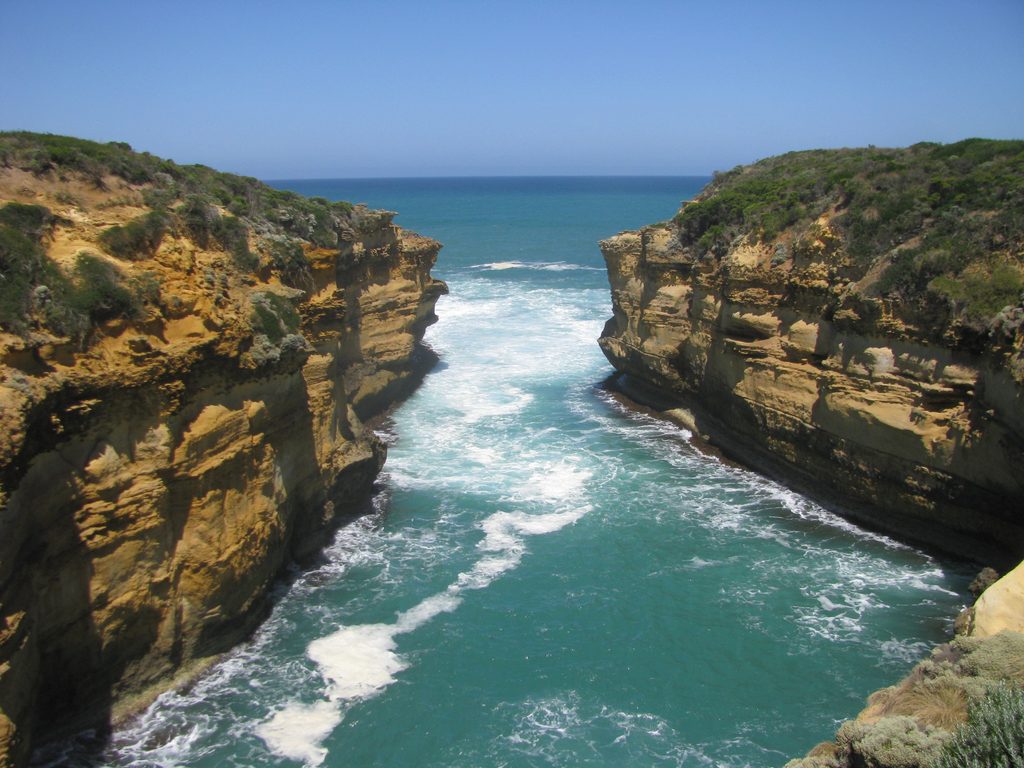
Place · 0.1 mi away
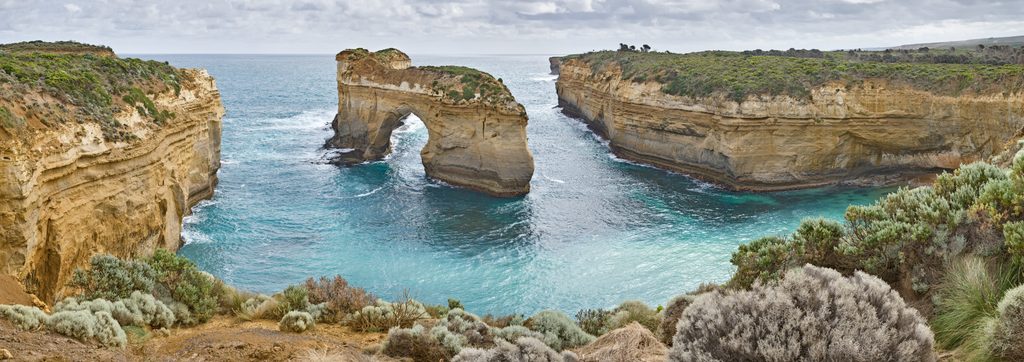
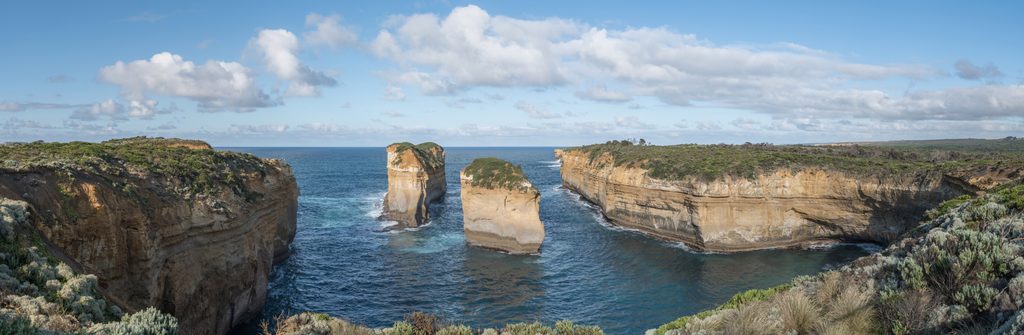
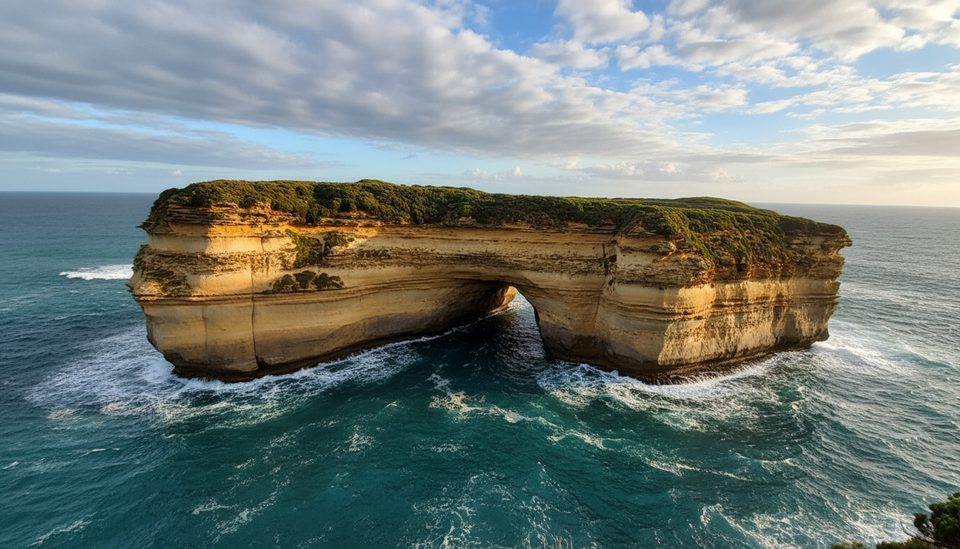
Also signed as Tom and Eva Lookout, this clifftop vantage peers straight onto two limestone stacks named for the survivors of the 1878 Loch Ard shipwreck. They’re the remnants of Island Archway, a natural bridge that collapsed on June 10, 2009—classic evidence of how fast this coast reshapes itself.
Expect sheer, honey‑colored cliffs, turquoise water, and the twin stacks framed by constant surf. You can also gaze into nearby Loch Ard Gorge and watch seabirds riding the wind over the headlands.
The weakly cemented limestone here is carved by relentless waves and wind, forming short‑lived arches and stacks—hence Island Archway’s 2009 collapse. The Tom and Eva names honor the shipwreck’s two teenage survivors, Tom Pearce and Eva Carmichael. Other famous changes along this coast include the London Bridge arch collapse in 1990.
It’s a short stroll from the Loch Ard Gorge car park. Give the lookout 20–40 minutes; allow 1–2 hours if you add nearby short walks and another stop like Gibson Steps or the Twelve Apostles.
From the Loch Ard Gorge precinct you’ll find easy interpretive options, including a ~900 m coastal geology walk and a ~1.4 km return route to the shipwreck cemetery that fills in Tom and Eva’s story.
There’s a free car park serving the lookouts and walking tracks, with public toilets at the main car park. Paths are formed with designated viewing platforms. No cafe or potable water—bring your own. It’s a national park: dogs aren’t permitted, with registered assistance dogs allowed under Parks Victoria rules.
Sunrise and late afternoon offer softer light and fewer reflections; midday can be harsh and blustery. Tour buses peak from late morning to mid‑afternoon, so come early or near sunset. The precinct is open 24 hours, making dawn and dusk easy wins.
A polarizing filter cuts ocean glare. A long lens compresses the stacks against the cliffs; a wide angle captures the sweep of sea and sky. Pack a windbreaker and a lens cloth—salt spray is part of the deal.
Stay behind railings; cliff edges and overhangs are unstable and rogue waves happen. You’ll often see seabirds—give any nesting areas space and don’t feed wildlife.
Place · 0.1 mi away
Place · 0.2 mi away
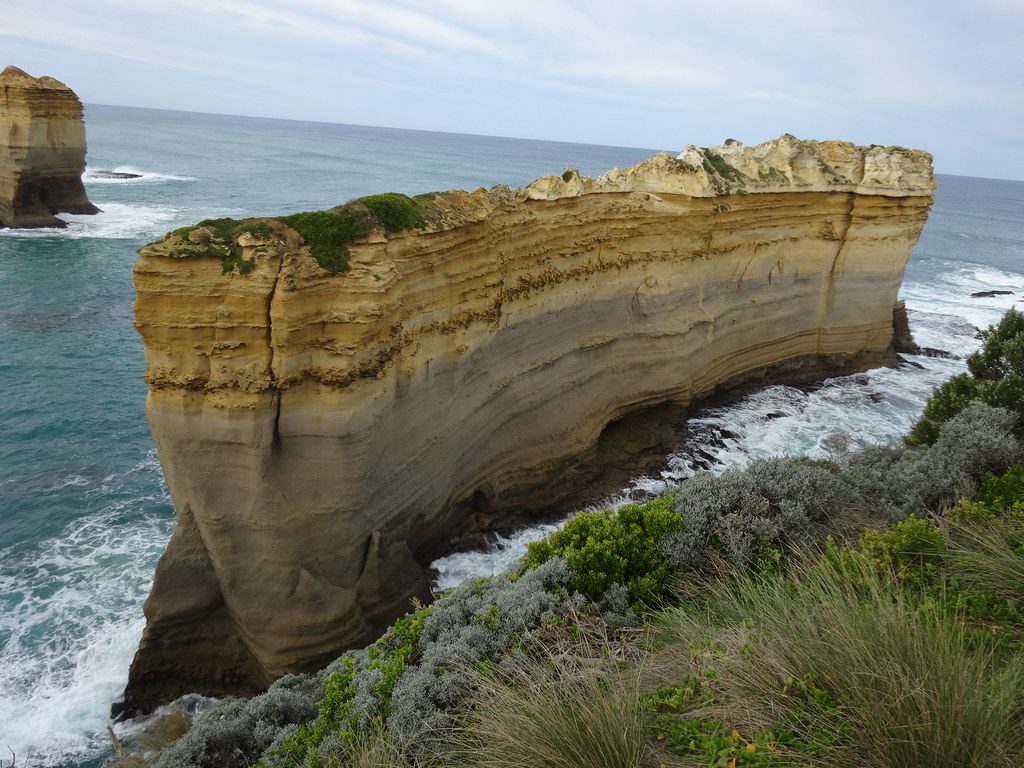
Place · 0.2 mi away
Place · 0.3 mi away
Moderate · 9.9 mi away
Moderate · 10.7 mi away
Moderate · 11.2 mi away
Moderate · 23.1 mi away

Parkwolf Tour Guide
