Place · 0.1 mi away

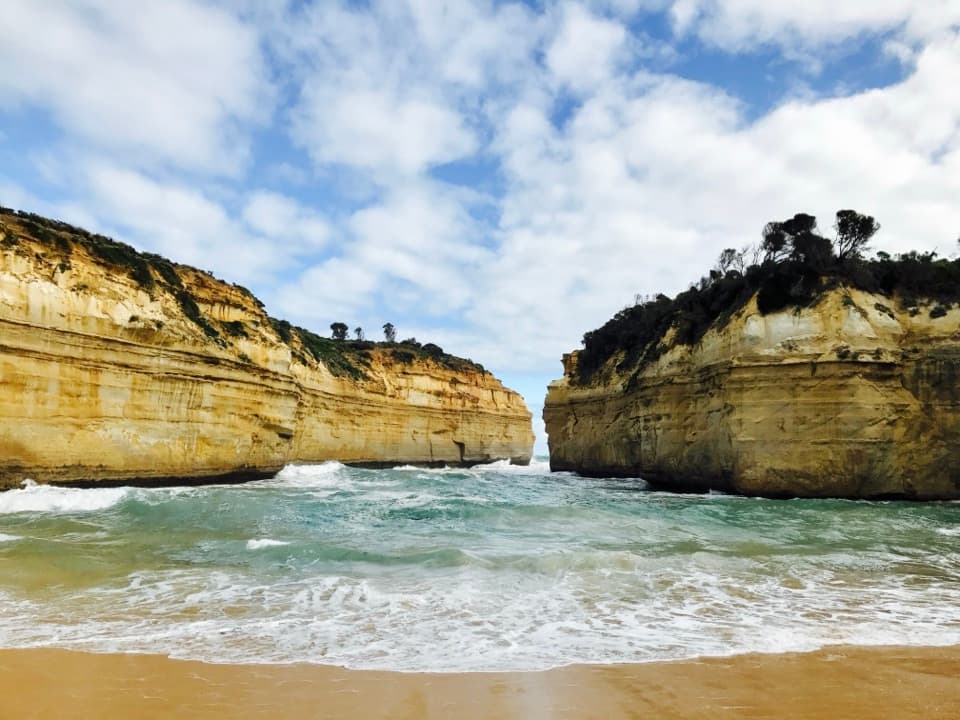
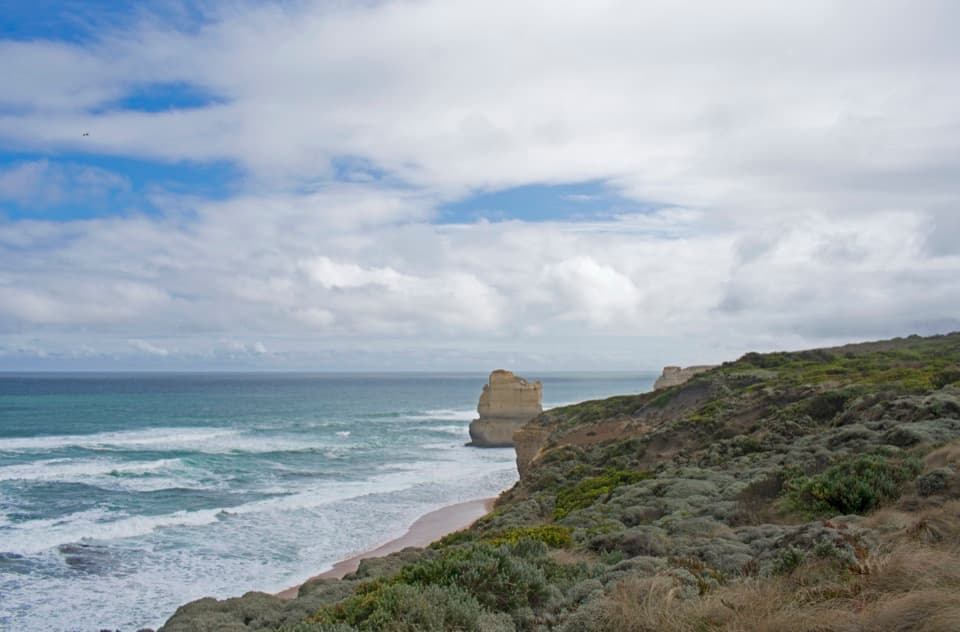
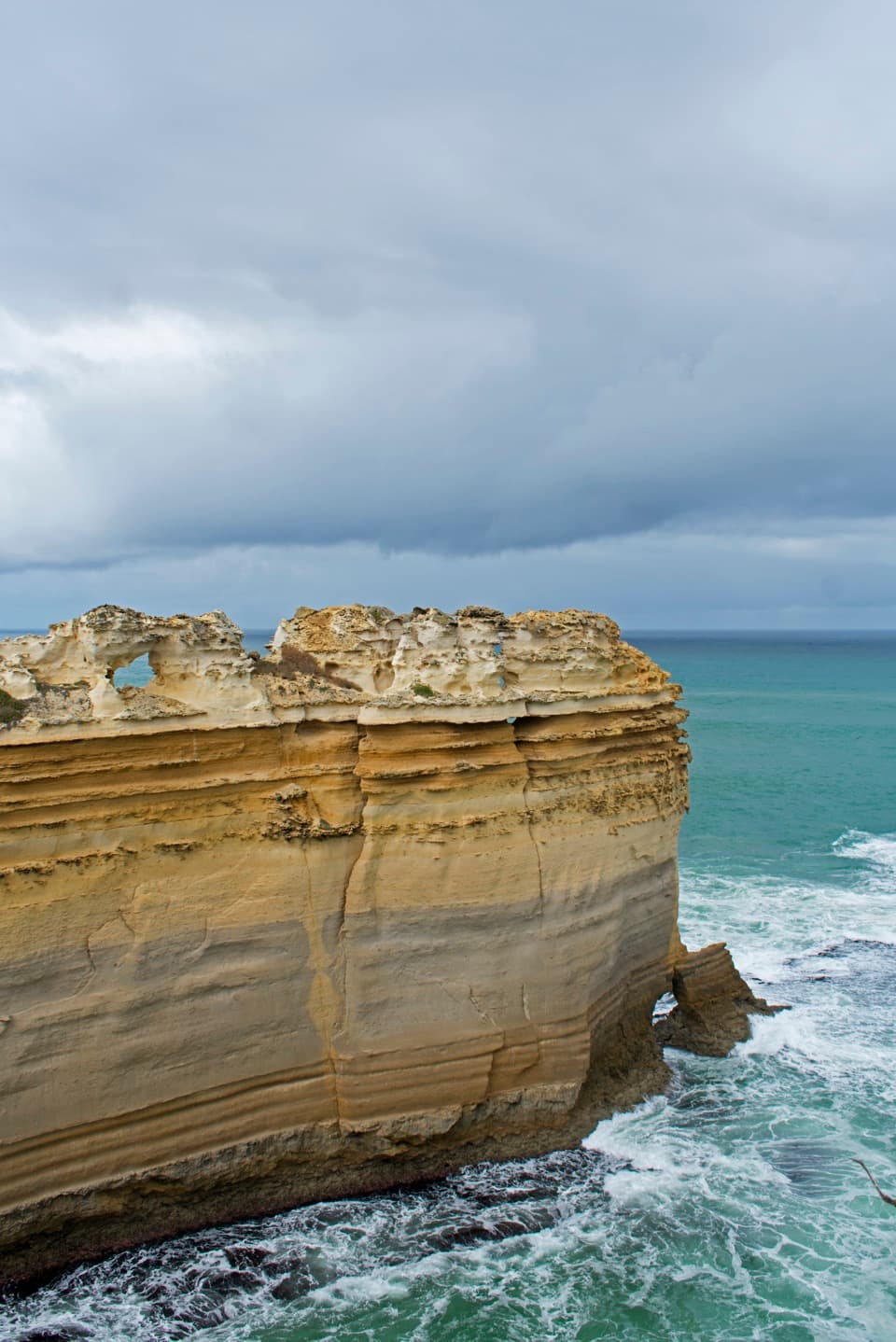
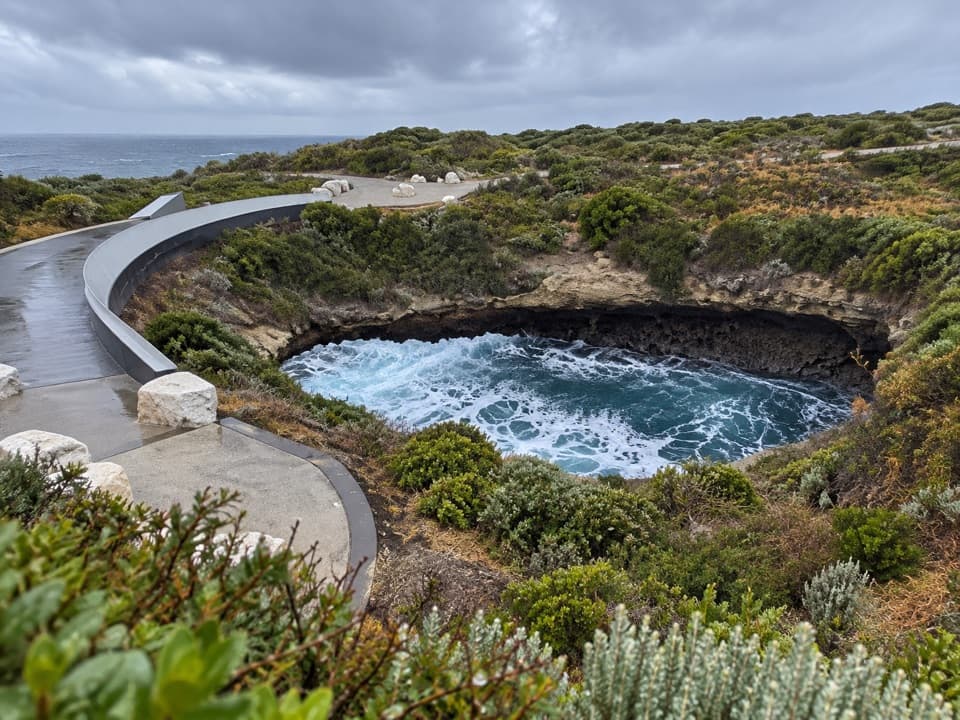
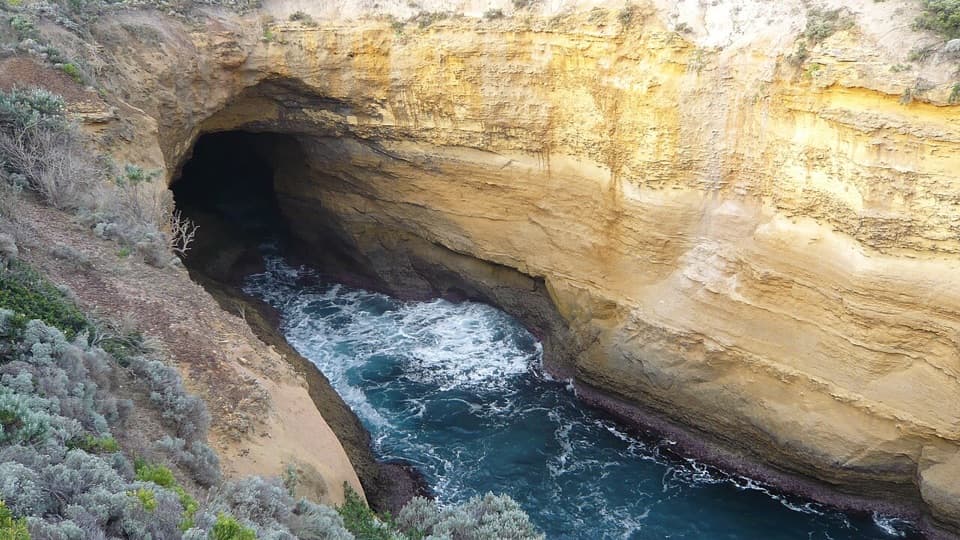
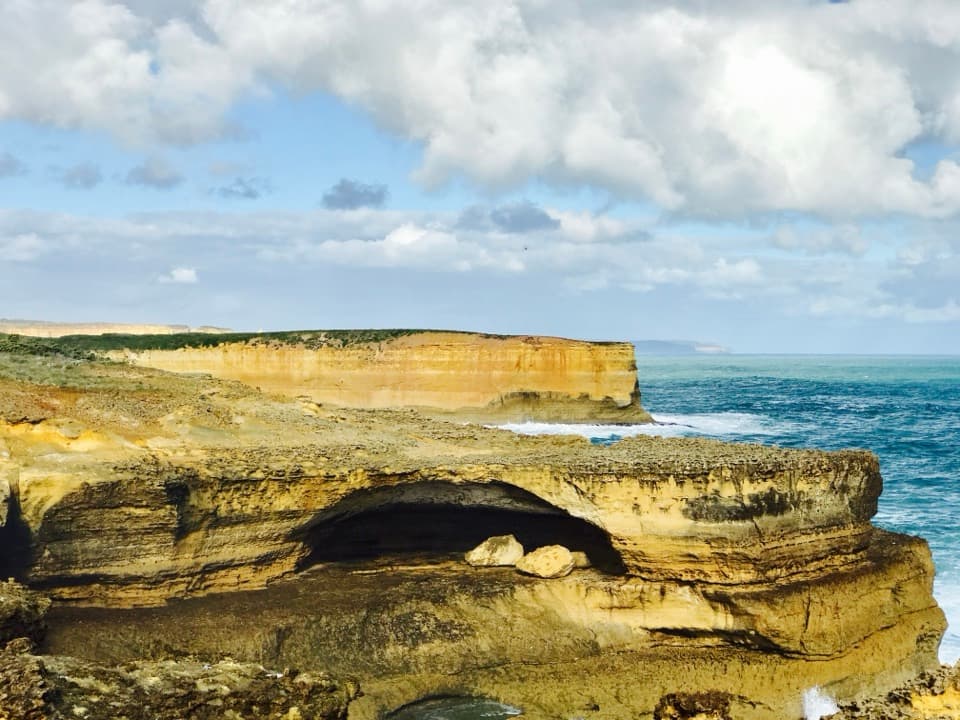
A dramatic sandy cove boxed in by golden limestone cliffs, Loch Ard Gorge is the Great Ocean Road’s most atmospheric stop after the Twelve Apostles. It mixes big coastal views with a gripping shipwreck tale and a trio of short, easy walks that pack in geology, history, and wildlife.
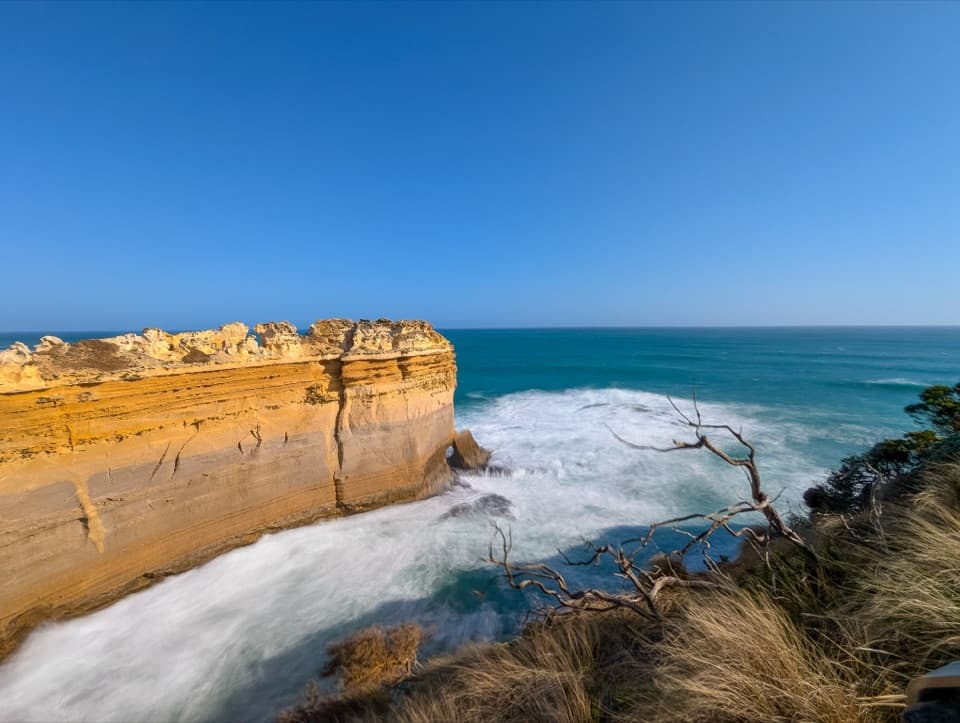
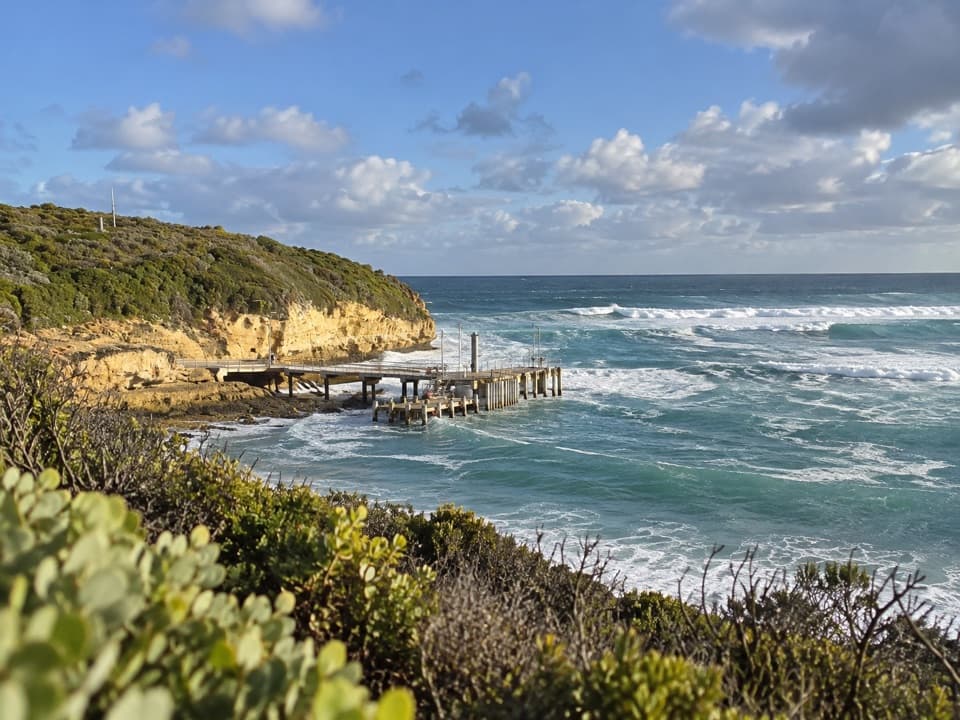
From clifftop lookouts you’ll watch the Southern Ocean hammer sculpted stacks, blowholes, and sheer walls. Even with the beach stairs closed, the elevated vantage points deliver the gorge’s signature views and the roar that gave nearby Thunder Cave its name.
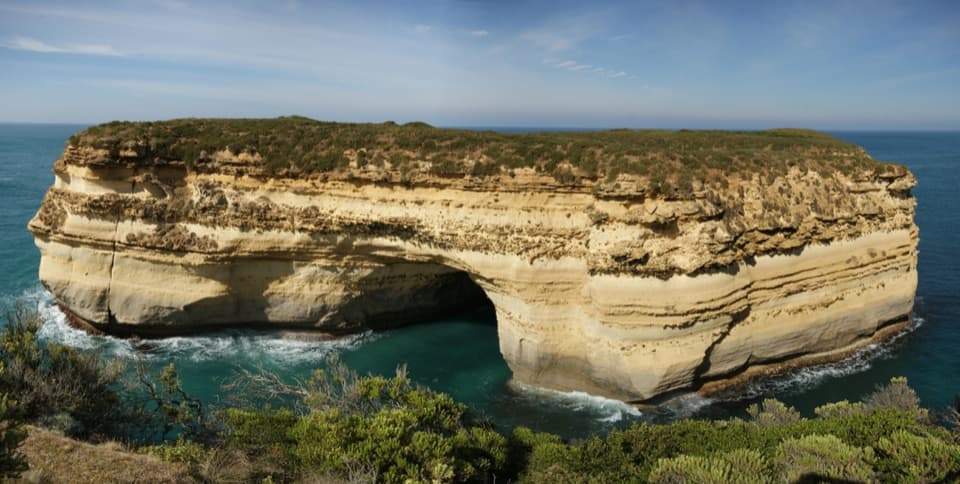
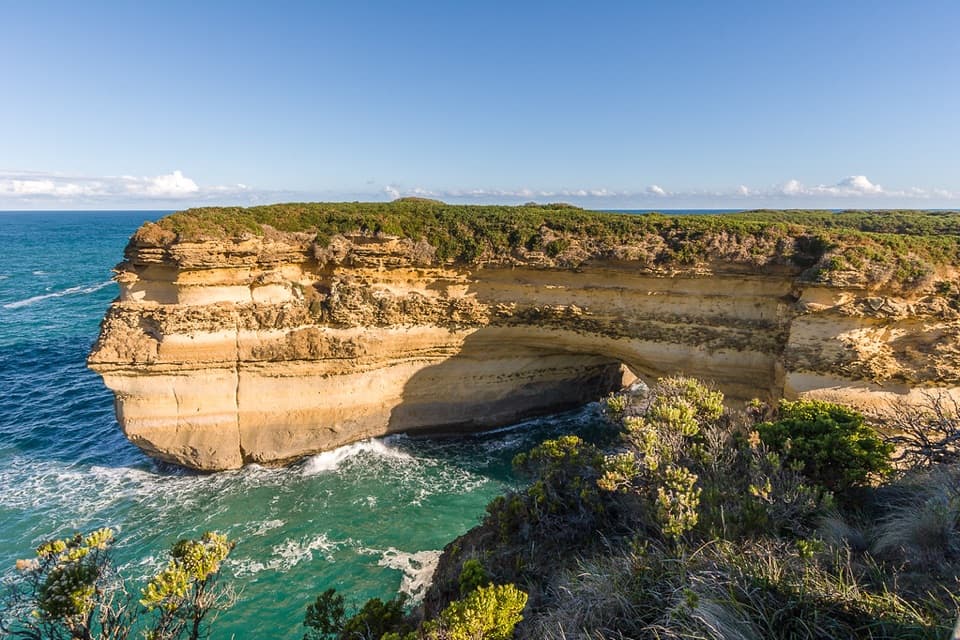
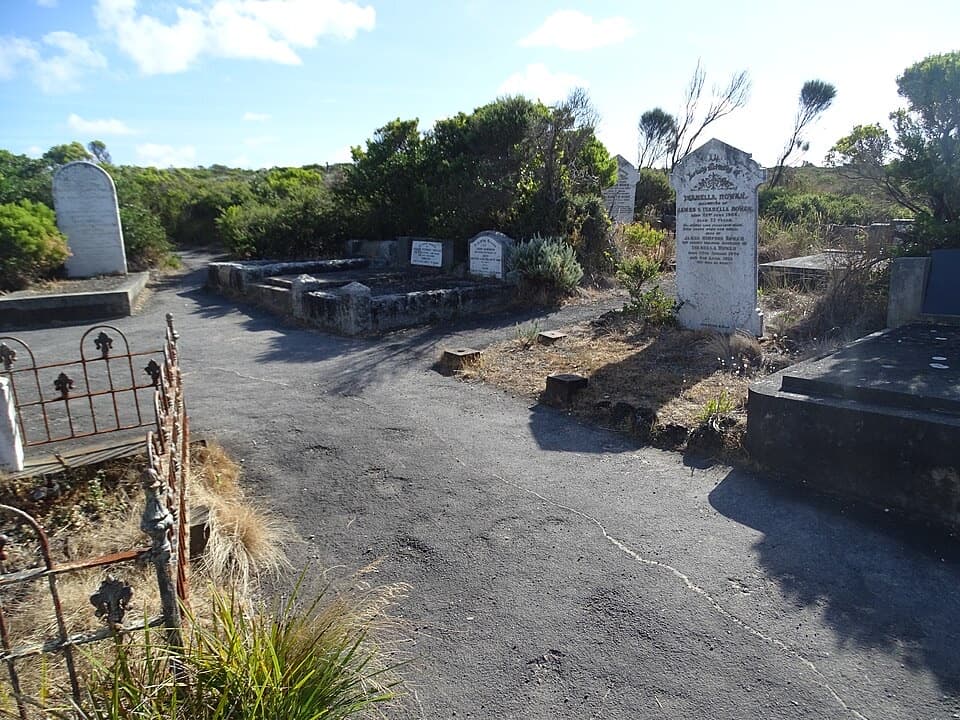
The site is named for the clipper Loch Ard, wrecked here on June 1, 1878 after a three‑month voyage from England. Of 54 aboard, only two 19‑year‑olds survived—apprentice Thomas Pearce and emigrant Eva Carmichael. Pearce hauled himself out of the gorge to raise the alarm; a clifftop cemetery remembers several victims. When the Island Archway collapsed in 2009, the two remaining pillars were officially named Tom and Eva in their honor.
Mutton Bird Island hosts a colony of Short‑tailed Shearwaters. From roughly October to April, thousands return to their burrows at dusk—visible from clifftop lookouts and one of the coast’s most reliable wildlife moments. Birders also keep an eye out for the elusive rufous bristlebird along the scrubby edges.
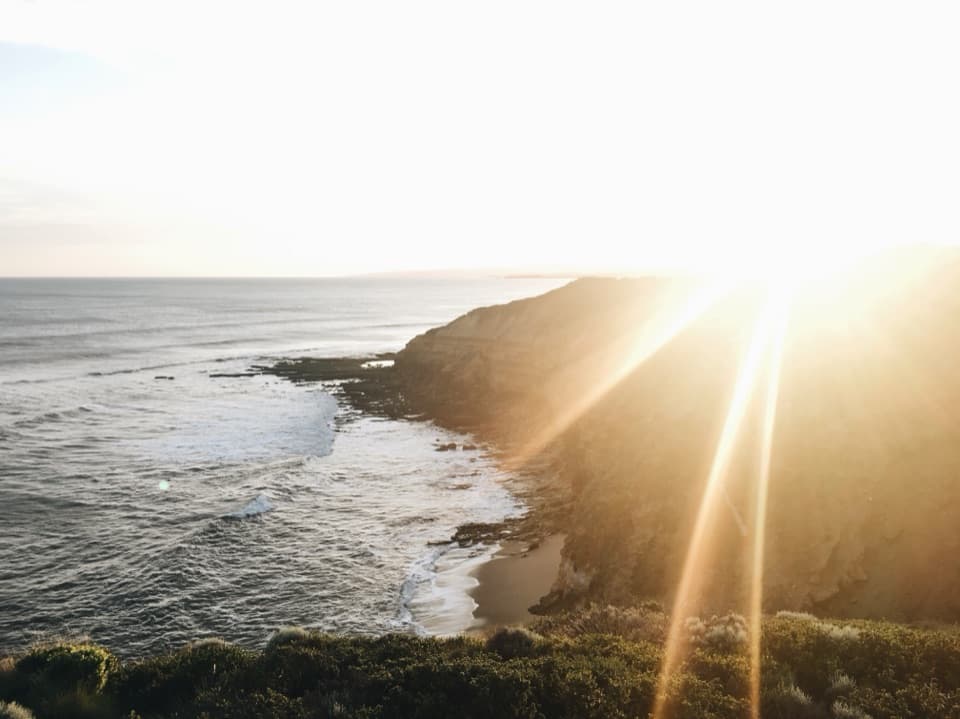
Photography is flattering in golden hours; late‑day light warms the limestone.
It’s about five minutes from the Twelve Apostles and roughly ten minutes from Port Campbell. From Melbourne, allow about 4.5 hours via the coastal Great Ocean Road or around 3 hours via the inland route (Princes Highway via Colac).
Absolutely. Even without beach access, the combination of cliff‑rim views, layered storytelling, and seasonal wildlife makes Loch Ard Gorge a must‑stop—and often more engaging than the quick Apostles lookout.