
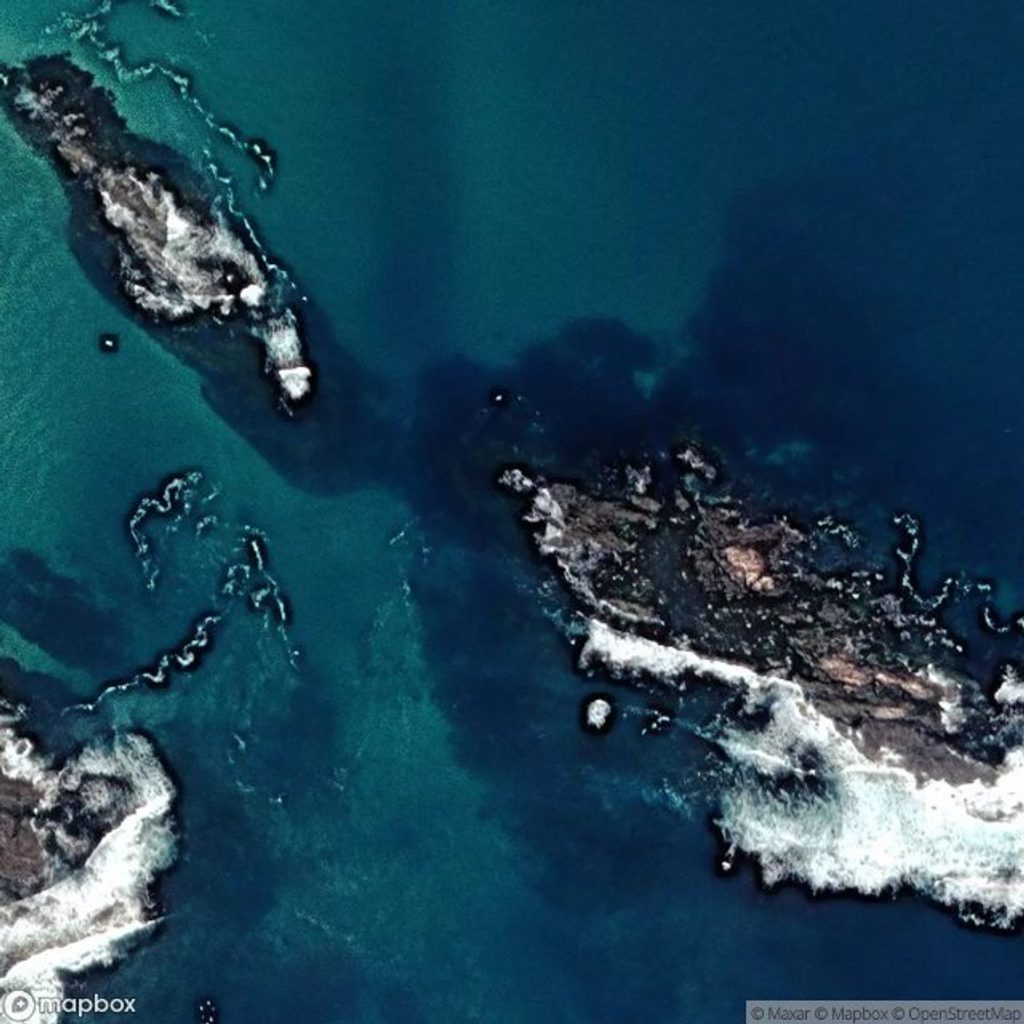
Place · 2.7 mi away
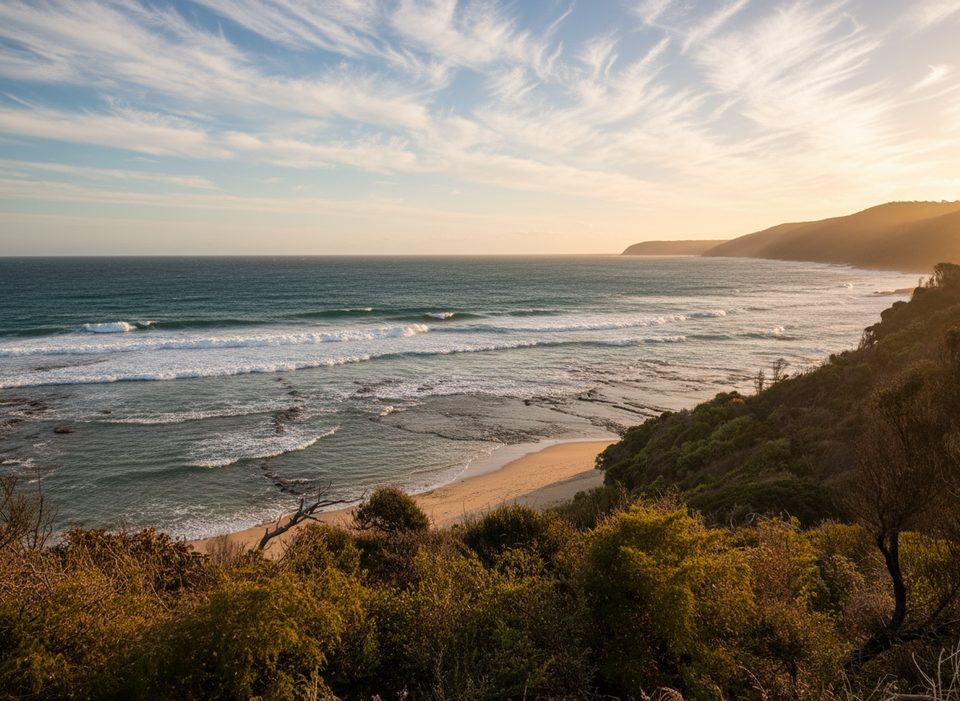
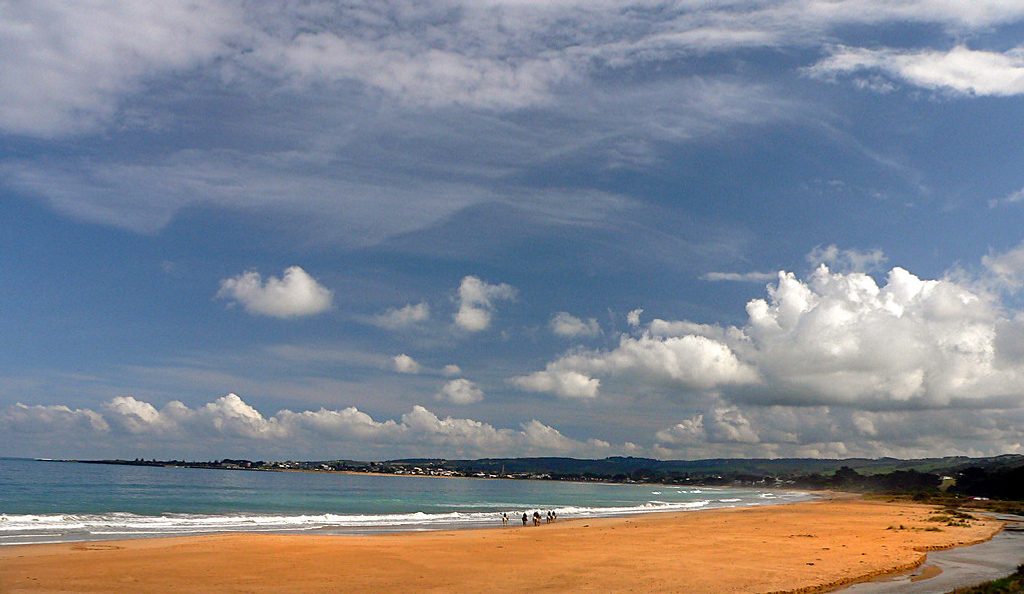
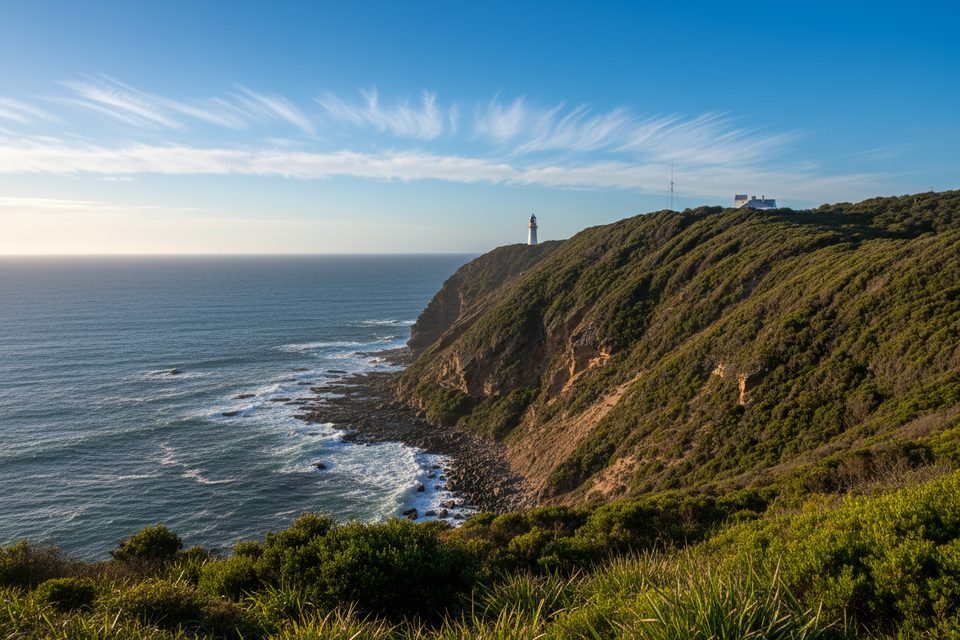
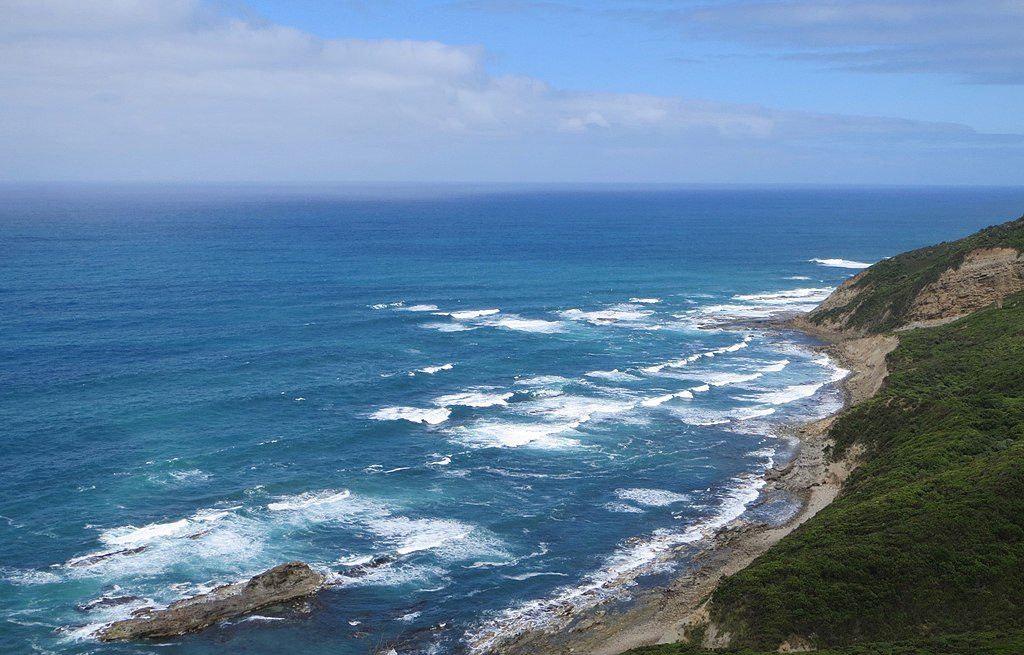
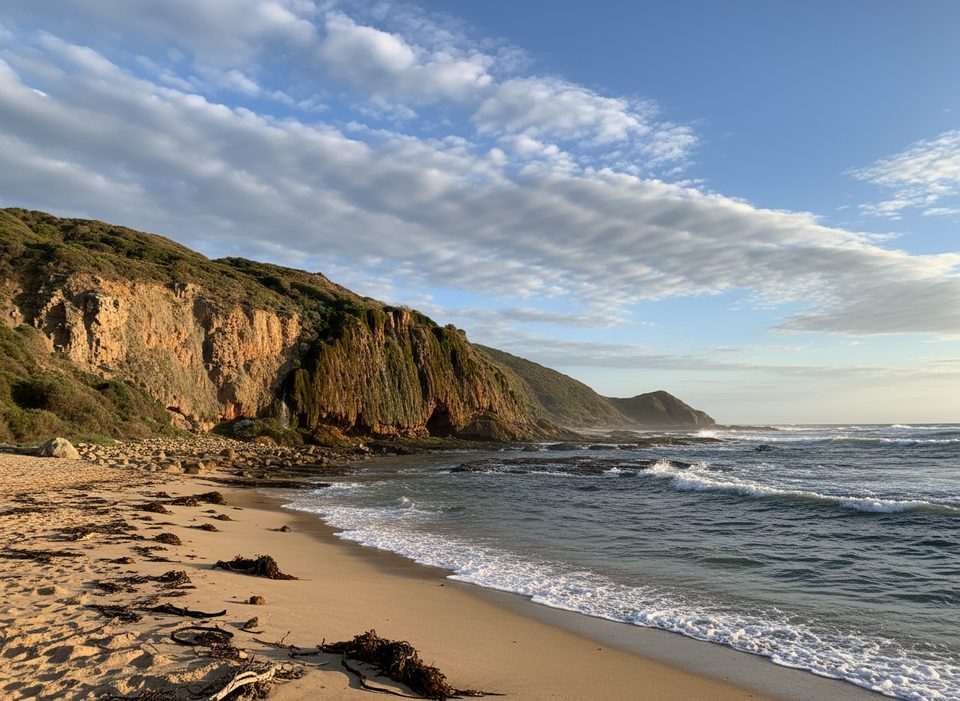
A short drive southwest of Apollo Bay, Shelly Beach is where coastal forest drops to a rugged shoreline of sandstone platforms and narrow sandy pockets. It’s a classic Great Ocean Road side trip: picnic up top, then wander down to the rock pools when the tide is out. This isn’t a swimming beach—it’s about scenery, tidepooling and a quiet, wild feel.
At low tide the reef-like platforms open up a maze of pools and channels, great for peering at marine life. Inland, blue gum forest and coastal heath shelter koalas, wallabies and echidnas; you may also spot signs of digging from echidnas and bandicoots along the tracks. Offshore, fur seals are often seen around nearby Marengo.
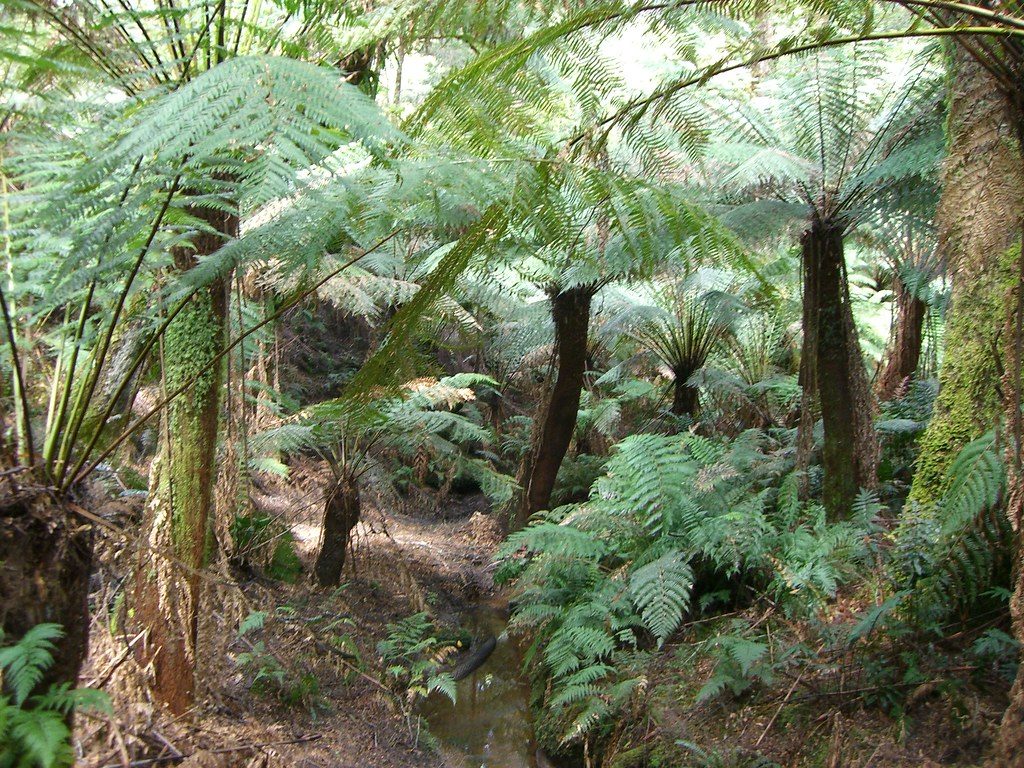
From the Shelly Beach Day Visitor/Picnic area, a 900 m loop drops to the beach and returns, and an easy ~2 km circuit weaves through fern gullies, coastal scrub and the rock platforms toward the Elliott River before looping back. A longer option links Marengo to Shelly Beach along a 4.4 km section of the Great Ocean Walk. Expect some steep steps on the descent to the beach.
Shelly Beach showcases the coast’s layered story: cliffs of sandstones and mudstones, including fossil‑rich units such as the Gellibrand Marl and Nirranda formations, frame a resistant sandstone platform that forms the headland. It’s a ready‑made outdoor classroom for rockhounds and curious kids alike.
Plan around the tide: parts of the rock platform are hazardous or cut off at high tide. The surf is rough, currents strong, and rocks can be slick. This is day‑use only—no fires or camping—and dogs aren’t permitted. Drones require a permit. The access road is unsealed, mobile reception can be patchy, and the walk down has steep sections. Small coaster buses can use the day‑use area; larger coaches should go elsewhere.
The day‑use area provides parking, toilets and picnic tables, plus signed tracks to the beach and viewpoints.
Aim for low tide to unlock the rock platforms and pools. Go on a calm day to reduce spray on the rocks. If you’re linking a walk, start early to give yourself a comfortable tidal window and time for slow exploring.
Place · 2.7 mi away
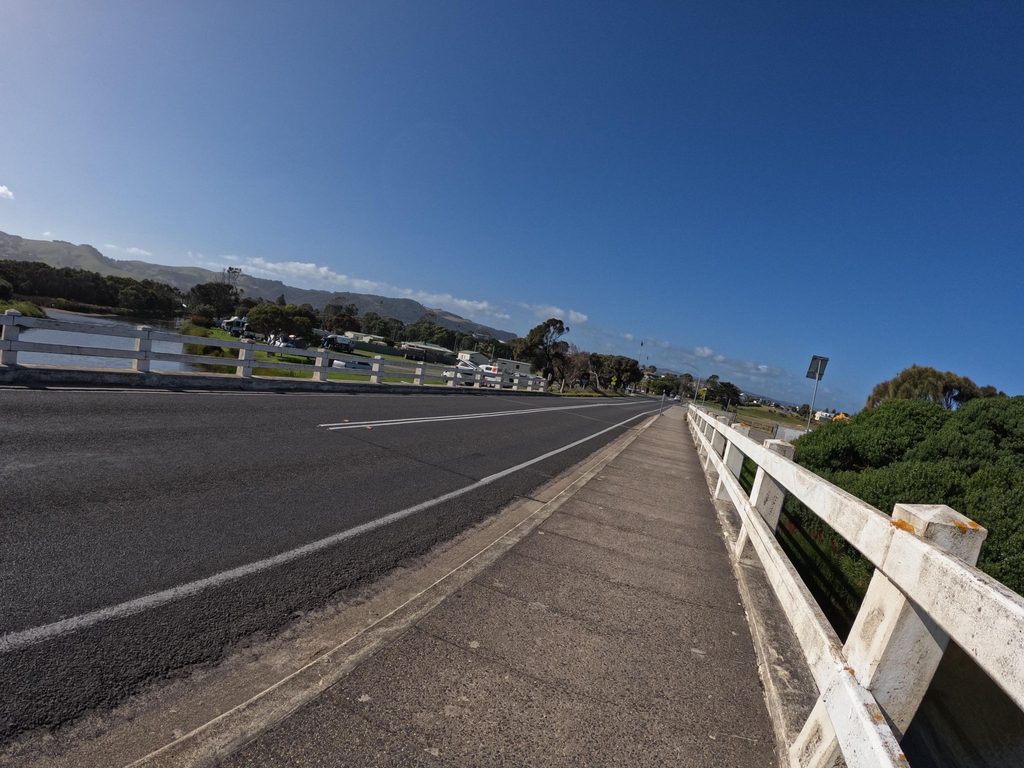
Place · 3.1 mi away
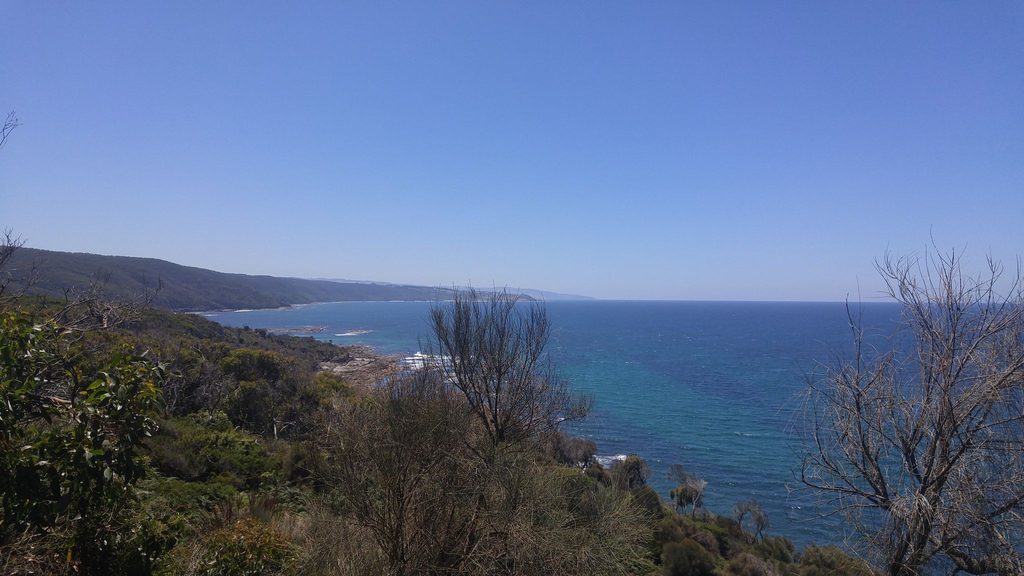
Place · 3.3 mi away
Place · 3.5 mi away
Moderate · 3.3 mi away
Challenging · 3.6 mi away
Easy · 4.5 mi away
Moderate · 7.2 mi away

Parkwolf Tour Guide
