Blanket Bay

Beachfront camp with koalas and a sheltered bay on the GOW
Blanket Bay, Great Ocean Road
InsideGreat Ocean Road

Overview

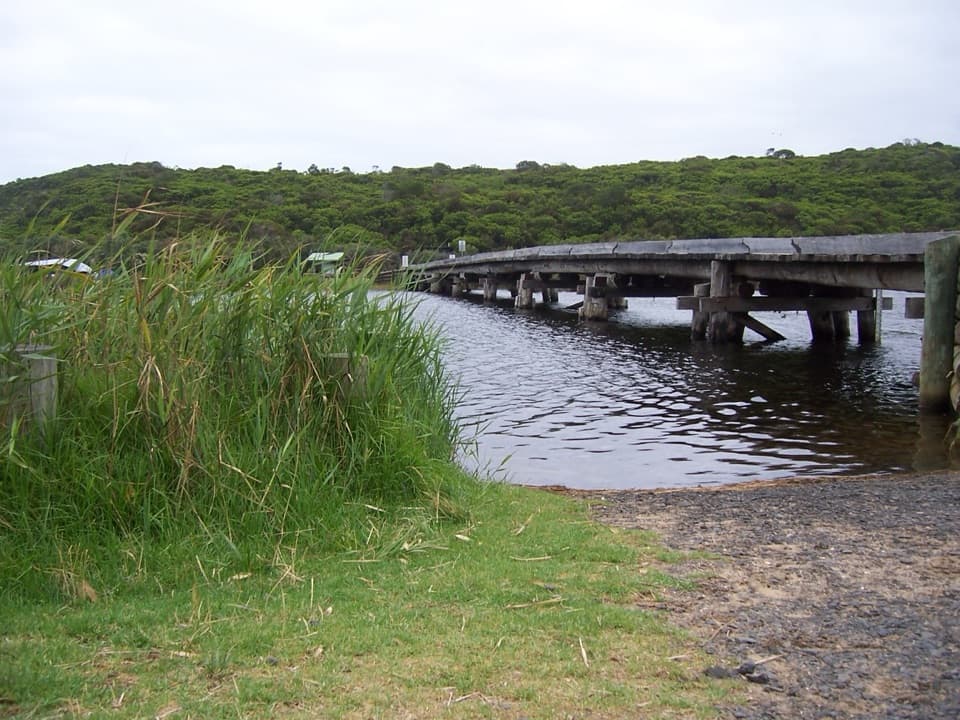
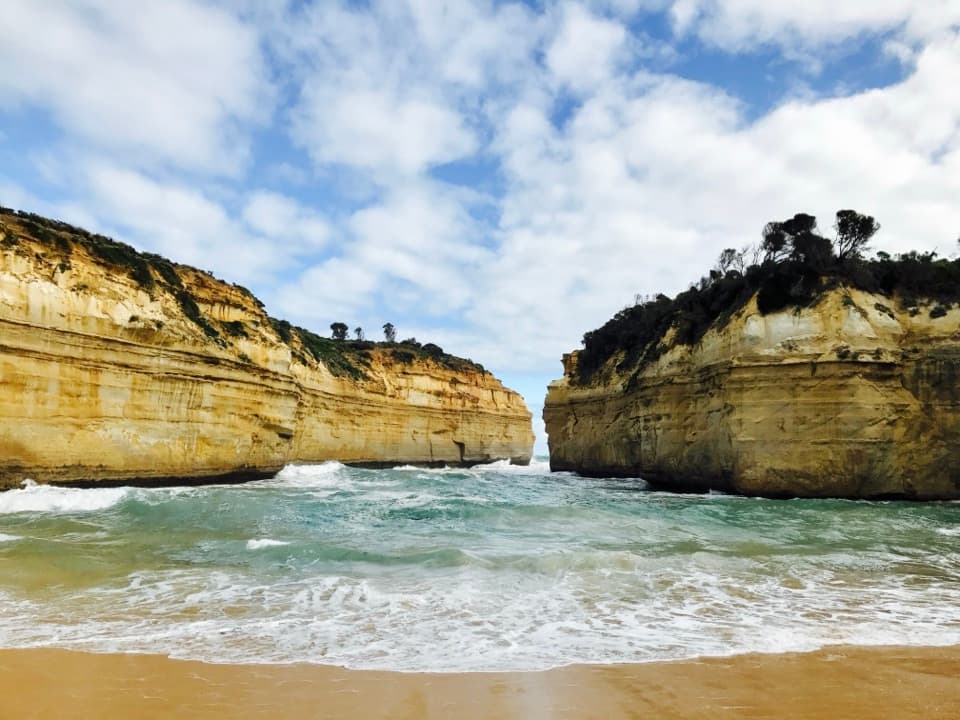
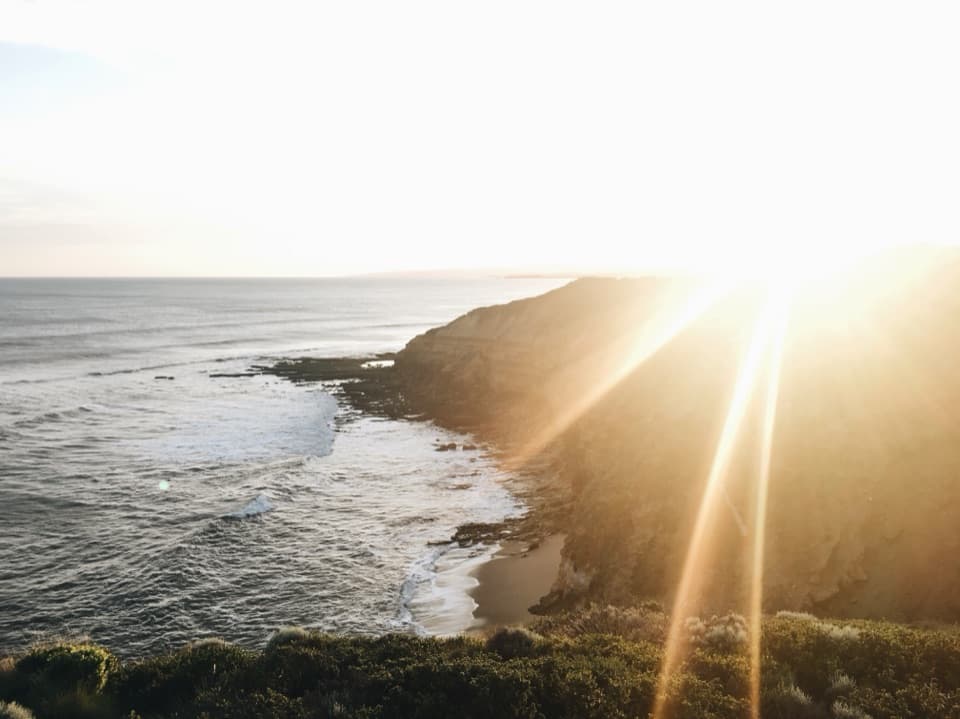
Blanket Bay is a sheltered cove tucked inside Great Otway National Park, used by Great Ocean Walk hikers as a scenic overnight or long lunch stop. It’s not the most dramatic beach on the coast, but the setting is prime: a calm, rock-fringed bay with an oceanfront campground and easy access to the next showstopper views toward Cape Otway.

Where it sits on the Great Ocean Walk

This is the natural pause between Elliot Ridge and Cape Otway: roughly 13 km from Elliot Ridge to Blanket Bay and about 11 km onward to Cape Otway. The walking isn’t technical, but repeated ups and downs (and some steep descents) add up—trekking poles help, especially when the track turns muddy after rain.

What you’ll see

Koalas are the headline—look up in the manna gums around camp and along the track. Expect kangaroos at dawn and dusk, and plenty of coastal birdlife flitting through the scrub and along the rocks. The bay itself is usually calm enough for a refreshing swim on warm days, and low tide exposes rockpools for poking around.

Facilities and how it works

This is a basic, peaceful, bush-style campground: unpowered sites, pit toilets, shared fireplaces only, and rainwater taps (treat before drinking). No generators. Bring your own drinking water and firewood. Parking sits close to many sites, and there are a few picnic tables. Access to the sand involves stairs from the campground.

Logistics for walkers

There are no huts on the Great Ocean Walk, so book designated campsites here in advance with Parks Victoria. Water is from rain tanks—filter or treat it. Reception on this section is patchy; Telstra tends to be the most reliable. If you’re day-hiking sections, there are road access points nearby, but public transport along the route is limited, so most people arrange shuttles.

Seasonal notes

Autumn (April–May) often brings crisp, clear walking days, though nights run cold for campers. Trails can be muddy after wet spells anytime. Warmer months mean more snakes on the move—watch your step in long grass—and the odd burst of biting insects on still days. From May to October, keep an eye on the ocean for migrating whales.

Best time to visit

For walking and camping comfort, shoulder seasons are your friend—book early in high season. Wildlife is most active at first and last light, so plan your beach wander or campsite coffee around dawn and dusk. If you want a swim, aim for a warm, calm afternoon when the bay is at its most inviting.

Pros

  • Oceanfront campground right on the Great Ocean Walk
  • Frequent koala sightings around camp and track

Cons

  • Basic bush-style facilities (pit toilets, no power; bring water)
  • Unsealed access road that can be rough after rain

Tips

  • Book campsites in advance; there are no huts on the Great Ocean Walk.
  • Bring and treat your own water—taps are rainwater only.
  • The road in is unsealed; allow extra time after rain.
  • Carry trekking poles for muddy or steep sections.
  • Fires are only in shared fireplaces; check Fire Danger Rating and Total Fire Ban days.
The Parkwolf tour guide sitting on a phone mounted in a car

Parkwolf Tour Guide

Like a tour guide in your car.

Save the places you found around Great Ocean Road, then let Parkwolf guide the drive between them.Download Parkwolf on the App Store