
Place · 0.7 mi away
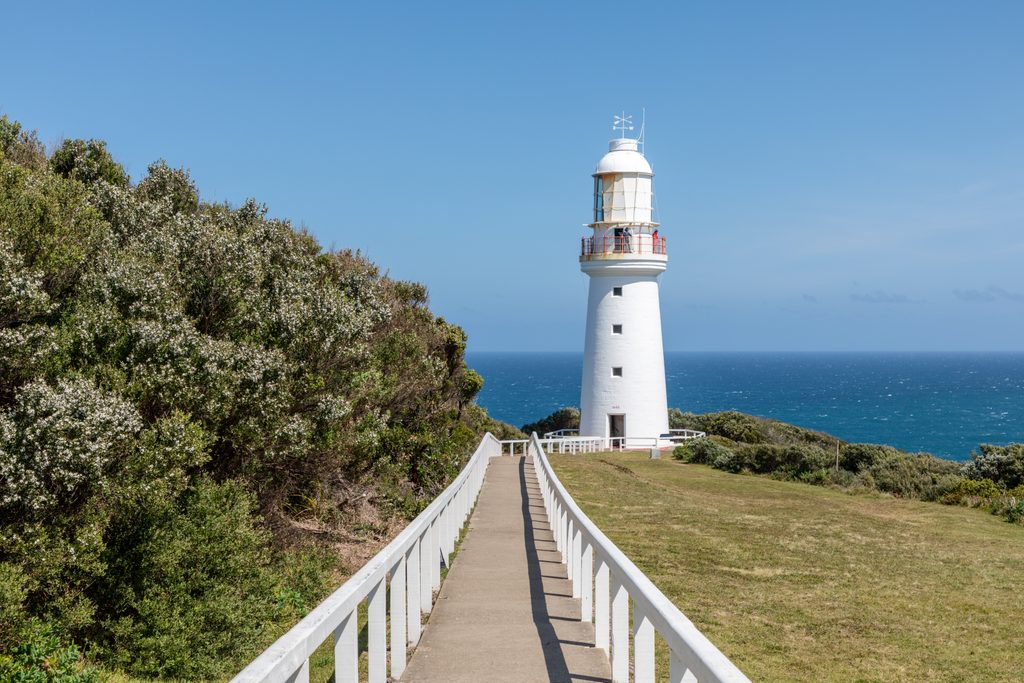
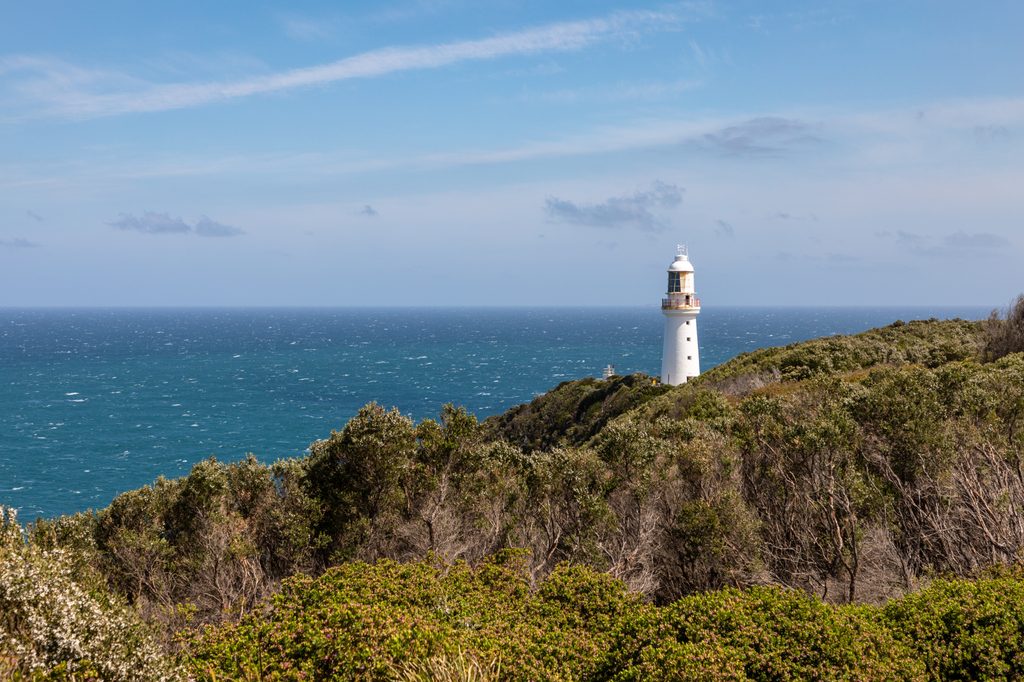
Cape Otway is the wind-battered tip of the Otways where towering cliffs meet the Southern Ocean and a storied lighthouse anchors the headland. The lightstation precinct (built in 1848, the oldest surviving lighthouse on mainland Australia) sits about 90 m above Bass Strait, so the views are big, moody, and constantly changing.
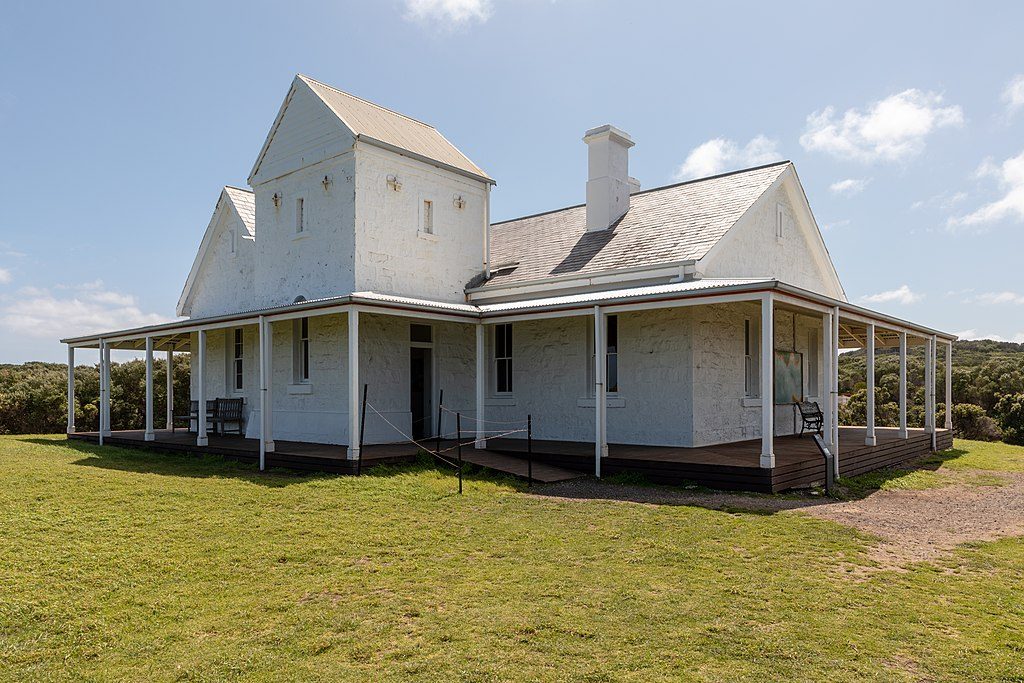
This is the place for drama: long horizons, thundering swell, and a living slice of maritime history in one compact stop. Even if you don’t enter the paid precinct, the area delivers classic coastal scenery. Inside, heritage buildings add context to shipwreck coast lore; outside, keep an eye on the water for passing whales and on roadside branches for dozing koalas.
Coastal cliffs here are crumbly and the swell is powerful. Heed signs and keep well back from edges. Weather swings from bluebird to squally quickly—pack a rain layer even in summer.
Short sections of the Great Ocean Walk for cliff‑top rambling, a rainforest detour to Triplet Falls, or a night visit to Melba Gully for glow‑worms (use a red light and stick to tracks).
Place · 0.7 mi away
Place · 0.8 mi away
Place · 0.8 mi away
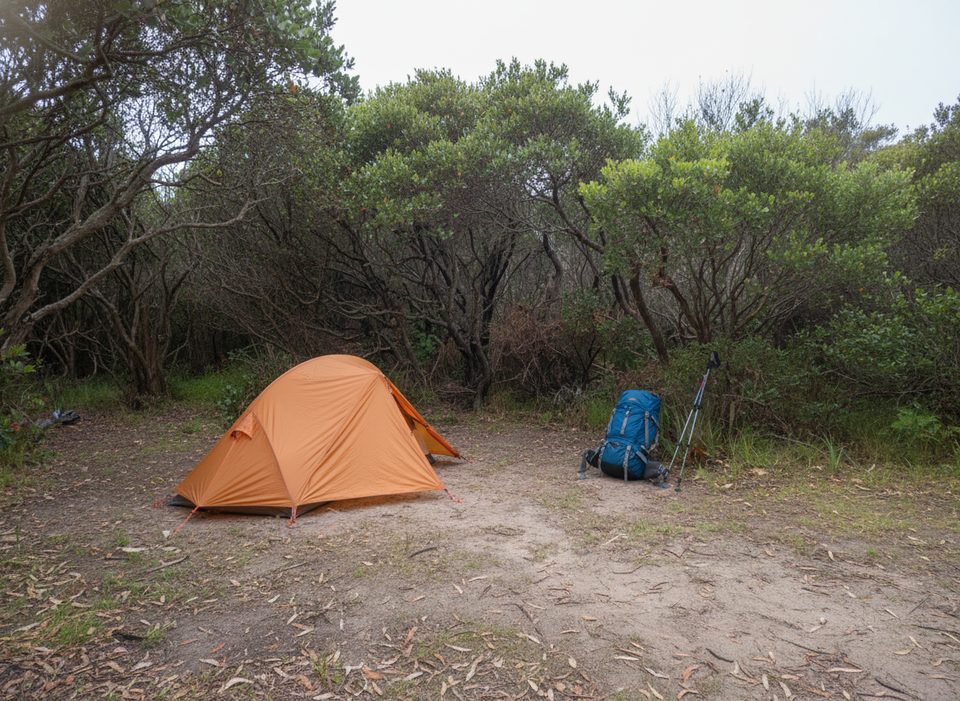
Place · 1.2 mi away
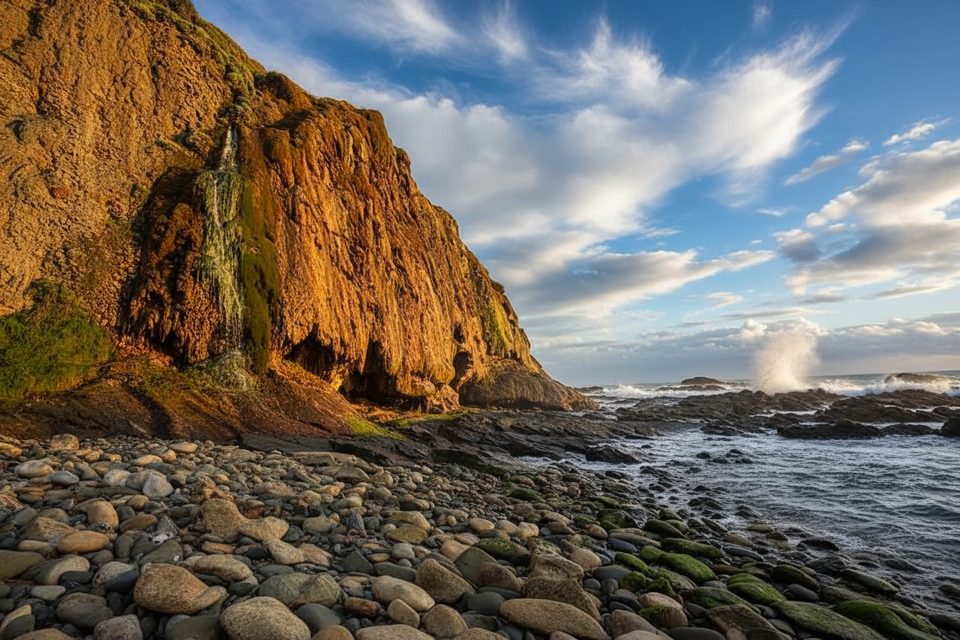
Moderate · 0.9 mi away
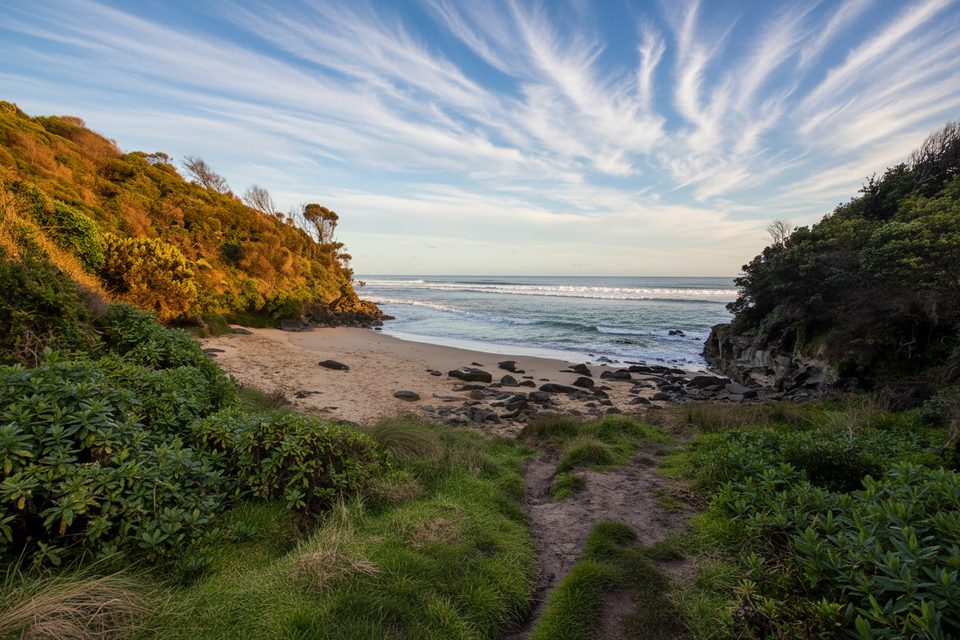
Moderate · 7.7 mi away
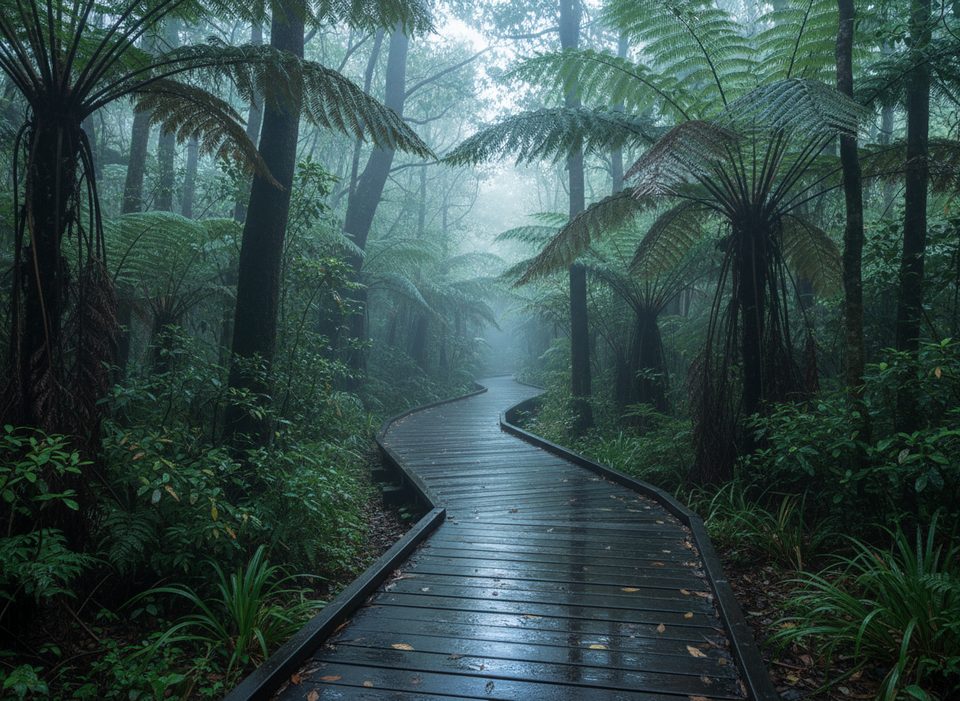
Easy · 7.9 mi away
Challenging · 11.3 mi away

Parkwolf Tour Guide
