Place · 0.4 mi away

Tucked in coastal woodland just behind the headland, the Cape Otway Hike‑in Campground is the Great Ocean Walk’s bushy overnight near the lighthouse. It’s walk‑in only and sits roughly 600 m from the Lightstation precinct, making it a natural end‑of‑day stop between Blanket Bay and Aire River.
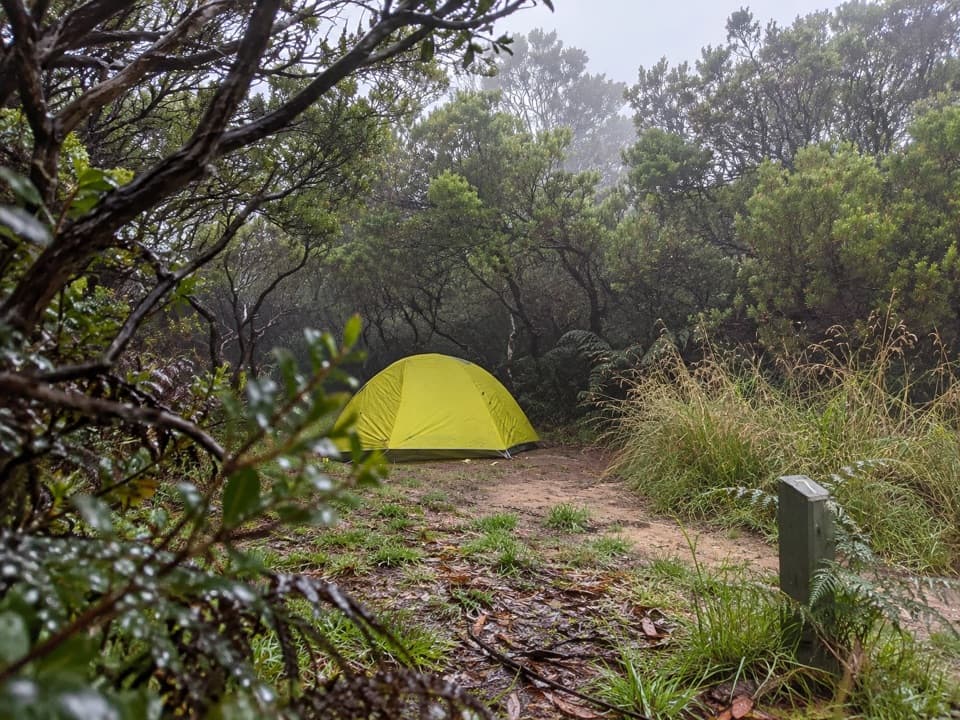
Expect the GOW standard kit: designated tent pads for small backpacking tents, composting toilets, untreated rainwater tanks, and a three‑sided group shelter with table/benches. Bring a stove—campfires aren’t permitted—and treat or carry your drinking water. The site is sheltered among manna gums, so it’s practical rather than scenic.
Most walkers reach it after the Blanket Bay → Cape Otway leg (about 10–11 km) and continue to Aire River the next day (~10 km). Wayfinding is straightforward from the main track; look for signed turn‑offs to the campground.
This pocket of woodland is classic koala country thanks to the manna gums. Evening and early morning are your best bets for sightings and birdlife; wallabies and fairy‑wrens are regulars. The sheltering trees also knock back the wind—nice for sleep, less exciting for views.
The Cape Otway Lightstation precinct is close enough for a quick detour during opening hours, with a small shop/café for snacks and hot drinks. If weather turns or you want a reset, off‑track accommodation is available at Bimbi Park inland.
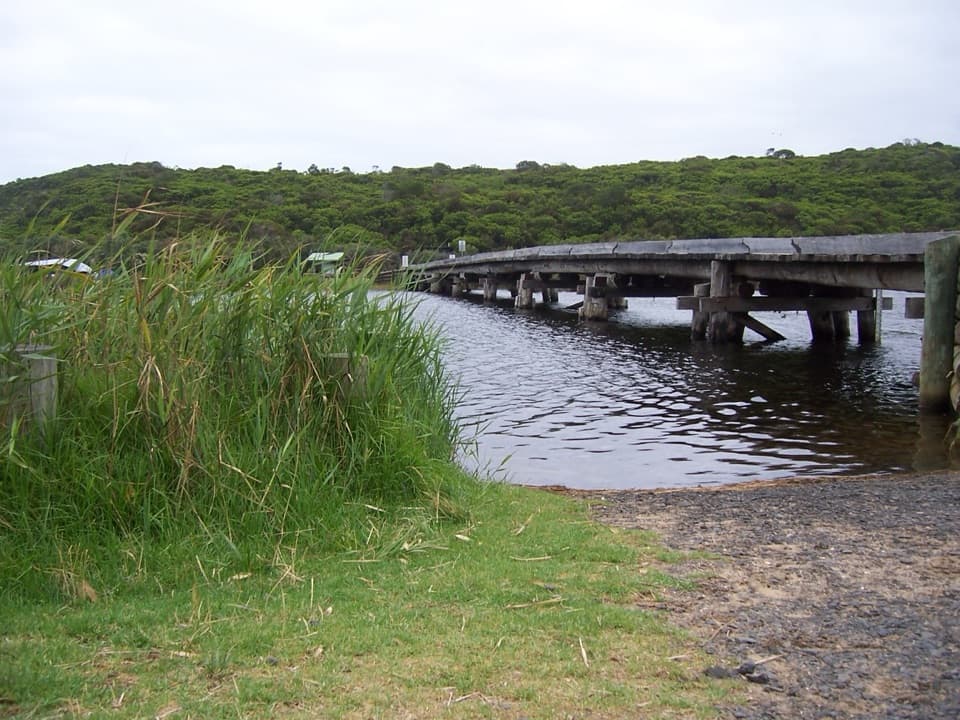
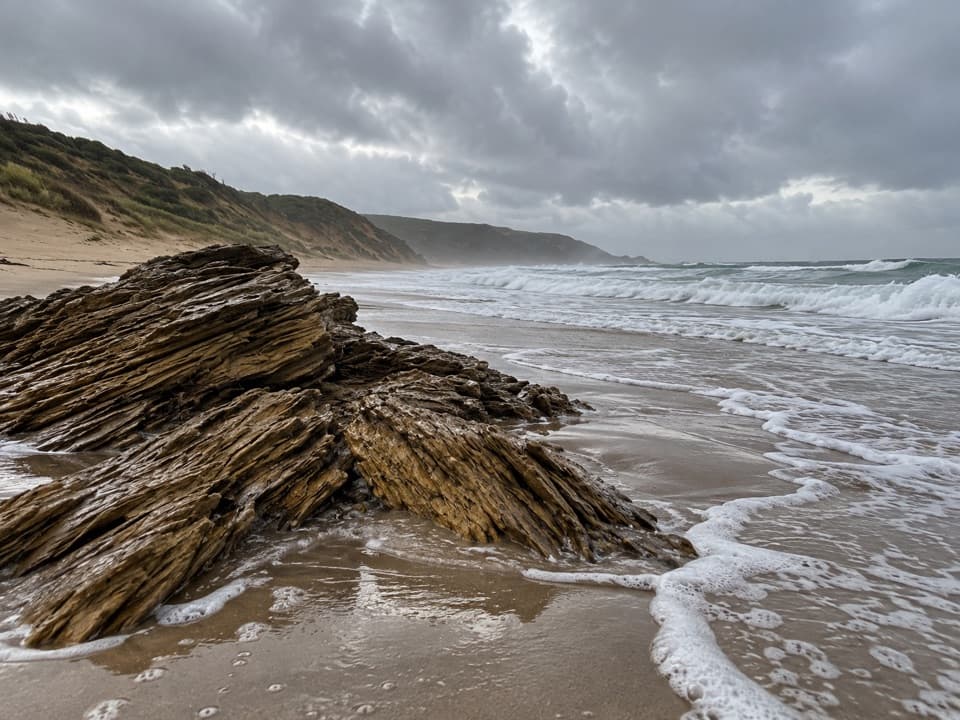
Book a designated hike‑in pad with Parks Victoria before you go; these small camps fill in peak holiday periods and fees apply per person/night. Treat all tank water and don’t rely on it mid‑summer. Tide and swell planning matters on this section—the Parker Inlet crossing between Blanket Bay and Cape Otway can be problematic after heavy rain or rough seas. Bushfire risk is real in high summer; check current warnings before setting out.
Weekdays outside Australian school holidays are the sweet spot for quieter pads and less competition for the shelter. Aim to arrive mid‑afternoon to nab a tent pad and settle before dusk wildlife activity. For photography, sunrise and the low, warm light around golden hour are best—head to the lighthouse area for coastal shots, then return to camp for a calm evening.