Place · 0.1 mi away

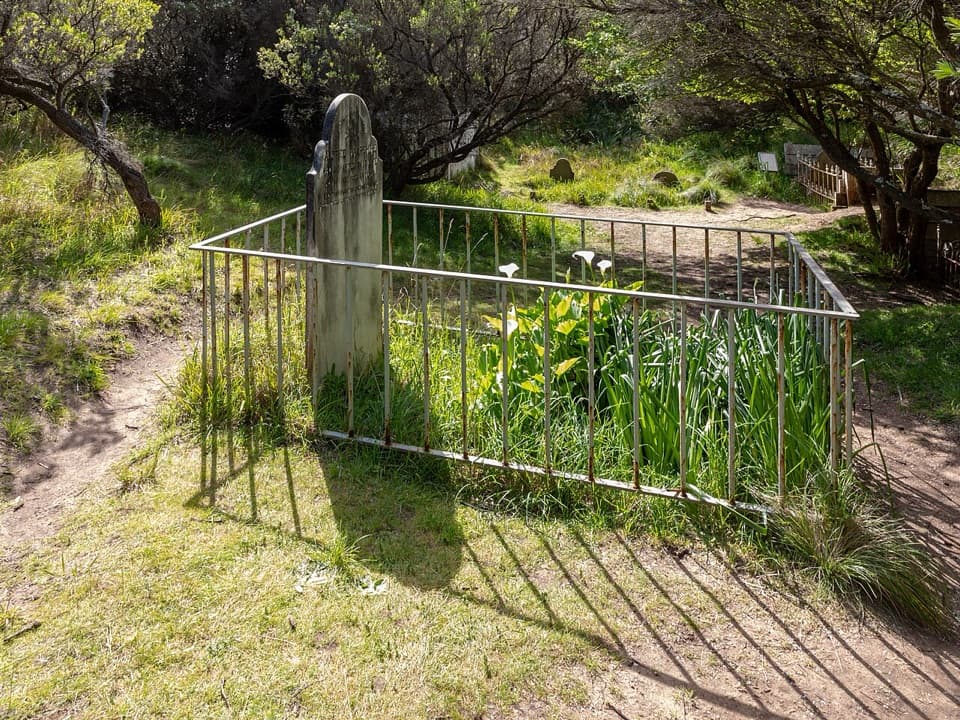
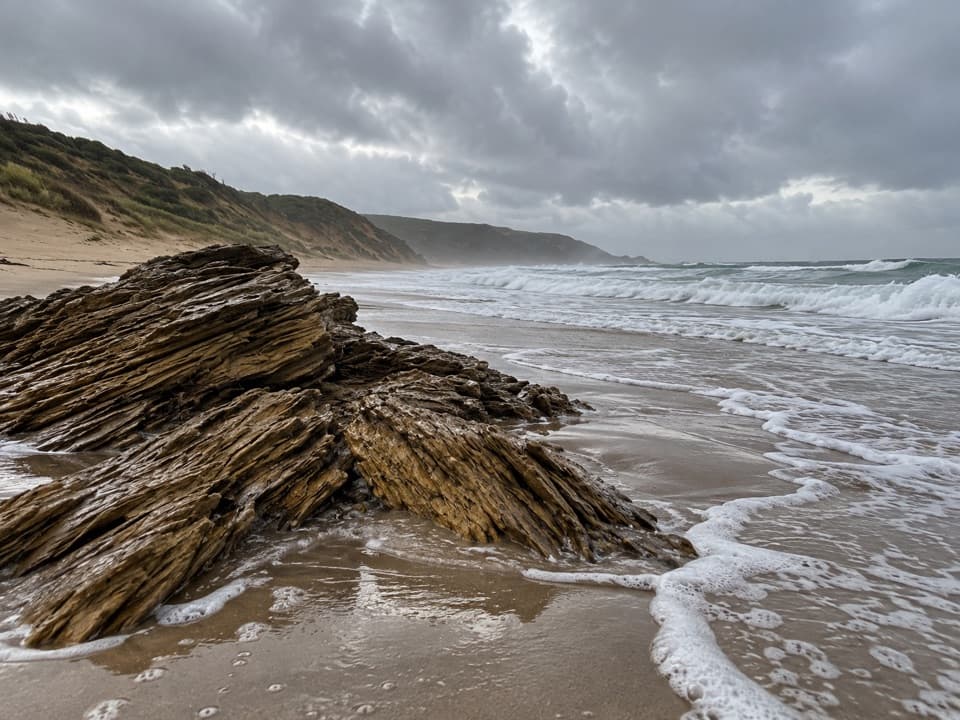
Perched where Bass Strait meets the Southern Ocean, Cape Otway Lightstation is a dramatic cliff‑top landmark with serious history. Built in 1859 from local stone and later converted to solar power, it guarded one of Australia’s most treacherous shipwreck coasts and became a beacon for generations of sailors.
Think more than a single tower: the 200‑acre Heritage Precinct includes historic buildings, a telegraph station, exhibits (including secret war history), and wide‑open ocean viewpoints. As of November 2025, the lighthouse tower itself is closed, with discounted entry for precinct access; plan on views from the grounds rather than a balcony. When operating, the tower climb involves 78 steps and a final ladder—but don’t bank on that right now.
This headland is the story hub of the Great Ocean Road: shipwreck lore, the memorial road itself, and even deep‑time tales—nearby coastal cliffs have yielded notable dinosaur fossils. It’s one of the most characterful stops on the drive and a worthwhile detour even if you’re not chasing lighthouse climbs.
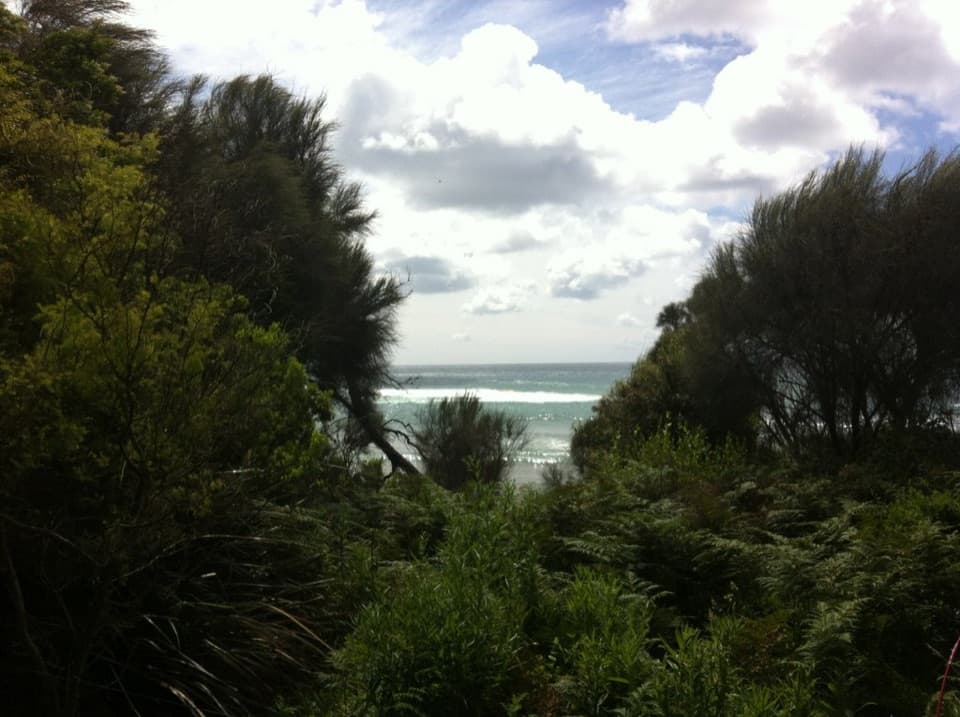
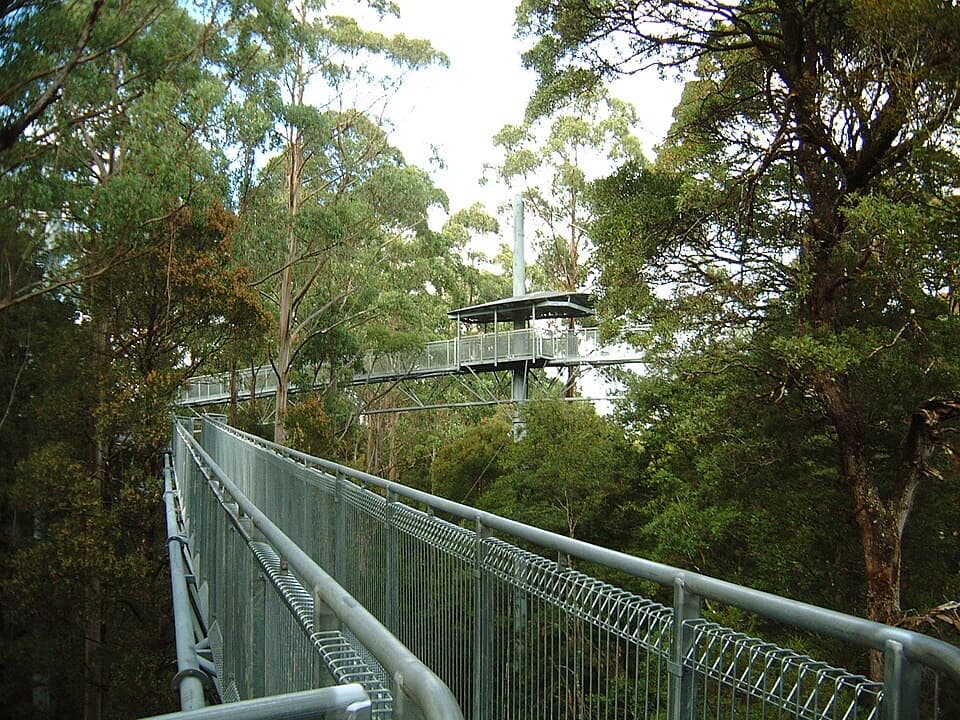
From the grounds, watch for sea eagles, dolphins, seals, and migrating whales in season. On the approach along Lighthouse Road, koalas are often seen in the eucalypts. Birders will find plenty to love along this rugged coastline.
The Great Ocean Walk passes right through the Lightstation precinct, making this a natural waypoint for day sections or multi‑day itineraries. If you’re starting early or finishing late on nearby tracks, be alert for trip hazards from echidna and bandicoot diggings—carry a headlamp at dawn/dusk and stick to formed paths.
Arrive near opening for calmer winds, fewer people, and softer light on the cliffs; late afternoon also glows for photography but watch the 9:30 am–4:00 pm operating window. Overnight guests often rave about sunset, stargazing, and sunrise solitude once the gates close. Whale watching is best during migration periods; bring binoculars.