Cape Otway WWII Radar Bunker

Rare WWII radar bunker with hands-on history inside the Lightstation
Cape Otway WWII Radar Bunker, Great Otway National Park
InsideGreat Otway National Park

Overview

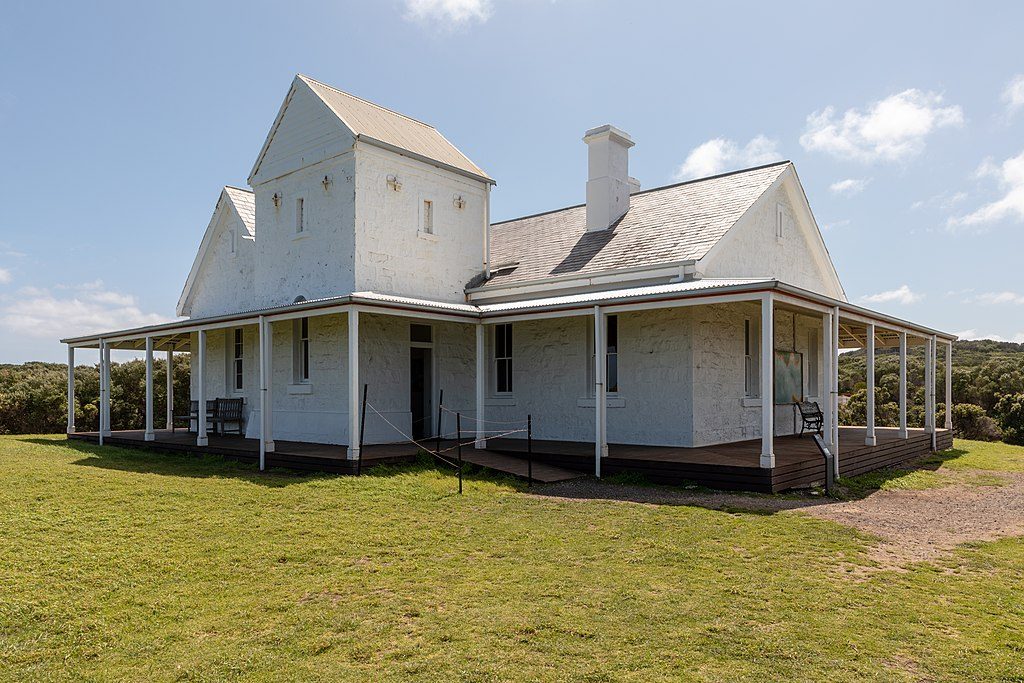
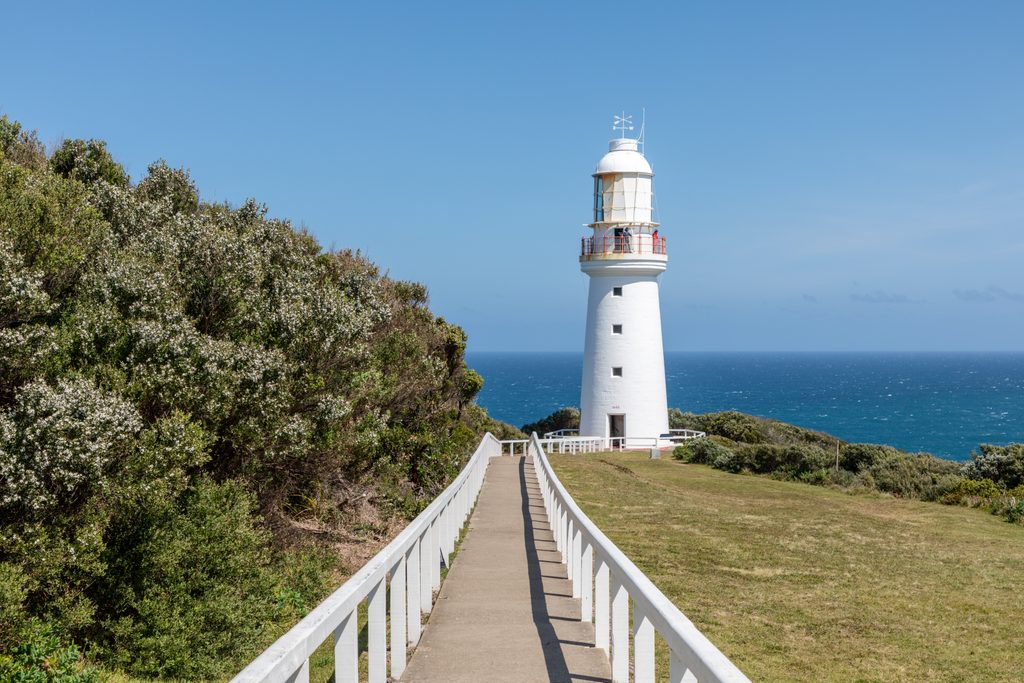
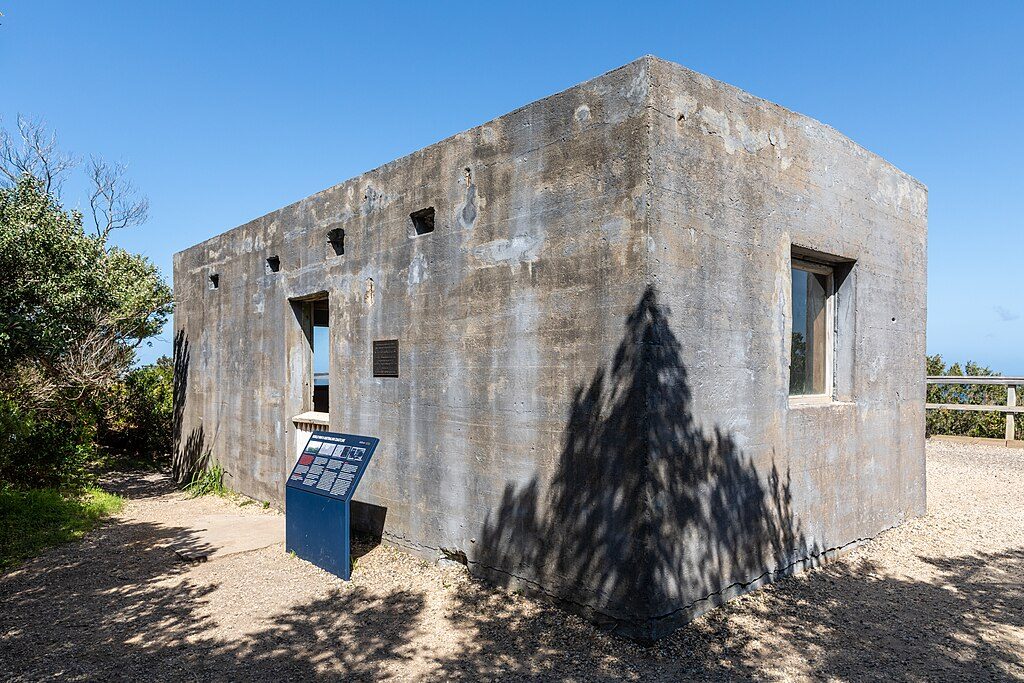
Tucked inside the Cape Otway Lightstation precinct, this concrete "Doover" bunker (No. 13 Radar Station) is a compact, atmospheric dive into Australia’s coastal defense story. It’s an easy add-on if you’re already at the Lightstation—small in size, big on wartime intrigue.

Why It’s Special

It’s thought to be the only complete WWII radar-station structure still standing in Australia, and it still holds original aerial‑turning equipment. Inside, the interpretive/interactive exhibition and audio clips bring the operators’ world to life—great for history‑minded travelers and curious kids alike.

What You’ll See

A stout wartime bunker built in 1942 by the RAAF, plus displays that decode how early radar worked and how crews detected threats along this wild stretch of coast. Expect concise, engaging panels and period sound bites rather than a sprawling museum—quality over quantity.

A Short History (the fast version)

  • Built in 1942 to detect enemy aircraft, ships, and submarines, one of 124 RAAF radar units and one of four covering Bass Strait.
  • The system could track targets in any weather up to roughly 150 miles, feeding plots to Air Defence Headquarters in Melbourne.
  • Cape Otway’s “secret” reports famously traveled at first over a shared telephone line with local farmers.
  • Up to 50 personnel served here. Equipment included British second‑generation Chain Home technology (an MB3 transmitter at 42.5 MHz and RF7 receiver arrays) within an ACO igloo‑style installation.

Planning Your Visit

  • Location and access: It’s within the paid Cape Otway Lightstation precinct; purchase a precinct ticket to enter.
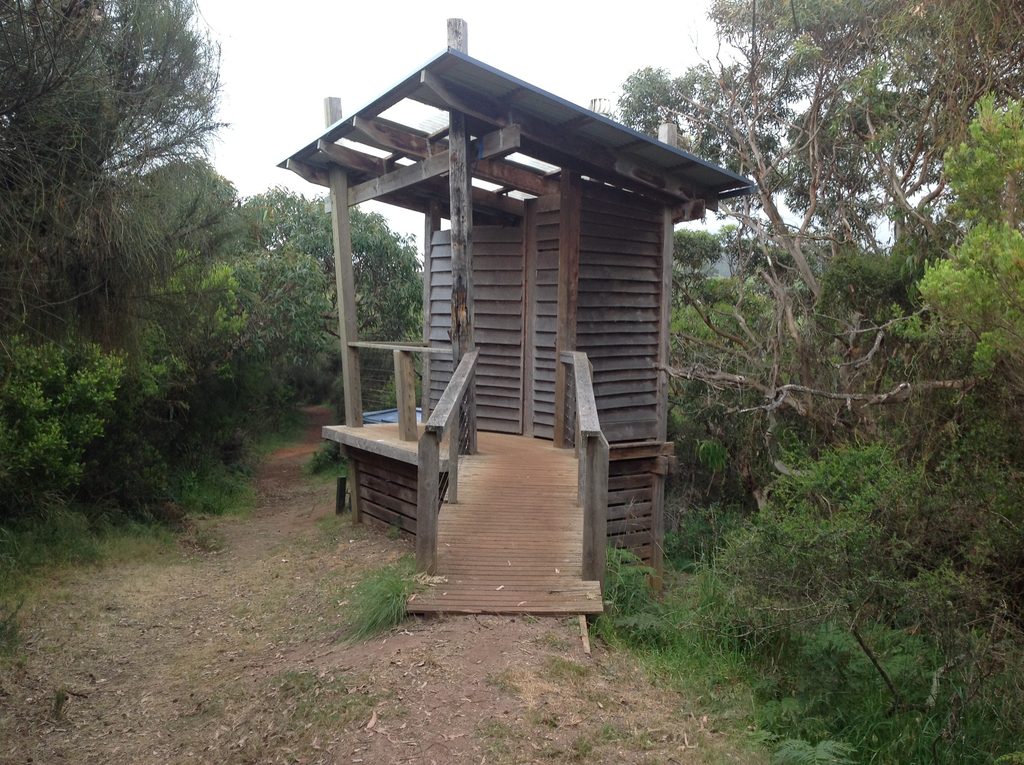
  • Facilities: There are no toilets at the bunker itself—use the Lightstation car‑park amenities. In December 2024 these were under upgrade with temporary toilets in place, and the managing Authority flagged that conservation works could cause ongoing service impacts. The café was intermittently closed around that time.
  • Stewardship and works: The structure has "concrete cancer," and a heritage grant application (A$150,000, lodged in 2023) sought funds for rectification; as of mid‑2024 the decision was still pending. Expect periodic conservation activity.
  • Good to know: Air Force Association members (and their guests) receive 50% off precinct entry with an AFA badge.

Best Time to Visit

Aim for midweek mornings for a quieter run at the exhibits before lighthouse crowds build. If you’re here for photos and atmosphere, early or late light flatters the concrete textures and windswept setting. Check the Lightstation precinct’s opening times before you drive out, and allow a bit of buffer in case conservation works limit access.

Is It Worth It?

If you’re already visiting the Lightstation, absolutely—this bunker is a distinctive, bite‑sized history stop you won’t find elsewhere on the coast. For travelers focused purely on scenery, it’s a quick, interesting detour rather than a standalone destination.

Pros

  • Rare, intact WWII radar bunker with original equipment
  • Hands-on interpretive exhibition with audio recordings

Cons

  • Entry requires a paid Lightstation precinct ticket
  • No toilets at the bunker; services may be affected by conservation works

Tips

  • Buy a precinct ticket and pair the bunker with the lighthouse and other heritage buildings.
  • Use the Lightstation car‑park toilets before heading to the bunker.
  • Ask onsite staff about any conservation works that might affect access or services.
  • Leave time to listen to the audio recordings inside the bunker.
  • Visit on a midweek morning for fewer people around the exhibits.
The Parkwolf tour guide sitting on a phone mounted in a car

Parkwolf Tour Guide

Like a tour guide in your car.

Save the places you found around Great Otway, then let Parkwolf guide the drive between them.Download Parkwolf on the App Store