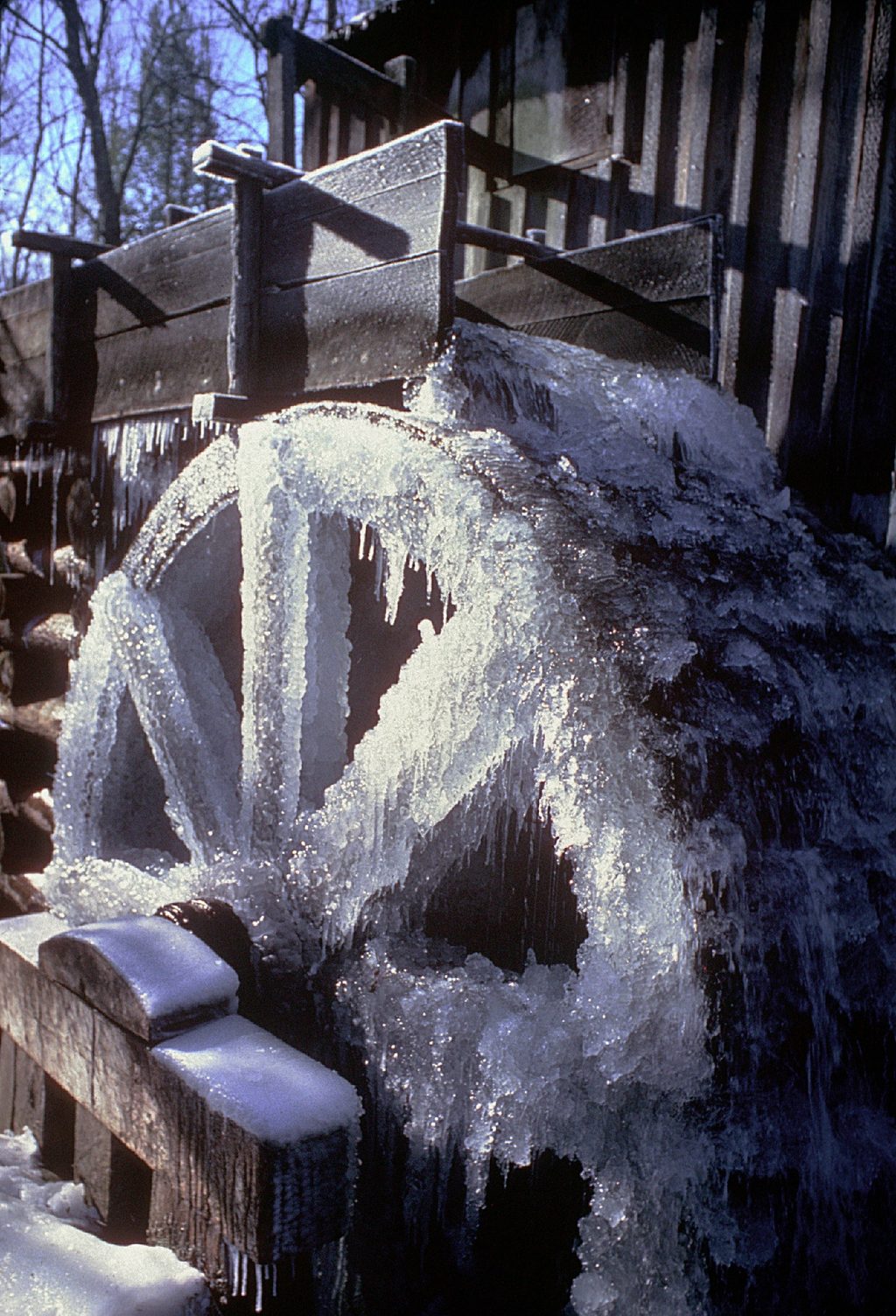
John Cable Gristmill

Working 1870s water mill and historic homestead hub in Cades Cove
John Cable Gristmill, Great Smoky Mountains National Park
InsideGreat Smoky Mountains National Park

Overview

Tucked at the heart of Cades Cove, the John P. Cable Grist Mill is one of those stops that feels like time travel—wooden flume, turning waterwheel, the whole scene. It’s an easy pull-off right by the Cades Cove Visitor Center, which means you can make this a quick leg-stretcher or linger and wander the historic buildings clustered here.

What You’ll See

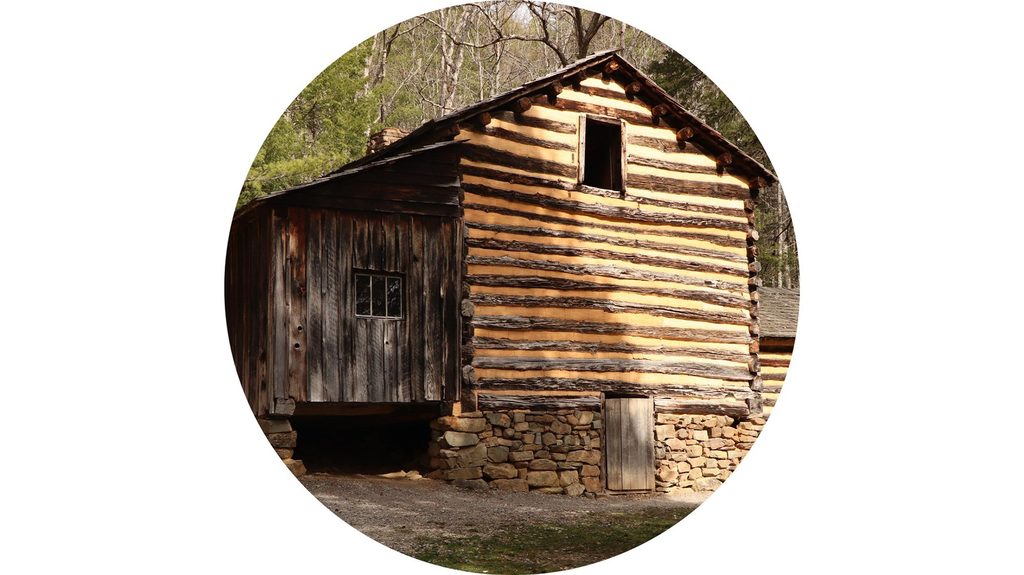
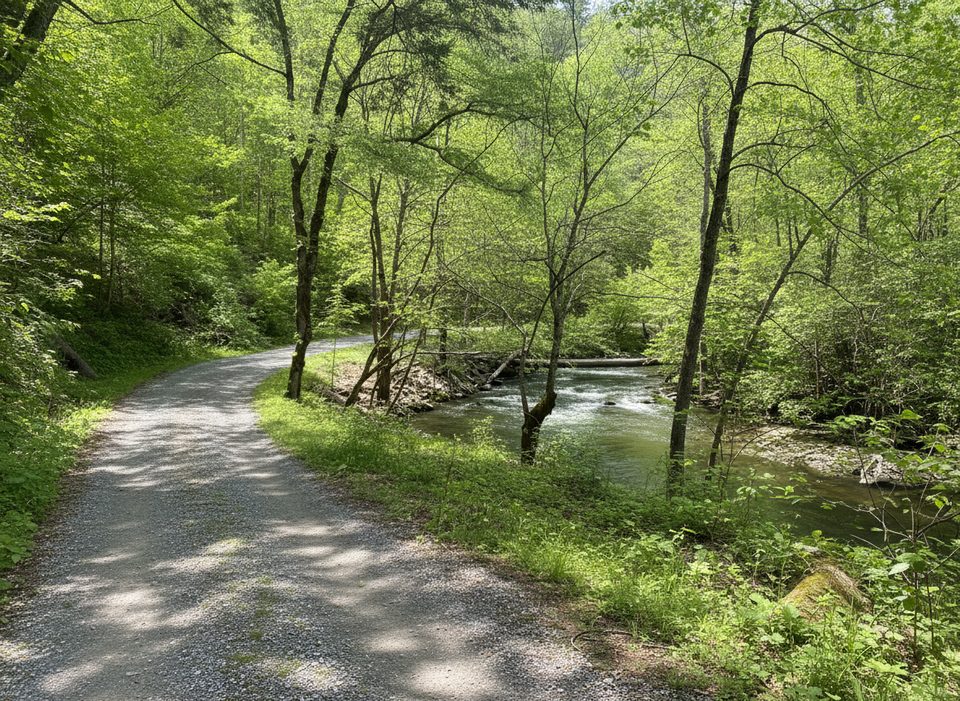
  • The working grist mill, set on its original site beside Mill Creek.
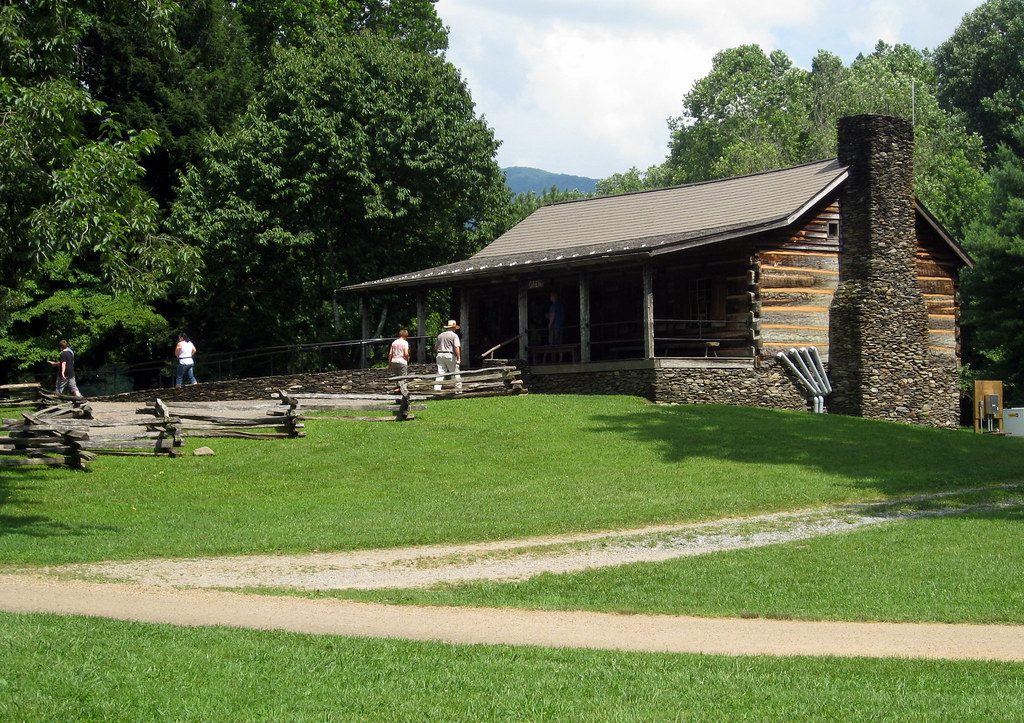
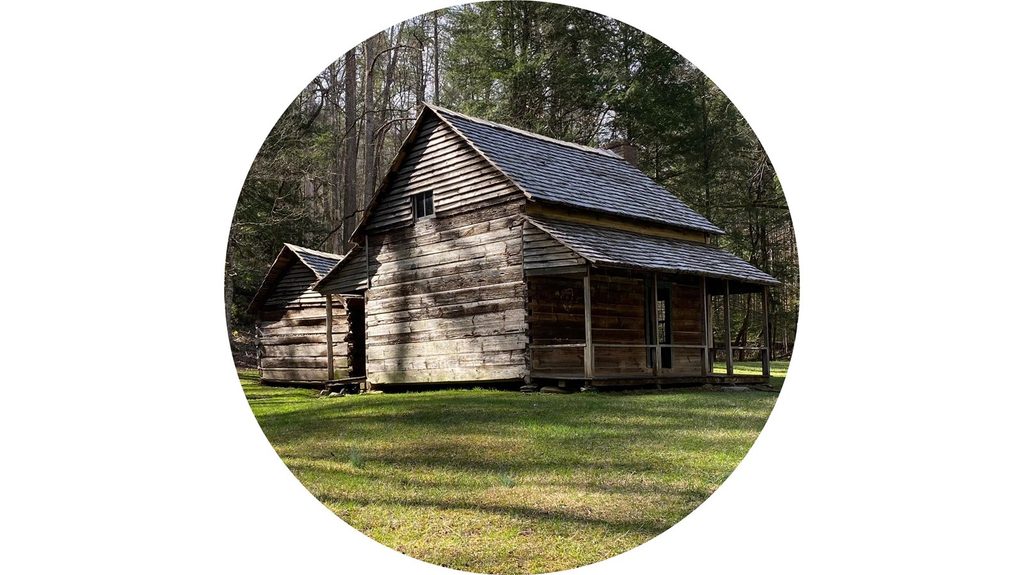
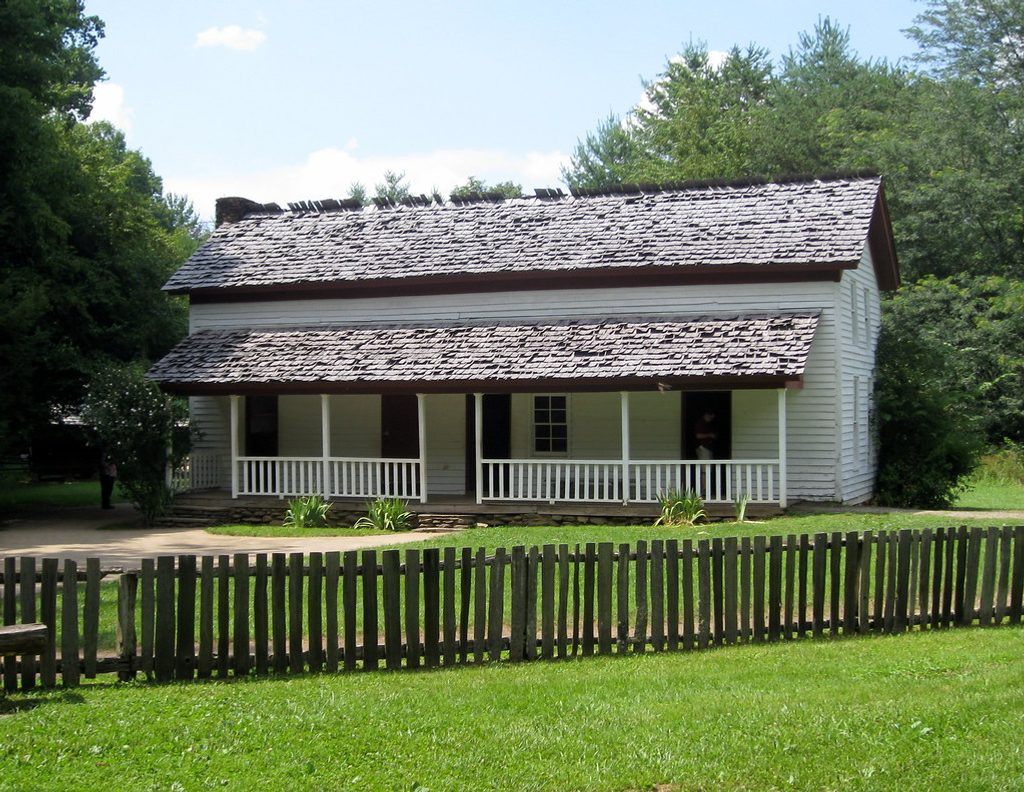
  • A small historic area around it: blacksmith shop, smokehouse, corn crib, barns, a sorghum mill, and the 1879 Gregg–Cable House (the Cove’s first all-frame house).
  • On operating days, volunteer millers grinding corn; in fall, sorghum-making; and occasional blacksmithing when staffing allows.

Why It Matters (and how it works)

Built around the late 1860s–1870s, the mill powered everyday life here—grinding corn and wheat and running a sawmill that sped up homebuilding. Water is channeled by dam, canal, and a wooden flume onto an efficient overshot wheel that turns the millstones. Back in the day, folks paid in kind—the miller kept a cut of your grain—so “mill day” doubled as a social hub as much as a necessity.

Visitor Basics

You’ll find restrooms, a bookstore/gift shop, and interpretive info next door at the visitor center. Freshly ground cornmeal is often sold when the mill is running. Expect a large but busy parking lot and, on many days, a crowd—this is a headliner stop on the loop for good reason.

Wildlife

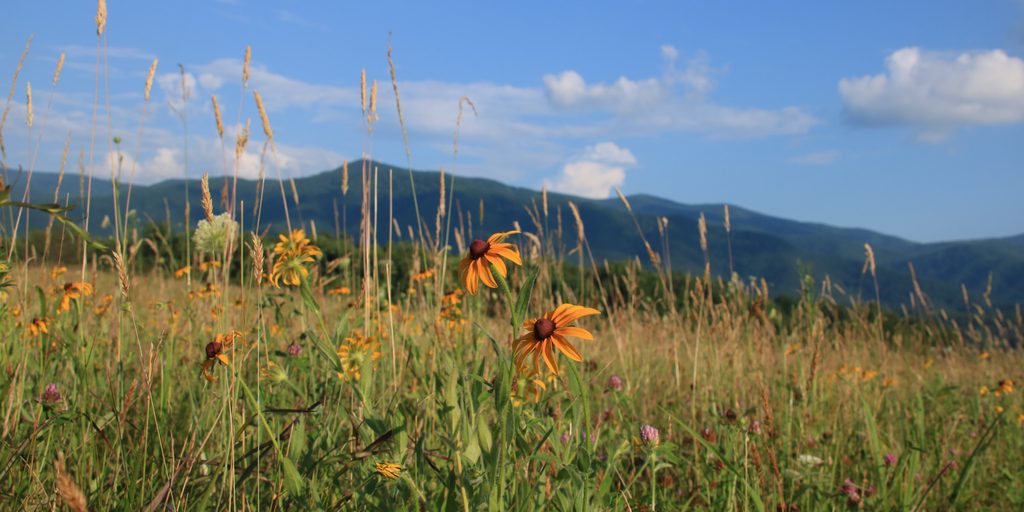
Cades Cove is one of the park’s best spots for wildlife. Late summer into fall is especially good as bears forage—keep your distance, use a zoom lens, and never block traffic to snag a photo.

Tips for a Better Visit

  • Traffic crawls on the loop during prime hours. Budget extra time and keep your plans flexible—if the mill’s busy or not running when you arrive, explore the other buildings and circle back.
  • The area is compact, so it’s easy to see a lot quickly, but you’ll enjoy it more if you slow down and watch the mill in action when it’s operating.

Best Time to Visit

  • Time of day: Weekday mornings are your friend for lighter traffic and easier parking; late afternoons can also ease up.
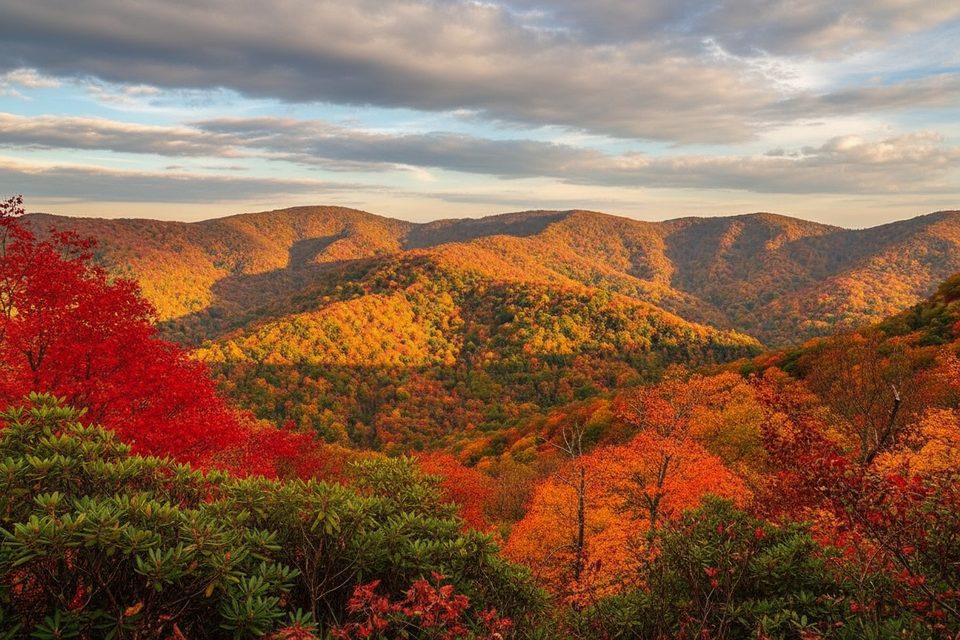
  • Season: The mill typically runs spring through fall, with weekend operations into November; fall adds sorghum-making demos and golden light for photos.
  • Special days: Vehicle-free mornings (early May–late September) are a fantastic way to experience the loop on foot or by bike without car congestion.
  • Photography: Soft morning or late-day light flatters the mill, the flume, and the creek; overcast days are great for water and wood textures.

Pros

  • Working water-powered mill with live corn-grinding demos and cornmeal sales (seasonal)
  • Cluster of nearby historic buildings to explore in one easy stop
  • Midpoint stop on Cades Cove Loop with a large visitor center parking area

Cons

  • Parking fills and loop traffic can be very slow during peak hours
  • Mill operations and demos are seasonal and not guaranteed every day

Tips

  • Arrive early or late afternoon to beat loop-road congestion and parking crunch.
  • Check the visitor center’s daily schedule if you want to see the mill running.
  • Plan extra time—the loop is one-way and slow, so don’t overpack your day.
  • Consider vehicle-free mornings (early May–late Sept) to bike or walk the loop.
  • Pack lunch or snacks; the gift shop’s food options are limited.
The Parkwolf tour guide sitting on a phone mounted in a car

Parkwolf Tour Guide

Like a tour guide in your car.

Save the places you found around Great Smoky Mountains, then let Parkwolf guide the drive between them.Download Parkwolf on the App Store