Place · 0.5 mi away

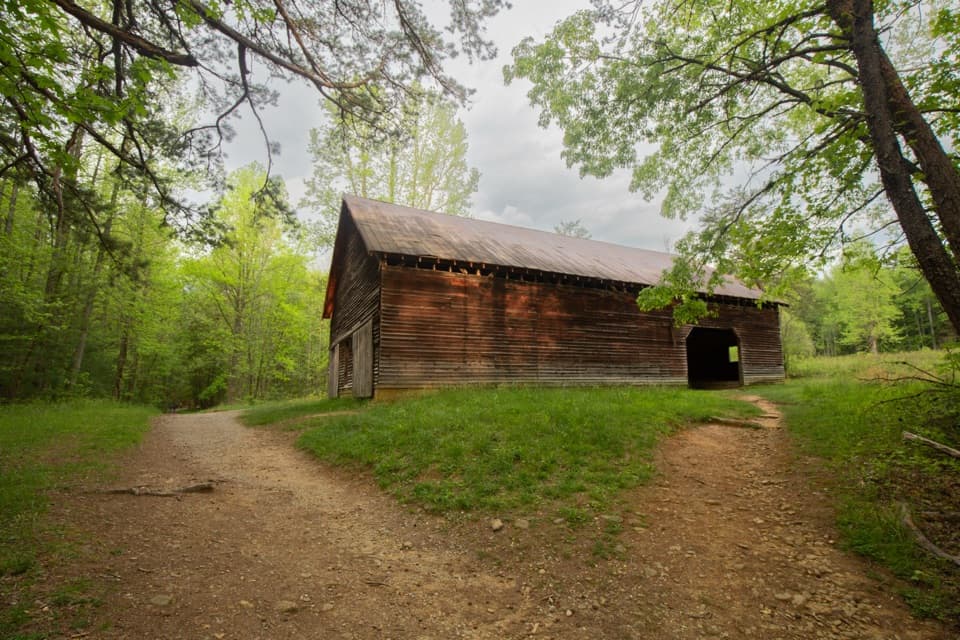
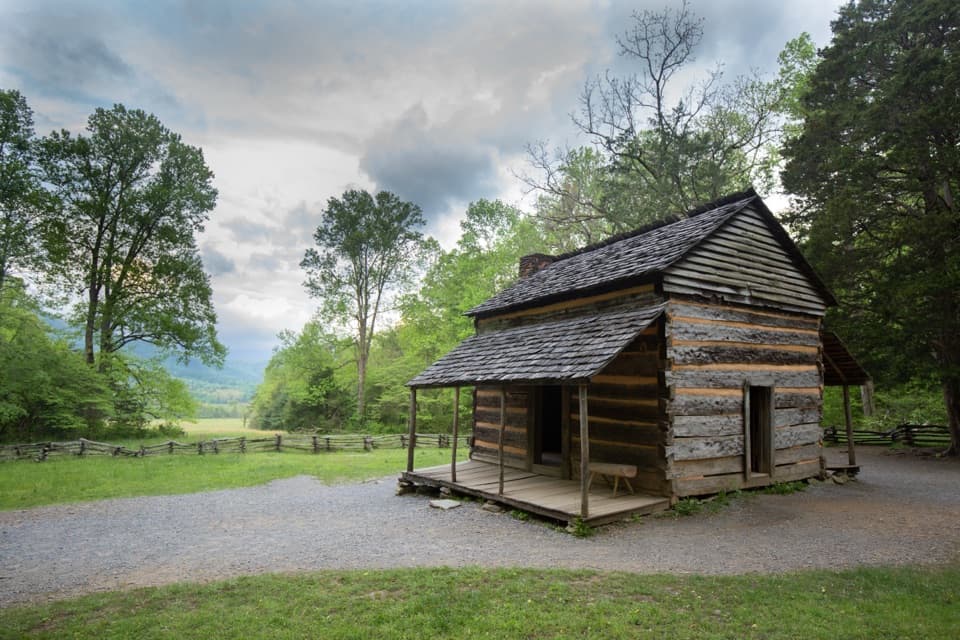
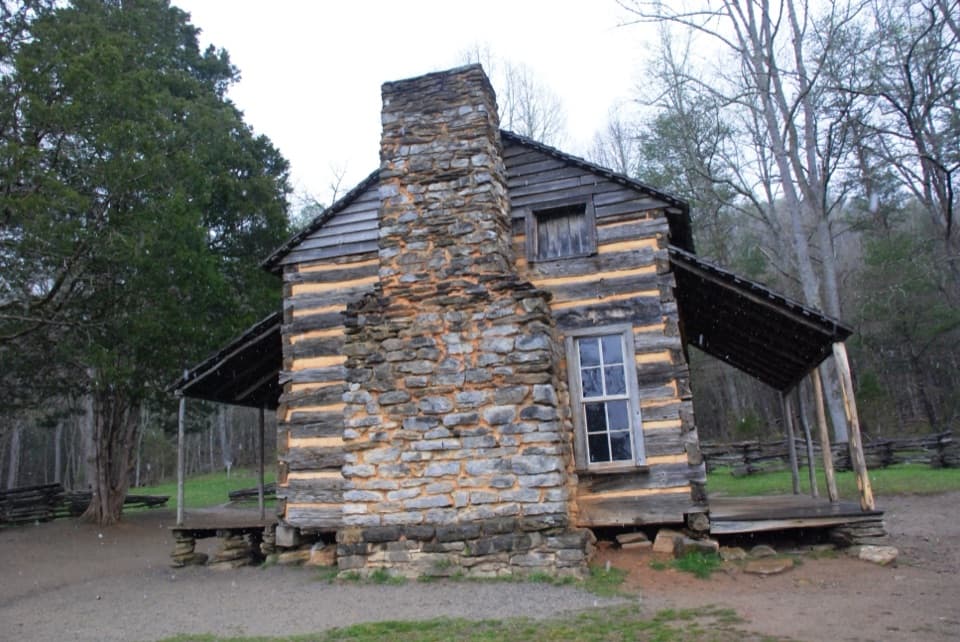
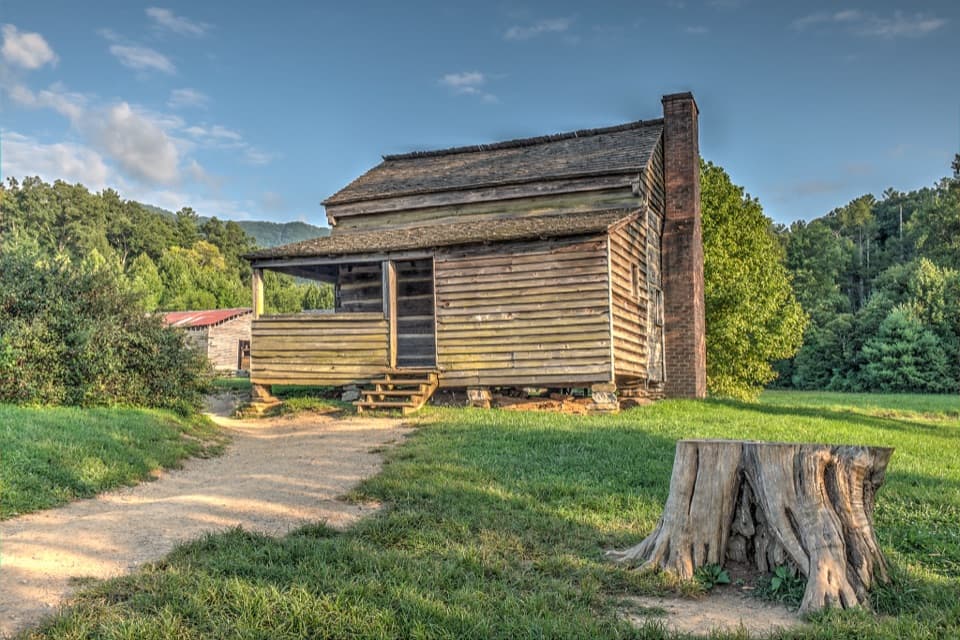
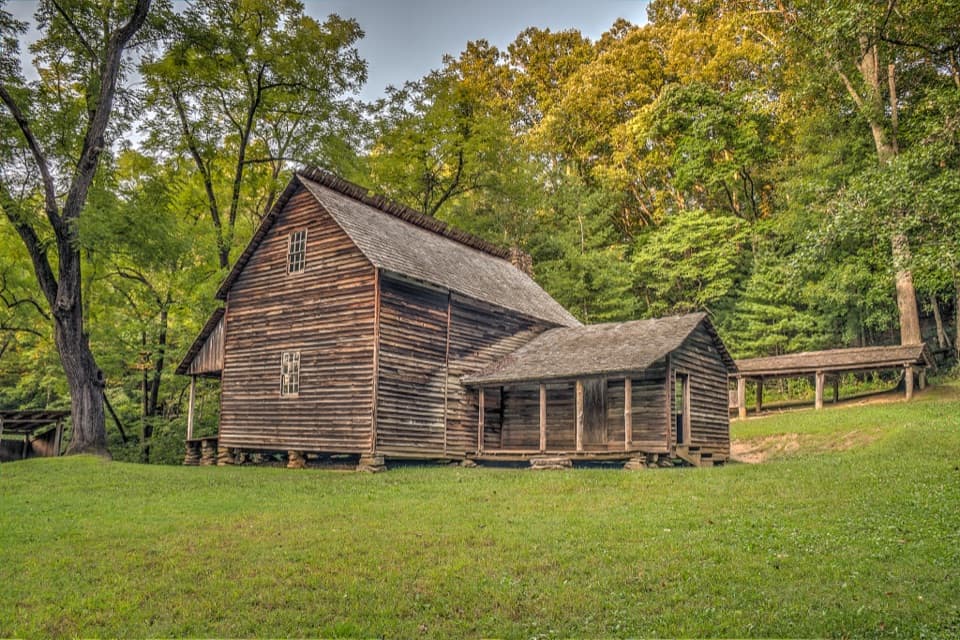
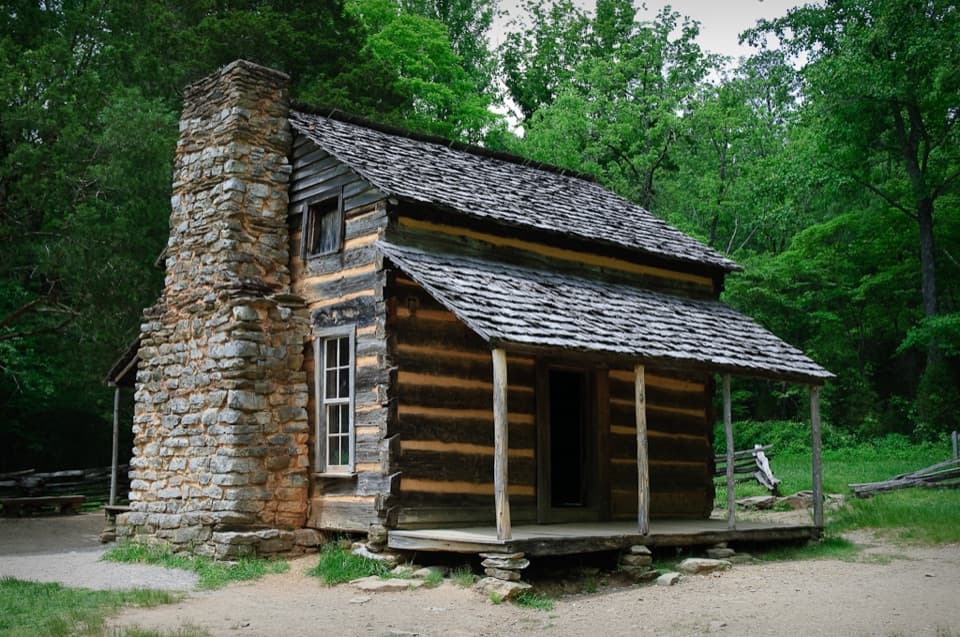
Tucked just off the Cades Cove Loop, the Henry Whitehead Place is a quiet, richly preserved glimpse into mountain craftsmanship. It’s the park’s last remaining sawn-log “square” cabin, and its handmade brick chimney was an uncommon luxury here. The result feels like a bridge between rough pioneer shelters and more refined homes.
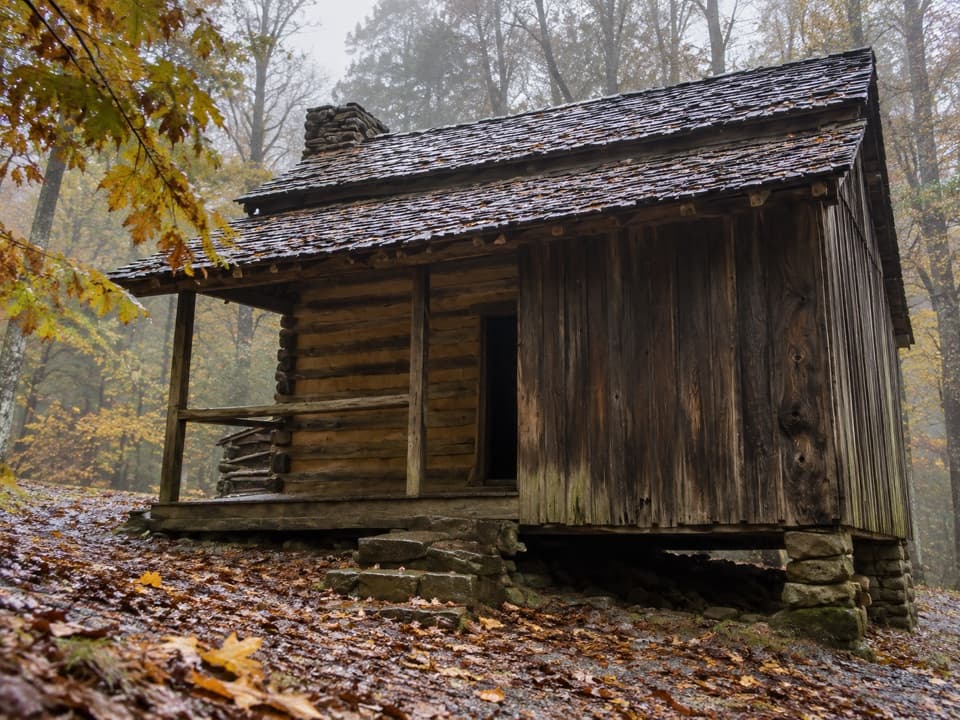
After Matilda “Aunt Tildy” Shields was deserted by her first husband, neighbors quickly raised a small, rough-hewn cabin with a rubble chimney for her and her son. When she later married carpenter Henry Whitehead, he promised better—and delivered a precisely built 16-by-18-foot sawn-log house using planed, thick logs for tight insulation, plus a brick chimney made on-site. The two cabins were joined by a covered walkway, so you can literally see the leap from frontier necessity to skilled craftsmanship.
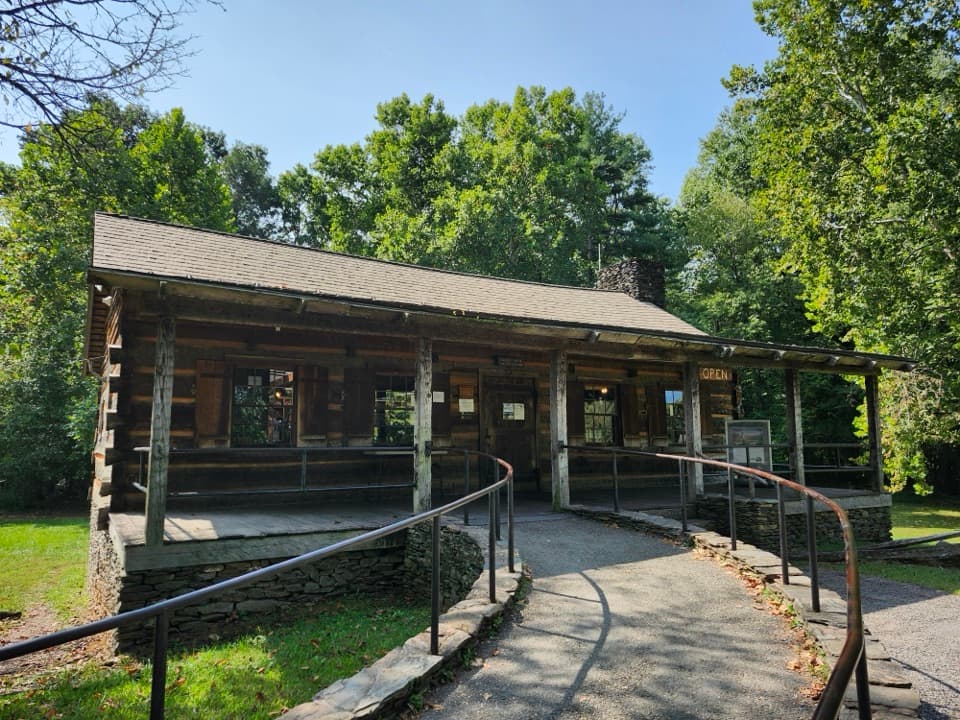
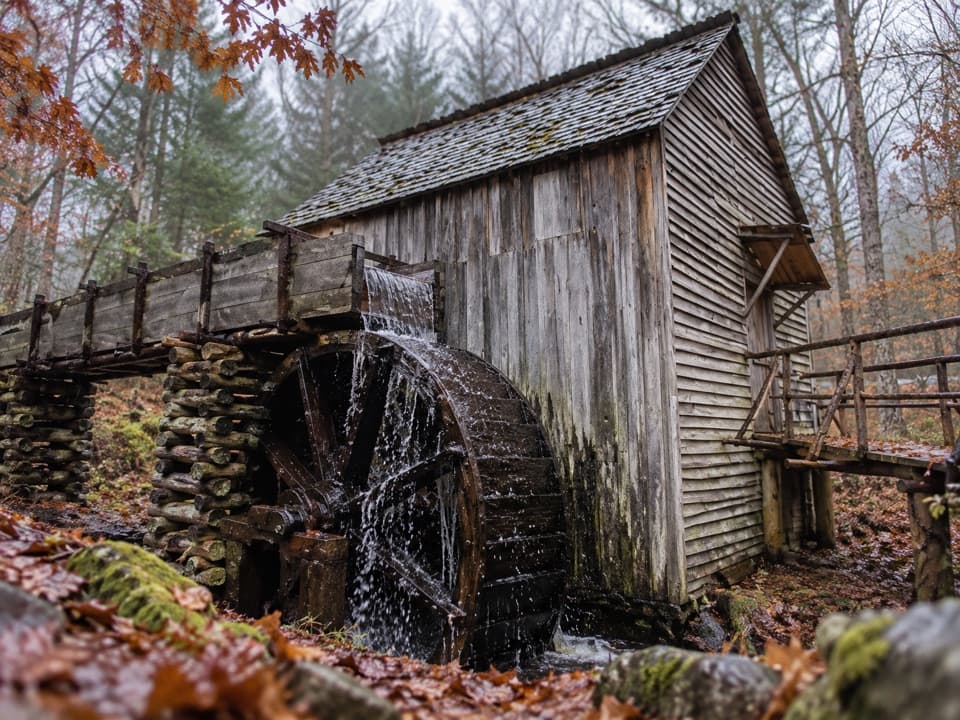
From the Cades Cove Visitor Center by the grist mill, turn right onto Forge Creek Road and go about 0.8 miles; the homesite is on the left with a short walk from the pull-off. It’s roughly a five-minute drive or a 15-minute walk from the Visitor Center area. Note: Forge Creek Road is typically closed from November to March; some visitors walk in when it’s closed.
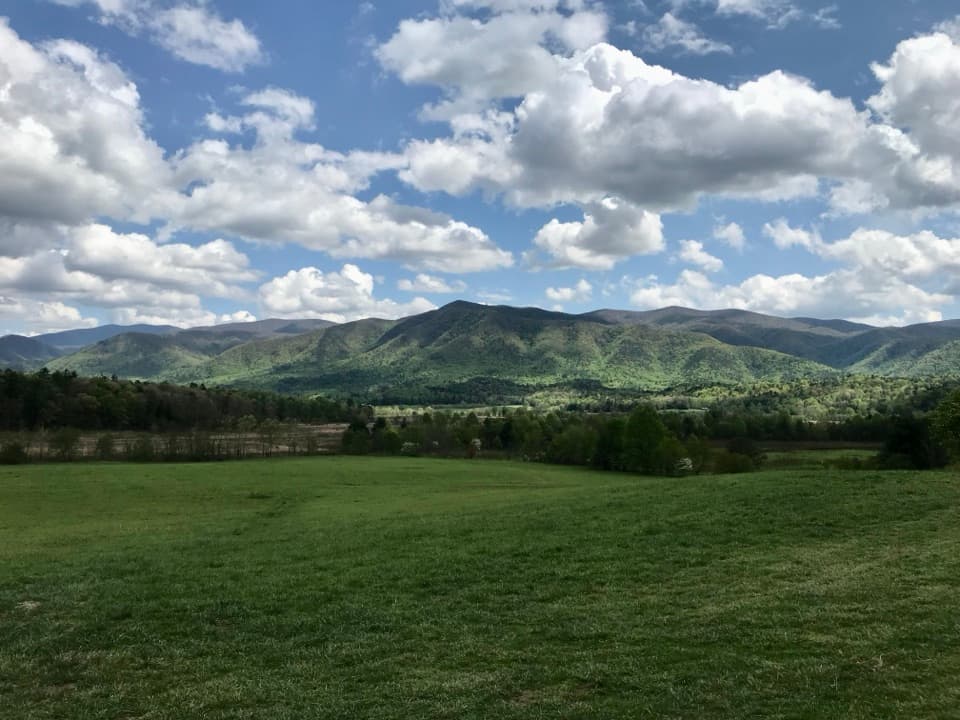
Cades Cove traffic surges in summer and peaks in October—go early or late to keep things peaceful. This stop is usually quieter than cabins right on the loop, making it a good detour when the valley is busy. Pair it with the Visitor Center and nearby historic buildings.
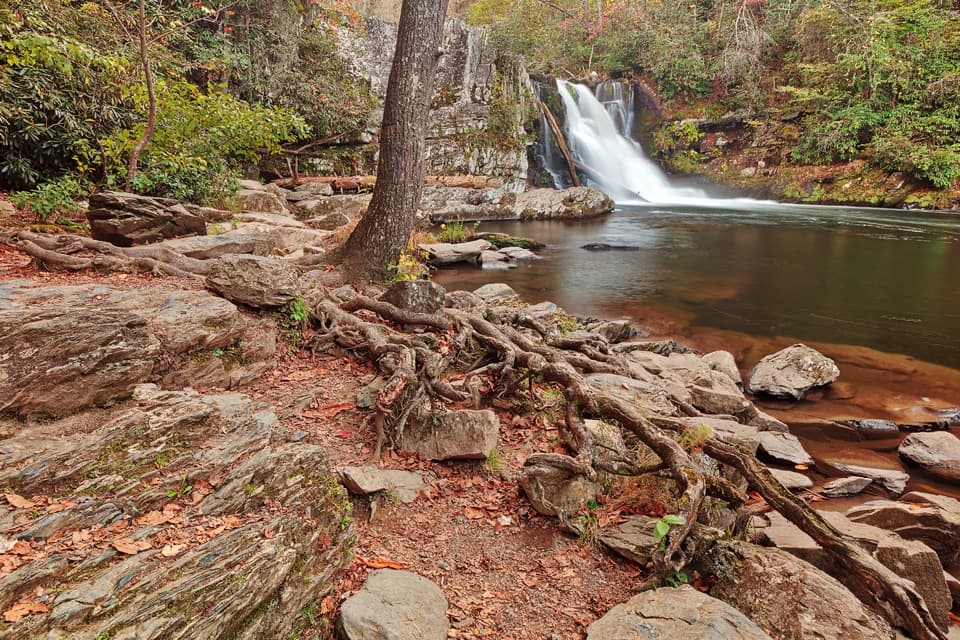
There are no services at the cabin—no restrooms, water, or staff. Nearest facilities are at the Cades Cove Visitor Center (by the Cable Mill); there are also pit toilets at the Abrams Falls trailhead. Bring water and anything you’ll want for the stop. If you like context, the inexpensive loop booklet helps you find and interpret each stop.
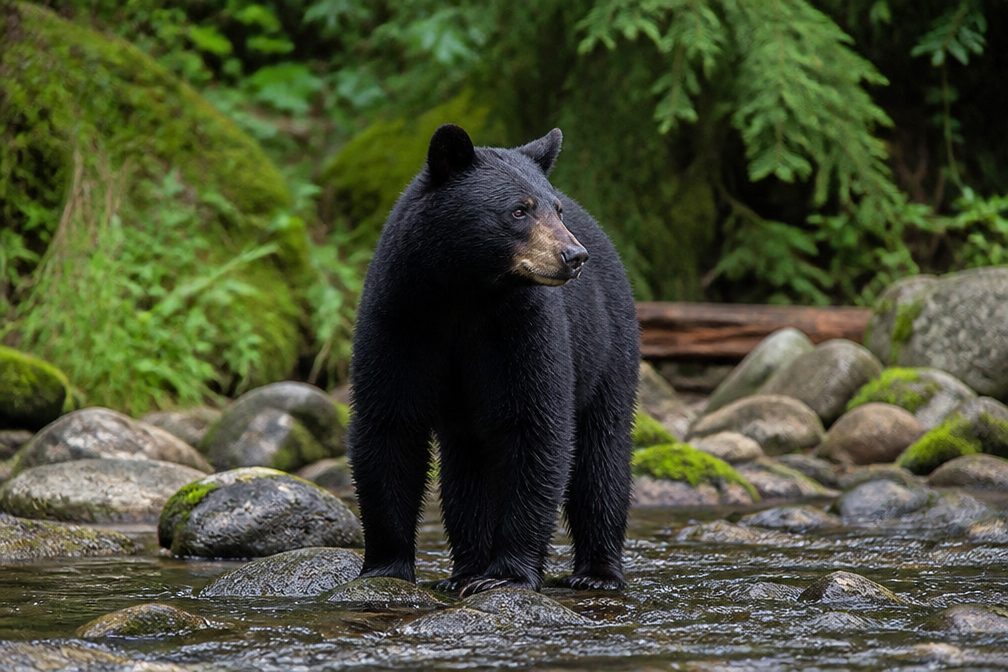
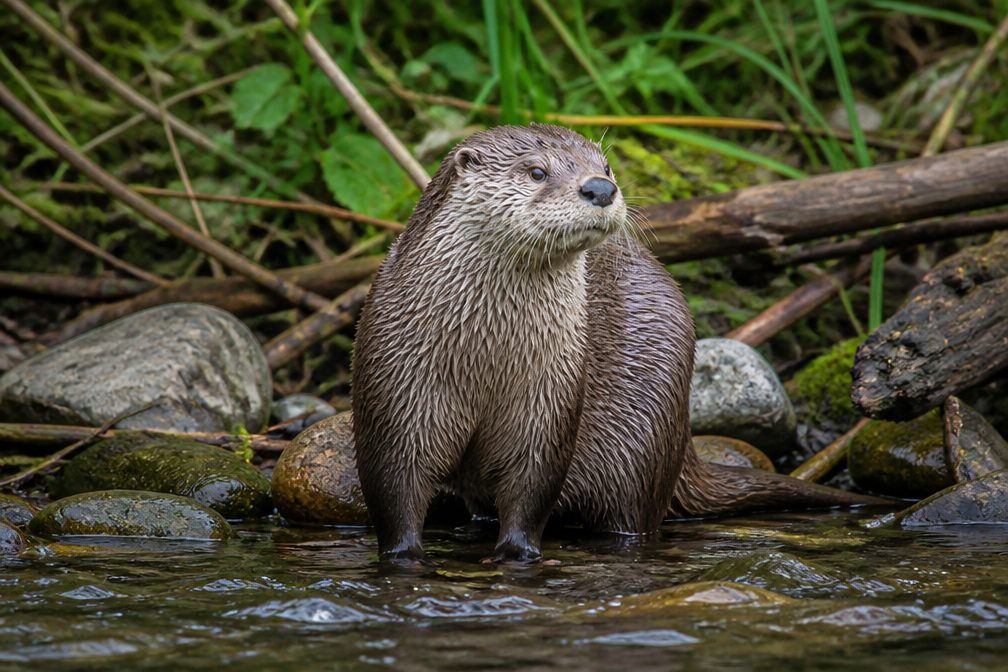
Cades Cove is well known for deer, bear, and turkey sightings along the loop. Keep your distance, never feed wildlife, and use pull-offs rather than stopping in the road.