
Place · 2.5 mi away
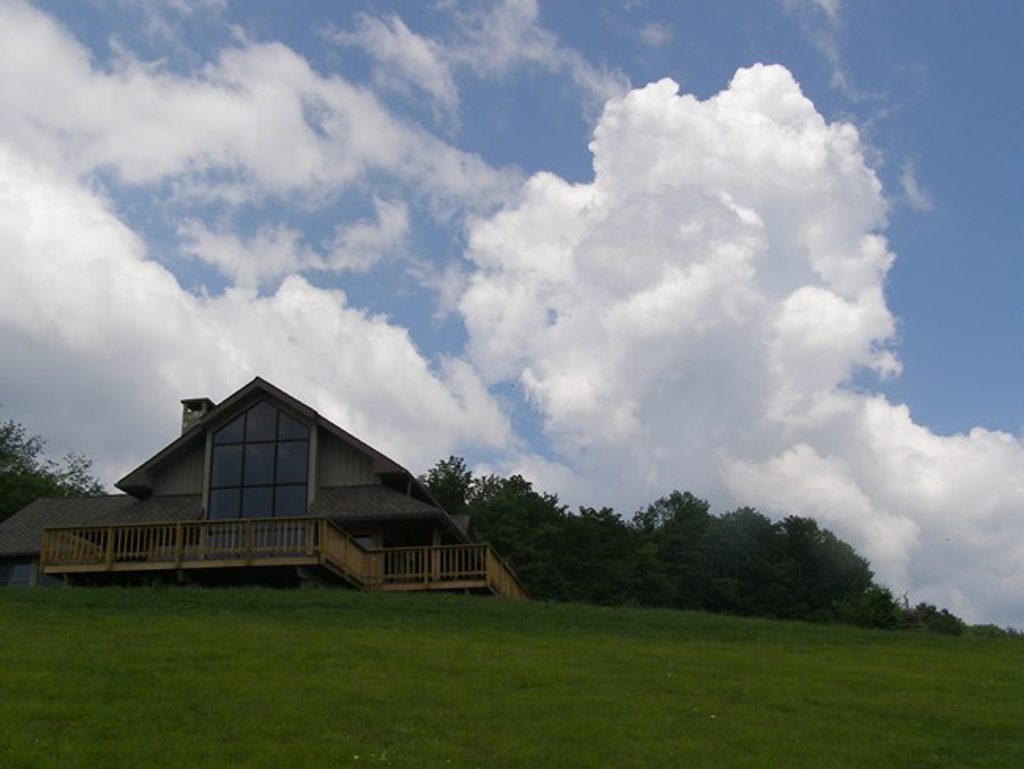
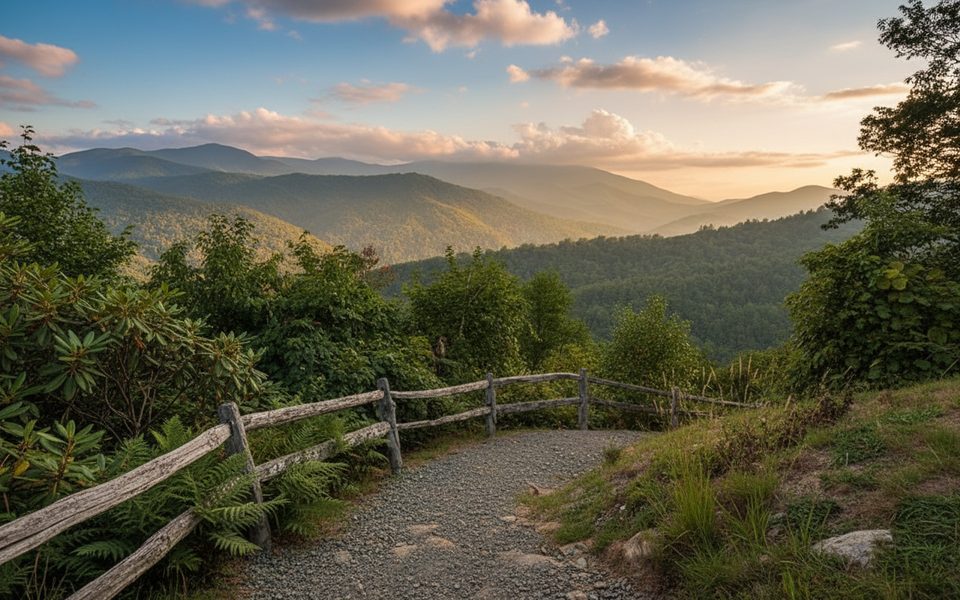
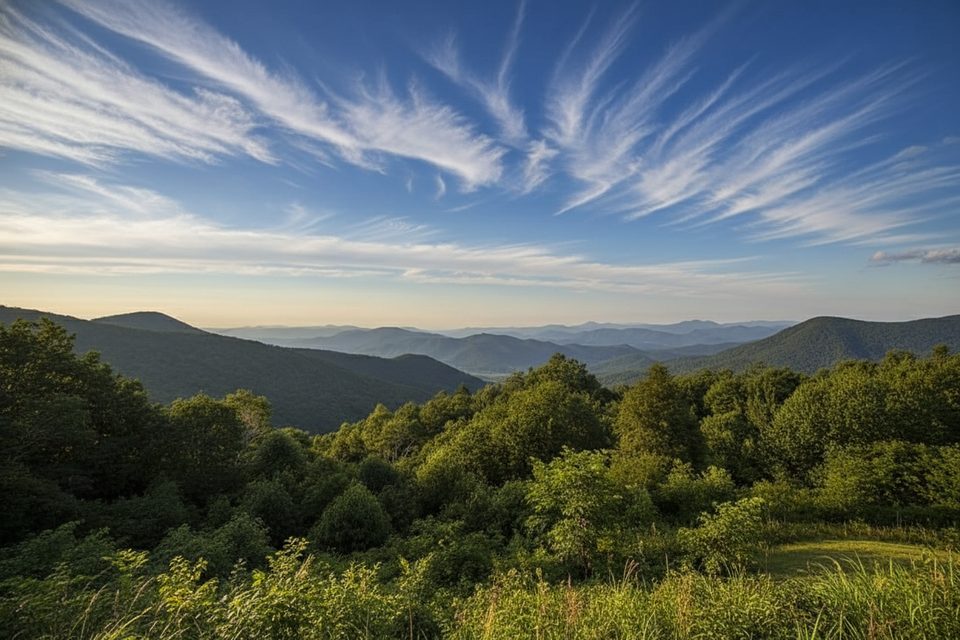
Purchase Knob crowns a 535‑acre tract on the North Carolina side of the park, topping out at 5,086 feet. It’s home to the Appalachian Highlands Science Learning Center, a park facility focused on research and education. The land was donated to the park in 2000, and the center launched the following year as one of the first National Park Service science learning centers. Expect high-country meadows, long views, and a quiet, research-forward vibe rather than a traditional attraction.
The approach is mostly paved, with the last stretch on gravel. A gate near the top is frequently closed; when it is, most visitors park near the lower gate (space is limited) and hike the wide, steep gravel road about 1.5–2 miles one way (roughly 3–3.8 miles round-trip). The climb is stout but straightforward. Directions can be confusing in this area, so aim for the science learning center entrance off Hemphill Road rather than random backroads.
The facility itself operates by reservation and scheduled programs; don’t expect building access without prior arrangements. That said, the surrounding grounds, views, and meadow edges are what most casual visitors come for when the gate is closed.
When the field station is in season (generally early May through early November), there are flush restrooms on the exterior of the building and picnic tables at the top. Outside that window, or when unstaffed, restrooms may be locked. There’s no reliable potable water on the hike or at the gate—bring your own. No services exist at the lower parking pullouts.
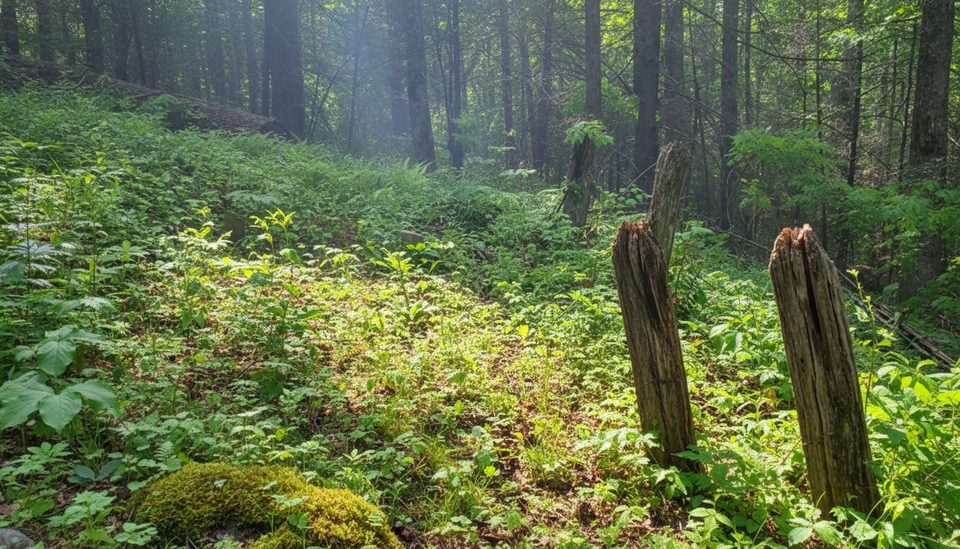
At ~5,000 feet you’re brushing the park’s northern hardwood and spruce–fir zones—think beech, birch, and high-elevation evergreens. The area is a living classroom for studies on air quality, soils, salamanders, and biodiversity. In late spring and early summer, look for high-elevation bloomers; the broader park’s mountain laurel, rhododendron, and azaleas typically peak mid‑June to mid‑July up high.
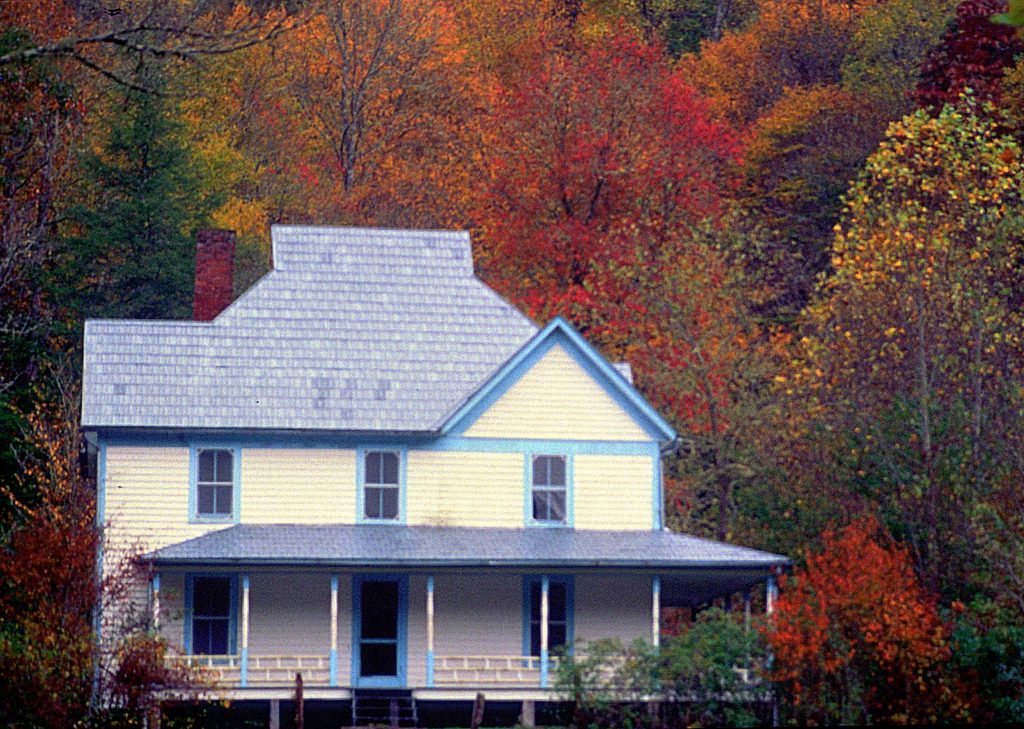
Side paths in the area lead to historic structures such as the Ferguson Cabin, adding a cultural detour to the mountain scenery.
Because parking at the gate is limited, aim for early morning on weekdays. Weather turns quickly at this elevation—pack layers and rain gear. If you’re hoping for open facilities or potential permission to drive farther, call ahead to confirm current gate status and seasonal operations.
Place · 2.5 mi away
Place · 3.6 mi away
Place · 3.9 mi away
Place · 4 mi away
Challenging · 3.6 mi away
Moderate · 3.6 mi away
Moderate · 4 mi away
Moderate · 6.1 mi away

Parkwolf Tour Guide
