
Place · 2.7 mi away
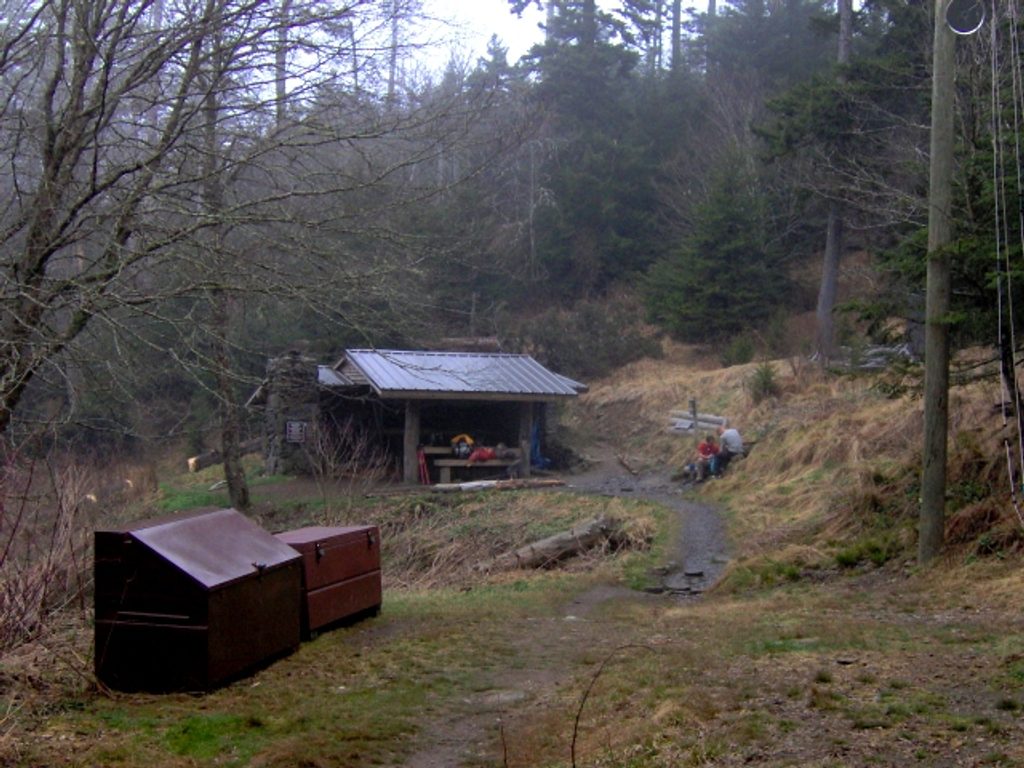
If you’re chasing the high, quiet spine of the Smokies, Tricorner Knob Shelter is the classic stop. It sits near 6,000 feet on the Tennessee–North Carolina line, tucked just off the Appalachian Trail in a remote stretch that feels a world away. Capacity is about 12, and it’s a social waypoint for AT section hikers and thru-hikers alike. Expect cooler temps up here—often 10–15°F lower than the valleys—and that cozy AT-shelter camaraderie.
This is a traditional three-sided AT shelter with the essentials: a nearby water source (treat it), bear cables for all food and smellables, a pit toilet, a fire ring (use only when conditions allow), and a picnic table. Cell coverage is slim to none (AT&T/T‑Mobile typically none; occasional Verizon signal if you step out on the ridge). Tenting is allowed with a permit, but flat spots are scarce and often sloped, so arrive early or be ready to wander a bit to find a workable pad.
There’s no road access—this is pure hike-in. A popular route starts from the Cosby area: climb Snake Den Ridge Trail to the AT, then follow the AT to the shelter. As an out-and-back, you’re looking at a big day with roughly 18–19 miles and over 5,000 feet of gain. Other approaches link from major AT access points like Newfound Gap, but no matter how you slice it, it’s miles from the nearest road crossing. Plan conservatively and start early.
A Great Smoky Mountains backcountry permit is required for overnight stays, and you must camp at designated sites and shelters. Standard per‑person nightly fees apply, with a separate thru‑hiker permit option for those who qualify. No dogs are allowed on these trails in the park. If you leave a vehicle at a trailhead, the park requires a parking tag.
High-country weather changes fast—wind, rime, and spring snows are all possible. Pack layers, a real rain shell, and a headlamp, and treat all water. Bears are active in this part of the park: keep a clean camp and hang everything scented on the cables every night. AT shelters can be lively and sometimes mousey; if you value quiet or personal space, a tent may suit you better (permit still required).
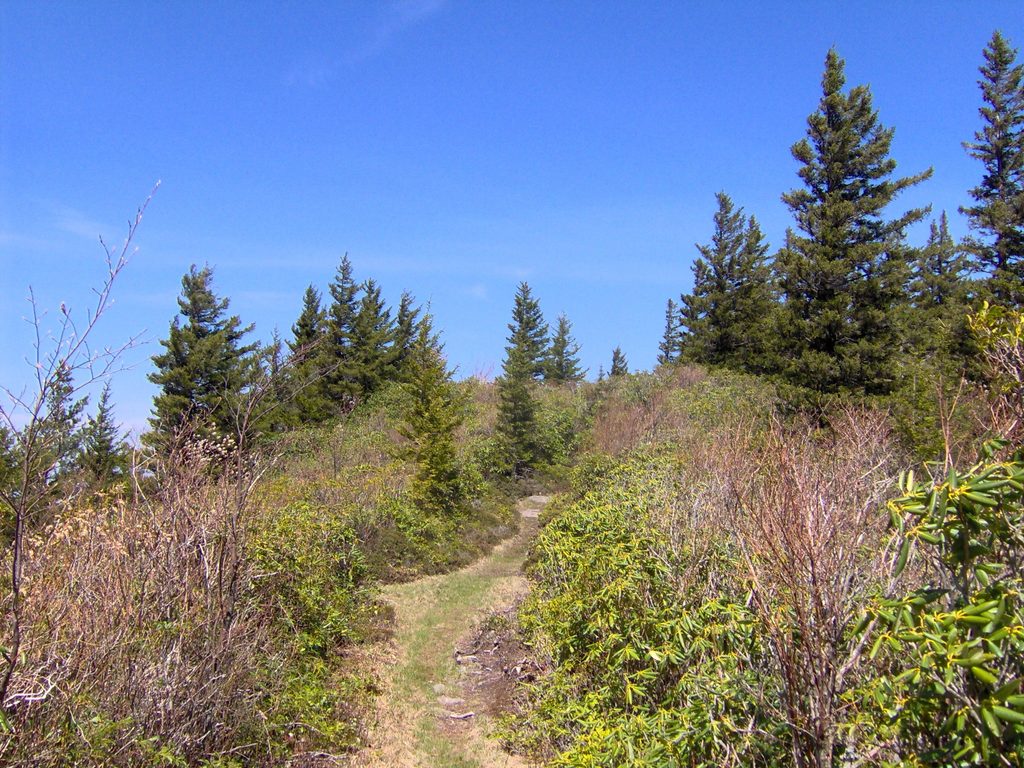
You’re camping on the Smokies’ crest where long ridges meet, with miles of classic spruce–fir forest and a true backcountry feel. It’s a perfect staging point between shelters on the AT and a handy base if you’re chasing nearby 6,000‑footers. Not a casual stop—absolutely a rewarding one if you like big miles and quiet ridgelines.
July through October brings longer days and generally friendlier trail conditions, though summer can mean bugs and mud. Shoulder seasons can be superb if you’re equipped for cold and wet. In winter, expect snow and ice at elevation. Weeknights outside of peak thru-hiker pushes are the best bet for snagging space and enjoying a quieter night.
Place · 2.7 mi away
Place · 3.1 mi away
Place · 3.6 mi away
Place · 4.5 mi away
Moderate · 4.1 mi away
Challenging · 4.1 mi away
Challenging · 4.7 mi away
Challenging · 4.7 mi away

Parkwolf Tour Guide
