
Place · 0.1 mi away
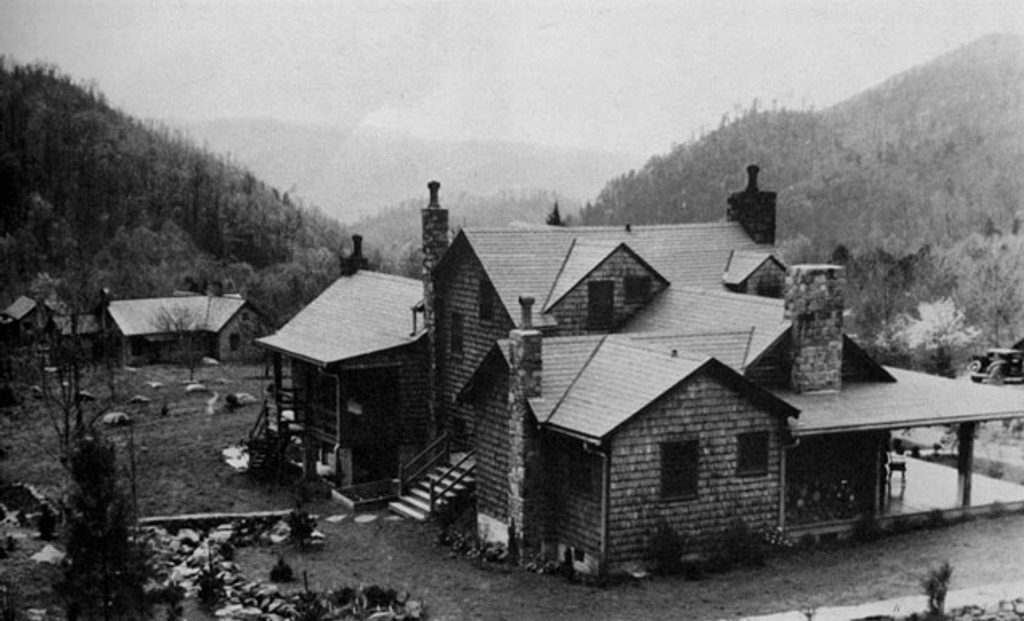
A mile outside Gatlinburg off Cherokee Orchard Road, the 38-acre Voorheis Estate was Louis E. Voorheis’s rustic retreat, developed from 1928–1944. He wove two creeks and mountain springs into stone-lined gardens, a small dam and mill works, and a cluster of log-and-stone buildings. The park took over full management in the 1950s, and while some structures have faded, the setting still feels like a tucked-away time capsule.
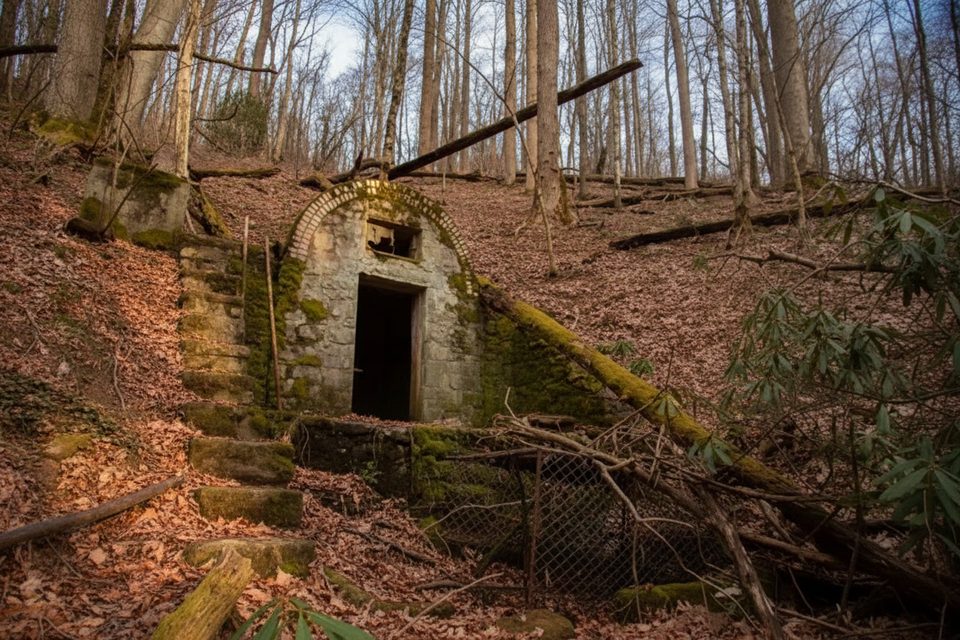
The headline is the so-called House of the Fairies—a moss-draped stone springhouse built over a cold spring, with an arched doorway and stair steps right into the hillside. Along Twin Creeks Trail you’ll also pass estate remnants: the main house area, barns, and bits of Voorheis’s water features beside Le Conte Creek. It’s low-key and atmospheric rather than glossy—more whispers of a grand plan than a polished museum.
Walk the Twin Creeks Trail (generally 4–4.5 miles roundtrip out and back). Many people shorten it by starting near the Twin Creeks Science/Resource Center area, but parking there is limited and sometimes restricted—obey the signs. Alternatives include parking at Ogle Place or at Mynatt Park and approaching on foot. To find the springhouse, continue past the Resource/Science Center on the trail and watch for a faint side path up the hillside; it’s a short spur to the stone structure. The Science/Resource Center buildings themselves aren’t open for casual visits.
Voorheis didn’t just build cabins—he designed with water. The creeks flowing off Mount Le Conte powered small projects and fed garden features, and that ingenuity still shows in the stonework scattered along the creek. It’s a different flavor of Smokies history than the pioneer cabins most people see.
Bears and snakes are occasionally seen along Twin Creeks. Give wildlife space, keep food sealed away, and stay alert. The springhouse stones and steps can be slick with moss; watch your footing, especially after rain.
Leaf-off (late fall through early spring) makes the springhouse easier to spot from the trail. In summer it’s more hidden by foliage. Go early or on weekdays for quieter conditions. For photos, soft morning or late-afternoon light flatters the stone and moss; midday sun can be harsh under the canopy.
Stay on established paths, treat the masonry gently, and pack out all trash. This is a fragile historic site—admire it, but don’t climb or scrape the stone.
Place · 0.1 mi away
Place · 0.2 mi away
Place · 0.6 mi away
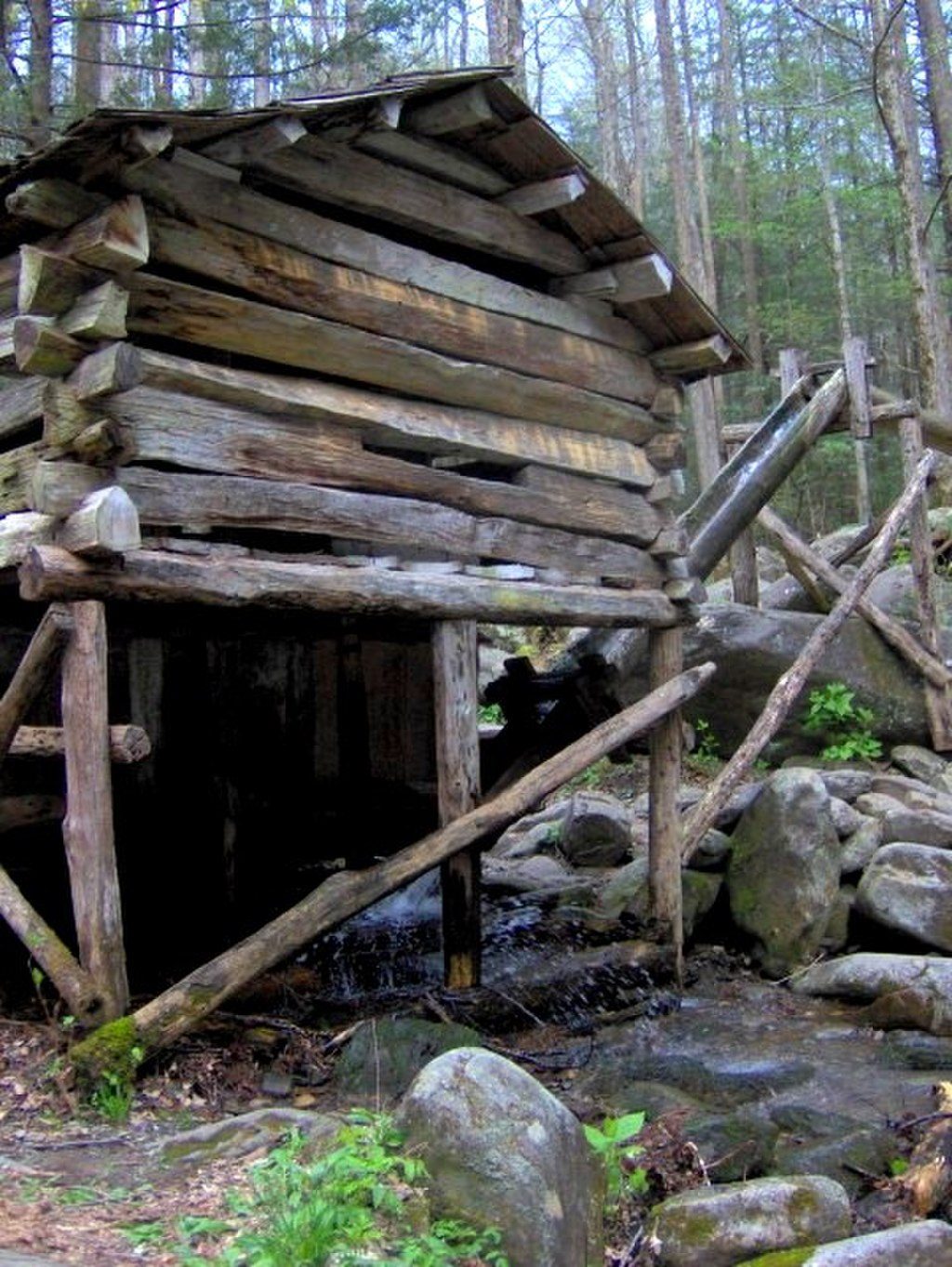
Place · 0.7 mi away
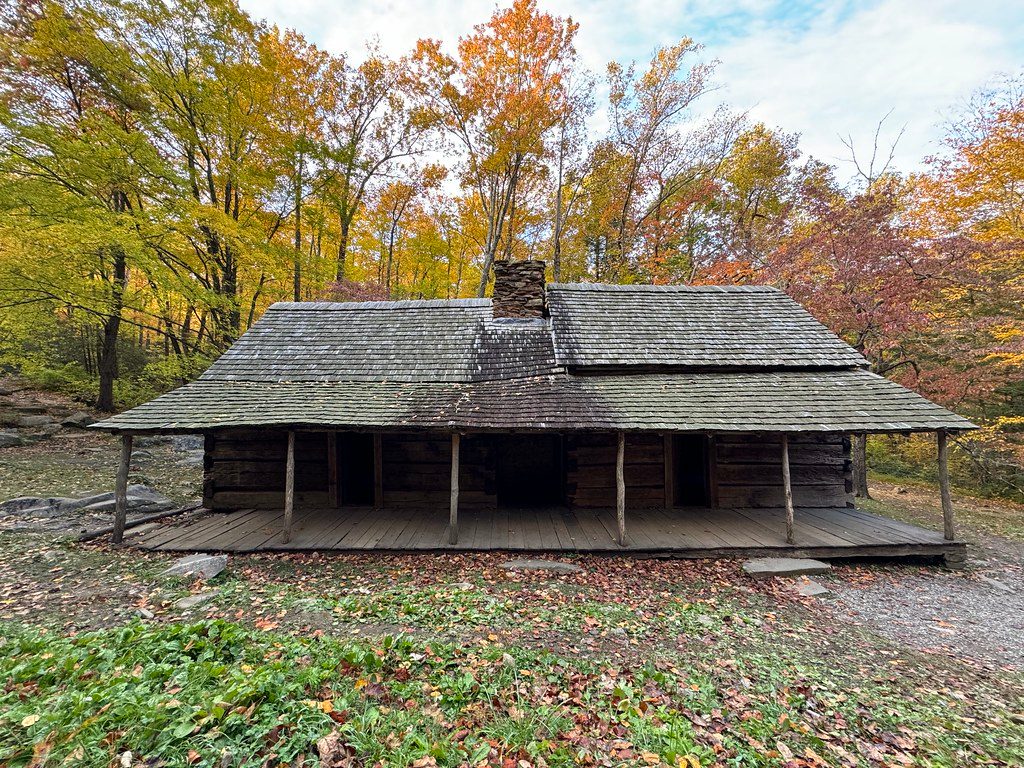
Easy · 0.6 mi away
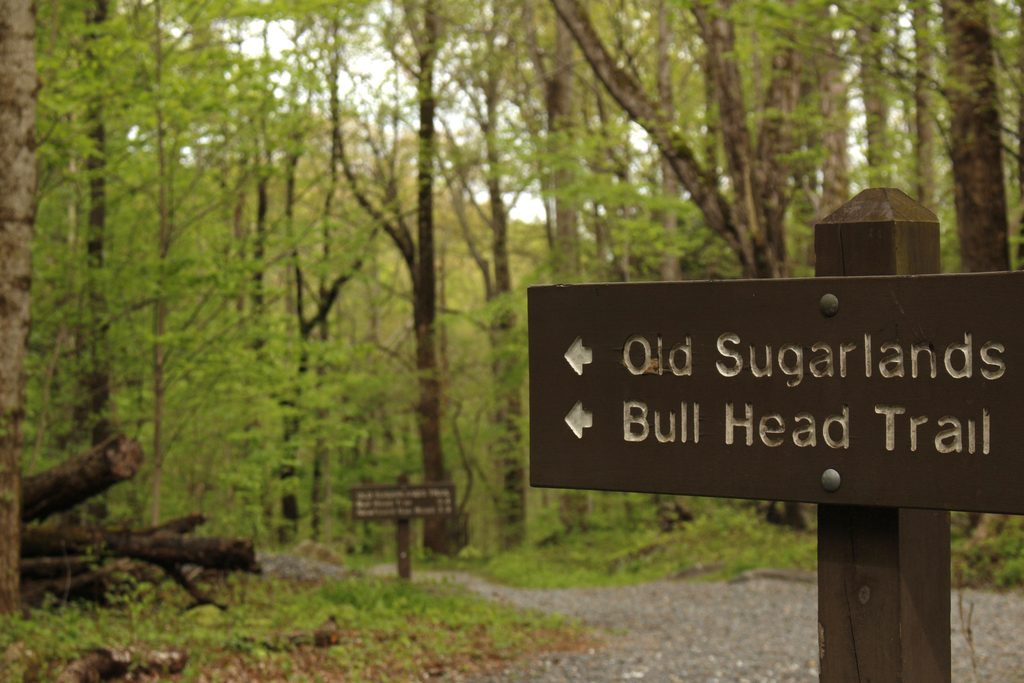
Challenging · 1 mi away
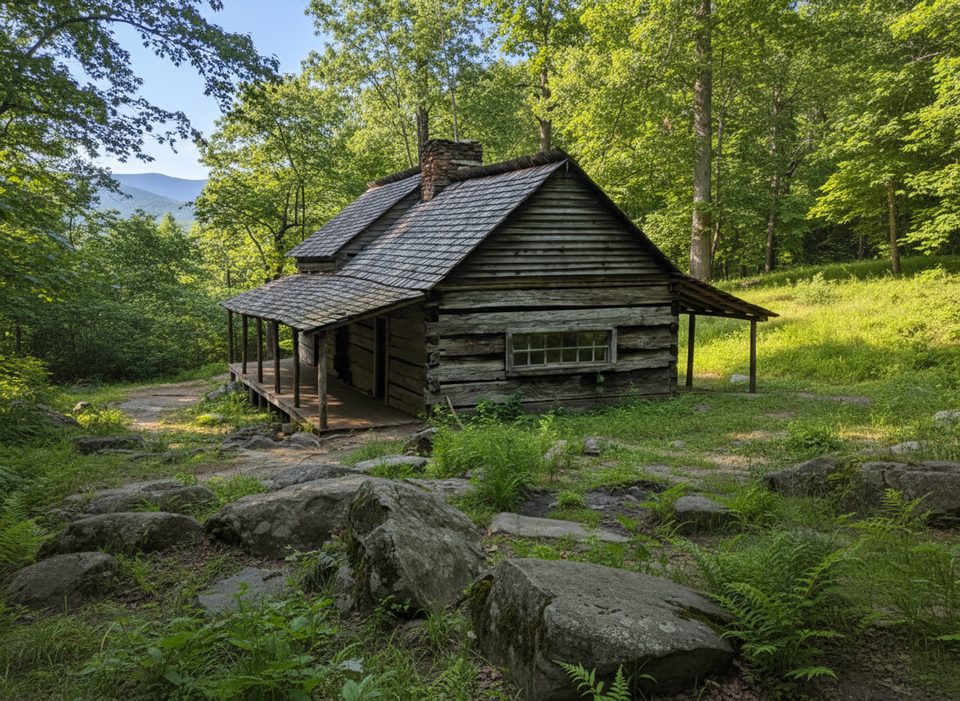
Moderate · 1.1 mi away
Moderate · 1.1 mi away

Parkwolf Tour Guide
