
Place · 0 mi away
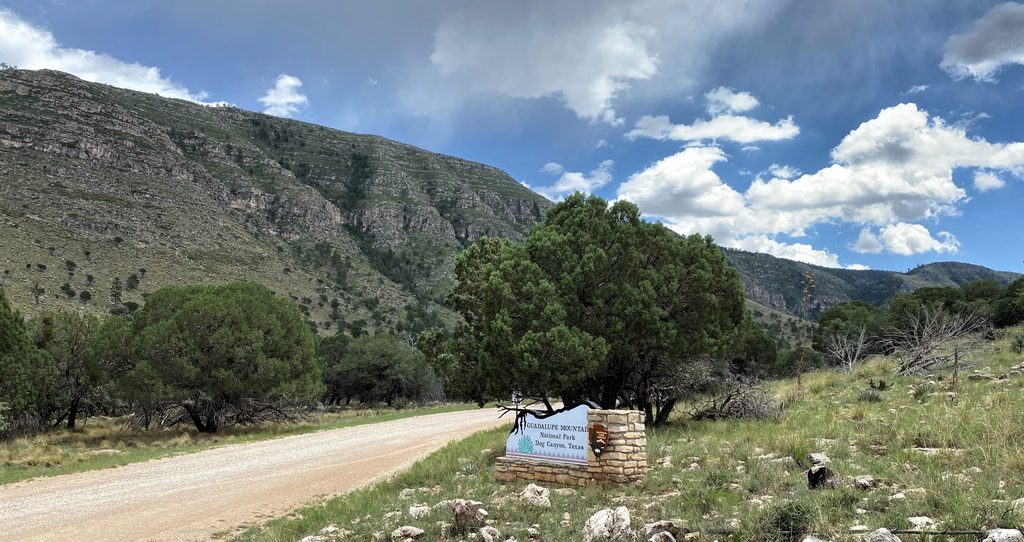
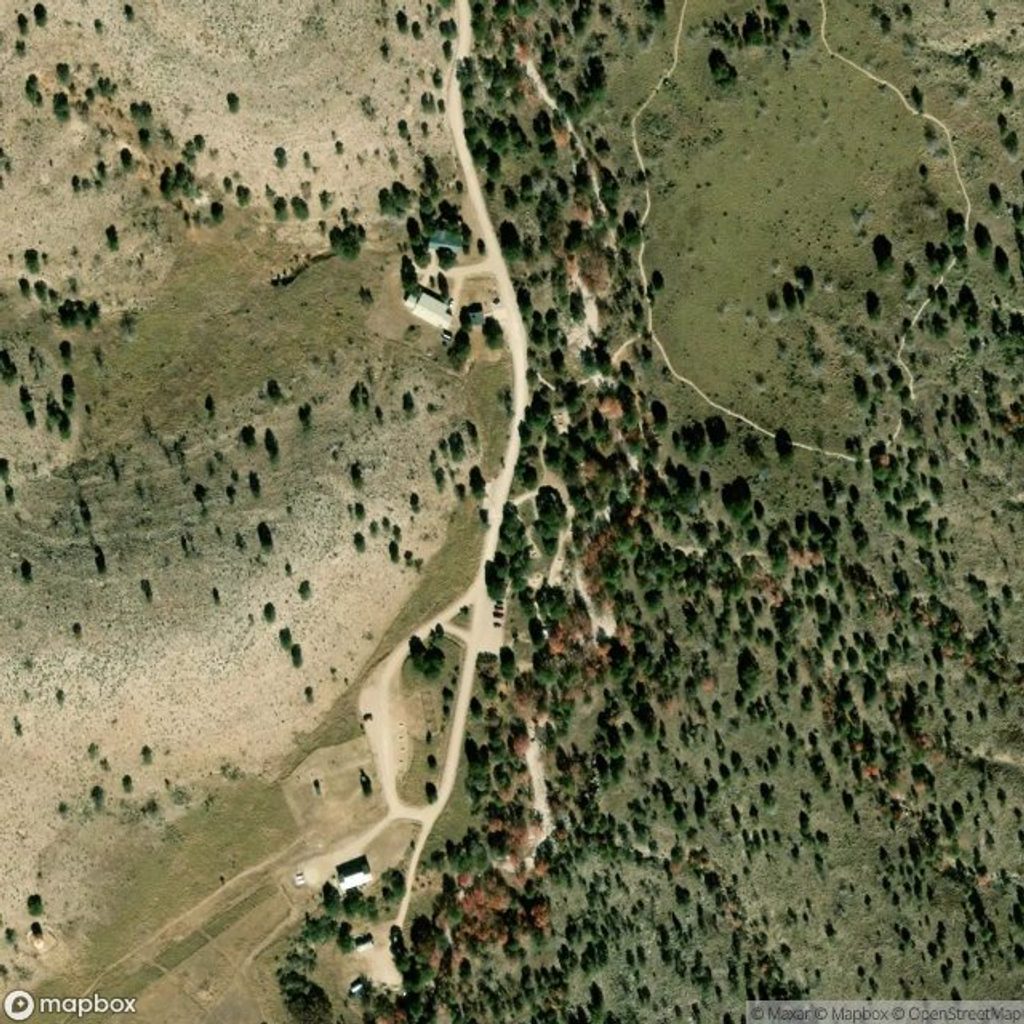
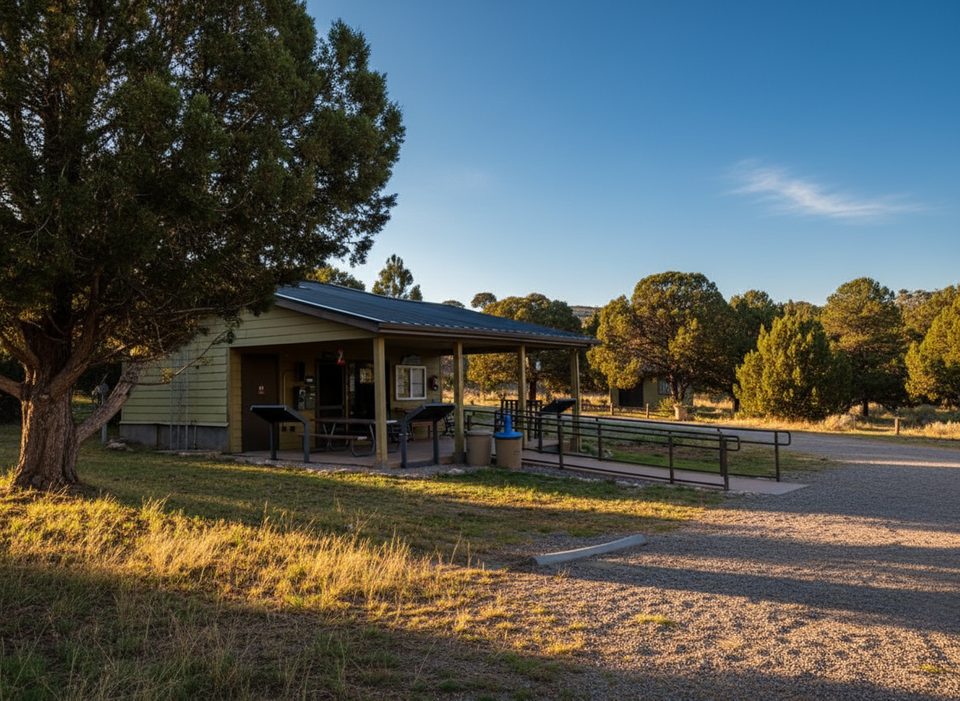
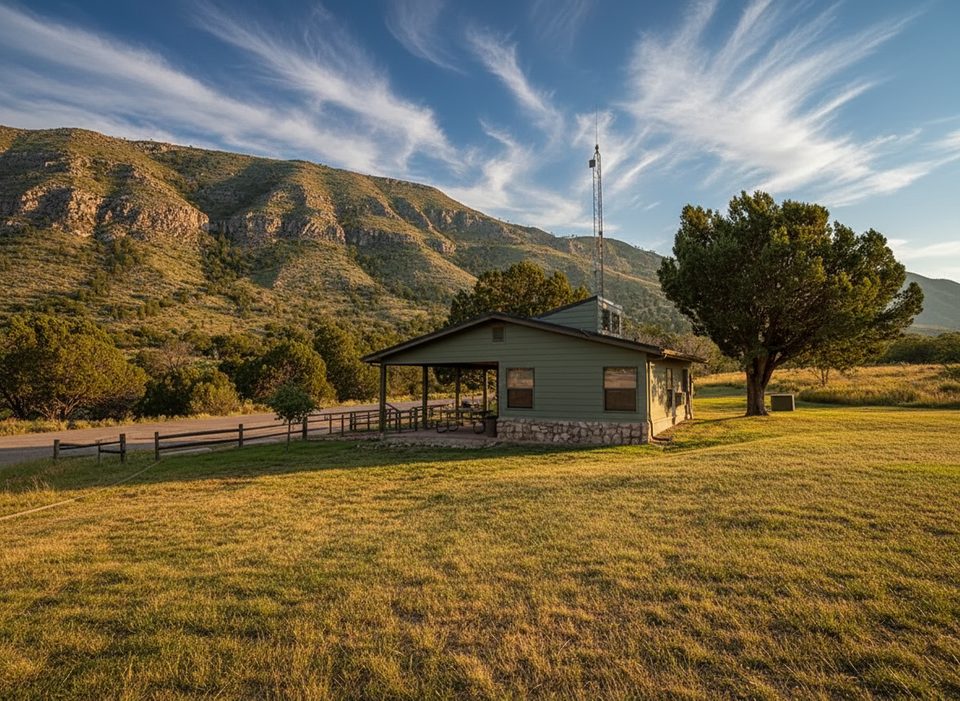
Dog Canyon is the park’s quiet, far‑north refuge—a cool, sheltered pocket at roughly 6,300 feet where you can camp, bird, and step straight onto big-mountain trails without the Pine Springs crowds. Expect solitude, starry nights, and a small ranger station that may or may not be staffed depending on the day.
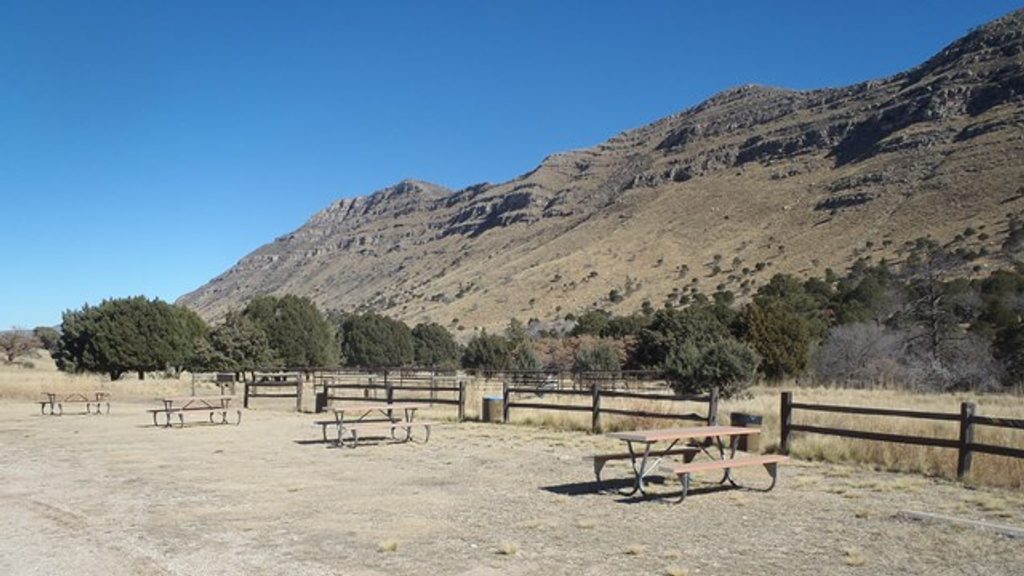
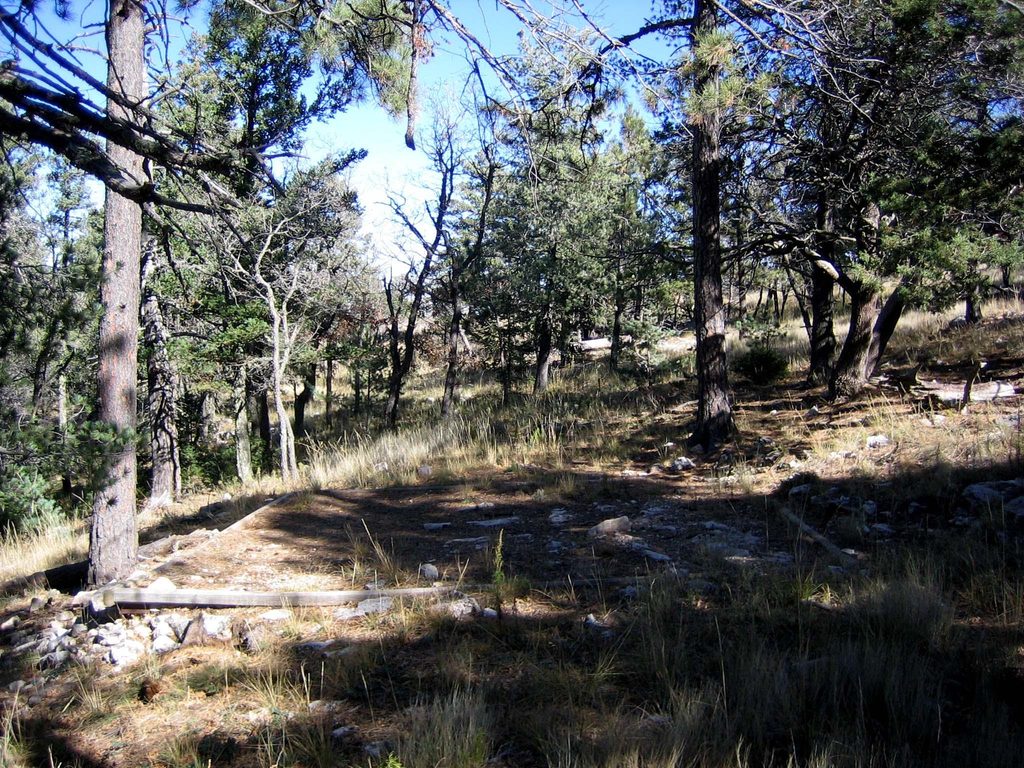
The campground is intentionally small: 9 tent sites, 4 RV sites (23 ft max), plus a reservable group site for 10–20 people. You’ll have potable drinking water and restrooms with sinks and flush toilets, and there’s a dish-washing sink behind the restroom. There are no showers, hookups, or dump station, and fires of any kind—wood, charcoal, even propane fire pits—are not allowed, so bring a stove. Sites are generally close together; it’s peaceful when the campground is quiet, but expect less privacy when full. Many campers note clear, dark skies when the area is dark.
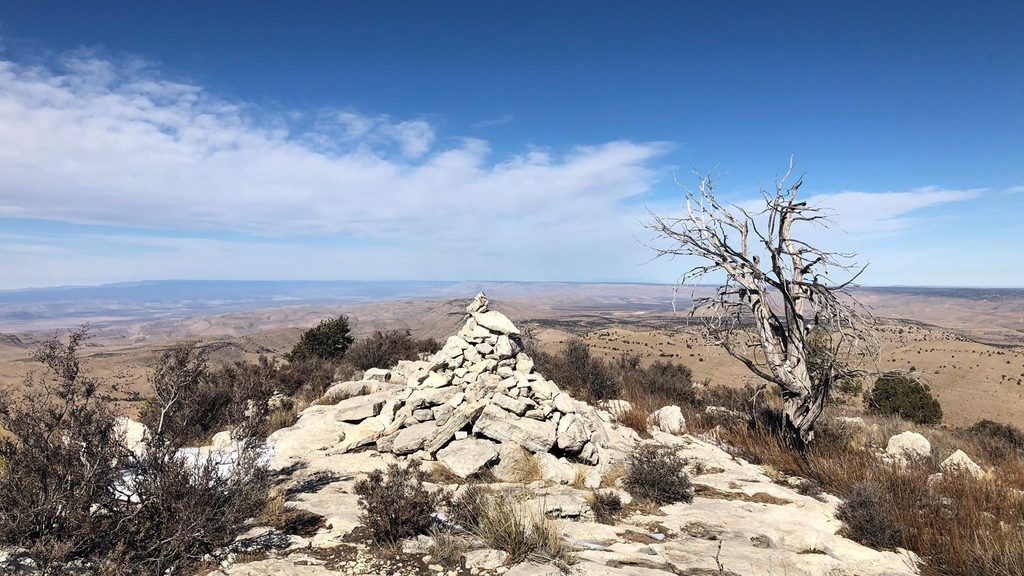
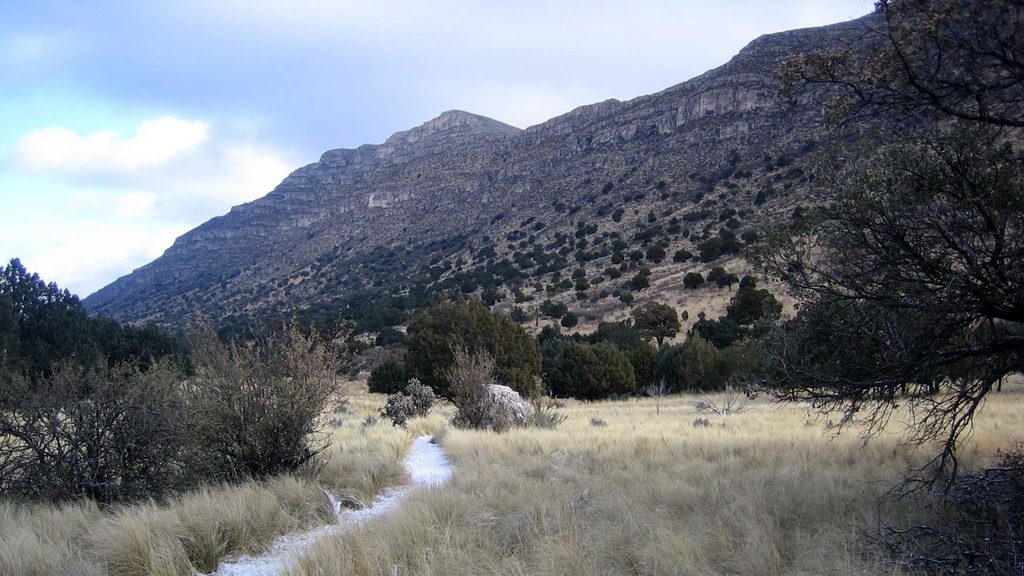
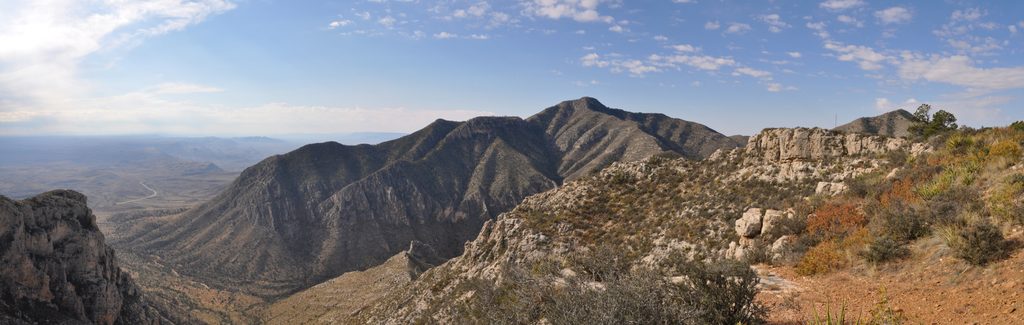
This is a superb trailhead hub. The Tejas Trail climbs from camp toward Lost Peak and on into the high country, while the Bush Mountain Trail heads west into big views and forested ridges. Longer loops and point‑to‑points are possible with a backcountry permit. Trails are rocky, often steep, and can be faint in places—navigation matters—and there’s no reliable natural water, so carry everything you’ll need.
Reaching Dog Canyon is part of the adventure. It sits on the park’s north side, typically approached from Carlsbad via NM‑137 on good pavement with a short gravel stretch near the end. Services are scarce to nonexistent en route, and parts of the drive have little or no cell coverage. There are low‑water crossings on the highway that can become impassable after heavy rain. Pay your entrance fee at the self‑pay kiosk, and don’t be surprised if the ranger station is unstaffed when you arrive.
The quiet, riparian edges and high-country transition zones make this a great spot for wildlife watching. Mule deer are commonly seen near camp and on the trails, and birding can be excellent in and around the canyon.
It’s open year‑round. Spring and fall (March–May, September–November) bring the most pleasant temperatures and also the most visitors, though Dog Canyon rarely feels busy. Summer is typically cooler here than the south side thanks to elevation, while winter and early spring can still deliver strong winds and cold on the ridges. For hiking, start early to beat sun and wind; for maximum solitude, aim for weekdays and shoulder-season windows.
Place · 0 mi away
Place · 0 mi away
Place · 0 mi away
Place · 0.1 mi away
Moderate · 0 mi away
Easy · 0 mi away
Challenging · 0.1 mi away
Challenging · 0.1 mi away

Parkwolf Tour Guide
