Salt Basin Dunes

Quiet white gypsum dunes with big mountain views
Salt Basin Dunes, Guadalupe Mountains National Park
InsideGuadalupe Mountains National Park

Overview

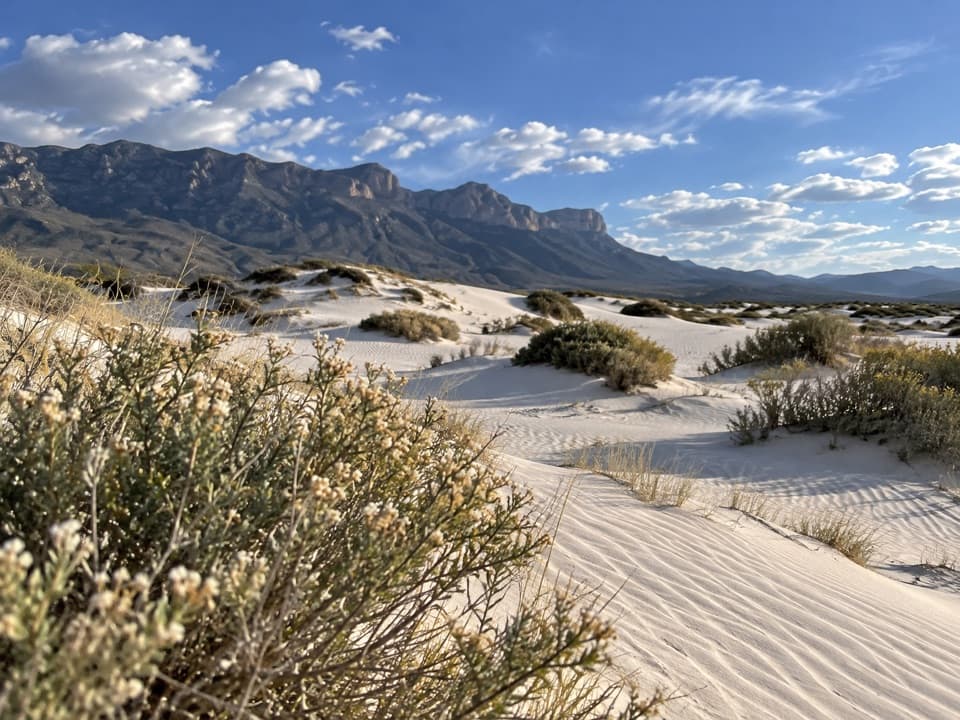
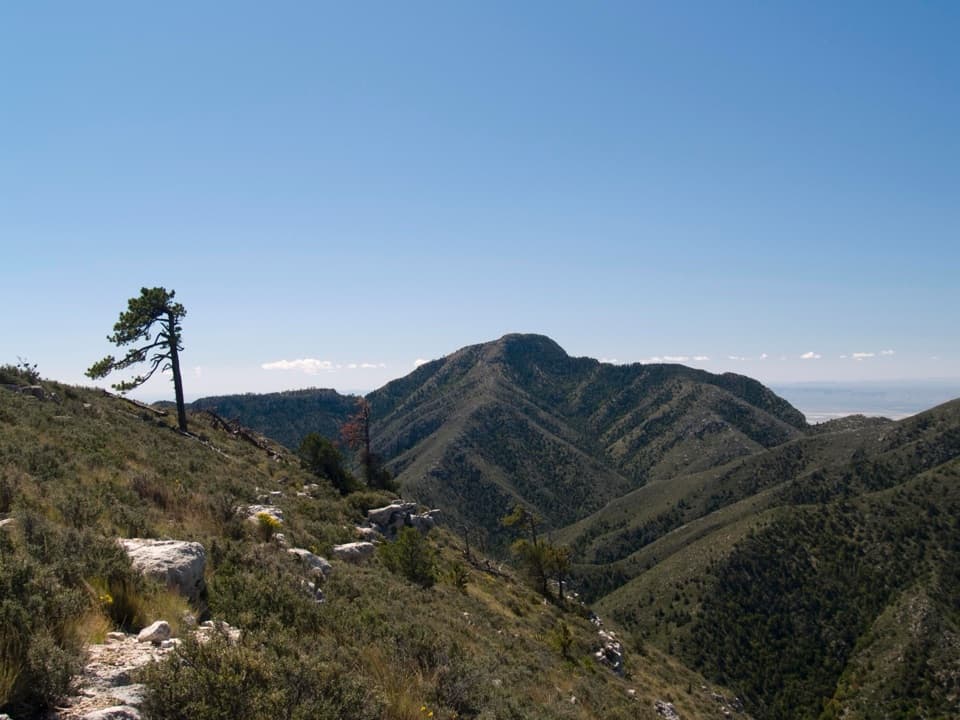
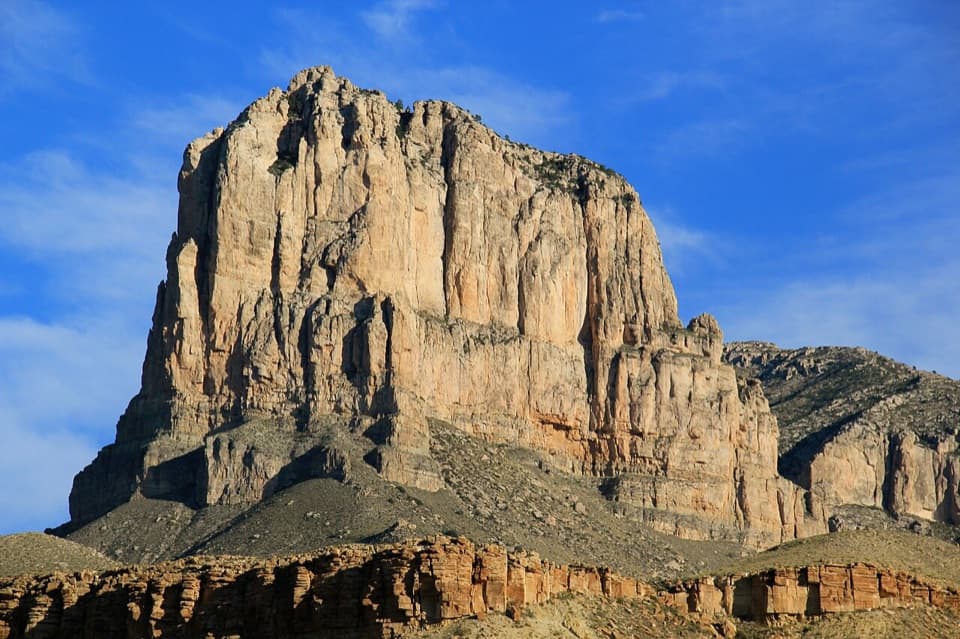
Silent, stark, and stunning, the Salt Basin Dunes are a bright-white gypsum dune field (~2,000 acres) tucked against the park’s western escarpment. The dunes are young and ever-shifting, with hills up to about 60 feet, and you’ll often have them nearly to yourself. Views of the Guadalupe Mountains rising thousands of feet above the desert complete the scene.

Geology in Plain English

These dunes are born from nearby salt flats. After faulting dropped the basin and raised the peaks, water pooled and evaporated, leaving salts and gypsum. Wind now blows gypsum grains into the basin, slowly building and moving the dunes year by year.

The Hike

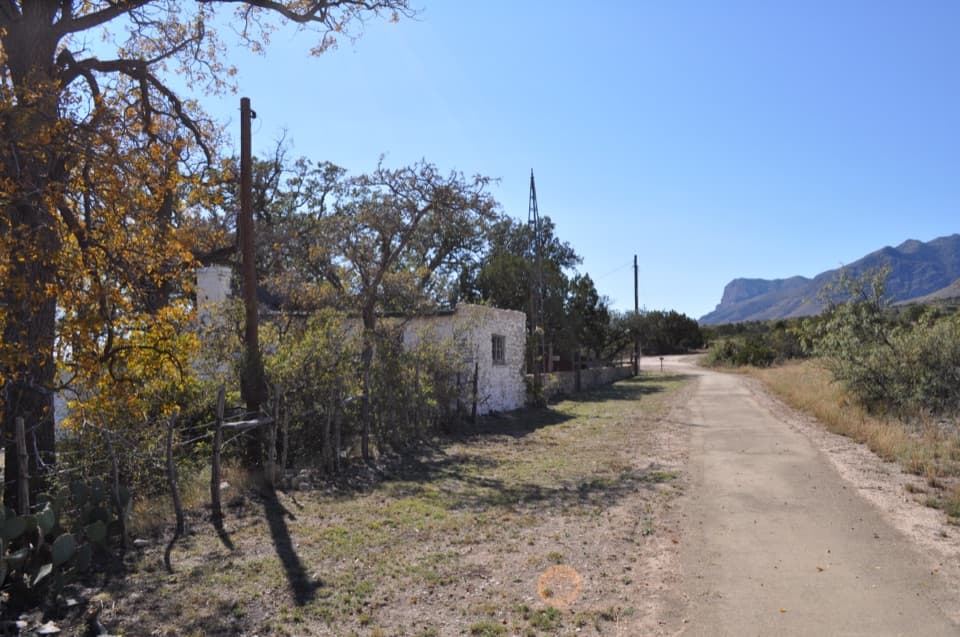
Plan on 3–4 miles round trip (1–3 hours). You’ll walk about 1.5 miles each way on an old, mostly flat road to reach the dune field, then roam the soft sand as much (or as little) as you like. Scrambling steeper dunes is optional but sandy work. Keep an eye on your route—multiple old roads can be confusing on the return.

Wildlife & Fragile Soils

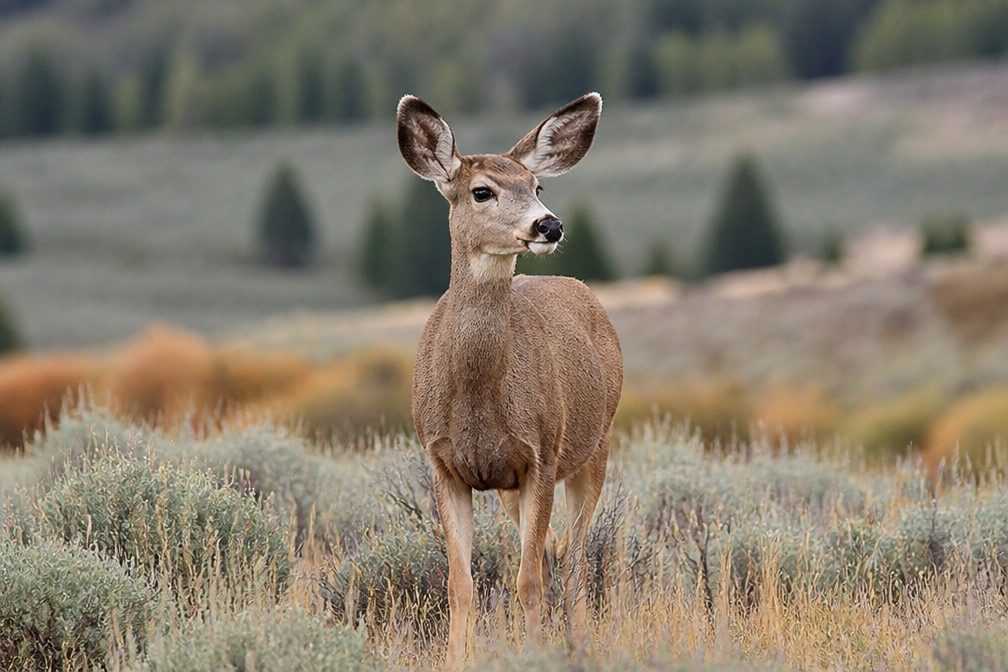
Look for animal tracks etched in the morning sand, lizards adapted to the pale gypsum, and signs of scorpions and the occasional rattlesnake. Wander on non‑vegetated sand and avoid the dark, crusty soils around plants—those cryptogamic crusts are living, fragile, and slow to recover.

Getting There

It’s roughly 50–75 minutes from the main park area. The final stretch is an unpaved clay road: fine when dry, dangerously slick when wet. Drive slowly, watch for livestock, and skip it entirely if rain is in the forecast.

Facilities & Rules

At the trailhead you’ll find shade structures, picnic tables, and pit toilets—but no water. Day‑use only: open sunrise to 30 minutes after sunset. No camping. Glass containers are prohibited, and pets aren’t allowed on the trail.

Safety & Etiquette

This low desert is hotter and windier than the high country. Bring plenty of water (think a quart per hour on hot days), sun protection, and secure your hat in gusts. Give any snake space. Pack out all trash—including toilet paper—and keep to roads, established paths, and bare dunes to protect the ecosystem.

Best Time to Visit

Aim for fall through spring, and go early or late for softer light and cooler temps. Winter and spring can be windy; summer heat can be brutal. For photos, evening light often paints the mountains and ripples the dunes; mornings offer crisp tracks and solitude.

Pros

  • Brilliant white gypsum dunes with big mountain views
  • Trailhead has shade shelters, picnic tables, and pit toilets

Cons

  • Long, unpaved clay access road that’s slick and unsafe when wet
  • No water on-site and a hot, exposed approach to the dunes

Tips

  • Bring all the water you need; there is none at the trailhead.
  • Skip the drive if rain is possible—the clay road becomes hazardous.
  • Download offline maps and track your route; old roads can be confusing.
  • Hit sunrise or sunset for cooler temps and the best dune-and-peak light.
  • Stay on non‑vegetated sand and avoid fragile black soil crusts.
The Parkwolf tour guide sitting on a phone mounted in a car

Parkwolf Tour Guide

Like a tour guide in your car.

Save the places you found around Guadalupe Mountains, then let Parkwolf guide the drive between them.Download Parkwolf on the App Store