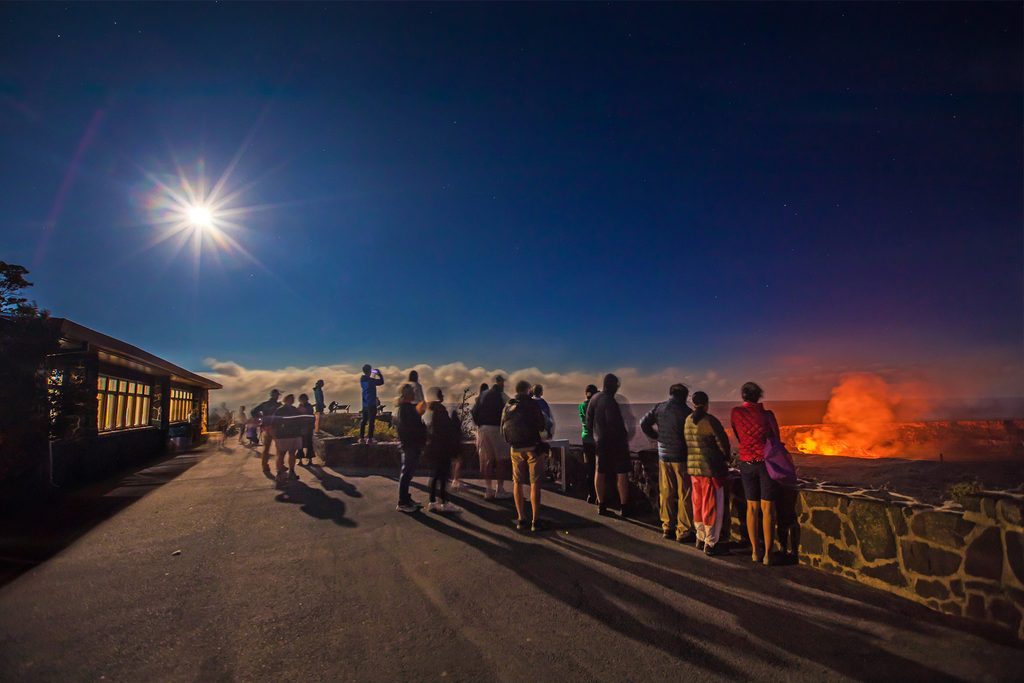
Jaggar Museum Overlook

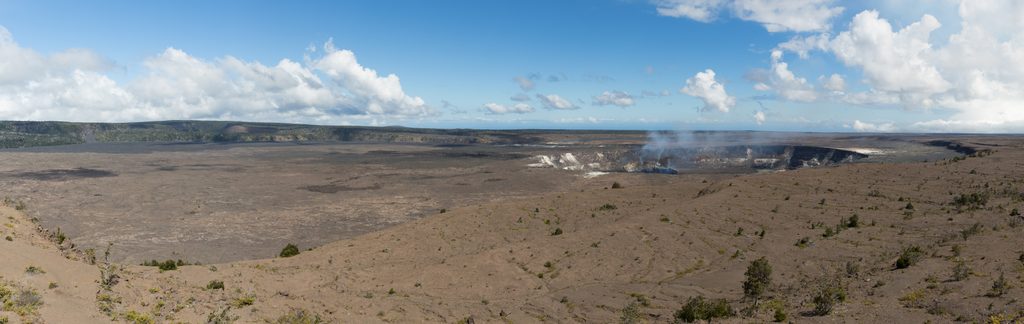
Panoramic rim views over Kīlauea Caldera and Halemaʻumaʻu
Jaggar Museum Overlook, Hawaiʻi Volcanoes National Park
InsideHawaiʻi Volcanoes National Park

Overview

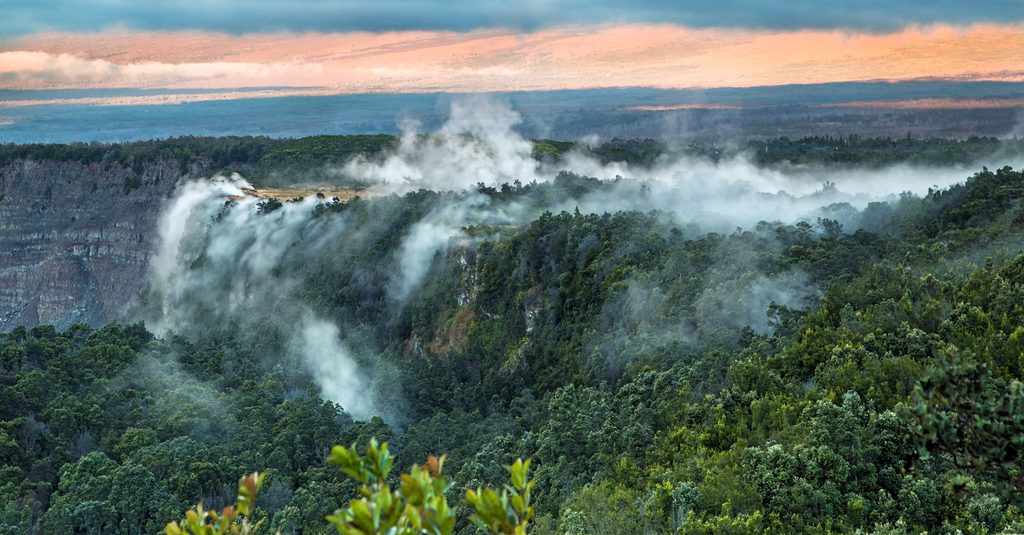
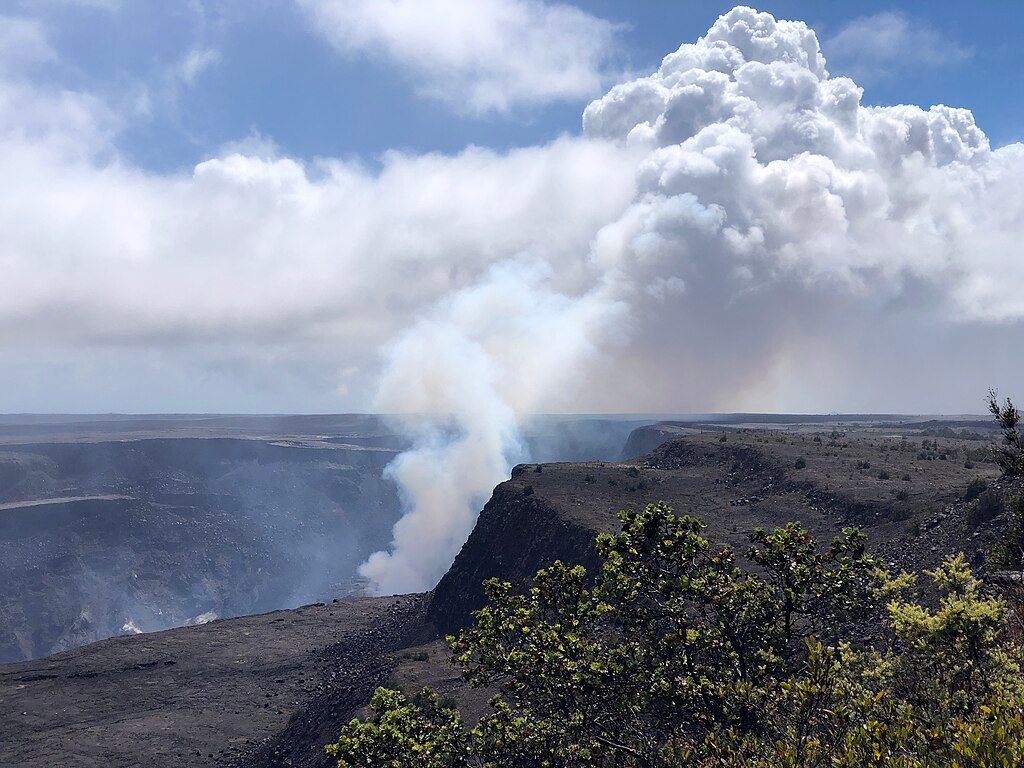
Perched at Uēkahuna on the northwest rim of Kīlauea, the Jaggar Museum Overlook is the park’s classic big view: a sweeping panorama over the vast caldera with Halemaʻumaʻu front and center. The original museum building was removed after the 2018 eruption, but the overlook is open and the setting remains powerful—both geologically and culturally.

What You’ll See

  • A dramatic, wide‑open look into Kīlauea Caldera and the active Halemaʻumaʻu crater—sometimes steaming, occasionally glowing after dark depending on activity.
  • On clear days, long views stretch toward Mauna Loa. Historic stonework and interpretive panels nod to the site’s past and explain what you’re looking at.

Why It’s Special

Uēkahuna is considered the highest point on Kīlauea’s rim and is a place of deep traditional significance. Couple that with the caldera laid out at your feet and you’ve got one of the park’s most meaningful stops—more than just a pretty overlook.

Wildlife

Keep an eye on the sky for koaʻe kea (white‑tailed tropicbirds) cruising the crater walls. Binoculars make spotting birds—and details inside Halemaʻumaʻu—much more rewarding.

What’s Changed Since 2018

The Jaggar Museum building is gone due to eruption damage, and with it the indoor exhibits and shelter. What remains: the overlook, commemorative markers, and outdoor interpretive displays. Plan for an entirely outdoor visit.

Practicalities

Expect wind and fast‑moving fog or rain squalls; conditions can flip from crystal clear to socked‑in. Crowds spike at sunset and after dark when activity is visible.

Best Time to Visit

  • Light: Sunrise and late‑day golden hour make the caldera’s textures pop; after dark can reveal a glow if activity cooperates.
  • Crowds: Aim for early morning or arrive 30–45 minutes before sunset if you want parking and elbow room.
  • Weekdays generally feel calmer than weekends.

Tips

  • Bring a warm layer—this rim is exposed and chilly after sunset.
  • Pack a headlamp or flashlight if staying for night views.
  • Binoculars dramatically improve both birding and crater detail.
  • Check current volcanic activity and any rim closures before you go.

Pros

  • Grand, unobstructed views into Kīlauea Caldera and Halemaʻumaʻu
  • Compelling cultural and geologic context at Uēkahuna with interpretive displays

Cons

  • Often crowded at sunset and after dark
  • Windy with rapidly changing weather that can obscure views
  • No indoor facilities since the museum was removed

Tips

  • Arrive 30–45 minutes before sunset to secure parking and a good spot.
  • Bring a jacket—wind and evening chill are the norm on the rim.
  • Carry binoculars for birds and crater details.
  • Pack a headlamp if you plan to stay after dark.
  • Check current activity and closures the day of your visit.
The Parkwolf tour guide sitting on a phone mounted in a car

Parkwolf Tour Guide

Like a tour guide in your car.

Save the places you found around Hawaiʻi Volcanoes, then let Parkwolf guide the drive between them.Download Parkwolf on the App Store