
Place · 0.3 mi away
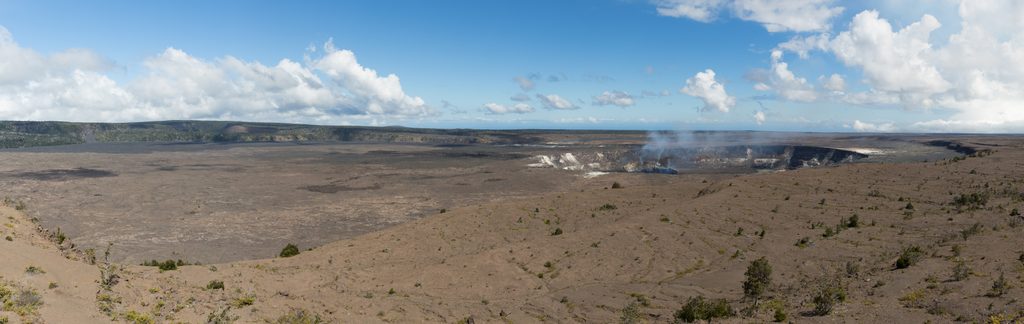
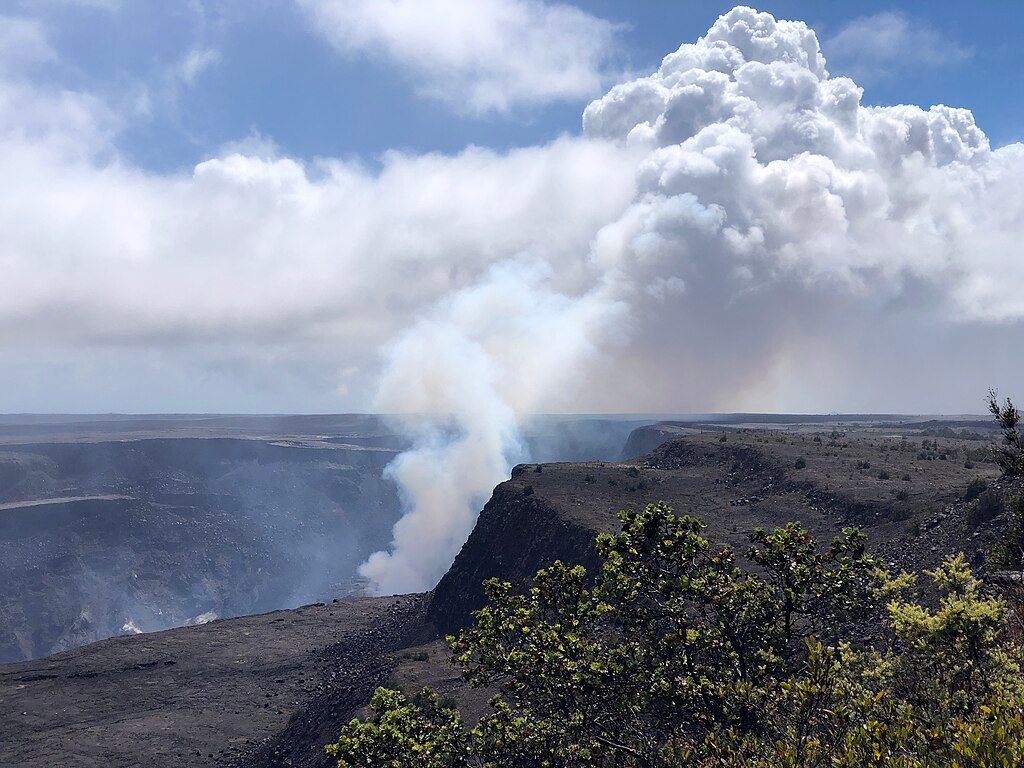
Halemaʻumaʻu is Kīlauea’s summit crater—the volatile heart of the volcano and one of the park’s most compelling sights. You won’t walk to the crater floor (it’s an active hazard zone), but the rim viewpoints along Crater Rim Drive frame it beautifully. It’s also a place of living Hawaiian culture, revered as the home of Pele.
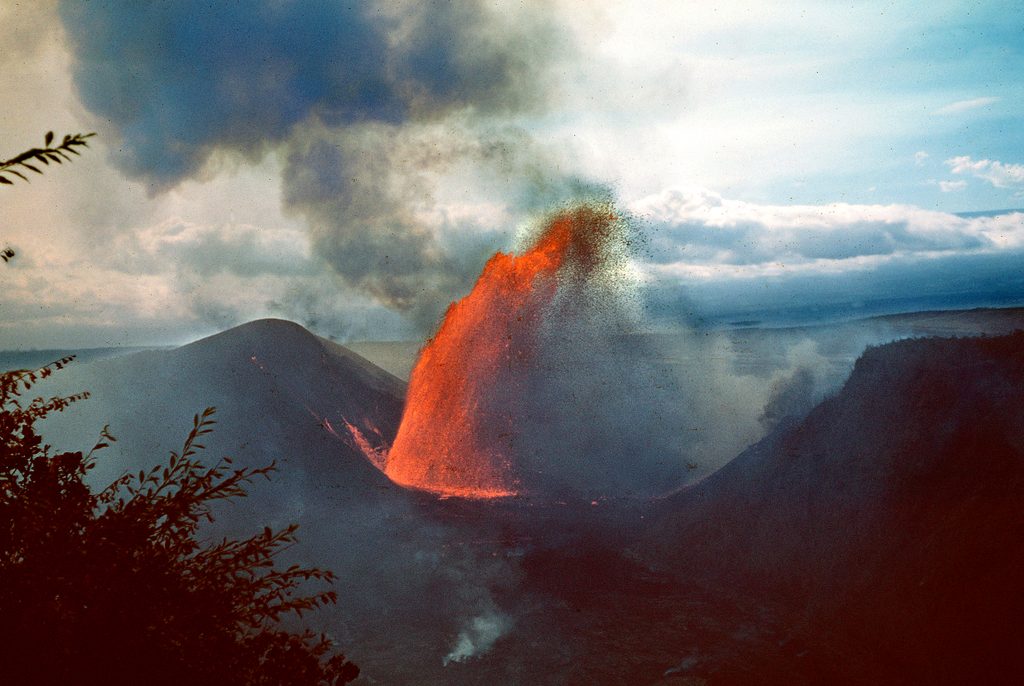
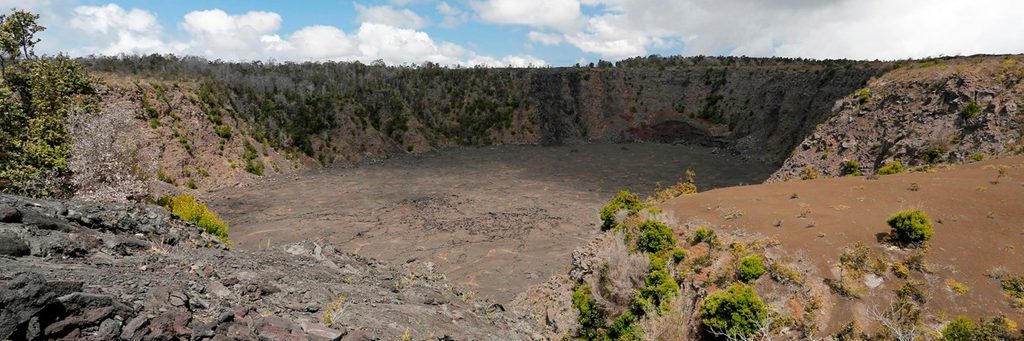
Expect towering gas plumes, steaming vents, and a stark, freshly built landscape. During eruptive episodes, the crater can glow vividly after dark and may show active vents and new lava spreading across the floor—best appreciated from rim overlooks like Kīlauea Overlook and the Jaggar Museum Overlook. Even between eruptions, the scale of the caldera and the textures of ash and lava fields are mesmerizing.
Since the major summit collapse in 2018, Halemaʻumaʻu has repeatedly refilled with new lava. A notable eruption on September 10, 2023 opened fissures along the eastern margin of the crater and into the down‑dropped block, resurfacing roughly 496 acres and burying older 1971/1982 deposits. Episodes continued into 2025 but remain confined to a closed area—dramatic to witness from the rim and on official webcams when access is restricted.
Beyond the spectacle, this is a place with deep cultural roots. Halemaʻumaʻu features in generations of stories and ceremonies connected to Pele, and interpretive signs and ranger programs around the rim help connect the science with the heritage.
Keep an eye out for nēnē (Hawaiian goose) in the summit area. The crater rim’s open vistas also reveal hardy plants and specialized life that thrive in volcanic terrain.
Conditions shift fast. Volcanic gas and fine glassy fibers (Pele’s hair) may drift with the wind, and certain overlooks or trails can close without warning during heightened activity. If you’re sensitive to sulfur or have respiratory issues, limit exposure and follow posted advisories.
Golden hours are magic: warm side‑light sculpts the caldera walls, and after sunset any active glow intensifies. Bring a zoom lens or binoculars to pick out vents and fresh crust textures. Popular vantage points include Kīlauea Overlook and Jaggar Museum Overlook along Crater Rim Drive.
Place · 0.3 mi away
Place · 0.7 mi away
Place · 0.8 mi away
Place · 0.9 mi away
Moderate · 0.9 mi away
Easy · 1.7 mi away
Easy · 1.9 mi away
Easy · 2.2 mi away

Parkwolf Tour Guide
