Kilauea Overlook

Big, dramatic window into Kīlauea’s caldera and Halemaʻumaʻu
Kilauea Overlook, Hawaiʻi Volcanoes National Park
InsideHawaiʻi Volcanoes National Park

Overview

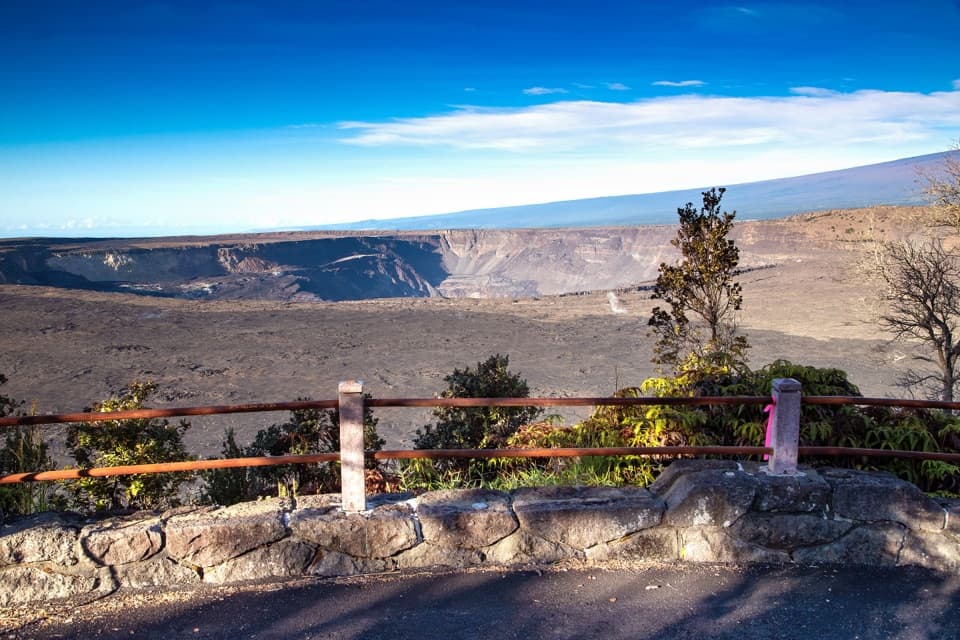
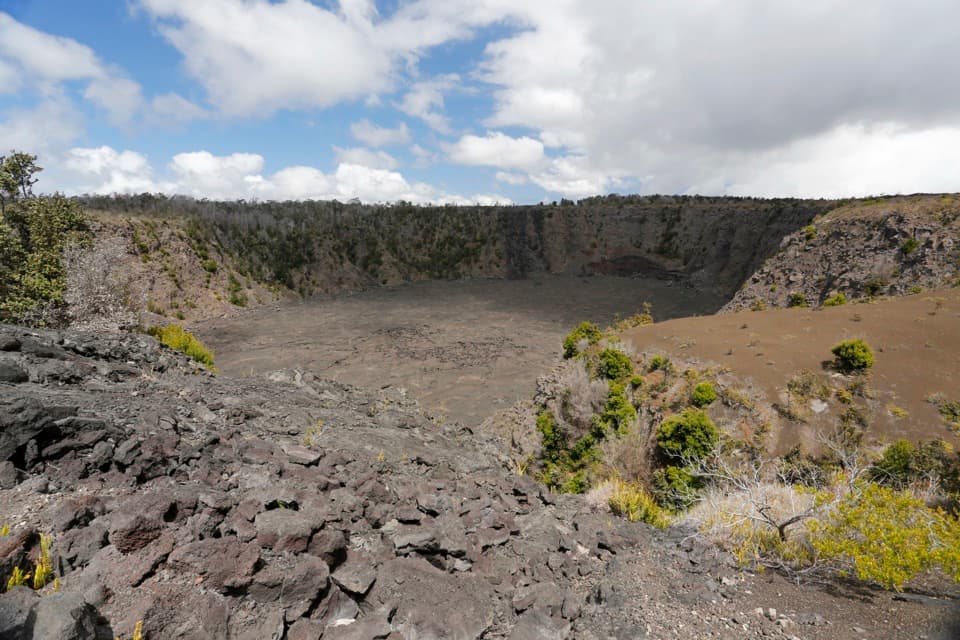
Kīlauea Overlook is the classic, easy-access window into Kaluapele (Kīlauea caldera) and Halemaʻumaʻu. Set right on the rim off Crater Rim Drive, it delivers the park’s grand, dramatic summit view without much effort. You’re looking straight into one of the most active volcanic systems on Earth—and at the reshaped landscape left by the 2018 summit collapses.

What You’ll See

  • The vast Kīlauea caldera, with visible collapse scars and faulted walls.
  • Halemaʻumaʻu—the traditional home of Pele—front and center. At dawn/dusk, or during eruptive periods, this view can be unforgettable.
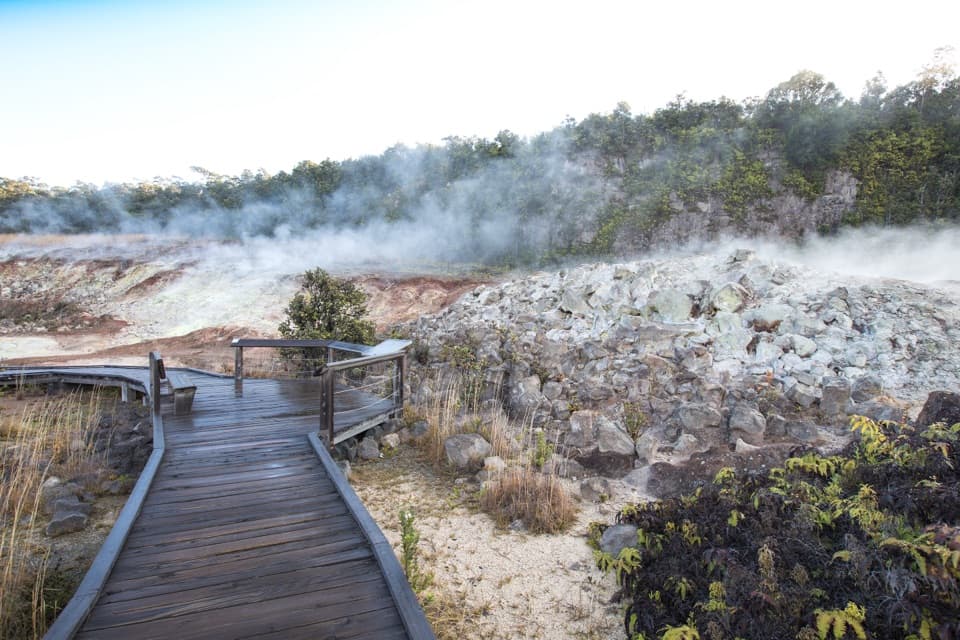
  • Look for geologic details: layered lava flows, fumaroles, and even a 6‑ton volcanic bomb perched on the rim.
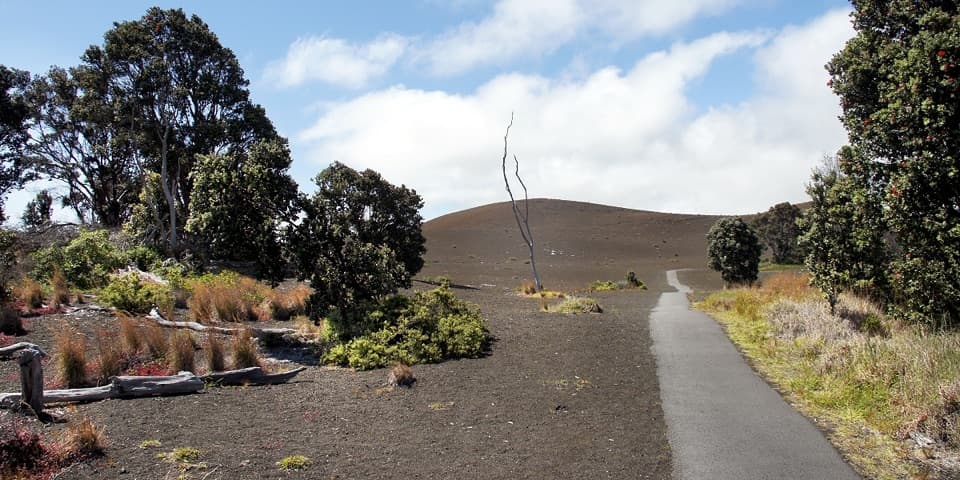
  • From just uphill along the Crater Rim Trail, you can snag a slightly different angle and sightlines, and you’ll spot the closed Jaggar Museum building across the way.

Why It’s Special

This is the park’s big panorama—the scale is hard to grasp until you’re on the rim. It’s also one of the best places to appreciate how dramatically 2018 reshaped the summit and deepened Halemaʻumaʻu.

On‑Site Experience

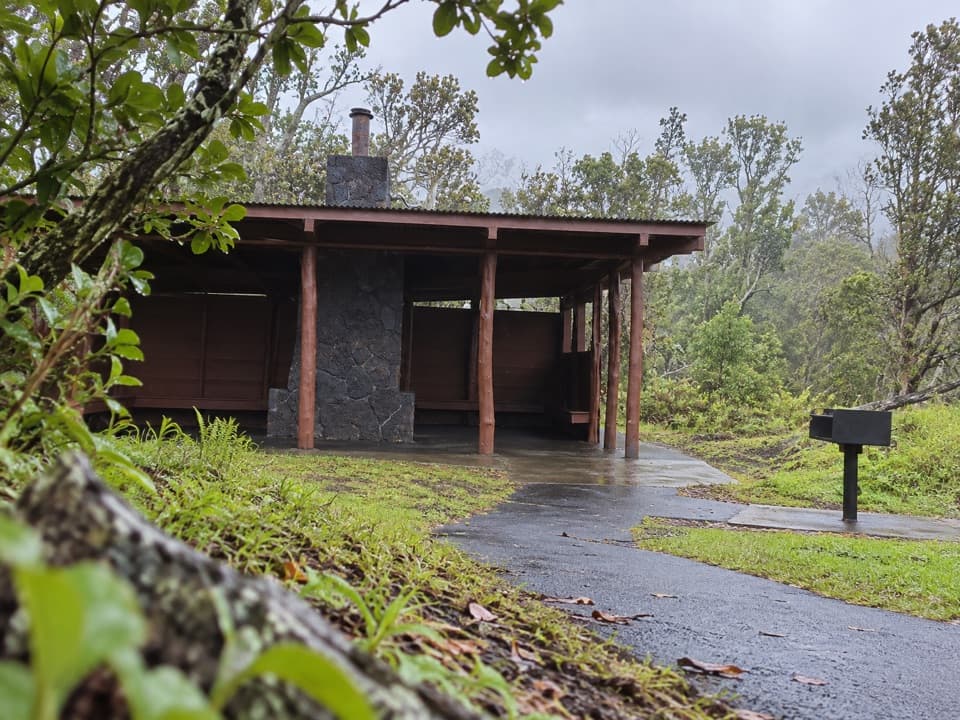
It’s popular for a reason, and the bustle can be real, especially at midday or when lava activity picks up. Expect wind and fast-changing weather—blue sky can flip to drizzle in minutes. There are basic facilities on site and it connects directly with the Crater Rim Trail if you want to wander for alternate viewpoints.

Wildlife

This isn’t a wildlife hotspot, but keep an ear out for native forest birds like ʻapapane and ʻamakihi in nearby vegetation. You’ll mostly notice insects and, with luck, perhaps a fleeting Hawaiian bat at dusk.

Geology Snapshot

The caldera you’re peering into formed around A.D. 1500 after major summit collapse events. The 2018 eruption episode dramatically altered the summit again—what you see today is a living, changing landscape.

Tips for Visiting

  • Walk a short, slightly uphill stretch along the Crater Rim Trail for cleaner sightlines and fewer people.
  • Bring a jacket—wind and mist are common—and a zoom lens or binoculars for detail.
  • During heightened volcanic activity, areas can close or shift; check current conditions at the Kīlauea Visitor Center before you go.

Best Time to Visit

  • Light: Sunrise and sunset give the most dramatic relief and color; if lava is active, after dark can reveal a glow.
  • Crowds: Weekdays are calmer. Midday is busiest; aim for early morning before 9 am or late afternoon after 4 pm.
  • Weather: Overcast or rainy days can feel otherworldly—but dress for it.

Pros

  • Sweeping, unobstructed views of Kīlauea caldera and Halemaʻumaʻu
  • Easy access with parking and a short walk on Crater Rim Trail

Cons

  • Often crowded; parking fills at peak times
  • Windy, chilly weather can reduce comfort and visibility

Tips

  • Arrive early or after 4 pm to beat the parking crunch.
  • Bring a jacket—winds and passing showers are common on the rim.
  • Carry binoculars or a zoom lens to pick out details in the caldera.
  • Walk a bit uphill on the Crater Rim Trail for better angles and fewer crowds.
  • Check current eruption and closure updates at Kīlauea Visitor Center before visiting.
The Parkwolf tour guide sitting on a phone mounted in a car

Parkwolf Tour Guide

Like a tour guide in your car.

Save the places you found around Hawaiʻi Volcanoes, then let Parkwolf guide the drive between them.Download Parkwolf on the App Store