
Place · 1 mi away
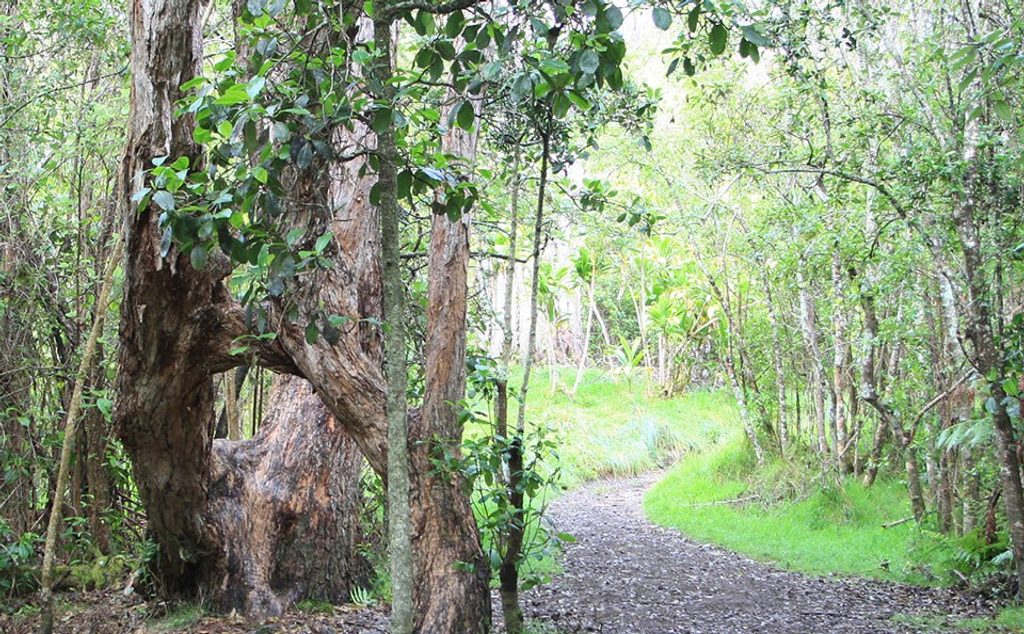
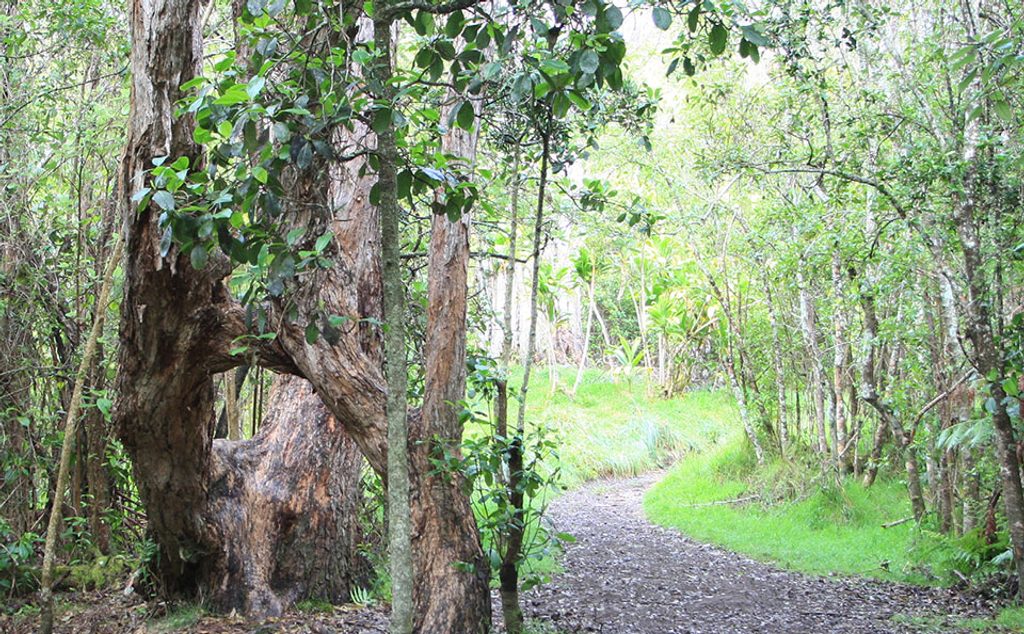
Kipuka Puaulu—aka Bird Park—is a serene island of old-growth native forest set amid younger Mauna Loa lava flows. The payoff here isn’t a big view; it’s biodiversity. Expect birdsong in the canopy, lush understory, and a peaceful loop that feels worlds away from the bustle around Kīlauea.
This is a classic kīpuka: an older pocket of land spared by lava, letting native plants and wildlife thrive. You’ll walk under towering ʻōhiʻa and koa through a living time capsule that showcases how Hawaiian forests once looked.
It’s one of the park’s best birding spots. Early risers often hear and sometimes spot native honeycreepers like ʻapapane and ʻiʻiwi, plus Hawaiʻi ʻamakihi and the native thrush ʻōmaʻo. Introduced species and showy kalij pheasants are common, too. Move slowly, keep voices low, and bring binoculars.
The loop is roughly 1.2 miles, mostly flat with gentle ups and downs on dirt. It starts from the Kipukapuaulu parking area off Mauna Loa Road. Along the way, interpretive plaques highlight plants and forest ecology, turning a short walk into a natural history lesson.
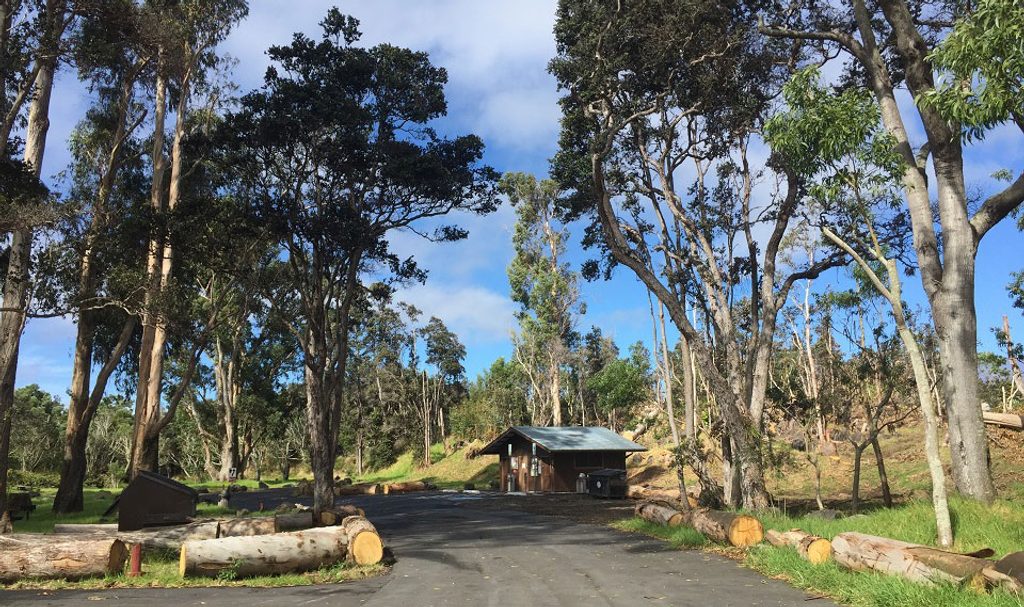
There’s a day-use picnic area with tables near the trailhead and a basic restroom nearby. No food, water, or stores—bring what you need. The area can be cool, damp, and occasionally muddy; sturdy shoes and a light rain layer help.
If you love birds, native plants, quiet trails, or want a mellow family-friendly walk, absolutely. If you’re chasing crater views, lava, or drama, this will feel subtle. That’s the point—this is forest immersion.
Place · 1 mi away
Place · 1 mi away
Place · 1.4 mi away
Place · 1.6 mi away
Easy · 0 mi away
Easy · 1.5 mi away
Moderate · 1.6 mi away
Easy · 2.3 mi away

Parkwolf Tour Guide
